RU
RU  EN
EN  FR
FR  DE
DE  AR
AR  ES
ES  PT
PT  JA
JA  KO
KO 
Выбор правильного посуда из нержавеющей стали для отелей, ресторанов или домашних кухонь имеет решающее значение. Но вопрос остаётся: действительно ли надбавка за сталь марки 304 по сравнению с маркой 201 того стоит?
Как профессиональный производитель кухонной посуды, Шансы каждый день сталкиваются с этой дилеммой. Дело не только в цене — речь идет о долговечности, безопасности и эффективности приготовления пищи. В этом подробном руководстве мы разберем научные аспекты, структуру затрат и практическую ценность этих двух распространенных марок нержавеющей стали, чтобы помочь вам принять обоснованное решение, которое принесет пользу вашему бизнесу или кухне на долгие годы.
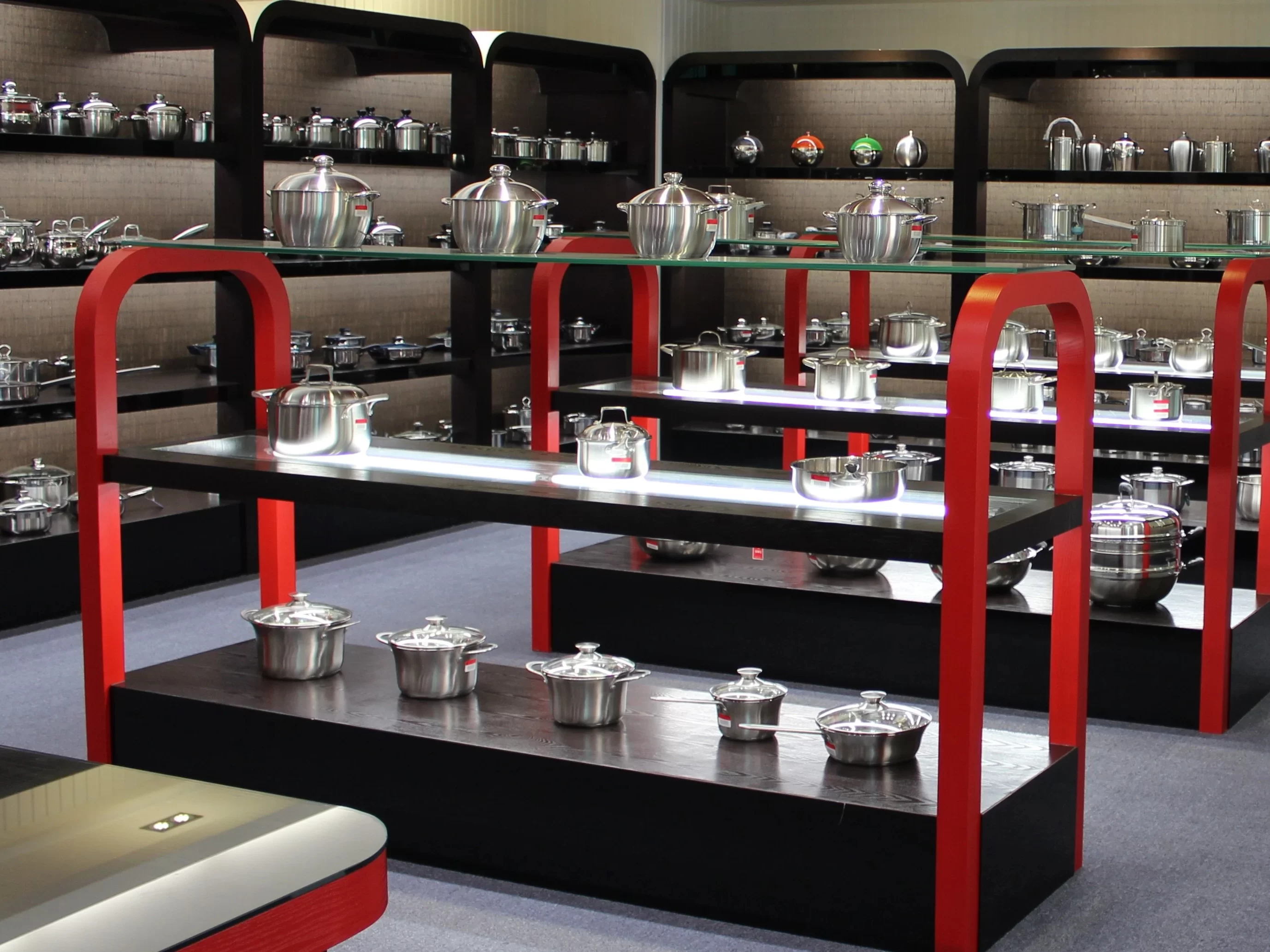
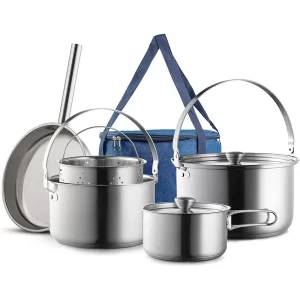
Посуда из нержавеющей стали 304 и 201
Что такое нержавеющая сталь марки 201?
Нержавеющая сталь марки 201 была разработана в качестве более экономичной альтернативы. В её составе часть никеля (самого дорогого компонента) заменена марганцем и азотом.
- Состав: Как правило, содержит 16–18% хрома, 3,5–5,5% марганца и всего 3,5–5,5% никеля.
- Характеристики: Высокая прочность, низкая стоимость и магнитные свойства после холодной обработки. Часто используется в бюджетных линейках продукции для коллекций кухонной посуды из нержавеющей стали начального уровня.
Что такое нержавеющая сталь марки 304?
Нержавеющая сталь марки 304, широко известная как “18/8” (18% хрома, 8% никеля), является «золотым стандартом» для кухонной посуды и изделий, предназначенных для контакта с пищевыми продуктами.
- Состав: Содержит 18–20% хрома и 8–10,5% никеля.
- Характеристики: Исключительная коррозионная стойкость, превосходная формуемость, немагнитность в отожженном состоянии и чрезвычайная прочность. Этот материал является лучшим выбором для производства высококачественной кухонной посуды и медицинского оборудования.
“Правда” о стоимости: речь идет о гораздо большем, чем просто ценник
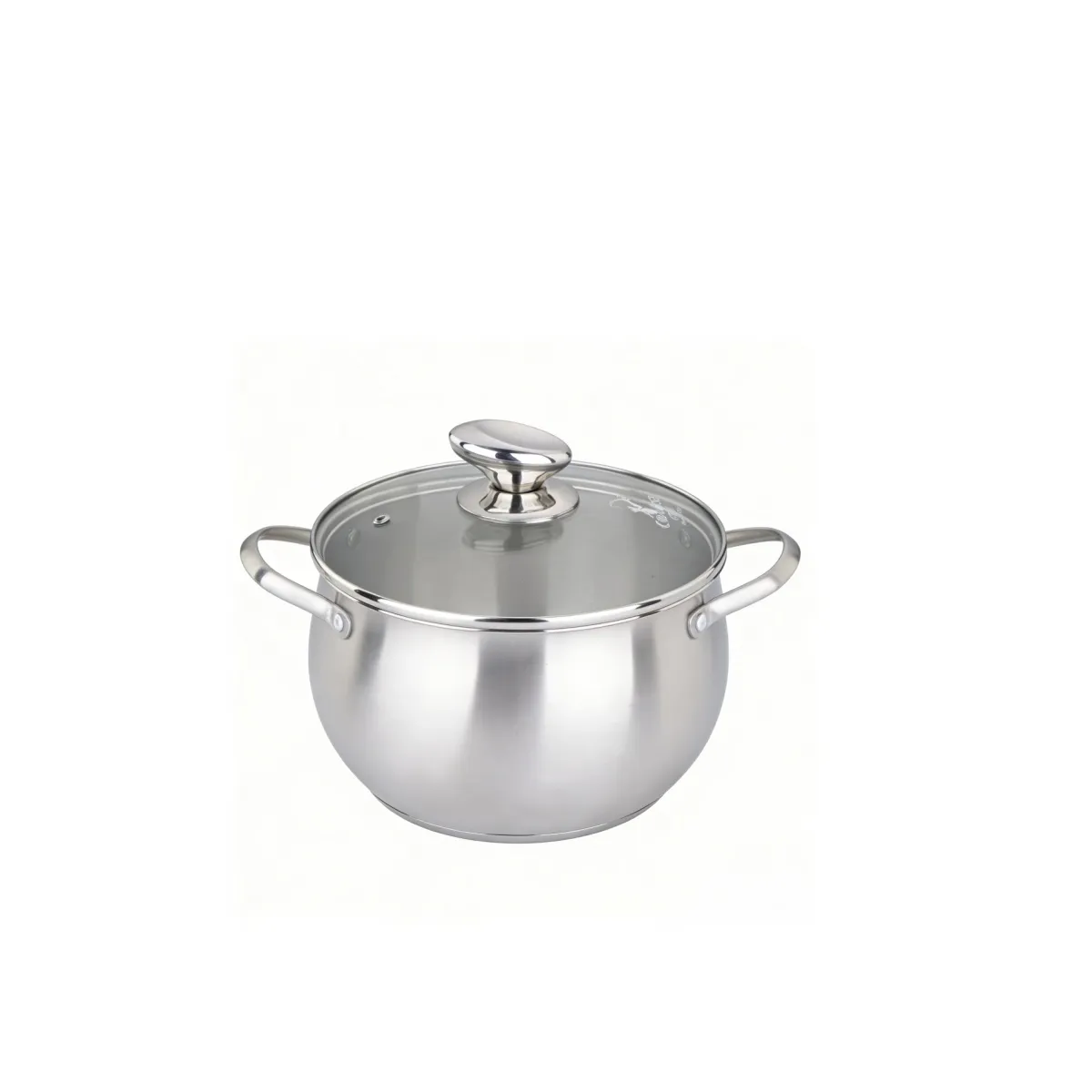
Цена за метрическую тонну нержавеющей стали марки 304, как правило, на 20–40% выше, чем у стали марки 201, и эта разница почти полностью обусловлена более высоким содержанием никеля. Однако “стоимость” набора посуды из нержавеющей стали выходит далеко за рамки суммы, указанной в счете-фактуре.
- Коррозионная стойкость и срок службы: Сталь марки 201 обладает более низкой коррозионной стойкостью; она подвержена появлению точечной коррозии и даже ржавых пятен, особенно при контакте с кислыми продуктами или в условиях повышенной влажности. В отличие от этого, сталь марки 304 благодаря более высокому содержанию никеля и хрома образует более устойчивый пассивационный слой, что позволяет ей противостоять коррозии на протяжении десятилетий и значительно сокращает частоту замены в коммерческих объектах, таких как гостиницы.
- Оформимость и структура: Сталь марки 201 относительно твердая, из-за чего она склонна к растрескиванию при глубокой механической обработке. Для компенсации этого часто приходится утолщать дно, что, в свою очередь, приводит к неравномерному нагреву. В отличие от него, сталь марки 304 обладает превосходной формуемостью и позволяет создавать многослойные композитные конструкции основания, обеспечивающие равномерное распределение тепла — ключевой фактор эксплуатационных характеристик профессиональной посуды из нержавеющей стали.
- Охрана труда и техника безопасности: В настоящее время ведутся дискуссии относительно долгосрочных последствий высокого содержания марганца в стали марки 201, тогда как сталь марки 304, несомненно, является лучшим выбором для медицинского оборудования и оборудования, контактирующего с пищевыми продуктами, поскольку она обеспечивает большую уверенность при приготовлении кислых блюд.
- Внешний вид и уход: После полировки сталь марки 201 может сохранять магнитные свойства, демонстрировать незначительные изменения оттенка цвета и быть подвержена накоплению остатков пищи. В отличие от этого, сталь марки 304 сохраняет блестящую зеркальную поверхность, проще очищается, со временем сохраняет вид новой и отличается профессиональным, элегантным внешним видом.
Заключение: Первоначальная экономия при покупке посуды из нержавеющей стали марки 201 зачастую нивелируется более высокой частотой замены, расходами на обслуживание или нестабильными результатами приготовления пищи. Выбор посуды из нержавеющей стали марки 304 — это разумное вложение средств, ориентированное на долгосрочную выгоду.
Почему 304 — это разумное вложение средств для вашего бизнеса?
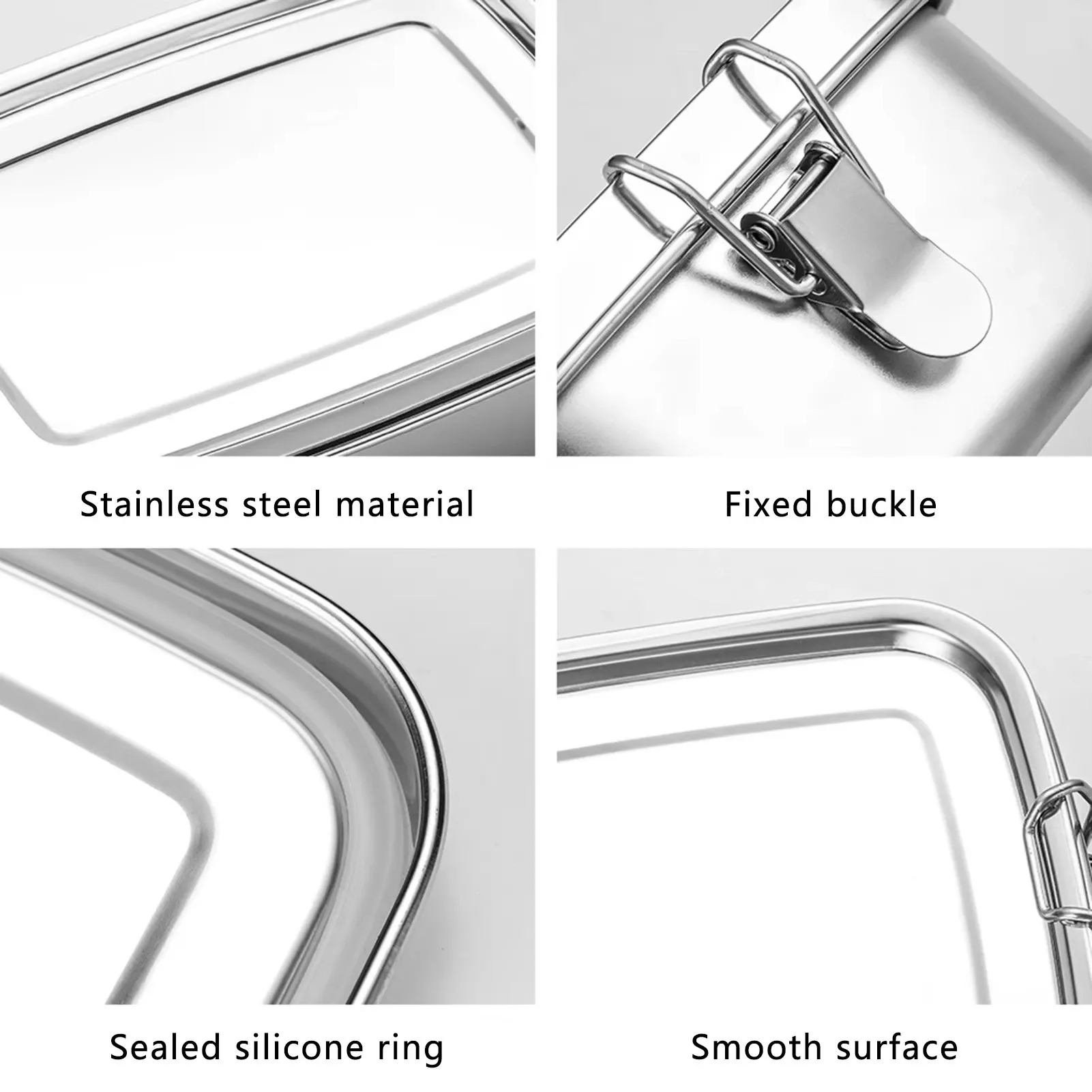
Для оптовых продавцов и коммерческих кухонь переход на посуду из нержавеющей стали марки 304 способствует укреплению репутации бренда и повышению эффективности работы. Равномерное нагревание, устойчивость к царапинам и неизменная красота — год за годом. Вот что обещает марка 304.
В компании Chances мы предлагаем не просто продукцию, а комплексные решения. Благодаря более чем 28-летнему опыту мы умеем найти оптимальный баланс между стоимостью и качеством. Наша линейка 304 разработана так, чтобы раскрыть весь потенциал кухонной посуды из нержавеющей стали премиум-класса.
Как сделать правильный выбор: анализ затрат и выгод
| Характеристика | Кухонная посуда из нержавеющей стали 201 | Кухонная посуда из нержавеющей стали 304 (высший класс) |
|---|---|---|
| Первоначальная стоимость | Ниже | Выше, как правило, с надбавкой в размере 20–40% |
| Устойчивость к коррозии | Умеренная; более подвержена точечной коррозии | Отлично, особенно в сочетании с кислыми продуктами |
| Распределение тепла | Может быть менее равномерным и с большей вероятностью привести к появлению «горячих точек» | Более ровная поверхность, особенно при использовании высококачественной клеевой основы |
| Долговечность и срок службы | Приблизительно 3–5 лет в условиях коммерческой эксплуатации | 10–20 лет или более; подходит для длительного использования |
| Сохранение внешнего вида | Обеспечивает оптимальный уровень блеска | Сохраняет блестящую, зеркально отполированную поверхность |
| Восприятие бренда | Рассматривается как экономичный вариант начального уровня | Рассматривается как превосходный, профессиональный и надежный выбор |
Окончательный вывод: Независимо от того, приобретаете ли вы продукцию для своего дома, ресторана, отеля или для перепродажи под собственным брендом, переход на сталь марки 304 определенно того стоит. Долгосрочная экономия средств, превосходные эксплуатационные характеристики при приготовлении пищи и повышение ценности бренда с лихвой компенсируют первоначальные вложения.
ЧАСТО ЗАДАВАЕМЫЕ ВОПРОСЫ
Вопрос 1: 304 или 201 — как определить разницу?
A1:Используйте магнит (сталь марки 304 практически не притягивается, а 201 — притягивается), проверьте, есть ли на дне клеймо “18/8”, или приобретайте посуду у проверенного поставщика кухонной посуды из нержавеющей стали, такого как Chances, который обеспечивает полную прослеживаемость происхождения материала.
Вопрос 2: Безопасно ли готовить с использованием модели 201?
A2:Она соответствует требованиям, предъявляемым к материалам, предназначенным для контакта с пищевыми продуктами. Однако с точки зрения долговечности и кислотостойкости нержавеющая сталь марки 304 является более выгодным выбором при покупке посуды из нержавеющей стали.
Вопрос 3: Обусловлена ли превосходная теплопроводность стали марки 304 исключительно свойствами самой стали?
A3: Нет. Секрет заключается в превосходной совместимости стали марки 304 с алюминиевыми и медными композитами; её многослойная структура обеспечивает равномерный нагрев — что является отличительной чертой высококачественной кухонной посуды из нержавеющей стали.
Готовы обновить свою кухню?
Подводя итог, можно сказать, что переход на посуду из нержавеющей стали марки 304 окупается — это и превосходные результаты приготовления, и меньшая частота замены, и более высокая ценность бренда. Для любого оптового продавца или коммерческой кухни выбор материала — это выбор качества.
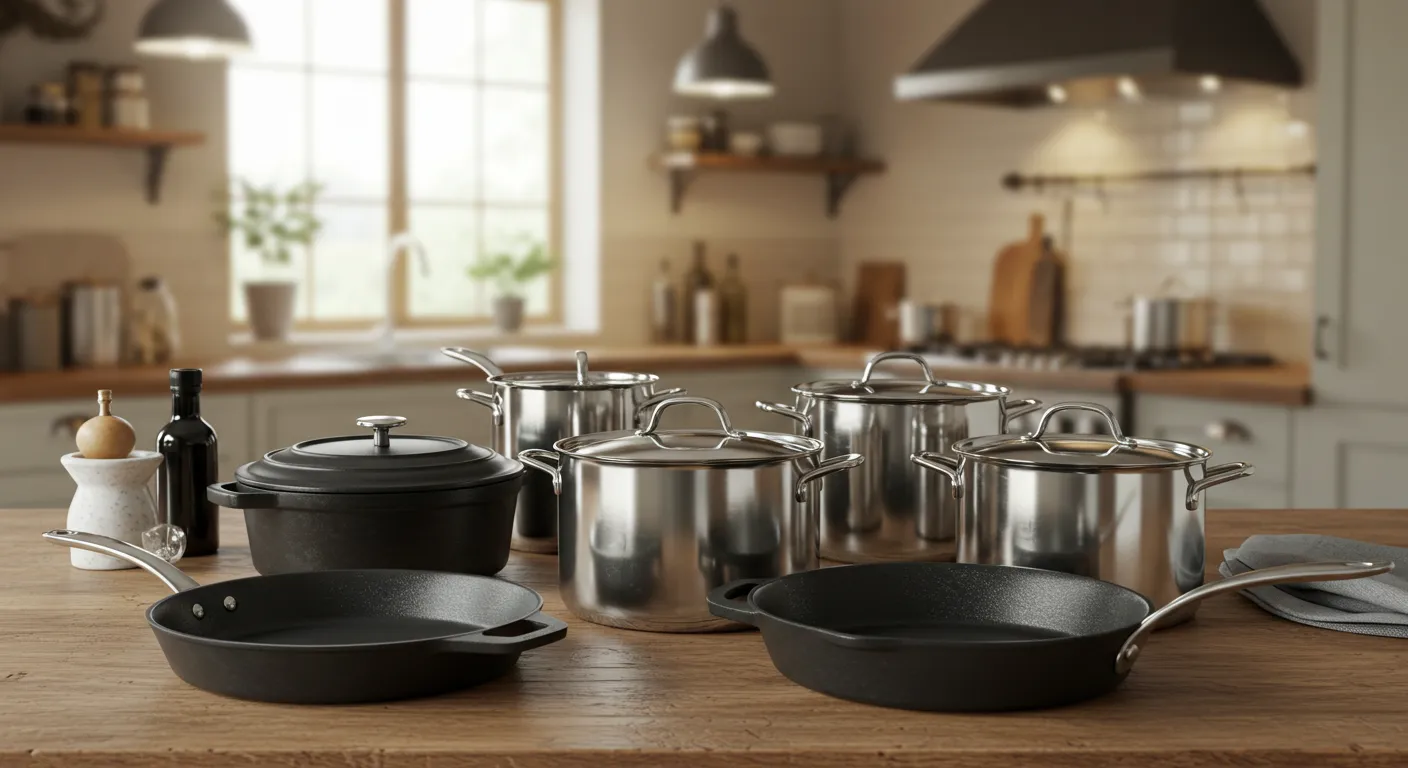
На сайте Шансы, мы — не просто поставщик, а ваш партнер по производству. Наша компания, расположенная в Чаочжоу (провинция Гуандун), с 1996 года внедряет инновации благодаря собственному проектированию пресс-форм, строгому контролю качества и глобальному опыту, при этом гарантируя, что вся наша продукция изготавливается из высококачественной нержавеющей стали марки 304.
Приглашаем вас связаться с нами чтобы оценить исключительное качество продукции Chances и сделать первый шаг к долгосрочному совершенству!