ES
ES  EN
EN  FR
FR  DE
DE  RU
RU  AR
AR  PT
PT  JA
JA  KO
KO 

El proceso completo de un pedido de menaje de cocina suele incluir cuatro fases fundamentales: desarrollo de muestras, producción en serie, control de calidad y envío internacional. Los retrasos suelen deberse a especificaciones poco claras de los productos, a la lentitud en la aprobación de las muestras, a una planificación deficiente de la producción o a un control de calidad insuficiente. Oportunidades ofrece soluciones de fabricación integradas que abarcan el procesamiento de materias primas, el montaje de la producción, la gestión de la inspección y la personalización OEM/ODM, con el fin de ayudar a los compradores internacionales a cumplir con plazos de entrega predecibles y garantizar una calidad estable de los productos.
Gestión del calendario de la cadena de suministro de utensilios de cocina
Para las marcas de menaje de cocina, los mayoristas, los minoristas y los distribuidores, realizar un pedido al por mayor no consiste simplemente en elegir un producto y esperar a que se entregue. El éxito del proceso de aprovisionamiento depende de una gestión adecuada del calendario de pedidos de menaje de cocina, que integre el diseño del producto, la capacidad de fabricación, el control de calidad y la planificación logística.
Comprender cada fase del proceso de pedido de utensilios de cocina permite a los compradores establecer expectativas realistas, reducir los riesgos de la cadena de suministro y forjar relaciones más sólidas con fabricantes de confianza.
Una cadena de suministro predecible comienza con un plan de producción claramente definido. Aunque los plazos varían en función de la complejidad del producto, la cantidad del pedido, los requisitos de personalización y el mercado de destino, la mayoría de los proyectos de utensilios de cocina siguen cuatro fases principales:
- Muestras de productos y confirmación del diseño
- Fabricación y montaje en serie
- Control de calidad y autorización de envío
- Reserva logística y entrega final
A fabricante especializado Debería garantizar la transparencia en cada paso del proceso, en lugar de limitarse a facilitar a los compradores una fecha de entrega definitiva.
Por ejemplo, la fabricación de utensilios de cocina de acero inoxidable requiere una coordinación minuciosa entre el abastecimiento de materiales, el conformado del metal, el pulido, la soldadura, la instalación de las asas, la selección de las tapas, el embalaje y la inspección. Cualquier retraso en una de estas fases puede afectar a todo el calendario de producción.

Por lo tanto, un sistema sólido de gestión de proveedores debería centrarse en:
- Especificaciones claras del producto antes de la producción
- Planificación realista de la producción
- Actualizaciones periódicas de comunicación
- Puntos de control de calidad durante la fabricación
- Preparación logística previa
Suspensión de la toma de muestras y el diseño de utensilios de cocina
Por qué la toma de muestras es el paso más importante en el proceso de pedido de utensilios de cocina

Antes de que comience la producción en serie, la fase de muestreo es aquella en la que los conceptos de producto se convierten en productos físicos.
En el caso de los proyectos de menaje de cocina a medida, los compradores suelen tener que confirmar lo siguiente:
- Tamaño y capacidad de los utensilios de cocina
- Calidad del acero inoxidable
- Requisitos de acabado superficial
- Diseño del asa
- Estructura de la tapa
- Ubicación del logotipo
- Aspecto del embalaje
- Rendimiento funcional
Una muestra aprobada se convierte en la referencia de fabricación para la producción futura. Sin una congelación clara del diseño, los pequeños cambios que se produzcan durante la fabricación pueden provocar problemas de calidad, aumentos de costes o retrasos en las entregas.
Por ejemplo, cambiar el diseño del tirador una vez iniciada la producción podría requerir:
- Nuevos ajustes en las herramientas
- Aprobación de muestras adicionales
- Modificación de la línea de producción
- Novedades en el embalaje
Estos cambios pueden alargar considerablemente el plazo de entrega de los utensilios de cocina.
Proceso de muestreo recomendado
A proveedor de utensilios de cocina profesionales suele ser lo siguiente:
Paso 1: Confirmación de los requisitos
El comprador debe aportar:
- Planos o referencias de productos
- Requisitos del mercado objetivo
- Previsiones de cantidad
- Preferencias de embalaje
- Requisitos de certificación
Paso 2: Desarrollo del prototipo
El fabricante elabora una muestra inicial para evaluar:
- Apariencia
- Estructura
- Función
- Experiencia del usuario
Paso 3: Modificación de la muestra
En función de los comentarios de los compradores, los fabricantes realizan los siguientes ajustes:
- Espesor
- Forma
- Tratamiento de superficies
- Componentes
- Accesorios
Paso 4: Congelación del diseño
Una vez que el comprador aprueba la muestra definitiva, el proveedor fija:
- Especificaciones de producción
- Materiales
- Dimensiones
- Normas de calidad
- Detalles del embalaje
Este paso evita cambios innecesarios durante la producción en serie.
¿Cuánto tiempo suele durar la toma de muestras de utensilios de cocina?
El tiempo de muestreo depende de la complejidad de la personalización.
| Tipo de proyecto | Período de muestreo habitual |
|---|---|
| Artículos de cocina estándar | De 7 a 15 días |
| Utensilios de cocina de acero inoxidable a medida | Entre 15 y 30 días |
| Juegos de utensilios de cocina OEM complejos | Más de 30 días |
Entre los factores que influyen en la velocidad de muestreo se encuentran:
- Disponibilidad de materiales
- Complejidad de la estructura del producto
- Número de revisiones
- Personalización de envases
- Requisitos de ensayo
Trabajar con un fabricante con amplia experiencia Esto puede acortar esta fase, ya que los proveedores consolidados ya cuentan con procesos de producción optimizados y conocimientos técnicos especializados.
Fabricación en serie y montaje
Una vez aprobada la muestra, el proyecto pasa a la fase de producción. Esta suele ser la parte más larga del proceso de pedido de utensilios de cocina, ya que es necesario que varios procesos de fabricación se coordinen entre sí.
Un proceso completo de fabricación de utensilios de cocina de acero inoxidable puede incluir:
1. Preparación de la materia prima

Los utensilios de cocina de alta calidad se basan en materiales de acero inoxidable fiables. Los fabricantes deben comprobar lo siguiente:
- Especificaciones materiales
- Uniformidad del espesor
- Calidad de la superficie
- Documentación del proveedor
La trazabilidad de los materiales es especialmente importante para los compradores internacionales, ya que ayuda a garantizar la coherencia entre las muestras y la producción a gran escala.
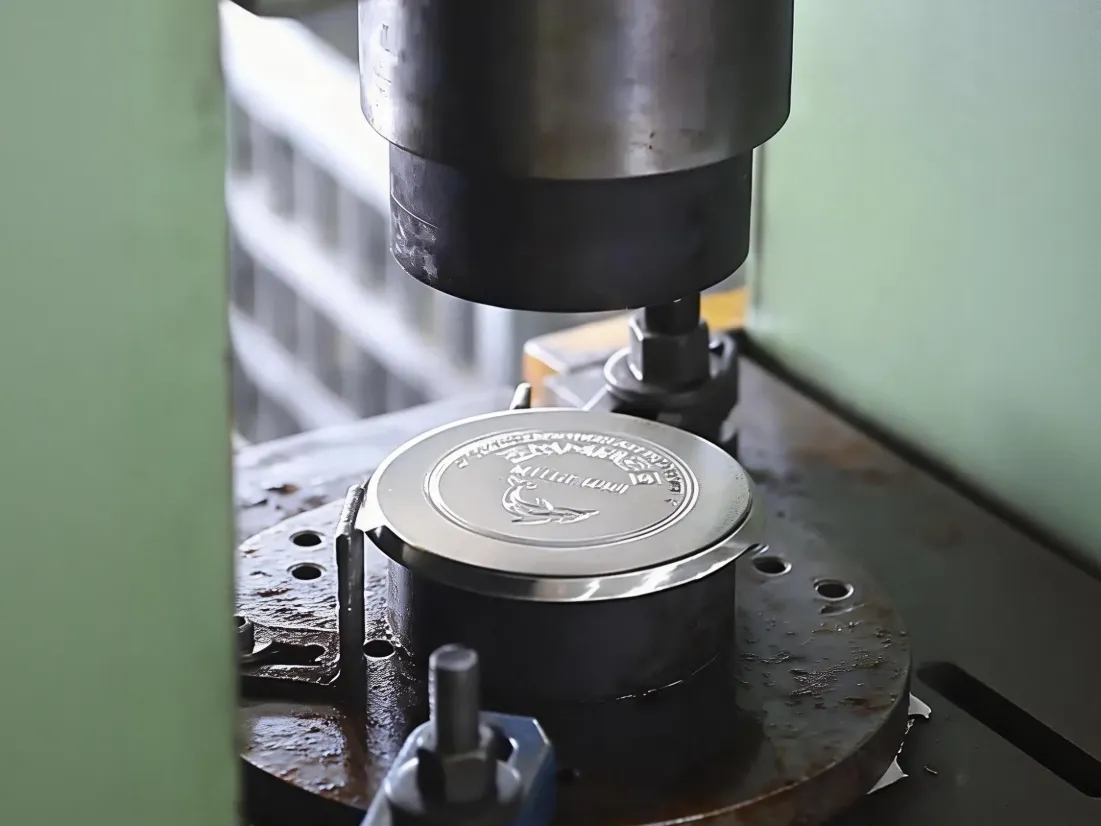
2. Conformado y procesamiento de metales

Entre los procesos de producción más habituales se encuentran:
- Corte
- Embutición profunda
- Estampación
- Soldadura
- Pulido
- Unión inferior
Cada proceso influye en la durabilidad y el aspecto finales de los utensilios de cocina.
Por ejemplo:
- Un control deficiente del moldeado puede provocar formas irregulares.
- Un pulido incorrecto puede provocar defectos en la superficie.
- Una soldadura deficiente puede afectar a la durabilidad del mango.
3. Montaje de componentes
El conjunto de utensilios de cocina incluye:
- Instalación de la manilla
- Montaje de la tapa
- Remachado o soldadura
- Inspección de superficies
- Limpieza final
Una fábrica fiable debe mantener unos estándares de montaje uniformes en todos los lotes de producción.
Ventajas e inconvenientes de los distintos métodos de fabricación de utensilios de cocina
Fabricación directa de fábrica
Pros:
- Un mayor control sobre el calendario de producción
- Comunicación directa con los ingenieros
- Personalización OEM/ODM más flexible
- Precios más competitivos para pedidos al por mayor
Contras:
- Se requieren especificaciones claras del producto
- Los compradores necesitan mejorar sus habilidades para evaluar a los proveedores
Abastecimiento para empresas comerciales
Pros:
- Selección de productos más sencilla
- Reducir inicialmente la carga de trabajo relacionada con la comunicación
Contras:
- Control limitado sobre los procesos de producción
- Menor transparencia en cuanto a la capacidad de la fábrica
- Mayor riesgo de retrasos en la comunicación
Para las marcas que planean desarrollar una línea de utensilios de cocina a largo plazo, trabajar directamente con un fabricante con experiencia suele ofrecer un mayor control sobre la calidad, la personalización y los plazos de entrega.
Control de calidad y comprobación previa al envío
Por qué el control de calidad es clave para el éxito de la entrega de tus utensilios de cocina
El control de calidad es una de las etapas más importantes en el proceso de pedido de utensilios de cocina, ya que influye directamente en la satisfacción del cliente, la reputación de la marca y el rendimiento a largo plazo en el mercado.
Un envío de utensilios de cocina que llegue con arañazos, un pulido irregular, asas sueltas, dimensiones incorrectas o daños en el embalaje puede acarrear graves problemas a los importadores y minoristas, entre ellos:
- Quejas de los clientes
- Devoluciones de productos
- Costes adicionales de sustitución
- Retrasos en los lanzamientos al mercado
- Daño a la credibilidad de la marca
Fabricantes de utensilios de cocina profesionales No esperan a la fase final del envío para detectar los problemas. En su lugar, establecen controles de calidad a lo largo de todo el proceso de producción.
Según los principios de gestión de la calidad promovidos por organizaciones como la Organización Internacional de Normalización (ISO), un control de calidad eficaz requiere un seguimiento continuo, la mejora de los procesos y medidas preventivas, y no solo la inspección del producto final.
Etapas clave de la inspección antes del envío
Una fuente fiable proveedor de utensilios de cocina de acero inoxidable Normalmente se aplican varios procedimientos de inspección.
1. Inspección de material entrante
Antes de iniciar la producción, los fabricantes deben comprobar lo siguiente:
- Especificaciones del acero inoxidable
- Espesor de la materia prima
- Estado de la superficie
- Documentación del proveedor
- Consistencia del material
De este modo se evita que surjan problemas de calidad en el proceso de producción.
Para las marcas de utensilios de cocina, la calidad de los materiales es especialmente importante, ya que el acero inoxidable influye directamente en:
- Durabilidad del producto
- Rendimiento en la distribución del calor
- Resistencia a la corrosión
- Experiencia del usuario
2. Inspección de la producción durante el proceso

Durante el proceso de fabricación, los equipos de calidad supervisan los puntos críticos de la producción, entre los que se incluyen:
Comprobación de la forma y las dimensiones
Los inspectores comprueban:
- Precisión del diámetro
- Uniformidad en la altura
- Requisitos de capacidad
- Compatibilidad de componentes
Inspección del acabado superficial
El aspecto de los utensilios de cocina influye considerablemente en las decisiones de compra. La inspección debe comprobar lo siguiente:
- Consistencia del pulido
- Suavidad de la superficie
- Prevención de arañazos
- Defectos visuales
Pruebas de montaje
En el caso de los productos con asas, tapas y accesorios, los fabricantes evalúan:
- Resistencia del asa
- Estabilidad de la conexión
- Rendimiento del cierre de la tapa
- Alineación de componentes
3. Inspección aleatoria final antes del envío

Antes de que la mercancía salga de fábrica, una inspección final confirma que los productos terminados cumplen los requisitos del comprador.
Entre las comprobaciones habituales se incluyen:
- Verificación de la cantidad
- Inspección visual
- Pruebas de funcionamiento
- Inspección de envases
- Ensayo de resistencia del cartón
- Confirmación de la etiqueta
Muchos compradores internacionales también recurren a servicios de inspección de terceros basados en normas como los procedimientos de muestreo ANSI/ASQ Z1.4 para evaluar los envíos a granel antes de su entrega.
Reservas, envío y entrega
Una vez aprobada la producción, la siguiente fase del proceso de pedido de utensilios de cocina es la logística internacional.
Incluso cuando la producción se completa según lo previsto, una preparación deficiente del envío puede seguir provocando retrasos.
Paso 1: Preparación de la documentación para la exportación
Un proveedor profesional debe preparar:
- Factura comercial
- Lista de embalaje
- Documentos de envío
- Certificados de los productos, si son necesarios
- Información aduanera
Una documentación incorrecta puede provocar retrasos en la aduana o costes adicionales.
Paso 2: Selección del método de envío

El mejor medio de transporte depende de la urgencia del pedido, del presupuesto y del destino.
Transporte marítimo
Ideal para:
- Pedidos al por mayor de gran volumen
- Envíos en contenedores
- Compradores que se fijan en el precio
Ventajas:
- Menores costes de transporte
- Adecuado para pedidos al por mayor de utensilios de cocina
Desventajas:
- Plazo de entrega más largo
Transporte aéreo de mercancías
Ideal para:
- Reposición urgente
- Envíos de muestras
- Pedidos de pequeño volumen
Ventajas:
- Entrega más rápida
Desventajas:
- Mayor coste de transporte
Paso 3: Coordinación de la entrega
Para que las cadenas de suministro de utensilios de cocina funcionen correctamente, es necesaria la comunicación entre:
- Fabricante
- Agente de transporte
- Importador
- Equipo de almacén
Un proveedor profesional debería facilitar información actualizada sobre:
- Finalización de la producción
- Calendario de envíos
- Hora prevista de llegada
- Riesgos potenciales
Esta transparencia ayuda a los compradores a gestionar la planificación de existencias de forma más eficaz.
Ejemplo de plazo de entrega habitual para un pedido de utensilios de cocina
Aunque cada proyecto es diferente, un proyecto estándar de venta al por mayor de utensilios de cocina podría seguir este calendario:
| Fase de producción | Tiempo estimado |
|---|---|
| Consulta sobre el producto y presupuesto | De 3 a 7 días |
| Desarrollo de muestras | Entre 15 y 30 días |
| Aprobación de la muestra y cierre del diseño | De 3 a 7 días |
| Producción a gran escala | 30-60 días |
| Control de calidad | De 3 a 7 días |
| Preparación del envío | 5-10 días |
| Transporte internacional | 20-45 días |
El plazo total de entrega del pedido de utensilios de cocina puede oscilar entre aproximadamente De 60 a 120 días dependiendo del nivel de personalización, la cantidad del pedido y el destino del envío.
Estrategias proactivas para evitar retrasos en la producción de utensilios de cocina
Muchos retrasos en el suministro de utensilios de cocina pueden evitarse con una mejor planificación.
A continuación se presentan algunas estrategias prácticas que pueden aplicar los compradores internacionales:
1. Confirma las especificaciones del producto con antelación
Antes de realizar pedidos al por mayor, los compradores deben concretar:
- Planos de productos
- Requisitos de material
- Diseño de envases
- Detalles de la imagen de marca
- Normas de calidad
Las especificaciones poco claras son una de las principales causas de los retrasos en la producción.
2. Elige un fabricante de utensilios de cocina con experiencia
Una fábrica con una amplia experiencia en producción puede gestionar mejor:
- Suministro de materias primas
- Planificación de la producción
- Control de calidad
- Requisitos de personalización
Los fabricantes que cuentan con cadenas de suministro completas pueden reducir las barreras de comunicación y mejorar la fiabilidad de las entregas.
3. Aprobar las muestras rápidamente
La retrasos en la recepción de las muestras alargan directamente el calendario de producción.
Para garantizar un proceso de pedido de menaje de cocina eficiente, los compradores deben:
- Revisa las muestras con atención
- Proporcionar comentarios resumidos
- Confirma los cambios rápidamente
4. Planificar el envío antes de que finalice la producción
Esperar a que los productos estén listos para organizar el transporte puede provocar retrasos innecesarios.
Una mejor planificación incluye:
- Reserva de espacio de transporte con antelación
- Confirmación de los requisitos del destino
- Preparar con antelación los documentos de importación
5. Mantener una comunicación regular con los proveedores
El éxito en el abastecimiento de utensilios de cocina en el ámbito B2B depende de una comunicación constante.
Puntos de comunicación recomendados:
- Tras la confirmación del pedido
- Durante las fases clave de la producción
- Antes de la inspección
- Antes del envío
Las actualizaciones periódicas ayudan a detectar problemas antes de que se conviertan en incidencias costosas.
Preguntas frecuentes: Dudas habituales sobre los plazos de entrega de los utensilios de cocina
P1: ¿Cuánto tiempo suele tardar en tramitarse un pedido de utensilios de cocina?
El plazo medio de entrega de los pedidos de utensilios de cocina suele oscilar entre 60 y 120 días en el caso de los pedidos personalizados al por mayor. La duración exacta depende de la complejidad del producto, la cantidad del pedido, la rapidez en la aprobación de las muestras, la capacidad de fabricación y el método de envío.
Pregunta 2: ¿A qué se deben los retrasos en la producción de utensilios de cocina?
Entre las causas más comunes se encuentran:
- Confirmación tardía del diseño
- Varias revisiones de la muestra
- Escasez de materiales
- Problemas relacionados con la capacidad de producción
- Problemas de calidad que requieren una revisión
- Retrasos en los envíos
Elegir un fabricante fiable que cuente con una sólida gestión de la producción puede reducir considerablemente estos riesgos.
Pregunta 3: ¿Puedo personalizar los diseños de los utensilios de cocina para mi marca?
Sí. Muchos fabricantes profesionales de utensilios de cocina ofrecen servicios de OEM/ODM, lo que permite a los compradores personalizar:
- Formas de los productos
- Asas
- Acabados superficiales
- Logotipos
- Embalaje
- Juegos de utensilios de cocina
La personalización debe confirmarse durante la fase de muestreo para evitar retrasos posteriores.
Pregunta 4: ¿Por qué es importante realizar una inspección en fábrica antes del envío?
La inspección final garantiza que los productos cumplan con las especificaciones acordadas antes de salir de fábrica. Contribuye a evitar problemas de calidad, reclamaciones de los clientes y devoluciones costosas tras la entrega.
Pregunta 5: ¿Cómo puedo acortar el plazo de entrega de mis utensilios de cocina?
Los compradores pueden acortar los plazos de entrega de las siguientes maneras:
- Elaboración de pliegos de condiciones completos
- Aprobación rápida de muestras
- Colaborar con fabricantes con experiencia
- Planificar la logística con antelación
- Mantener una comunicación clara
Conclusión
El éxito de un proyecto de abastecimiento de utensilios de cocina no depende únicamente de la rapidez de fabricación. Requiere un calendario de pedidos bien organizado que coordine la confirmación del diseño, la gestión de la producción, el control de calidad y la logística internacional.
Para los mayoristas, los minoristas y los propietarios de marcas, comprender cada etapa del proceso ayuda a reducir la incertidumbre y a crear una cadena de suministro más estable.
El socio fabricante adecuado no solo debe fabricar utensilios de cocina, sino también ofrecer asistencia profesional a lo largo de todo el proceso de adquisición.
Asóciate con un fabricante de utensilios de cocina de acero inoxidable de confianza
Oportunidades es un fabricante profesional de utensilios de cocina al por mayor con más de 20 años de experiencia, especializado en utensilios de cocina de acero inoxidable y productos de cocina.


Gracias a unos equipos de fabricación avanzados y a un sistema de producción completo que abarca el procesamiento de materias primas, la fabricación de productos, el montaje y el control de calidad, Oportunidades ofrece soluciones fiables en materia de utensilios de cocina para compradores de todo el mundo.
La empresa apoya Servicios flexibles de personalización OEM/ODM, ayudando a las marcas a desarrollar productos de menaje de cocina que se ajusten a su posicionamiento en el mercado, a sus requisitos de diseño y a las expectativas de los clientes. Mediante una estricta gestión de la calidad, desde la compra de materiales hasta la entrega final, Oportunidades mejora continuamente los procesos de fabricación para garantizar un rendimiento estable de los productos y una entrega fiable.
Tanto si eres mayorista, minorista, distribuidor o propietario de una marca blanca de artículos de cocina, asociarte con una empresa con experiencia fabricante de baterías de cocina de acero inoxidable puede hacer que tu cadena de suministro sea más eficiente y predecible.
Póngase en contacto con Oportunidades hoy mismo para hablar sobre tu proyecto de utensilios de cocina y establecer un calendario de producción fiable, desde la elaboración de muestras hasta la entrega a nivel mundial.