ES
ES  EN
EN  FR
FR  DE
DE  RU
RU  AR
AR  PT
PT  JA
JA  KO
KO 
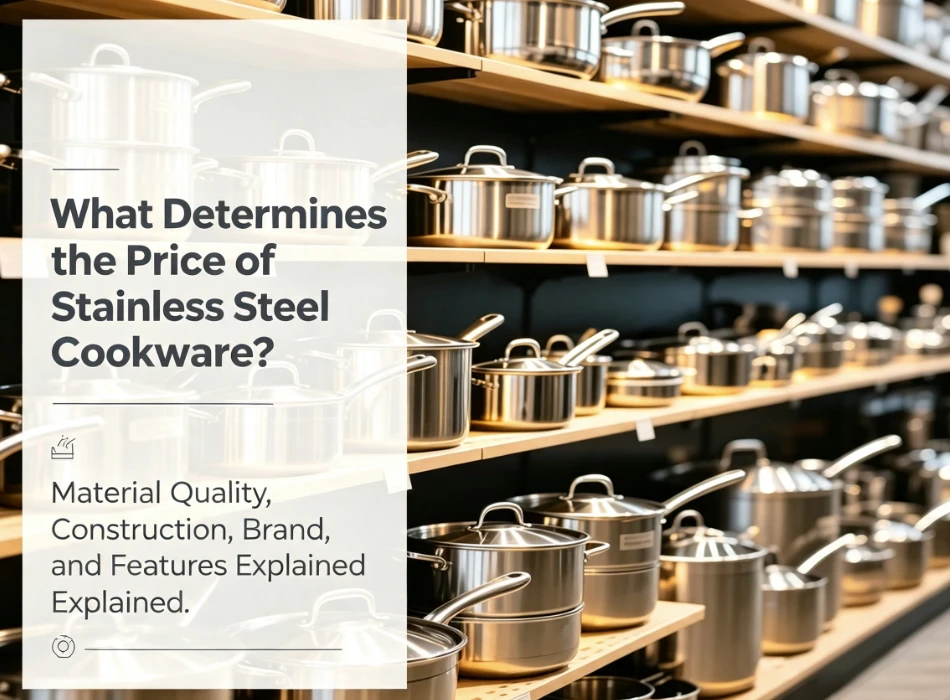
¿Te estás preguntando ¿Por qué varía tanto el precio de los utensilios de cocina de acero inoxidable entre los distintos proveedores?—¿incluso en el caso de productos que parecen casi idénticos en las fotos? La verdad es que el coste final depende de mucho más que del gasto en materias primas. Factores como tipo de acero inoxidable, espesor de la pared, construcción multicapa, precisión de fabricación, control de calidad y volumen de pedidos Todos ellos influyen directamente tanto en el rendimiento del producto como en su precio.
Desde 1996, Oportunidades se ha especializado en la fabricación de productos de alta calidad batería de cocina de acero inoxidable y menaje de cocina para importadores internacionales, mayoristas y marcas blancas. Gracias a un sistema de producción integrado y a una estricta gestión de la calidad, ayudamos a los compradores a sortear estas diferencias en las especificaciones para lograr el equilibrio ideal entre la calidad del producto y la rentabilidad en el mercado.
¿Por qué son tan populares los utensilios de cocina de acero inoxidable en el mercado mundial?
Batería de cocina de acero inoxidable sigue siendo una de las opciones más populares tanto para cocinas profesionales como para el uso doméstico, ya que ofrece:
- Excelente durabilidad
- Aspecto atractivo
- Resistencia a la corrosión
- Fácil limpieza
- Larga vida útil
- Compatibilidad con múltiples métodos de cocción
Sin embargo, no todos los utensilios de cocina se fabrican siguiendo los mismos estándares. Comprender qué factores influyen en el precio de los utensilios de cocina de acero inoxidable permite a los compradores encontrar el equilibrio entre calidad, rendimiento y rentabilidad.
1. El tipo de acero inoxidable es el factor que más influye en el coste
El factor que más contribuye a la precio de los utensilios de cocina de acero inoxidable es el tipo de acero inoxidable utilizado.
Entre los grados más comunes se encuentran:
- Acero inoxidable 201
- Acero inoxidable 304
- Acero inoxidable 430
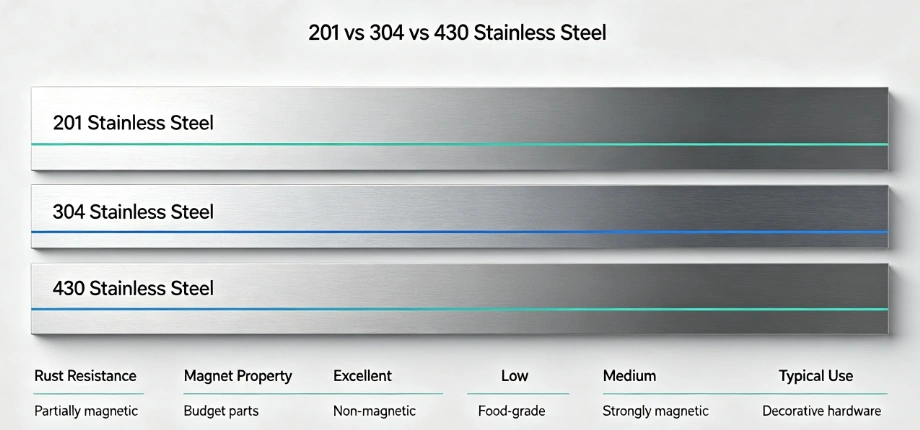
Cada grado ofrece distintos niveles de resistencia a la corrosión, conformabilidad, propiedades magnéticas y coste.
En el caso de los utensilios de cocina que entran en contacto directo con los alimentos, la elección del material es especialmente importante, ya que influye en su durabilidad, en la facilidad de limpieza y en su aspecto a largo plazo.
Consejo para el comprador: Cómo evaluar correctamente el precio de los utensilios de cocina de acero inoxidable
Pide siempre a los proveedores que especifiquen:
- Calidad del acero inoxidable
- Espesor
- Materiales para interiores y exteriores
- Normas aplicables
Nunca compares presupuestos basándote únicamente en las fotos de los productos.
2. El espesor del material influye en la resistencia y el coste
Otro factor importante que influye en el precio de los utensilios de cocina de acero inoxidable es espesor del material.
El uso de acero inoxidable de mayor espesor suele aumentar el consumo de materia prima y los costes de fabricación.
Sin embargo, más grueso no siempre significa mejor.
Los utensilios de cocina profesionales deben lograr un equilibrio entre:
- Rigidez estructural
- Peso
- Transferencia de calor
- Eficiencia en la fabricación
- Experiencia del usuario
Un fabricante con amplia experiencia selecciona el grosor en función del uso previsto de los utensilios de cocina, en lugar de limitarse a maximizar el aprovechamiento del material.
3. La construcción multicapa aumenta el rendimiento y el coste
La fabricación influye de manera significativa en el precio de los utensilios de cocina de acero inoxidable.
Los productos pueden incluir:
- Construcción de una sola pared
- Fondo encapsulado
- Estructura de tres capas
- Estructura de cinco capas
La estructura multicapa mejora la distribución del calor y la uniformidad de la cocción, pero requiere materiales adicionales y procesos de fabricación más complejos.
En las cocinas profesionales, una mejor distribución del calor puede mejorar la eficiencia en la cocción y reducir los puntos de calor.
4. La tecnología de fabricación aumenta los costes de producción
La producción de batería de cocina de acero inoxidable implica múltiples procesos de precisión, entre los que se incluyen:
- Corte de metales
- Embutición profunda
- Formando
- Soldadura
- Laminado de cantos
- Pulido
- Montaje
- Control de calidad
Los equipos de producción avanzados ofrecen:
- Mayor uniformidad dimensional
- Acabado superficial mejorado
- Mayor productividad
- Menores índices de defectos
Los fabricantes que invierten en equipamiento moderno suelen tener unos costes de producción más elevados, pero pueden ofrecer una calidad más constante.
5. El acabado de la superficie influye tanto en el aspecto como en el coste
El acabado de la superficie influye directamente en la percepción que tienen los usuarios finales de los utensilios de cocina y puede influir de manera significativa en el precio total de los utensilios de cocina de acero inoxidable.
Entre los acabados más habituales se encuentran:
- Pulido espejo
- Acabado satinado
- Acabado cepillado
Los acabados de alta calidad requieren un pulido y una inspección adicionales, lo que aumenta el tiempo y el coste de producción.
Para las marcas dirigidas a los mercados minoristas de gama alta, la uniformidad de la superficie suele merecer la inversión adicional.
6. Gestionar las variaciones en los costes del diseño de los mangos y los accesorios
Las asas pueden parecer sencillas, pero contribuyen de manera significativa a la complejidad de la fabricación.
Entre las diferentes opciones de asas se incluyen:
- Asas soldadas
- Asas remachadas
- Asas huecas de acero inoxidable
- Diseños resistentes al calor
Entre los accesorios adicionales pueden figurar:
- Tapas de cristal
- Tapas de acero inoxidable
- Salidas de vapor
- Marcas de medición
- Bases compatibles con la inducción
Cada característica adicional influye en el precio de los utensilios de cocina de acero inoxidable.
7. Personalización OEM y ODM
Muchos compradores internacionales demandan productos personalizados en lugar de artículos estándar de catálogo.
Los servicios de OEM y ODM pueden incluir:
- Grabado de logotipos
- Marcado láser
- Dimensiones personalizadas
- Envases de marca propia
- Desarrollo de nuevos moldes
- Asas personalizadas
- Acabados superficiales
Aunque la personalización puede aumentar los costes iniciales, ayuda a las marcas a diferenciarse y a reforzar su competitividad en el mercado.
8. El control de calidad es una inversión
Los fabricantes fiables aplican controles de calidad a lo largo de todo el proceso de producción.
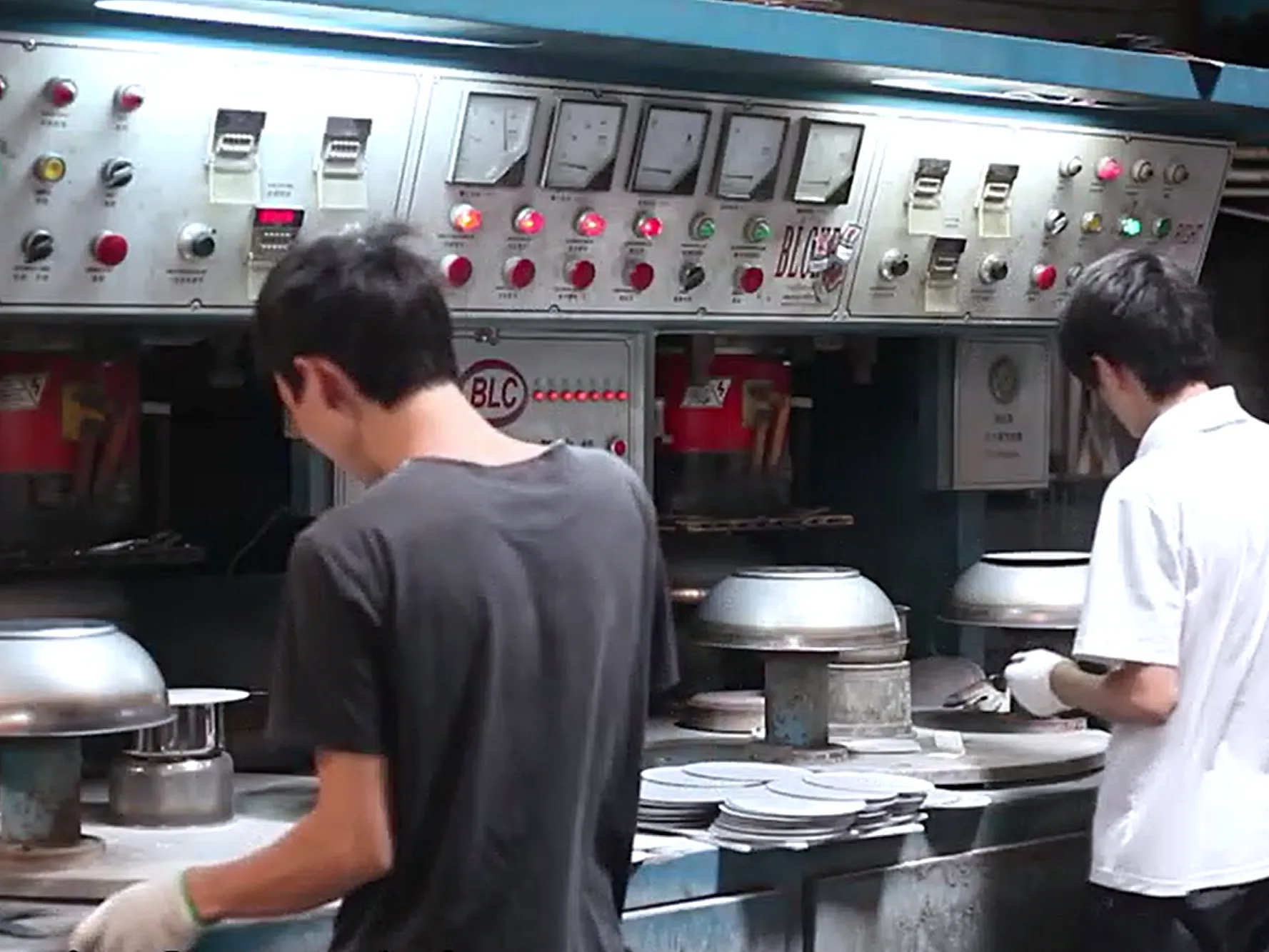
Las fases típicas de la inspección incluyen:
- Verificación de las materias primas
- Inspección dimensional
- Inspección de soldaduras
- Inspección de superficies
- Verificación del montaje
- Inspección de envases
Una gestión de calidad rigurosa reduce los defectos, protege la reputación de la marca y reduce los costes posventa a largo plazo.
9. El embalaje y la logística influyen en el coste total
Los utensilios de cocina son propensos a sufrir arañazos y deformaciones durante el transporte.
Un embalaje profesional para la exportación debe tener en cuenta lo siguiente:
- Protección individual
- Resistencia del cartón
- Aprovechamiento del espacio
- Eficiencia en la carga de contenedores
Aunque un embalaje bien diseñado puede aumentar ligeramente el precio unitario de los utensilios de cocina de acero inoxidable, reduce considerablemente los daños durante el transporte y, en última instancia, protege el coste total de importación.
10. Cantidad por pedido y eficiencia en la producción
Las grandes series de producción suelen reducir los costes unitarios, ya que los fabricantes pueden repartir los costes de utillaje, puesta a punto y mano de obra entre un mayor número de unidades.
No obstante, los compradores deberían tener en cuenta lo siguiente:
- Capacidad de almacenamiento
- Demanda del mercado
- Flujo de caja
- Ciclo de vida del producto
Una estrategia de compra por fases suele ser más práctica que realizar un pedido de cantidades excesivas desde el principio.
Ventajas e inconvenientes de los utensilios de cocina de acero inoxidable de alta gama
Pros
Excelente durabilidad
Los utensilios de cocina de acero inoxidable de alta calidad ofrecen una larga vida útil y resisten la corrosión en condiciones normales de uso.
Mejor rendimiento en la cocina
La estructura multicapa garantiza una distribución más uniforme del calor.
Aspecto atractivo
Un pulido constante mejora el atractivo en el punto de venta y la imagen de marca.
Menor coste a largo plazo
Aunque los costes iniciales de compra puedan ser más elevados, los utensilios de cocina de alta gama suelen reducir la frecuencia de sustitución y las reclamaciones de garantía.
Contras
Mayor inversión inicial
Los materiales de alta calidad y los procesos de fabricación avanzados aumentan los costes unitarios.
Fabricación más compleja
La fabricación multicapa y la personalización requieren plazos de producción más largos.
Mayor complejidad de las especificaciones
Los compradores deben comparar cuidadosamente los presupuestos para asegurarse de que las configuraciones de los productos sean equivalentes.
Cómo evaluar a los proveedores de utensilios de cocina de acero inoxidable
En lugar de seleccionar a los proveedores basándote únicamente en el precio, ten en cuenta los siguientes factores:
| Área de evaluación | Preguntas que hay que hacer |
|---|---|
| Materiales | ¿Qué tipos de acero inoxidable se utilizan? |
| Fabricación | ¿De qué equipos de producción se dispone? |
| Control de calidad | ¿Cómo se inspeccionan los productos? |
| Fabricante de equipos originales/Fabricante de diseños originales | ¿Se pueden desarrollar productos a medida? |
| Experiencia en exportación | ¿A qué mercados internacionales se dirige la empresa? |
| Embalaje | ¿Está optimizado el embalaje para la exportación? |
| Entrega | ¿Podrán los planes de producción satisfacer la demanda? |
| Servicio posventa | ¿Cómo se gestionan los problemas de calidad? |
Una evaluación exhaustiva de los proveedores suele traducirse en una reducción del riesgo global de las compras.
Normas del sector y referencias de referencia
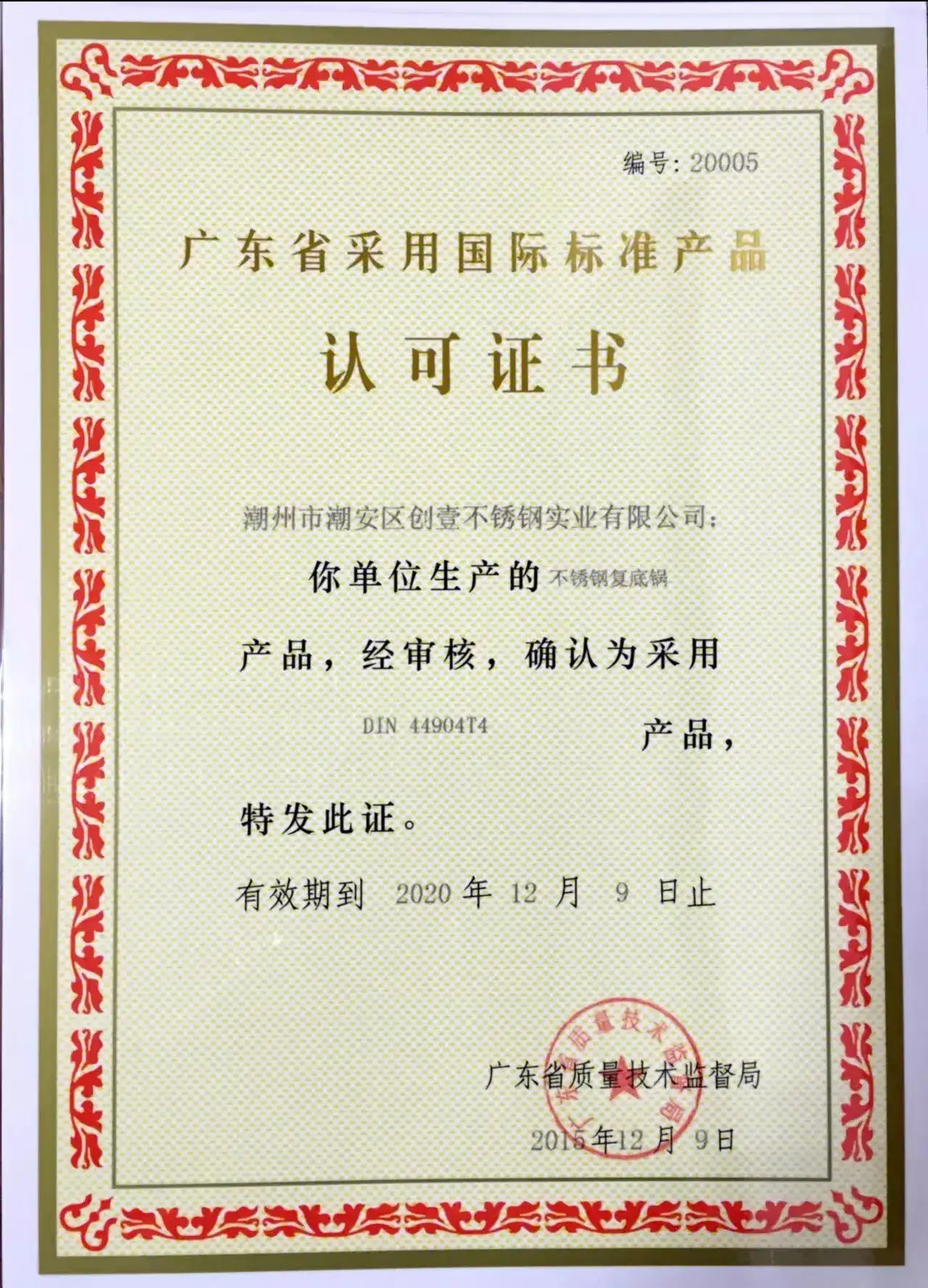
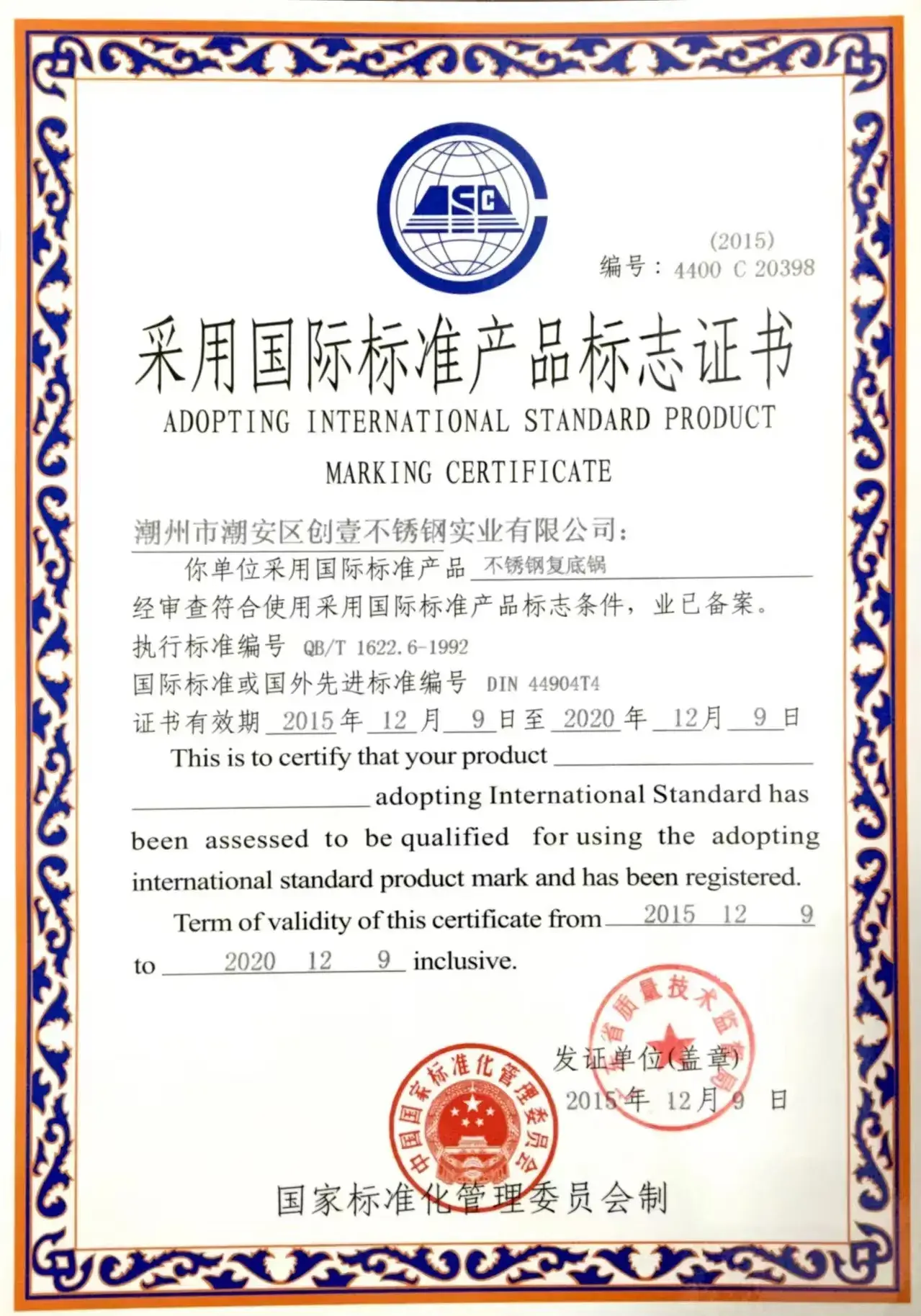
Fabricantes de utensilios de cocina profesionales deben conocer las normas reconocidas internacionalmente y la normativa relativa al contacto con los alimentos.
Entre las referencias útiles se incluyen:
- Administración de Alimentos y Medicamentos de EE. UU. (FDA) orientaciones sobre los materiales en contacto con los alimentos y la seguridad alimentaria.
- NSF International normas relativas a los equipos alimentarios comerciales y a los materiales en contacto con los alimentos.
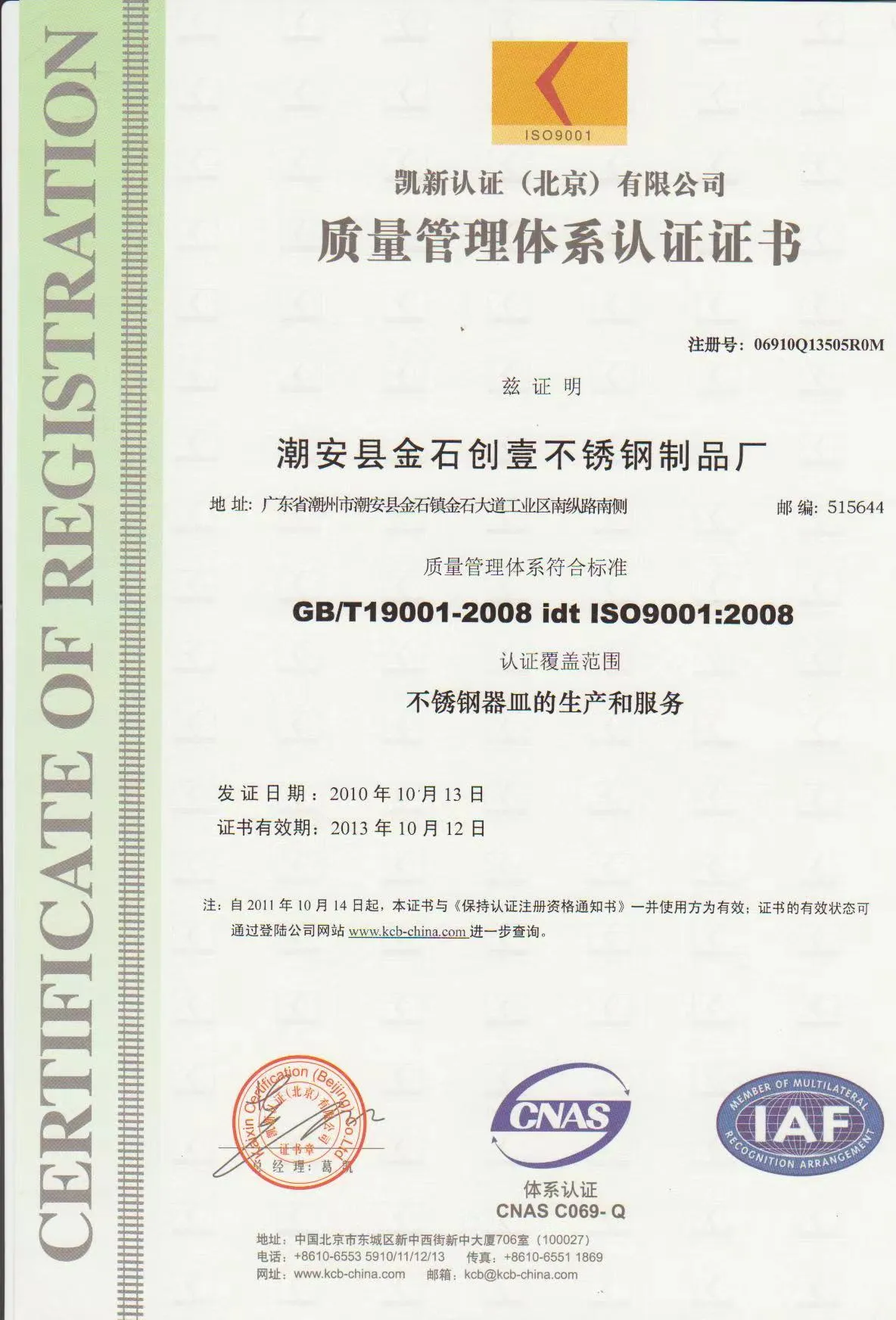
- ISO 9001 sistemas de gestión de la calidad para el control de los procesos de fabricación.
Colaborar con fabricantes que conocen bien estas normas ayuda a los compradores a mejorar el cumplimiento normativo de los productos y a reducir los riesgos asociados a la entrada en el mercado.
PREGUNTAS FRECUENTES
Pregunta 1: ¿Por qué varía tanto el precio de los utensilios de cocina de acero inoxidable?
El precio depende del tipo de material, el grosor, la estructura, la tecnología de fabricación, el acabado, el control de calidad, la personalización, las certificaciones y el volumen de producción.
Pregunta 2: ¿Los utensilios de cocina más caros son siempre mejores?
No necesariamente. A la hora de evaluar el precio de los utensilios de cocina de acero inoxidable, los compradores deberían elegir opciones que se adapten a su mercado objetivo y a sus requisitos funcionales, en lugar de optar automáticamente por el producto más caro.
Pregunta 3: ¿Qué tipo de acero inoxidable se suele utilizar para los utensilios de cocina?
Los distintos grados se utilizan para fines diferentes. Los compradores deben consultar con los fabricantes la elección del material en función de la aplicación, la durabilidad, la resistencia a la corrosión y los requisitos del mercado.
Pregunta 4: ¿Justifica el precio más elevado de los utensilios de cocina de varias capas?
En muchas aplicaciones, sí. La estructura multicapa suele mejorar la distribución del calor y el rendimiento en la cocción, lo que justifica el precio más elevado de los utensilios de cocina de acero inoxidable destinados a cocinas profesionales y marcas de gama alta.
Pregunta 5: ¿Cómo pueden los importadores reducir los riesgos relacionados con las compras?
Solicite muestras, compruebe las especificaciones, evalúe los sistemas de calidad de los proveedores, analice su experiencia en materia de exportación y compare el coste total de propiedad, en lugar de limitarse únicamente al precio unitario.
Conclusión
En precio de los utensilios de cocina de acero inoxidable refleja el valor total del producto, y no solo el coste de las materias primas. La calidad de los materiales, el diseño estructural, la precisión en la fabricación, el control de calidad, el embalaje y las capacidades de fabricación por encargo (OEM) contribuyen al rendimiento a largo plazo y a la satisfacción del cliente.
Para los importadores y distribuidores, el objetivo no debería limitarse a encontrar el presupuesto más bajo, sino a identificar un socio fabricante capaz de ofrecer una calidad constante, un suministro estable y productos que se ajusten a las expectativas del mercado. Una decisión de compra bien fundamentada reduce los costes ocultos, refuerza la reputación de la marca y genera un crecimiento empresarial sostenible.
Asóciate con Chances para la fabricación de utensilios de cocina de acero inoxidable de confianza
Fundada en 1996 en Caitang, Chaozhou —ampliamente reconocida como el “reino del acero inoxidable” de China—,Oportunidades cuenta con más de dos décadas de experiencia en la fabricación y exportación de utensilios de cocina de acero inoxidable.
Nuestro sistema de producción integrado abarca todas las fases, desde el procesamiento de la materia prima hasta el montaje del producto acabado, lo que nos permite ofrecer una producción eficiente, una calidad estable y servicios flexibles de OEM/ODM. Nuestros productos se exportan a Sudamérica, el Sudeste Asiático, Oriente Medio, África, Europa y Norteamérica.
Tanto si necesitas colecciones de menaje de cocina personalizadas, la fabricación de productos de marca blanca o la producción al por mayor a gran escala, Oportunidades se compromete a ofrecer productos fiables, precios competitivos y una atención al cliente profesional.
Póngase en contacto con Oportunidades hoy para hablar de tu batería de cocina de acero inoxidable Proyecto y descubre cómo nuestra experiencia en OEM/ODM puede ayudar a que tu empresa crezca.
Productos relacionados
-

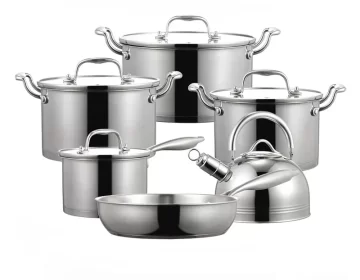
Mayorista de Batería de Cocina de Acero Inoxidable de 10 Piezas, Fabricante de Batería de Cocina de Acero Inoxidable de 10 Piezas
-
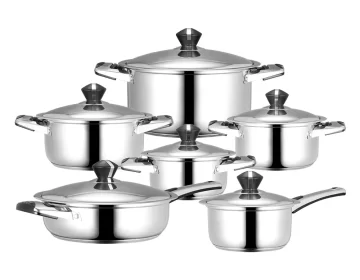
Juego de ollas y sartenes de 12 piezas Fabricante, Proveedor de juegos de ollas y sartenes de acero inoxidable
-
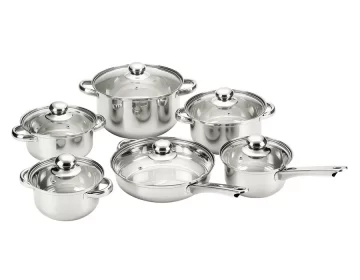
Juego de 12 piezas de ollas y sartenes con patas puntiagudas Mayorista - Batería de cocina de calidad para todas las cocinas
-
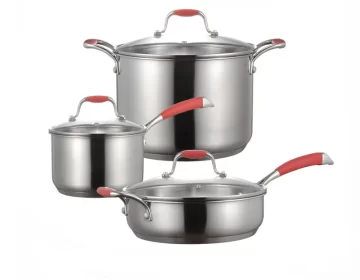
6 Piece Stainless Steel Cookware Set Manufacturing Plant, Custom Cooking Pot Set Mayorista