ES
ES  EN
EN  FR
FR  DE
DE  RU
RU  AR
AR  PT
PT  JA
JA  KO
KO 
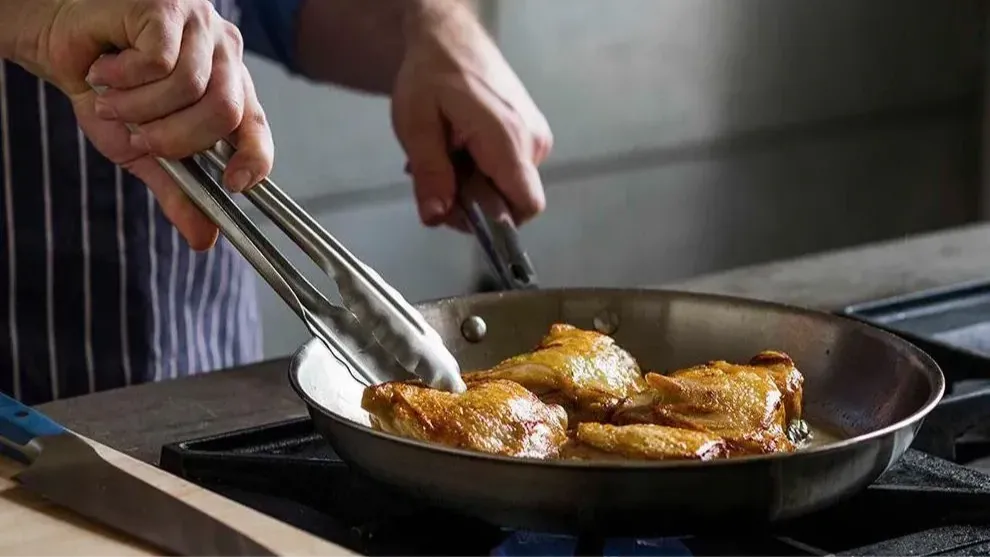
La mayoría de la gente elige una sartén basándose en la comodidad, el precio o la experiencia culinaria, no en la seguridad. Eso funciona a corto plazo, pero los utensilios de cocina están expuestos a repetidos ciclos de calor, aceites, ácidos y desgaste físico. Con el tiempo, estas condiciones determinan si una sartén permanece estable o empieza a degradarse.
En la seguridad de los utensilios de cocina influyen principalmente tres factores:
- Estabilidad del material al calor
- Presencia (o ausencia) de revestimientos químicos
- Normas de conformidad verificadas para el contacto con alimentos
Como fabricante profesional de utensilios de cocina al por mayor, Chancescook prometió que, una vez comprendidas en este artículo, la “sartén más segura” se convierte en una decisión estructurada y no en un reclamo de marketing.
¿Qué hace que una sartén sea segura? (Marco sencillo pero preciso)
Estabilidad térmica
Una sartén segura debe mantener su estructura a temperaturas normales de cocción sin romperse, deformarse ni liberar sustancias no deseadas.
Comportamiento en contacto con alimentos
La seguridad de los utensilios de cocina depende fundamentalmente de que los materiales se mantengan estables cuando entran en contacto con los alimentos, especialmente con ingredientes ácidos como el tomate, el vinagre o los cítricos.
Fiabilidad del revestimiento
Muchas sartenes modernas utilizan revestimientos. La cuestión clave no es si existen revestimientos, sino cómo se comportan con el tiempo bajo el calor y la abrasión.
Cumplimiento verificado
Certificaciones como Pruebas FDA, LFGB y SGS ayudan a confirmar si los materiales cumplen las normas de seguridad alimentaria reconocidas. Estas son especialmente relevantes para los utensilios de cocina importados o fabricados.
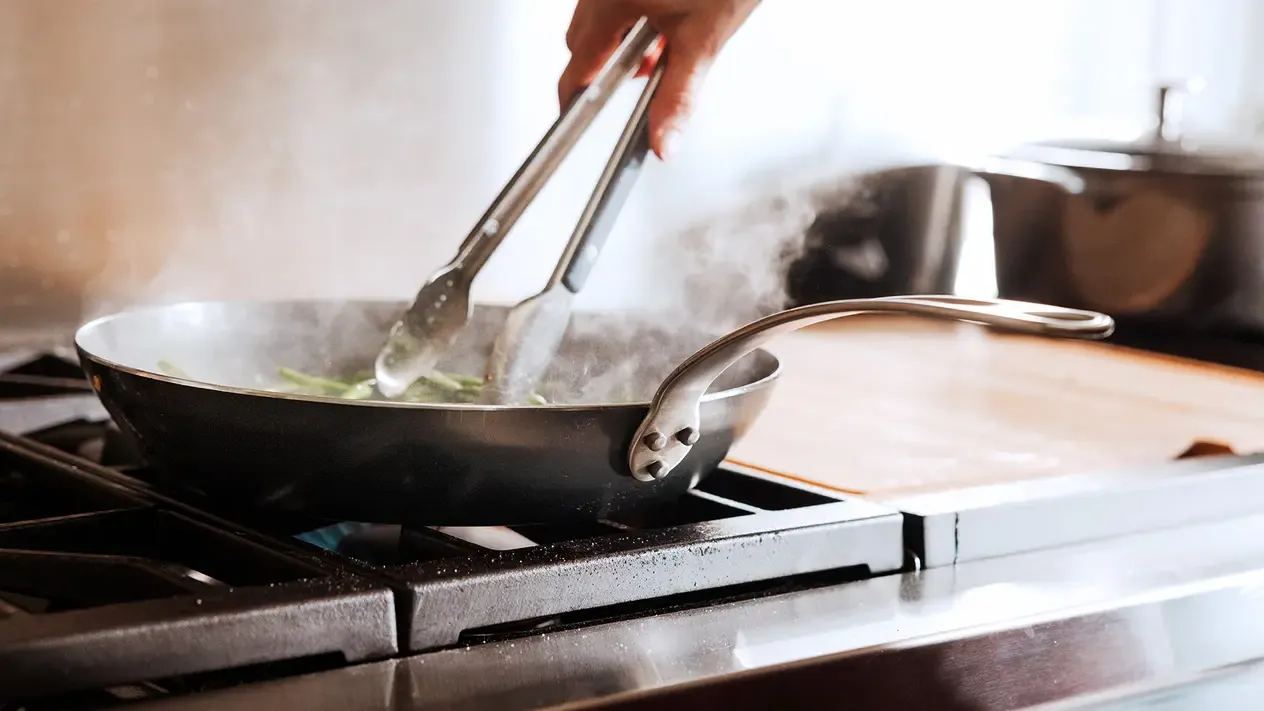
Comparación de materiales de sartenes: Seguridad y uso en el mundo real
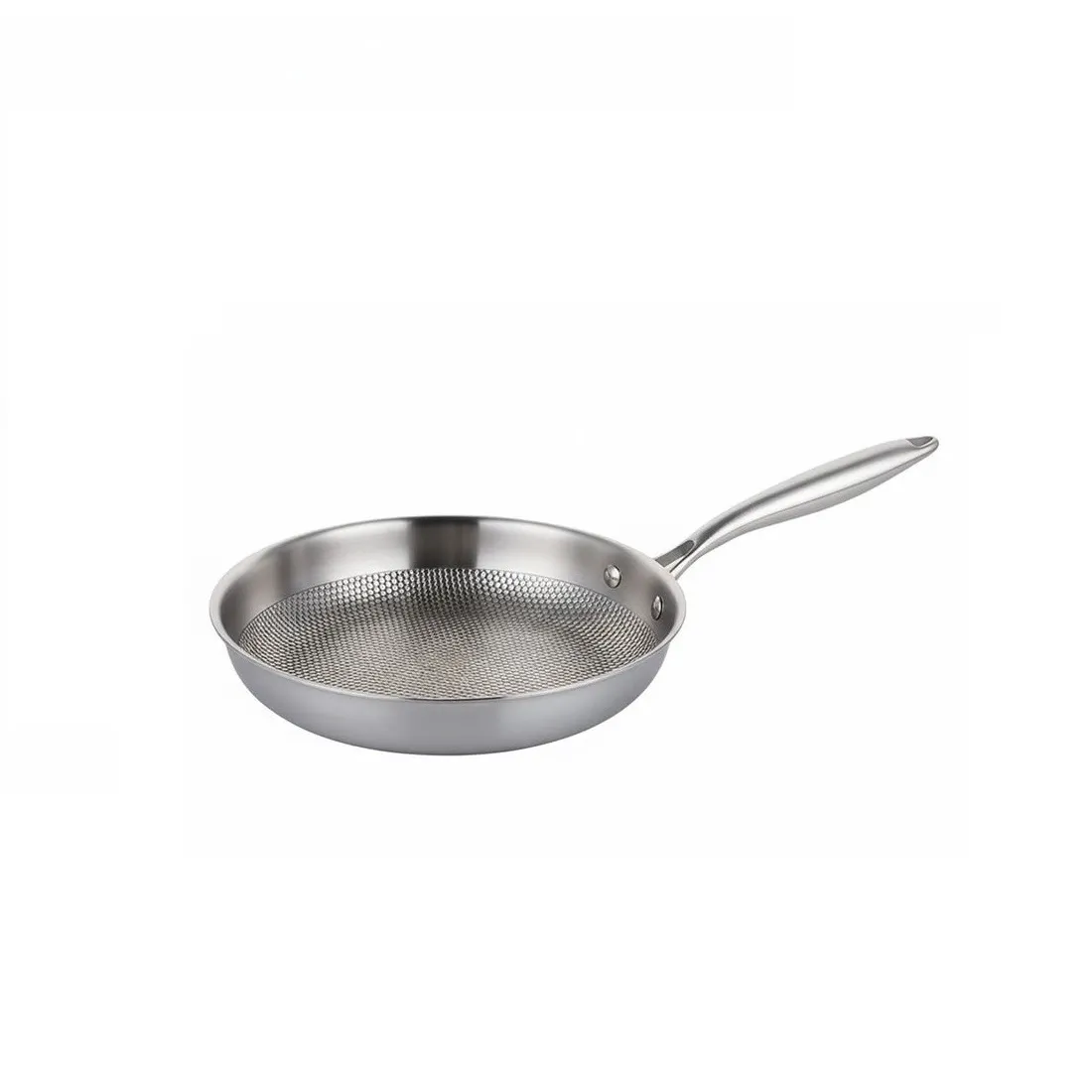
Sartenes de acero inoxidable (grado 304 / 316)
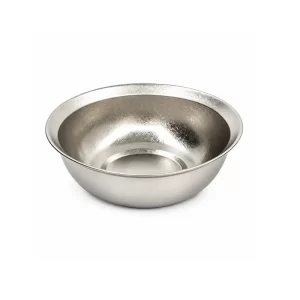
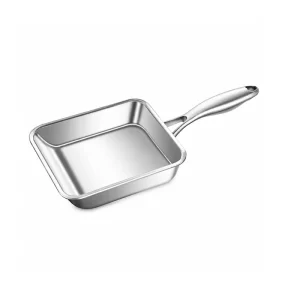
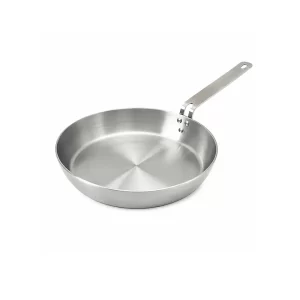
El acero inoxidable se considera la opción más estable a largo plazo para cocinar en casa. No depende de revestimientos, lo que significa que no hay riesgo de que se rompa la superficie o se degrade la capa química con el paso del tiempo.
Funciona bien a fuego alto, por lo que es adecuada para dorar, saltear y cocinar a diario. La principal curva de aprendizaje es el control de la temperatura: los alimentos pueden pegarse si la sartén no se precalienta correctamente.
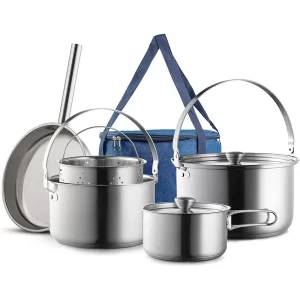
Desde el punto de vista de la seguridad, el acero inoxidable de calidad alimentaria (como el 304 o el 316) se utiliza mucho en las cocinas profesionales por su comportamiento uniforme y su larga vida útil. Muchos consumidores prefieren abastecerse de un [fabricante de utensilios de cocina de acero inoxidable] verificado para garantizar la consistencia de la calidad del material y el cumplimiento de la calidad alimentaria.
Sartenes antiadherentes (revestimientos PTFE / sin PFOA)
Las sartenes antiadherentes son populares porque son fáciles de usar y limpiar. Las versiones modernas suelen considerarse seguras para cocinar en casa si se usan correctamente.
La mayoría de los problemas se deben al sobrecalentamiento. A temperaturas excesivamente altas, los revestimientos pueden degradarse, razón por la cual los fabricantes especifican límites de temperatura.
Moderno Batería de cocina antiadherente sin PFOA ha reducido las preocupaciones químicas históricas, pero la limitación clave sigue siendo la durabilidad. Con el tiempo, los arañazos y el desgaste reducen el rendimiento del revestimiento, aunque los riesgos para la seguridad sigan siendo bajos en condiciones normales de uso.
Las sartenes antiadherentes son las más adecuadas para cocinar a fuego bajo o medio, como huevos, tortitas o alimentos delicados.
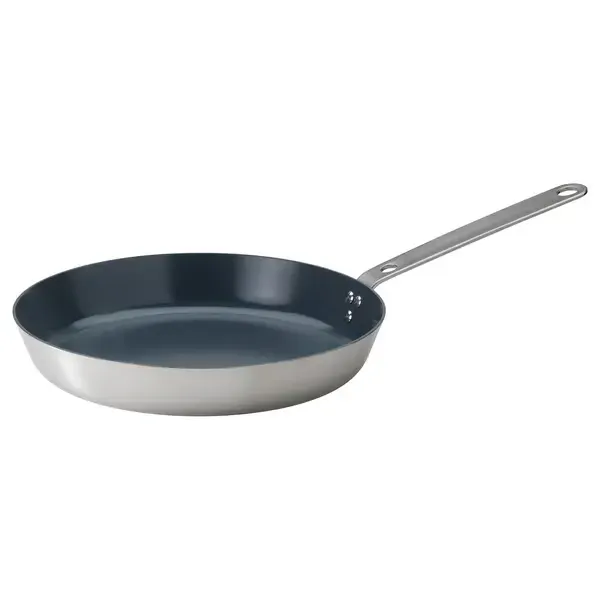
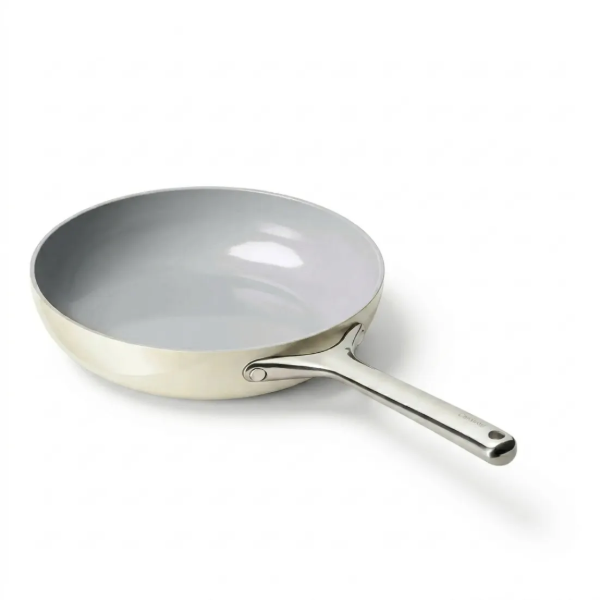
Sartenes con revestimiento cerámico
Las sartenes de cerámica se comercializan a menudo como una alternativa “natural” o “no tóxica”. En los primeros usos, funcionan bien y ofrecen un buen comportamiento antiadherente sin los revestimientos tradicionales de PTFE.
Sin embargo, su principal limitación es la durabilidad. El revestimiento pierde eficacia gradualmente debido al microdesgaste y a la degradación de la superficie. Esto no los hace inmediatamente inseguros, pero sí reduce la consistencia a largo plazo.
Para los hogares que dan prioridad a la comodidad a corto plazo frente a la estabilidad a largo plazo, la cerámica puede ser una opción razonable.
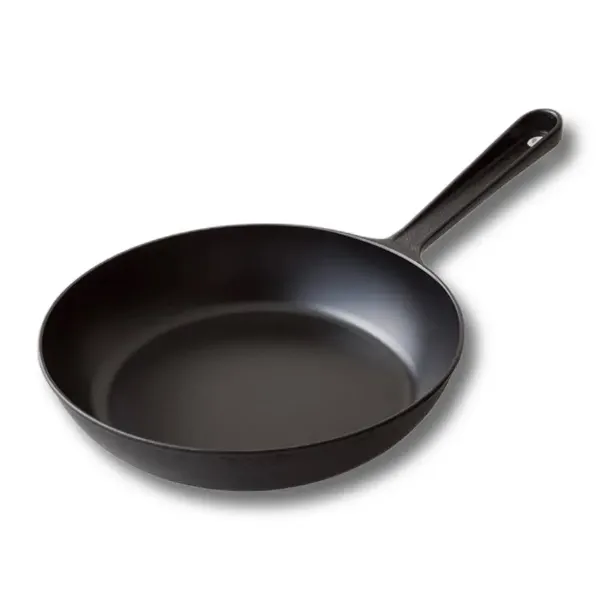
Sartenes de hierro fundido
El hierro fundido es uno de los materiales de cocina más antiguos y estables. No contiene revestimientos sintéticos y puede durar décadas si se mantiene adecuadamente.
Su seguridad se debe a la estabilidad del material y a una capa de curado natural formada por la polimerización del aceite. Sin embargo, requiere mantenimiento y una limpieza cuidadosa para evitar la oxidación.
También puede aumentar ligeramente el contenido de hierro en los alimentos, lo que no suele ser perjudicial para la mayoría de los usuarios, pero puede no adaptarse a todas las preferencias dietéticas.
El hierro fundido es mejor para los usuarios que dan prioridad a la durabilidad frente a la comodidad.
¿Cuál es la sartén más segura?
Si la seguridad se define como estabilidad del material a largo plazo con un riesgo mínimo de degradación, entonces el acero inoxidable es la opción más coherente.
Sin embargo, “más seguro” depende del uso:
- Para una estabilidad máxima a largo plazo: Acero inoxidable
- Para cocinar cómodamente y a baja temperatura: Antiadherente (sin PFOA)
- Para una cocina duradera y tradicional: Hierro fundido o acero al carbono
- Para una alternativa ligera de revestimiento natural: Cerámica
No existe un único ganador universal basado en el comportamiento culinario.
Por qué el acero inoxidable se considera la opción más segura a largo plazo
El acero inoxidable evita el principal factor de riesgo que presentan otros tipos de utensilios de cocina: los revestimientos. Al ser una aleación sólida y no un sistema de capas superficiales, no se degrada de la misma manera con el calor.
El acero inoxidable de calidad alimentaria se utiliza ampliamente en entornos institucionales y profesionales porque mantiene un rendimiento predecible a lo largo de ciclos de uso prolongados.
En términos de fabricación, la calidad constante depende en gran medida del control de la producción y el abastecimiento de materiales, razón por la cual muchos compradores prefieren trabajar con un [proveedor de utensilios de cocina de acero inoxidable] verificado a la hora de seleccionar soluciones de utensilios de cocina a largo plazo.
Certificaciones de seguridad a las que debe prestar atención
Incluso para los usuarios domésticos, las certificaciones son una señal importante de seguridad y control de calidad.
- Certificación de la FDA - Confirma las normas de seguridad en contacto con alimentos para el mercado de EE.UU.
- Certificación LFGB - Una de las normas europeas de seguridad alimentaria más estrictas
- Pruebas SGS - Verificación independiente de la composición de los materiales y de las declaraciones de seguridad
Cuando los utensilios de cocina afirman ser seguros pero carecen de toda verificación, el riesgo no es un daño inmediato, es comportamiento desconocido a largo plazo.
Guía práctica de compra para usuarios domésticos y cocinas comerciales
A la hora de elegir una sartén, los criterios de decisión son similares, pero el la ponderación de prioridades es diferente entre usuarios domésticos y cocinas comerciales.
Para usuarios domésticos
Centrarse en:
- Tipo de material (acero inoxidable, antiadherente, cerámica, etc.)
- Temperatura de cocción prevista (calor bajo frente a calor alto)
- Facilidad de mantenimiento (limpieza, condimentación, cuidado)
- Certificaciones de seguridad o fiabilidad de la marca
Si el objetivo es la fiabilidad a largo plazo con una preocupación mínima por el desgaste o la degradación del revestimiento, el acero inoxidable sigue siendo la opción estructuralmente más estable para el uso diario.
Para cocinas comerciales
La decisión pasa de la conveniencia a la rendimiento, durabilidad y coherencia. Centrarse en:
- Alto rendimiento térmico y estabilidad térmica
- Durabilidad en condiciones de uso continuo y frecuente
- Coherencia en múltiples unidades y estaciones
- Cumplimiento de las normas de seguridad alimentaria (FDA, LFGB, etc.)
En entornos profesionales, el acero inoxidable y el acero al carbono dominan porque mantienen el rendimiento bajo presión y reducen la frecuencia de sustitución.
Conclusión: La seguridad es cuestión de estabilidad, no de marketing
La sartén más segura no se define por afirmaciones como “no tóxica” o “ecológica”. Se define por cómo se comporta el material en condiciones reales de cocción a lo largo del tiempo.
- El acero inoxidable ofrece estabilidad estructural y fiabilidad a largo plazo
- El antiadherente ofrece comodidad con limitaciones de uso
- El hierro fundido y el acero al carbono ofrecen durabilidad con requisitos de mantenimiento
- La cerámica ofrece un uso a corto plazo con una longevidad moderada
La decisión más importante no es elegir una sartén “perfecta”, sino elegir la que se adapte a sus hábitos culinarios y a su tolerancia al riesgo.
PREGUNTAS FRECUENTES
¿Cuál es la sartén más segura para cocinar a diario?
El acero inoxidable suele considerarse la opción más estable a largo plazo por su ausencia de revestimientos y su resistencia al calor.
¿Son seguros para la salud los utensilios de cocina antiadherentes?
Sí, a temperaturas de cocción normales. Los problemas de seguridad se derivan principalmente del sobrecalentamiento o de revestimientos dañados.
¿Qué sartén utilizan los cocineros profesionales?
La mayoría de las cocinas profesionales apuestan por el acero inoxidable y el acero al carbono debido a su durabilidad y rendimiento térmico.
¿Es mejor la cerámica que el antiadherente?
La cerámica reduce ciertos problemas de revestimiento, pero suele desgastarse más rápidamente que otros materiales.
¿Necesito un certificado para comprar utensilios de cocina?
Certificaciones como FDA, LFGB y SGS verifican los niveles de seguridad, especialmente importantes en el caso de los utensilios de cocina importados o producidos en serie.
Acerca de Chancecook
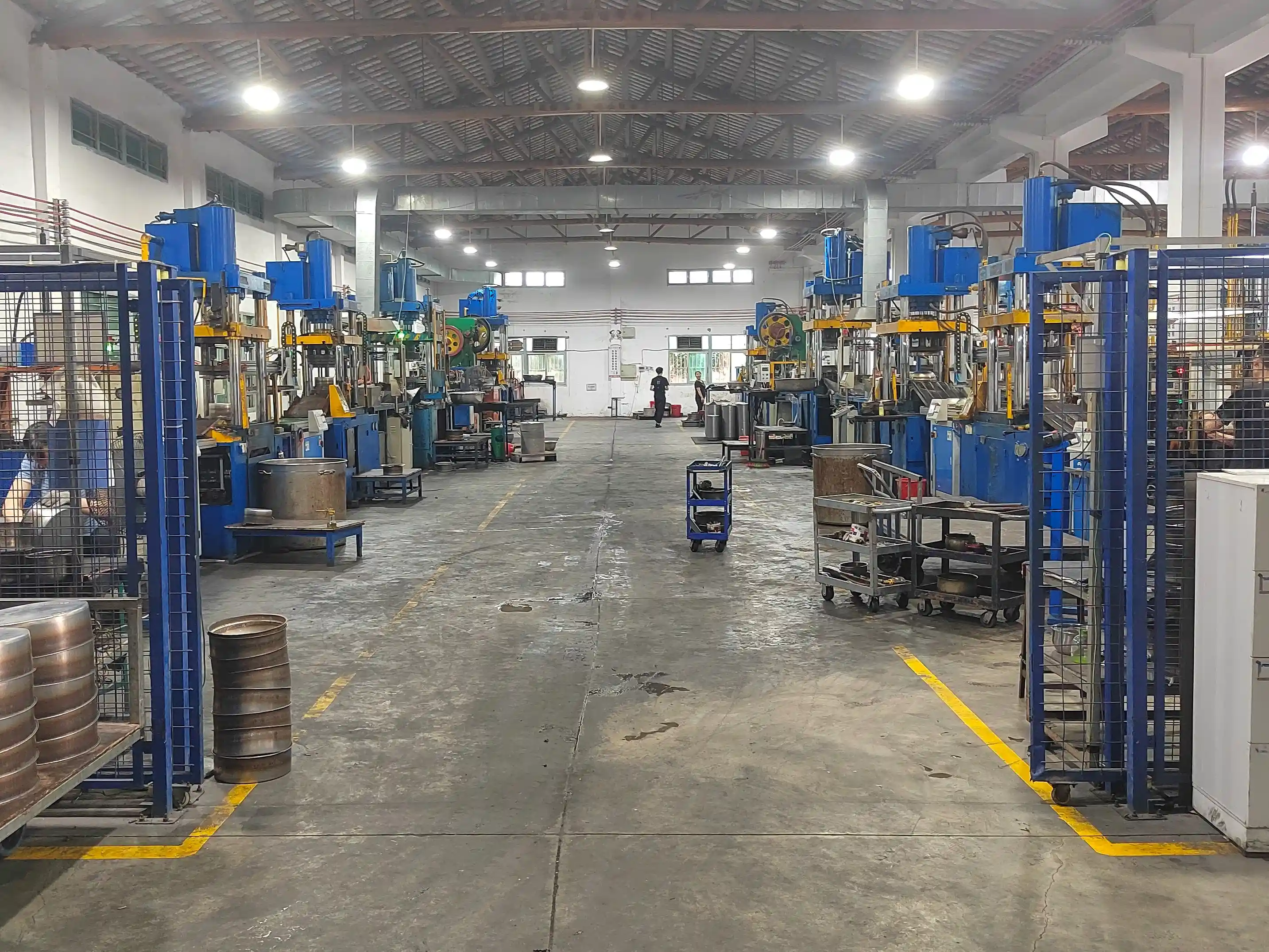
Chancescook es un mayorista de utensilios de cocina proporcionando soluciones de categoría completa para compradores B2B. Gracias al control directo de la fábrica, garantizamos una calidad estable de los materiales, unos estándares de producción coherentes y un rendimiento fiable a largo plazo en todas las líneas de acero inoxidable, antiadherentes y utensilios de cocina especiales. Nuestro sistema integrado de fabricación garantiza un estricto control de calidad, la conformidad certificada para el contacto con alimentos y un suministro escalable.
Ofrecemos Personalización de sartenes OEM/ODM cubriendo la estructura, los materiales y la marca para satisfacer las diferentes necesidades del mercado. Centrados en el servicio y la coherencia, ayudamos a distribuidores, marcas y compradores comerciales a reducir el riesgo de abastecimiento, mantener la estabilidad del producto y crear sistemas de productos de menaje de cocina fiables.