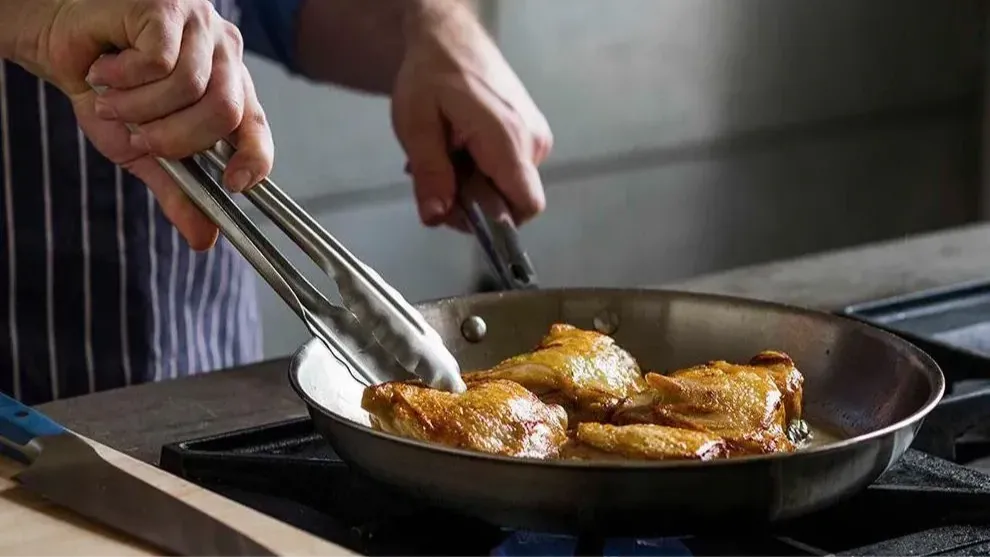
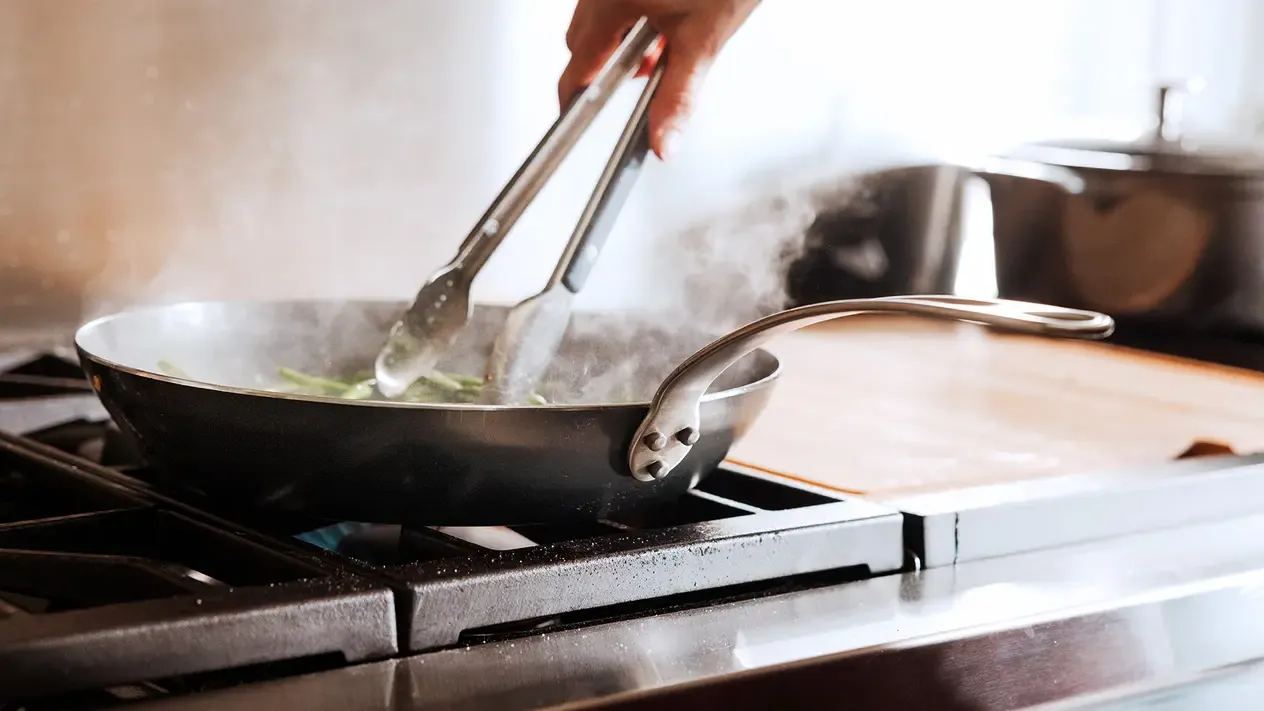
What is the Safest Frying Pan to Use?

what is the safest frying pan

Most people choose a frying pan based on convenience, price, or cooking experience—not safety. That works in the short term, but cookware is exposed to repeated heat cycles, oils, acids, and physical wear. Over time, these conditions determine whether a pan remains stable or begins to degrade.

Safety in cookware is mainly influenced by three factors:

  • Material stability under heat
  • Presence (or absence) of chemical coatings
  • Verified food-contact compliance standards

として プロ向け業務用調理器具メーカー, Chancescook promised that once you understand these in this article, the “safest frying pan” becomes a structured decision rather than a marketing claim.

What Makes a Frying Pan Safe? (Simple but Accurate Framework)

Heat Stability

A safe frying pan must maintain its structure under normal cooking temperatures without breaking down, warping, or releasing unwanted substances.

Food Contact Behavior

Cookware safety is fundamentally about whether materials remain stable when they come into contact with food—especially acidic ingredients like tomatoes, vinegar, or citrus.

Coating Reliability

Many modern pans rely on coatings. The key issue is not whether coatings exist, but how they behave over time under heat and abrasion.

Verified Compliance

Certifications like FDA, LFGB, and SGS testing help confirm whether materials meet recognized food safety standards. These are especially relevant for imported or manufactured cookware.

Comparing Frying Pan Materials: Safety and Real-World Use

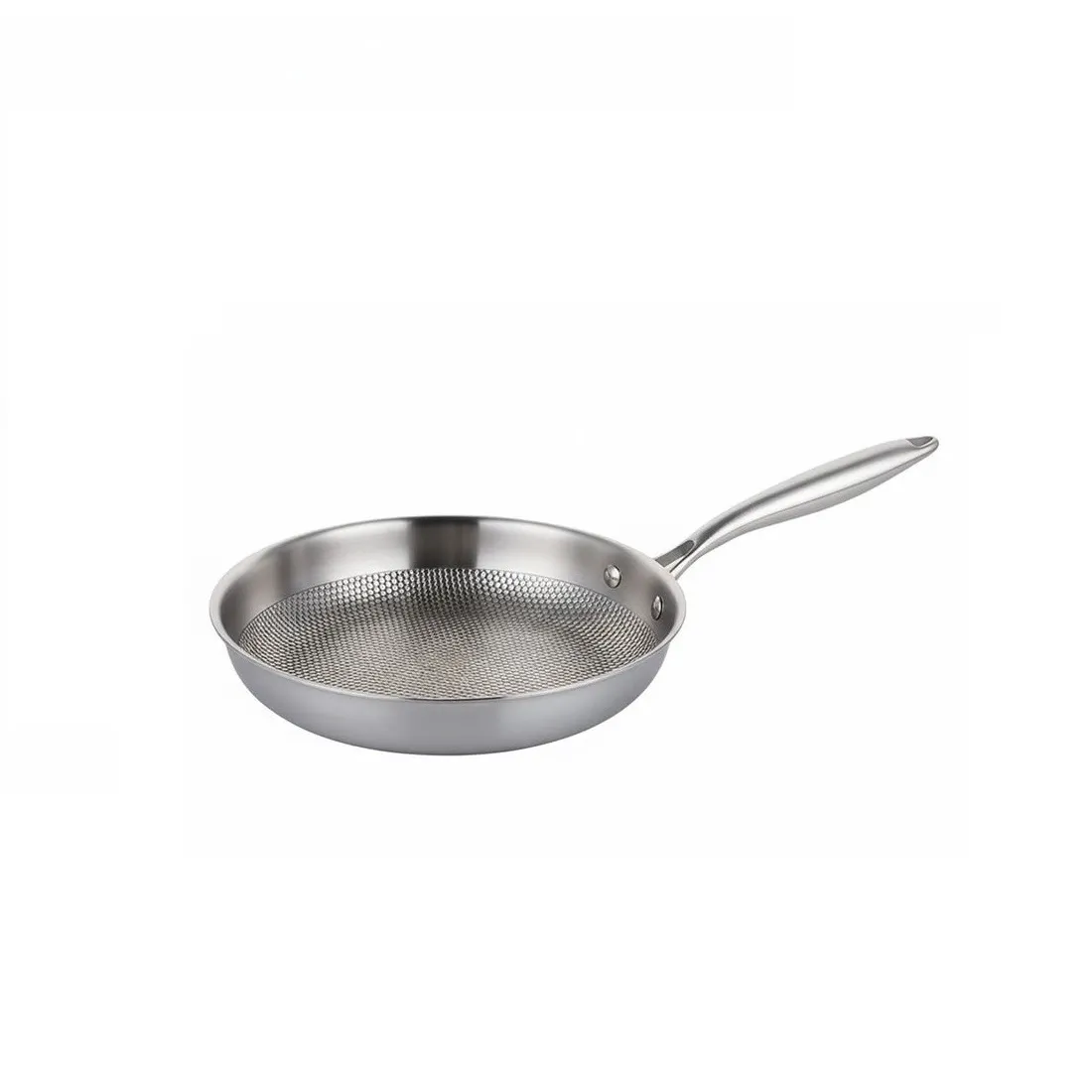
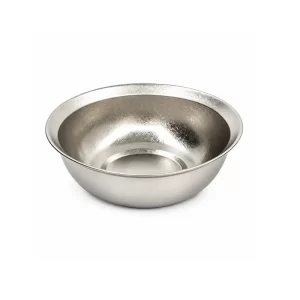
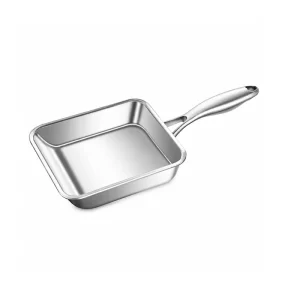
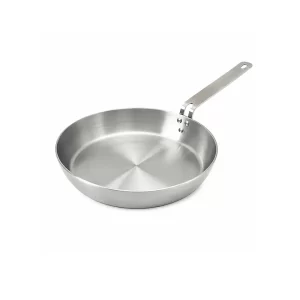
Stainless Steel Frying Pans (304 / 316 Grade)

Stainless steel is widely considered the most stable long-term option for home cooking. It does not rely on coatings, which means there is no risk of surface breakdown or chemical layer degradation over time.

It performs well under high heat, making it suitable for searing, sautéing, and everyday cooking. The main learning curve is temperature control—food can stick if the pan is not preheated properly.

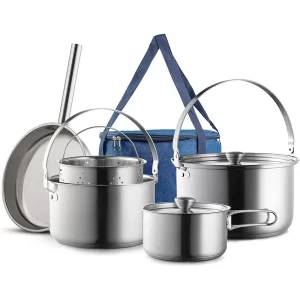
From a safety perspective, food-grade stainless steel (such as 304 or 316) is widely used in professional kitchens because of its consistent behavior and long service life. Many consumers prefer sourcing from a verified [stainless steel cookware manufacturer] to ensure material quality consistency and food-grade compliance.

Hammered Stainless Steel Frying Pan Wholesale
ステンレスフライパン

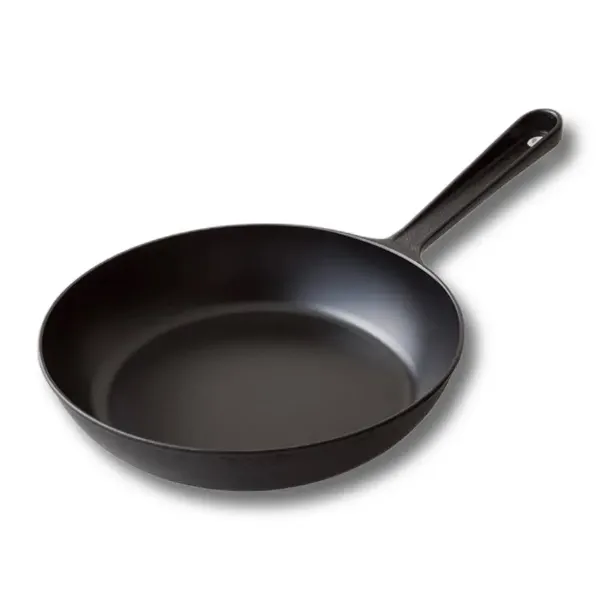
Non-Stick Frying Pans (PTFE / PFOA-Free Coatings)

Non-stick pans are popular because they are easy to use and clean. Modern versions are generally considered safe for home cooking when used correctly.

Most concerns come from overheating. At excessively high temperatures, coatings can degrade, which is why manufacturers specify temperature limits.

Modern PFOA-free nonstick cookware has reduced historical chemical concerns, but the key limitation remains durability. Over time, scratching and wear reduce coating performance, even if safety risks remain low under normal use.

Non-stick pans are best suited for low-to-medium heat cooking, such as eggs, pancakes, or delicate foods.

Non-Stick Frying Pan

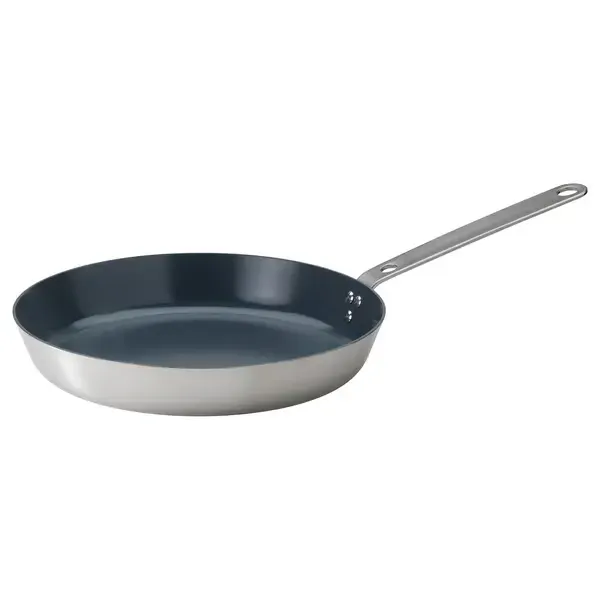
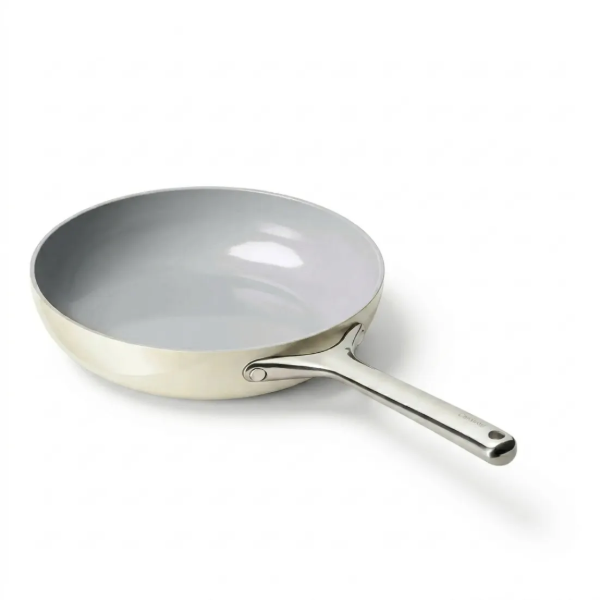
Ceramic-Coated Frying Pans

Ceramic pans are often marketed as a “natural” or “non-toxic” alternative. In early use, they perform well and offer good non-stick behavior without traditional PTFE coatings.

However, their main limitation is durability. The coating gradually loses effectiveness due to micro-wear and surface degradation. This does not immediately make them unsafe, but it does reduce long-term consistency.

For households prioritizing short-term convenience over long-term stability, ceramic can be a reasonable option.

Ceramic-Coated Frying Pan

Cast Iron Frying Pans

Cast iron is one of the oldest and most stable cookware materials. It contains no synthetic coatings and can last decades if properly maintained.

Its safety comes from material stability and a natural seasoning layer formed through oil polymerization. However, it requires maintenance and careful cleaning to prevent rusting.

It may also slightly increase iron content in food, which is generally not harmful for most users but may not suit all dietary preferences.

Cast iron is best for users who prioritize durability over convenience.

Cast-Iron Frying Pan

So Which Frying Pan Is the Safest?

If safety is defined as long-term material stability with minimal risk of degradation, then stainless steel is the most consistent option.

However, “safest” depends on usage:

  • For maximum long-term stability: ステンレス
  • For convenience and low-heat cooking: Non-stick (PFOA-free)
  • For durability and traditional cooking: Cast iron or carbon steel
  • For a lightweight natural coating alternative: Ceramic

There is no single universal winner—only trade-offs based on cooking behavior.

Why Stainless Steel Is Considered the Safest Long-Term Option

Stainless steel avoids the main risk factor found in other cookware types: coatings. Because it is a solid alloy rather than a layered surface system, it does not degrade in the same way under heat.

Food-grade stainless steel is widely used in institutional and professional environments because it maintains predictable performance across long usage cycles.

In manufacturing terms, consistent quality depends heavily on production control and material sourcing, which is why many buyers prefer working with a verified [stainless steel cookware supplier] when selecting long-term cookware solutions.

Safety Certifications You Should Pay Attention To

Even for home users, certifications are an important signal of safety and quality control.

  • FDA certification – Confirms food-contact safety standards for the U.S. market
  • LFGB certification – One of the strictest European food safety standards
  • SGS testing – Independent verification of material composition and safety claims

When cookware claims safety but lacks any verification, the risk is not immediate harm—it is unknown long-term behavior.

Practical Buying Guide for Home Users and Commercial Kitchens

When choosing a frying pan, the decision criteria are similar, but the priority weighting is different between home users and commercial kitchens.

For Home Users

Focus on:

  • Material type (stainless steel, non-stick, ceramic, etc.)
  • Intended cooking temperature (low vs high heat)
  • Ease of maintenance (cleaning, seasoning, care)
  • Safety certifications or brand reliability

If the goal is long-term reliability with minimal concern about coating wear or degradation, stainless steel remains the most structurally stable option for everyday use.

For Commercial Kitchens

The decision shifts from convenience to output, durability, and consistency. Focus on:

  • High-heat performance and thermal stability
  • Durability under continuous, high-frequency use
  • Consistency across multiple units and stations
  • Compliance with food safety standards (FDA, LFGB, etc.)

In professional environments, stainless steel and carbon steel dominate because they maintain performance under pressure and reduce replacement frequency.

Conclusion: Safety Is About Stability, Not Marketing

The safest frying pan is not defined by claims like “non-toxic” or “eco-friendly.” It is defined by how the material behaves under real cooking conditions over time.

  • Stainless steel offers structural stability and long-term reliability
  • Non-stick offers convenience with usage limitations
  • Cast iron and carbon steel offer durability with maintenance requirements
  • Ceramic offers short-term usability with moderate longevity

The most important decision is not choosing a “perfect” pan, but choosing the one that matches your cooking habits and risk tolerance.

よくあるご質問

What is the safest frying pan for everyday cooking?

Stainless steel is generally considered the most stable long-term option due to its lack of coatings and heat resistance.

Is non-stick cookware safe for health?

Yes, under normal cooking temperatures. Safety concerns arise mainly from overheating or damaged coatings.

What frying pan do professional chefs use?

Most professional kitchens rely on stainless steel and carbon steel due to durability and heat performance.

Is ceramic cookware better than non-stick?

Ceramic reduces certain coating concerns but typically wears out faster than other materials.

Do I need certification when buying cookware?

Certifications like FDA, LFGB, and SGS provide verification of safety standards, especially important for imported or mass-produced cookware.

About Chancecook

卸売鍋メーカー

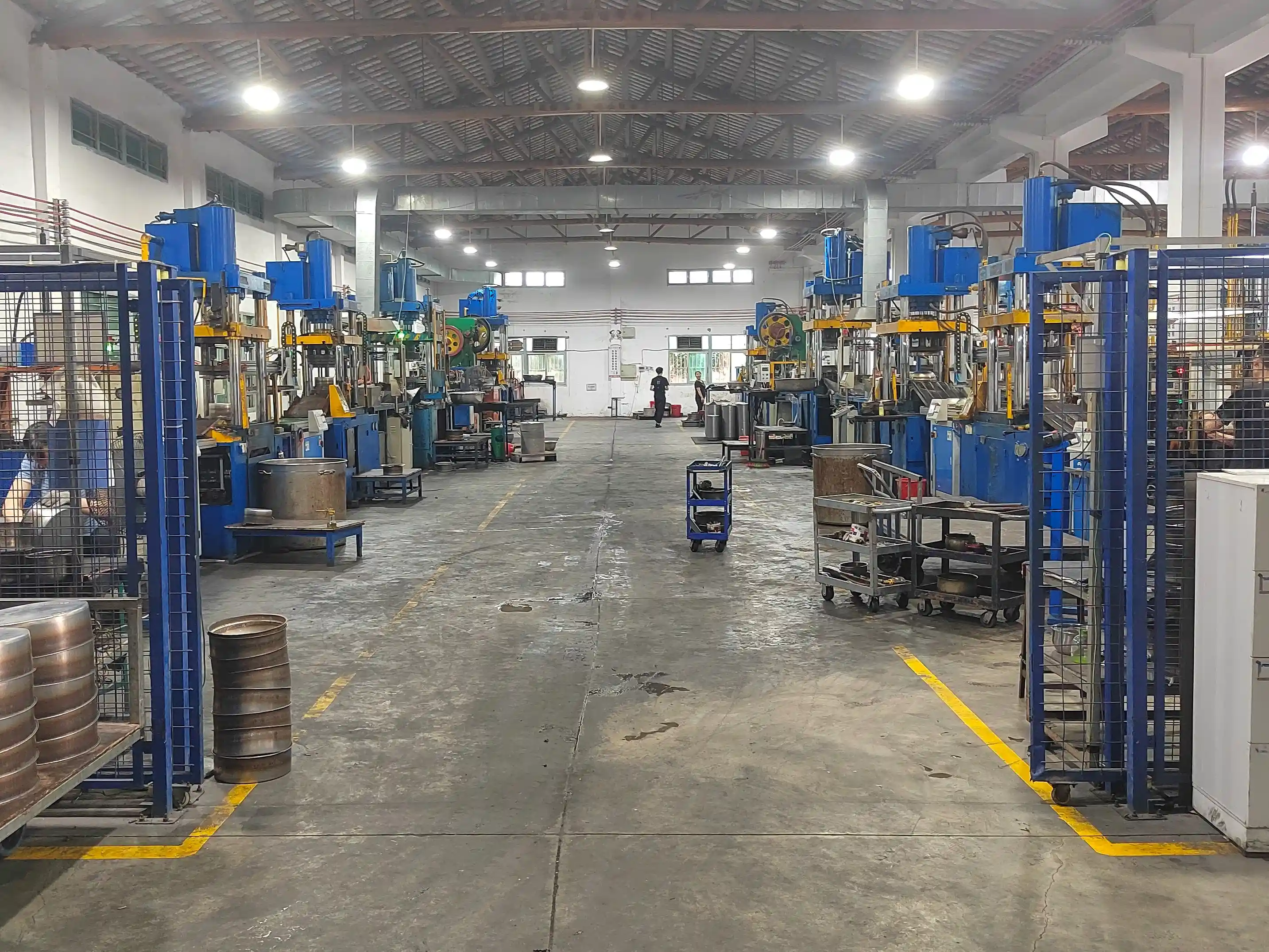
チャンスクックは 卸売調理器具メーカー providing full-category solutions for B2B buyers. With direct factory control, we ensure stable material quality, consistent production standards, and reliable long-term performance across stainless steel, non-stick, and specialty cookware lines. Our integrated manufacturing system supports strict quality control, certified food-contact compliance, and scalable supply.

我々は以下を提供する OEM/ODM frying pan customization covering structure, materials, and branding to match different market needs. Focused on service and consistency, we help distributors, brands, and commercial buyers reduce sourcing risk, maintain product stability, and build reliable cookware product systems.

お問い合わせ

無料見積もり依頼

私たちの卸売調理器具製品についての詳細情報をご希望の場合は、お問い合わせください!

+86-13827336819
ご遠慮なくお電話ください。
jackylin21190@163.com
ご遠慮なくお問い合わせください。
工場所在地
中国広東省潮州市蔡塘鎮虹旗村雨亭後麓
お問い合わせ

無料見積もり依頼

私たちの卸売調理器具製品についての詳細情報をご希望の場合は、お問い合わせください!

+86-13827336819
ご遠慮なくお電話ください。
jackylin21190@163.com
ご遠慮なくお問い合わせください。
工場所在地
中国広東省潮州市蔡塘鎮虹旗村雨亭後麓