JA
JA  EN
EN  FR
FR  DE
DE  RU
RU  AR
AR  ES
ES  PT
PT  KO
KO 
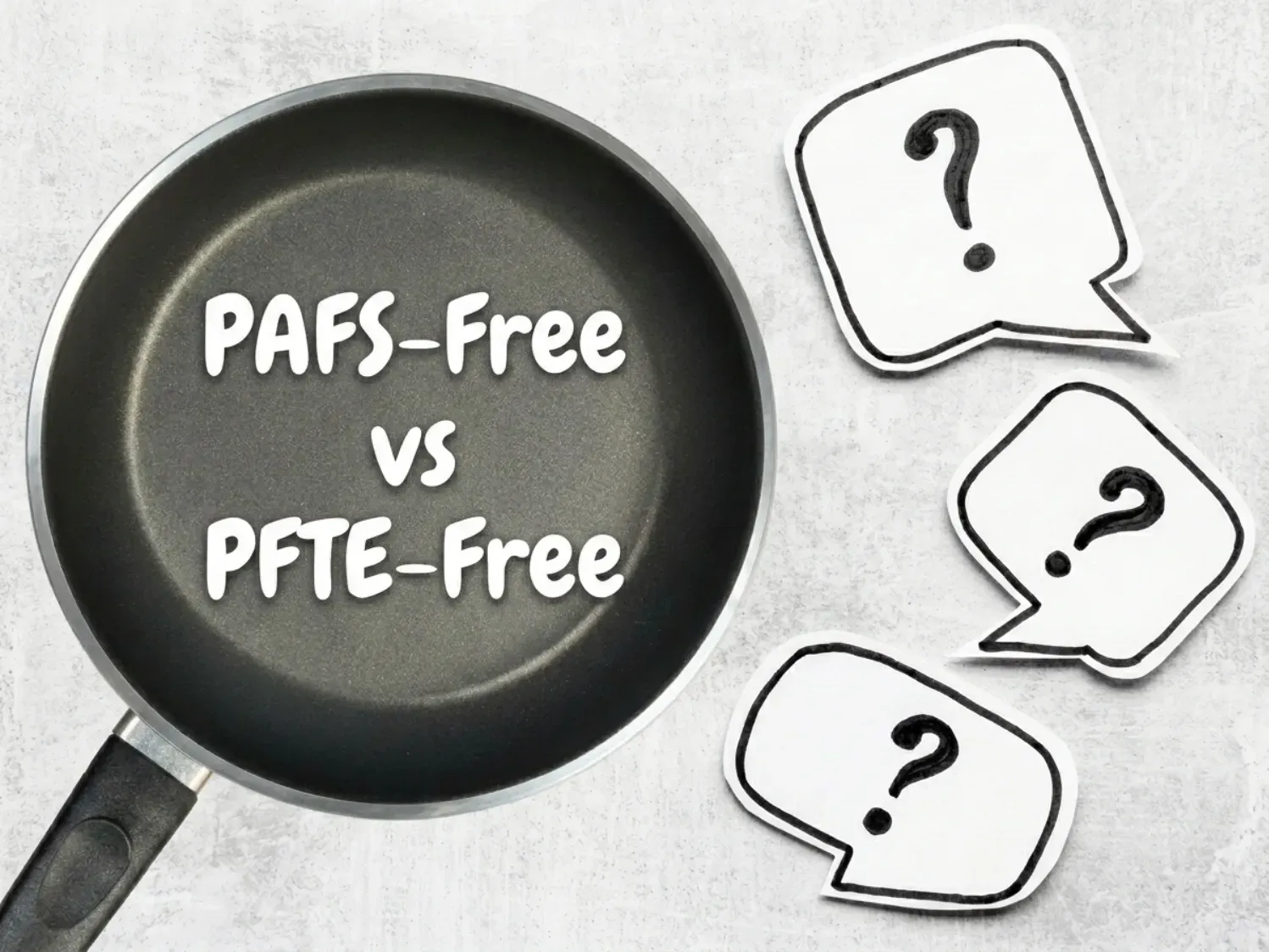
2026年、調理器具の調達において、価格や性能だけが判断基準ではなくなっている。規制の圧力、環境問題への懸念、そして消費者の意識の高まりにより、「PFASフリー」や「PTFEフリー」の調理器具が、調達決定の中心的な要素となりつつある。.
しかし、多くの購入者はこれらの用語を誤解しています。多くの人が、これらを同じ意味だと考えたり、それらが自動的により安全で高品質な製品であることを示していると決めつけたりしています。.
実のところ、そうではないのです。.
卸売業者、流通業者、ブランドオーナーにとって、真の課題は、これらの用語が実際に何を意味するのか、それらが製品の性能にどのような影響を与えるのか、そしてサプライヤーの主張をどのように検証すべきかを理解することです。.
この記事では、Chancesと共同で、 卸売調理器具メーカー, 2026年に購入者が適切な調達判断を下すために必要な、技術的な違い、性能面でのトレードオフ、および調達戦略について詳しく解説しています。.
用語の概要:PFASとPTFE
PFASとは何ですか?
PFAS(パーフルオロアルキル物質およびポリフルオロアルキル物質)とは、耐熱性、耐油性、耐水性を持つことから使用される、フッ素系化学物質の広範なグループを指します。調理器具において、PFASは主にノンスティックコーティングに関連しています。.
これらの物質は、環境中で容易に分解されないことから、しばしば「フォーエバー・ケミカル」と呼ばれています。この難分解性により、特にEUや北米では、規制面での監視がますます厳しくなっています。.
PTFEとは何ですか?
PTFE(ポリテトラフルオロエチレン)は、PFASファミリーに属する特定の種類のフッ素樹脂です。その優れた離型性から、従来のノンスティック調理器具に広く使用されています。.
具体的には:
- すべてのPTFEコーティングはPFAS系です
- しかし、すべてのPFASがPTFEというわけではない
この区別は、調達に関する意思決定において極めて重要です。.
主な違い:PFASフリーとPTFEフリー
- PFAS不使用の調理器具: 意図的に添加されたフッ素化化学物質は含まれていません
- PTFE不使用の調理器具: PTFEは使用していませんが、その他のフッ素系物質が使用されている可能性があります
つまり、「PTFEフリー」であるからといって、PFASに関連する懸念がすべて解消されるわけではないということです。「PTFEフリー」という表示だけを頼りにしている購入者は、依然としてフッ素樹脂ベースの製品を調達している可能性があるのです。.
調理器具のどこにPFASやPTFEが含まれているか
PFAS系材料は、主に以下のものに含まれています:
- 従来のノンスティックフライパン
- フッ素樹脂コーティングを施したアルミニウム製調理器具
- 「お手入れが簡単」あるいは汚れに強いとされるコーティングの一部
対照的に、一般的にPFASが含まれていない調理器具のカテゴリーには、次のようなものがあります:
- ステンレス調理器具
- 鋳鉄および炭素鋼
- ガラス製調理器具
- コーティングを施していない、全面金属製の調理器具
~と取引している買い手にとっては、 ノンスティック調理器具メーカー, 、一般的な「焦げ付き防止」という主張に頼るのではなく、コーティングの正確な化学的性質を明らかにすることが不可欠です。.
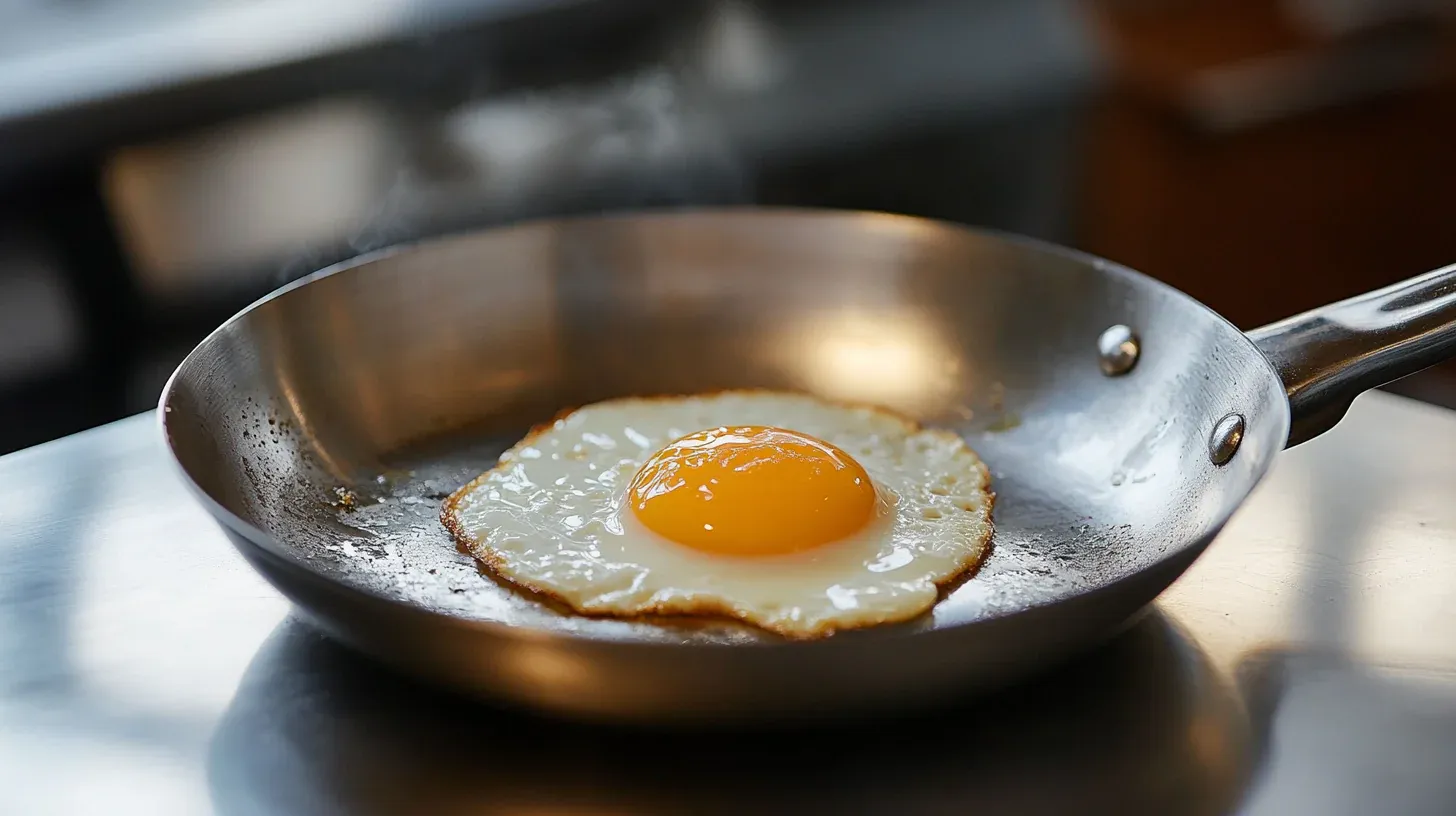
性能比較:PFASフリーとPTFEフリーの調理器具
ノンスティック性能
PTFE系コーティングは、依然として非粘着性能の基準となっています。表面摩擦が極めて低いため、最小限の油で食材が簡単に剥がれます。.
PFASフリーの調理器具は、その定義上、フッ素化化学物質を使用していません。これには、ステンレス、鋳鉄、セラミックコーティングなどが含まれます。.
- ステンレス:焦げ付き防止効果はないため、調理のコツが必要
- セラミックコーティング:適度な非粘着性があるが、経時的な安定性は低い
重要な事実: PFASを含まない調理器具は、一般的にPTFE並みの非粘着性能には及ばない。.
耐熱性
PTFE不使用だからといって、必ずしも耐熱性が高いとは限りません。それは、PTFEの代わりに何が使われているかによって異なります。.
- PTFEを含まない一部のコーティング(セラミックなど)は、PTFEよりも高い温度に耐えることができる
- コーティングを施していないPFASフリーの素材(ステンレス鋼、鋳鉄)は、最も高い耐熱性を備えています
PFASを含まない調理器具、特に金属製のものは、次のような場合に適しています:
- 灼熱の
- 高温調理
- 業務用厨房環境
耐久性と耐用年数
PTFEを含まない調理器具の性能は、素材によって大きく異なります:
- セラミックコーティング:時間の経過とともに摩耗や性能低下が生じやすい
- ハイブリッドコーティング:耐久性は向上したが、依然としてコーティングの種類に依存する
- ステンレス鋼/鋳鉄(PFAS不使用):適切に使用すれば長持ちします
コーティングを施していないPFASフリーの調理器具は、劣化しやすい表面層がないため、一般的に最も耐久性が高いと言えます。.
保守要件
PTFEを含まない調理器具は、多くの場合、ユーザーによる手間がより多く必要となります:
- ステンレス鋼:適切な予熱と油分の管理が必要
- 鋳鉄:焼き付けと手入れが必要
- セラミック:コーティングの耐久性を保つためには、取り扱いには細心の注意が必要です
一方、PTFEコーティングは使いやすさでは優れていますが、損傷を防ぐためには慎重な取り扱いが必要です
比較概要表
| ファクター | PTFE不使用の調理器具 | PFAS不使用の調理器具 |
|---|---|---|
| 焦げ付き防止性能 | 中程度(セラミック)から低程度(金属) | 中程度~低程度 |
| 耐熱性 | 中~高(素材によって異なる) | 高(材料に依存) |
| 耐久性 | 中程度(コーティングに依存) | 高い(特にコーティングされていないもの) |
| メンテナンス | 中程度 | 中程度~高 |
| コーティングへの依存性 | 減少、またはなし | なし、または減少 |
調達に関する洞察:
「PTFEフリー」は性能区分ではなく、化学物質の除外区分です。購入者は、単に何が除去されたかだけでなく、PTFEの代わりに何が使用されているかを評価する必要があります。.
健康および規制上の考慮事項
購入者が知っておくべきこと
通常の調理温度では、PTFEコーティングは一般的に安定していると見なされています。しかし、以下の条件下ではリスクが高まります:
- オーバーヒート
- 表面の損傷
- 長期間の着用
PFASに関する懸念は、通常の使用時よりも、環境やライフサイクルの観点においてより重大である。.
規制動向
- EUは、複数の産業分野にわたってPFASの規制を強化している
- 米国は監視および情報開示の要件を強化している
- 世界的なブランド各社は、PFASを含まない製品ラインへの移行を進めている
これにより、輸入業者や流通業者にとって、長期的な調達面での影響が生じることになります。.
現実的なリスクシナリオ
最も一般的な故障の原因は化学的なものではなく、運用上のものです:
- 過熱したノンスティックフライパン
- 塗装の傷
- 質の低い製造工程
これは、重要な原則を改めて裏付けるものです。すなわち、材料の選択だけでは安全性が保証されるわけではないということです。.
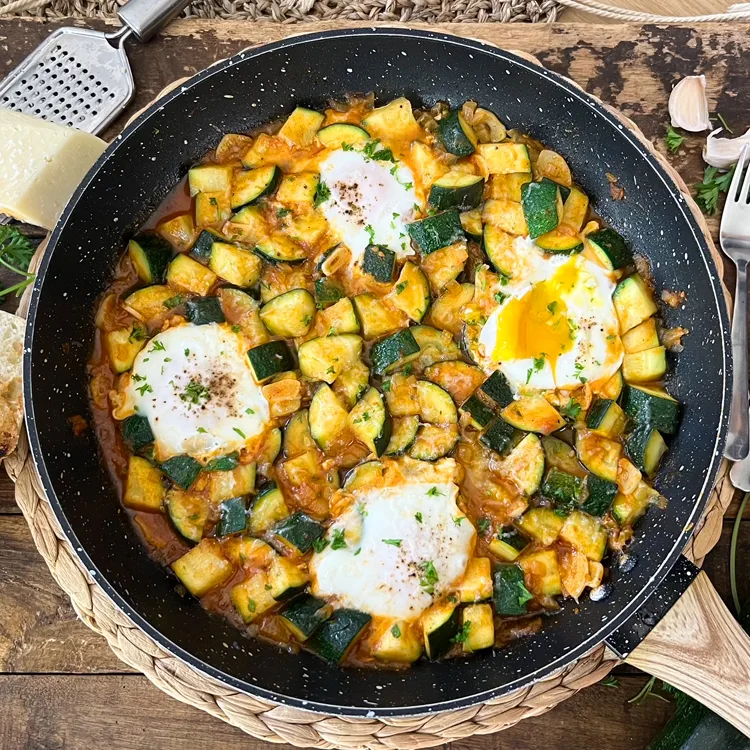
購入者が依然として抱いているよくある誤解
誤解その1:「PFASフリー」は完全に安全であることを意味する
現実:これはフッ素化物質のみを除去するものであり、すべての物質的リスクを取り除くわけではない。.
誤解その2:「PTFE不使用」の方が常に優れている
実情:耐久性が不明な代替コーティングが含まれている可能性もあります。.
誤解その3:すべての製品にノンスティック加工が必要だ
実情:多くの業務用厨房では、耐久性とコスト効率の良さから、ステンレスが好んで使用されています。.
調達戦略:B2Bバイヤーはどのように意思決定すべきか
利用シナリオを定義する
- 一般消費者向け製品 → 利便性を最優先する
- 業務用厨房 → 耐久性と耐熱性を重視する
素材と市場でのポジショニングを整合させる
- エントリーモデル:PTFEコーティング(焦げ付き防止)
- 中価格帯:セラミックコーティング
- プレミアム:ステンレス製またはハイブリッド製の調理器具
ライフサイクル全体のコストを評価する
低コストのコーティングによる短期的なコスト削減は、しばしば次のような結果をもたらします:
- 返品率の上昇
- 再調達原価
- ブランドイメージの毀損
仕様の不整合を避ける
~と協力して カスタム調理器具メーカー 定義するには:
- コーティング組成物
- 厚さの仕様
- 性能基準
これなしでは、サプライヤーの比較は意味をなさない。.
購入者向け確認チェックリスト
サプライヤーが「PFASフリーの調理器具」と主張する場合は、以下を要求してください:
- 材料宣言
- コーティング組成に関する声明
- 第三者機関による分析試験(GC-MS/LC-MS)
- 生産プロセスの透明性
ある業者から調達する際は、 卸売調理器具サプライヤー, 、ドキュメントは任意ではなく、必須のものとして扱うべきです。.
追加の確認手順:
- 実際の調理条件下でのサンプル試験
- コーティングの耐久性試験
- バッチの一貫性チェック
代替材料:PFASの機能を代替できるものは何か?
ステンレス鋼
- コーティングなし
- 高い耐久性
- 業務用厨房に最適
セラミック・コーティング
- PFAS不使用
- エコを前面に打ち出した
- 寿命が短い
鋳鉄/炭素鋼
- 焼き付け処理後は自然に焦げ付きにくくなります
- 長持ちする
- メンテナンスが必要です
ハイブリッド(ハニカム)
- ステンレス鋼とノンスティックコーティングを組み合わせた製品です
- 耐傷性の向上
- プレミアムなポジショニング
それぞれの素材は、性能、コスト、耐久性のバランスがそれぞれ異なります。.
よくある質問(FAQ) — 購入者目線の回答
Q1: 「PFASフリー」と「PTFEフリー」は同じ意味ですか?
いいえ。「PFASフリー」はすべてのフッ素系化学物質を除去しますが、「PTFEフリー」には他のPFASが含まれている可能性があります。.
Q2: PTFE製の調理器具は、今でも安全なのでしょうか?
はい、通常の使用状況下ではそうです。リスクは主に過熱や損傷によって生じます。.
Q3:最も安全な調理器具の素材は何ですか?
ステンレス製の調理器具は、最も安定性が高く、耐久性に優れているとされています。.
Q4:PFAS不使用の主張をどのように確認すればよいですか?
材料宣言書および第三者機関による試験報告書の提出を依頼してください。.
Q5:長期的に使うには、どの調理器具が最適ですか?
ほとんどの用途において、ステンレス鋼と鋳鉄は最も長い耐用年数を誇ります。.
結論
PFASフリーの調理器具とPTFEベースの調理器具のどちらが「最良」かという、普遍的な答えはありません。.
正しい判断は、以下の要因によって決まります:
- ターゲット市場の期待
- 利用シナリオ
- 耐久性要件
- コスト構造
ほとんどのB2Bバイヤーにとって、優先すべきはラベル表示ではなく、検証、性能、そして供給の安定性であるべきです。.
化学物質への曝露リスクを低減することが目的であれば、PFASを含まない調理器具を選ぶのが明確な選択肢です。しかし、市場が利便性や優れた非粘着性を求めているのであれば、PTFEをベースとした製品にも依然として需要があります。.
2026年に成功を収めるための戦略は、単にラベルを選ぶことではありません。それは、検証済みの仕様と信頼性の高いサポートに裏打ちされた、用途に適した製品を選ぶことです。 調理器具メーカー.
チャンスについて
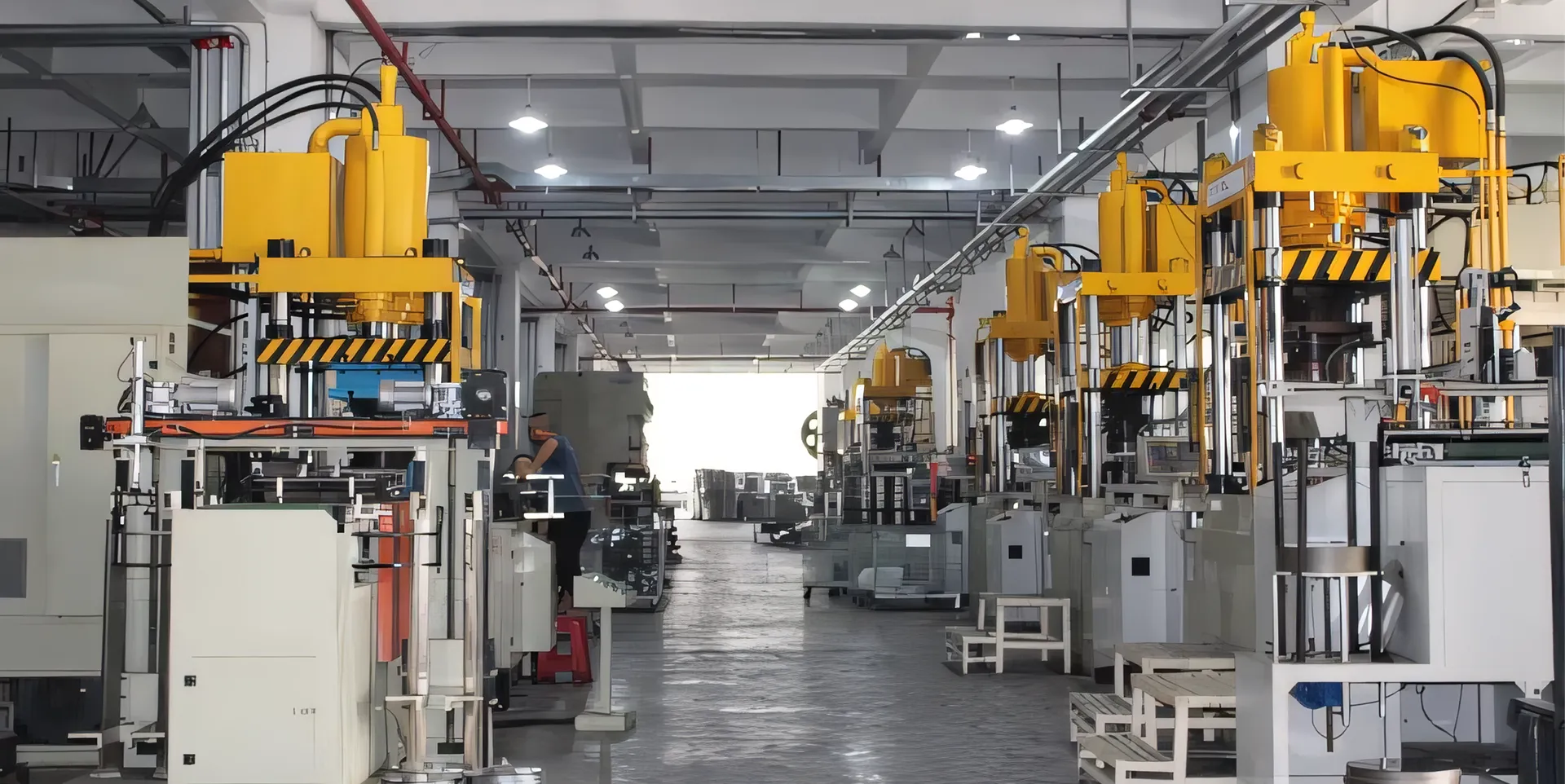
Chancesはプロフェッショナルです B2B向け調理器具メーカー 世界中の顧客に対し、信頼性が高く安定した供給を実現することに尽力しています。顧客第一主義を徹底し、厳格な品質管理システムと検証済みの製造基準を通じて、安定した生産品質を確保しています。.
Chancesでは、以下の取り組みを支援しています OEM調理器具およびプライベートブランド調理器具のカスタマイズ, 、さまざまな市場のニーズや製品のポジショニングに合わせた柔軟なソリューションを提供しています。確実なリードタイムと迅速なサービスを基盤として、Chancesは、卸売業者、小売業者、ブランド各社がサプライチェーンの安定性を維持し、調達リスクを低減し、長期的かつ拡張性のある調理器具の製品ラインを構築できるよう支援しています。.