JA
JA  EN
EN  FR
FR  DE
DE  RU
RU  AR
AR  ES
ES  PT
PT  KO
KO 
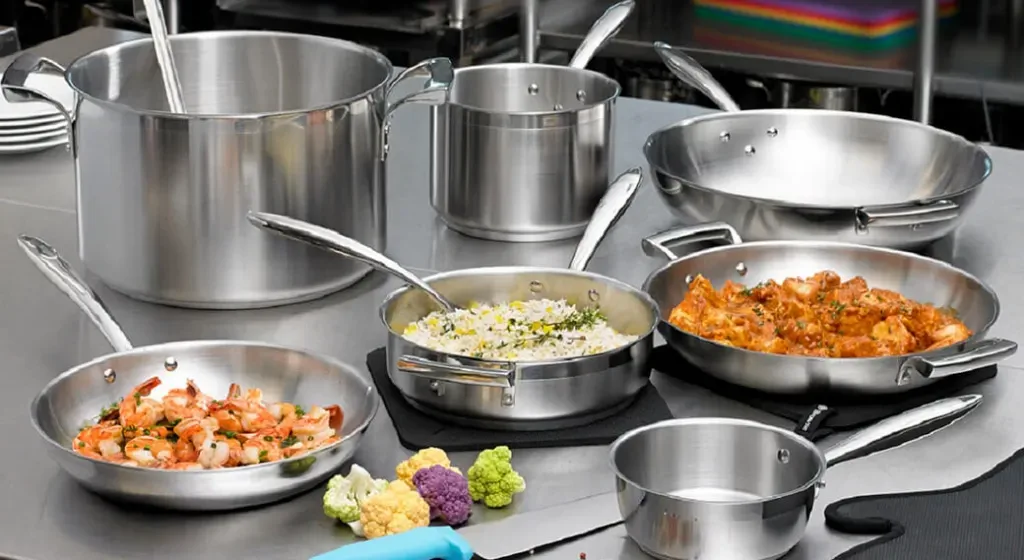
規制の圧力、PFASへの懸念、そしてライフサイクルコストへの意識の高まりにより、購入者は短期的な性能にとどまらず、材料の選択について再考を迫られています。こうした状況下で、環境に優しいステンレス鋼が一般の人々の注目を集め始めているのです。.
調理器具の輸入業者、卸売業者、およびブランドにとって、その判断は耐久性、規制への適合性、そして長期的なリスクにかかっています。重要な点は、ステンレス鋼が他の素材と比較して、持続可能性と性能のバランスにおいて真に優れているかどうかです。.
「Chances」とともに、 卸売ステンレス調理器具メーカー, 、では、なぜステンレス製の調理器具が好まれるのか、その理由を見てみましょう。.
「環境に優しい」ステンレス製調理器具とは、どのようなものなのでしょうか?
材料安全性
環境に優しいステンレス製調理器具は、まずその「含まれていないもの」によって定義されます。コーティングされた調理器具とは異なり、フッ素系やポリマー系の表面層は一切含まれていません。304や316などのステンレス鋼は、世界的な食品接触基準を満たしており、コーティングに起因するリスクを排除しています。.
耐久性と耐用年数
ステンレス製の調理器具は、高温下での長期間の使用や連続使用に耐えるよう設計されています。業務用厨房において、適切に製造されたステンレス製品は、構造的な劣化が生じることなく、何年も使用し続けることができます。.
寿命が長ければ、交換頻度が直接的に減るため、理論上だけでなく、実践においてもより持続可能になります。.
リサイクル性と環境への影響
ステンレス鋼は、調理器具業界において最もリサイクルしやすい素材の一つです。品質を著しく損なうことなく再加工が可能であり、クローズドループ型のライフサイクルを支えています。.
コーティング加工された調理器具は、多くの場合、混合素材ごみとして処分されることになるのに対し、ステンレス製は、使用後の処理経路がより明確です。.
製造およびサプライチェーンに関する考慮事項
ステンレス鋼の製造にはエネルギーやクロム、ニッケルなどの合金元素が必要ですが、そのライフサイクル全体を通じた価値によって、こうした初期段階での環境負荷は相殺されます。交換頻度が少なく、性能が安定しているため、長期的には環境への総影響を低減することができます。.
一般的な調理器具の素材の概要
ステンレス鋼
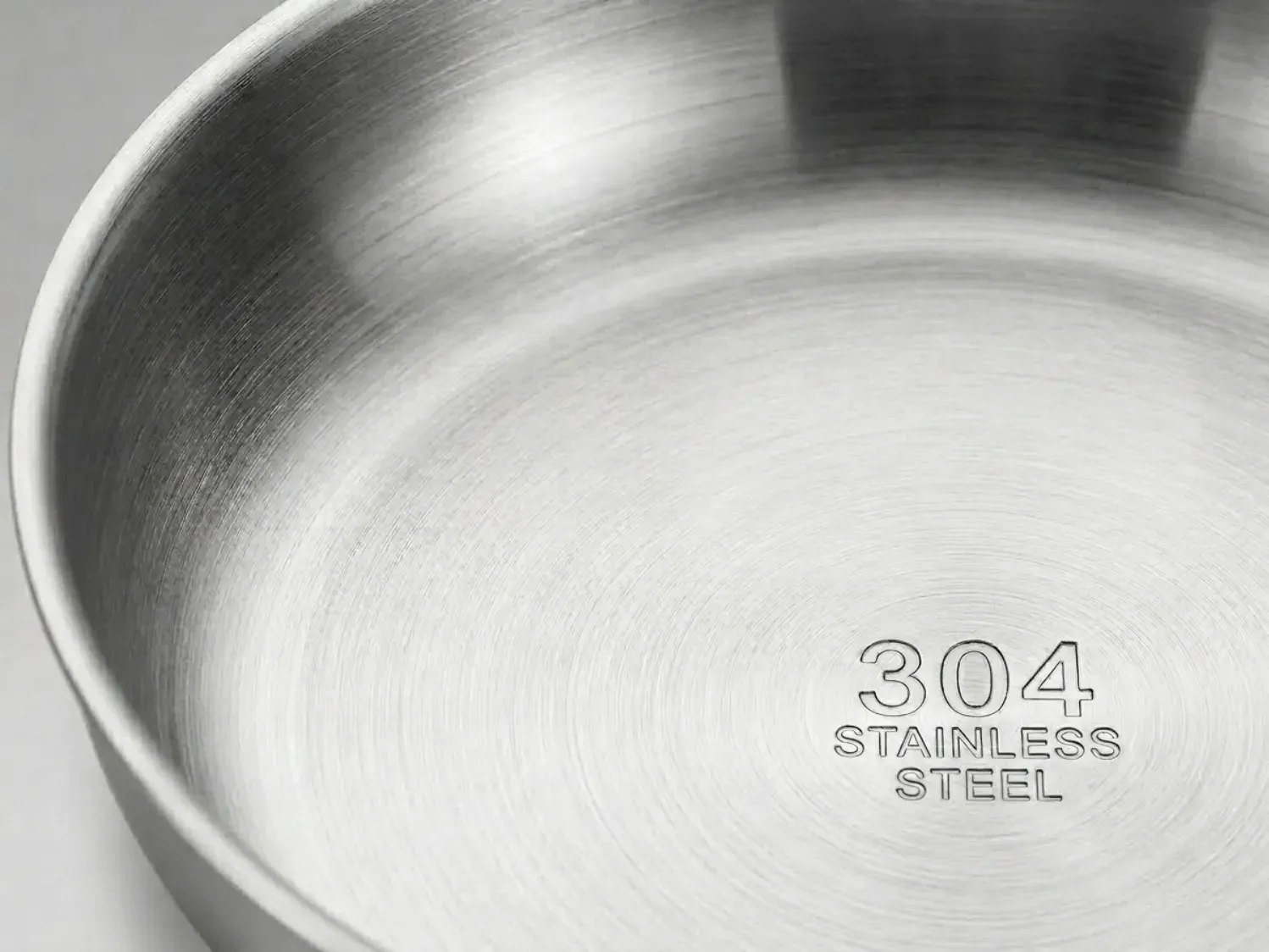
ステンレス製の調理器具には、一般的に201、304、316などのグレードがあります。グレードが高いほど、耐食性と耐久性に優れています。構造には、単層タイプと、熱伝導性を高めるための多層(3層またはクラッド)タイプがあります。.
アルミ調理器具
アルミニウムは熱伝導性に優れ、軽量です。しかし、硬度が低く、変形しやすいという特徴があります。そのため、ほとんどのアルミニウム製調理器具では、耐久性と安全性を高めるためにコーティングやクラッド加工が施されています。.
ノンスティック(PTFE系)調理器具
PTFEを基材とした調理器具は、優れた焦げ付き防止性能と手入れのしやすさを備えています。しかし、コーティングの寿命には限りがあり、表面が劣化すると性能が低下します。.
セラミックコーティングの調理器具
セラミックコーティングは、環境に優しい代替品として販売されることがよくあります。フッ素系化学物質は使用されていませんが、一般的に非粘着性の持続期間が短く、より頻繁な交換が必要となります。.
鋳鉄および炭素鋼
これらの素材は保温性と耐久性に優れていますが、使い込みによる馴染ませや手入れが必要です。多くの商業施設での汎用的な用途においては、柔軟性に欠ける面があります。.
材料比較の概要
一般的な材料全般において、ステンレス鋼は最もバランスのとれた性能を発揮します:
- 劣化が最小限で、長寿命
- コーティングの剥離リスクなし
- 業務用途においても高い構造強度を発揮
- さまざまな調理システム間の互換性
B2Bのバイヤーにとって、このバランスは、運用リスクの低減と、より予測しやすい長期的なコストにつながります。.
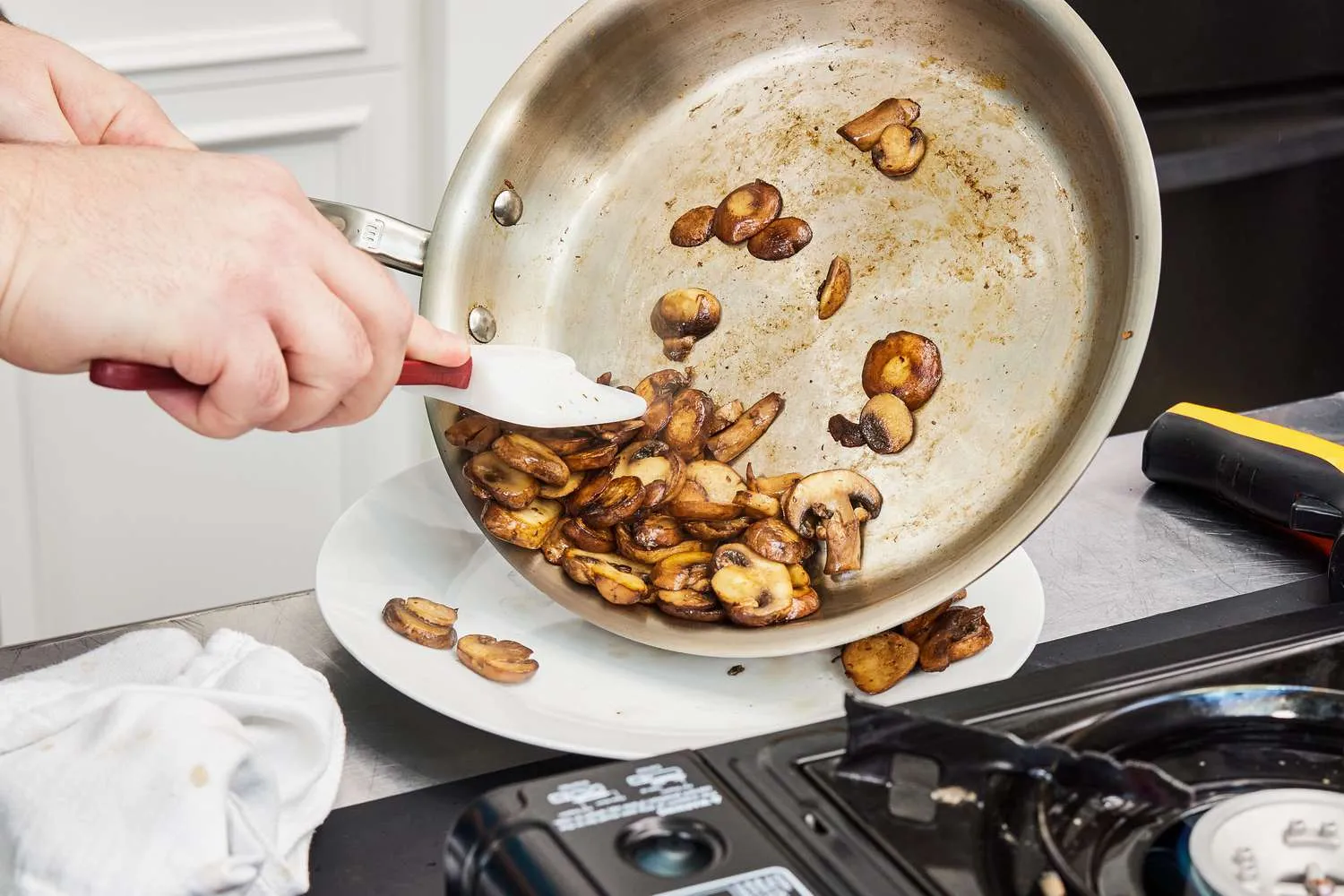
ステンレス鋼との環境影響の比較
製造拠点
アルミニウムの製造はエネルギー集約的ですが、熱効率の面では優れています。コーティング加工された調理器具には、追加の化学処理工程が必要となります。ステンレス鋼は初期のエネルギーコストは高くなりますが、長期的な耐久性という利点があります。.
製品の寿命と交換サイクル
製品のライフサイクルが短くなるにつれて、環境への負荷も増大します。コーティング加工された調理器具は、短期間で買い替えが必要になることが多いのに対し、ステンレス製のものは、はるかに長い期間にわたって使い続けることができます。.
リサイクル性
ステンレス鋼は完全にリサイクル可能であり、リサイクルシステムでも広く受け入れられています。対照的に、コーティングが施された複合素材の調理器具は処理が難しく、多くの場合廃棄されてしまいます。.
化学的影響
コーティング加工された調理器具は、製造や廃棄の過程で環境への懸念が生じる可能性があります。ステンレス鋼は、化学的なコーティングではなく安定した金属表面を利用しているため、こうした問題を回避できます。.
購入者の視点から見た材料性能の比較
加熱性能と調理の汎用性
| 素材 | 熱伝導率 | 汎用性 | 注記 |
|---|---|---|---|
| ステンレス鋼 | 中程度(3層構造の場合は高) | 高い | あらゆる調理法に対応 |
| アルミニウム | 高い | 中 | 頻繁にコーティングが必要 |
| ノンスティック(PTFE) | 中程度 | 低 | 高温での使用は限定的 |
| セラミック | 中程度 | 中 | 性能は時間の経過とともに低下する |
| 鋳鉄 | 高い定着率 | 中 | 重く、反応が遅い |
業務用途における耐久性
| 素材 | 耐久性 | 失敗のリスク |
|---|---|---|
| ステンレス鋼 | 高い | 低 |
| アルミニウム | 中 | 反りのリスク |
| ノンスティック(PTFE) | 低~中 | コーティングの劣化 |
| セラミック | 低~中 | 表面の摩耗 |
| 鋳鉄 | 高い | メンテナンスに関する問題 |
メンテナンスとクリーニング
| 素材 | お手入れのしやすさ | 保守レベル |
|---|---|---|
| ステンレス鋼 | 中程度 | 低 |
| ノンスティック | 簡単 | 当初は低かった |
| セラミック | 簡単 | 中(劣化) |
| 鋳鉄 | 難しい | 高い |
コスト対ライフサイクル価値
| 素材 | 初期費用 | ライフサイクルコスト |
|---|---|---|
| ステンレス鋼 | 中 | 低 |
| アルミニウム | 低 | 中 |
| ノンスティック | 低 | 高い |
| セラミック | 中 | 高い |
| 鋳鉄 | 中 | 低 |
B2Bのバイヤーにとって、なぜステンレス鋼が好まれるのか
調達チームにとって、ステンレス鋼が選ばれるのは、それが「高級」だからではなく、その性能が予測可能だからである。.
- 標準材料仕様(304/316)
- 交換頻度の低減による長期的なコスト効率の向上
- ガス、IH、電気式コンロとの互換性
- コーティングに関するコンプライアンス上のリスクや規制上のリスクがない
プロフェッショナル ステンレス調理器具メーカー ロット間で一貫した品質を確保できるため、拡張性のある調達戦略が可能になります。信頼できるパートナーと協力することで、 調理器具のサプライヤー これにより、さまざまな市場において製品仕様が安定した状態を維持できるようになります。.
ステンレス製調理器具を調達する際の留意点
材料の検証
製造証明書および分光分析による検査を通じて、ステンレス鋼のグレードを確認してください。201と304の誤表示は、依然としてよくある問題です。.
建設
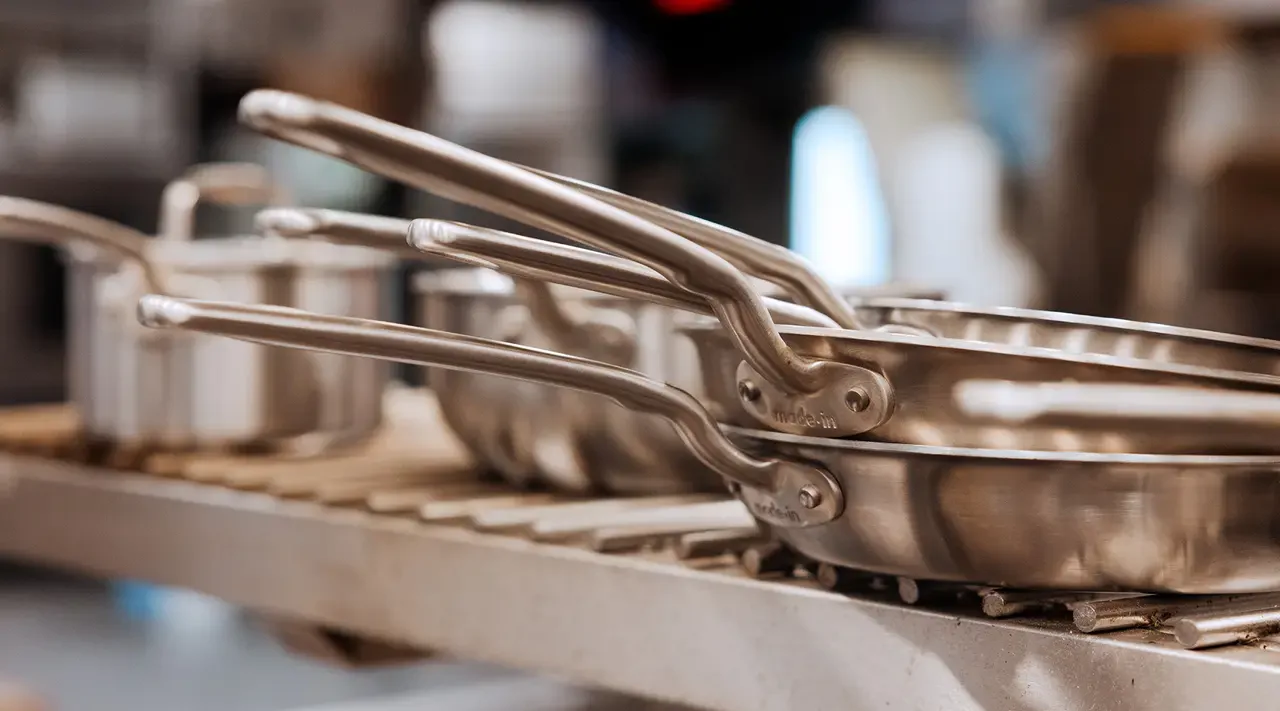
その製品が3層構造のベースを採用しているか、あるいはインパクトボンディング方式のベースを採用しているかを確認してください。これは、耐熱性能や耐久性に直接影響します。.
製造能力
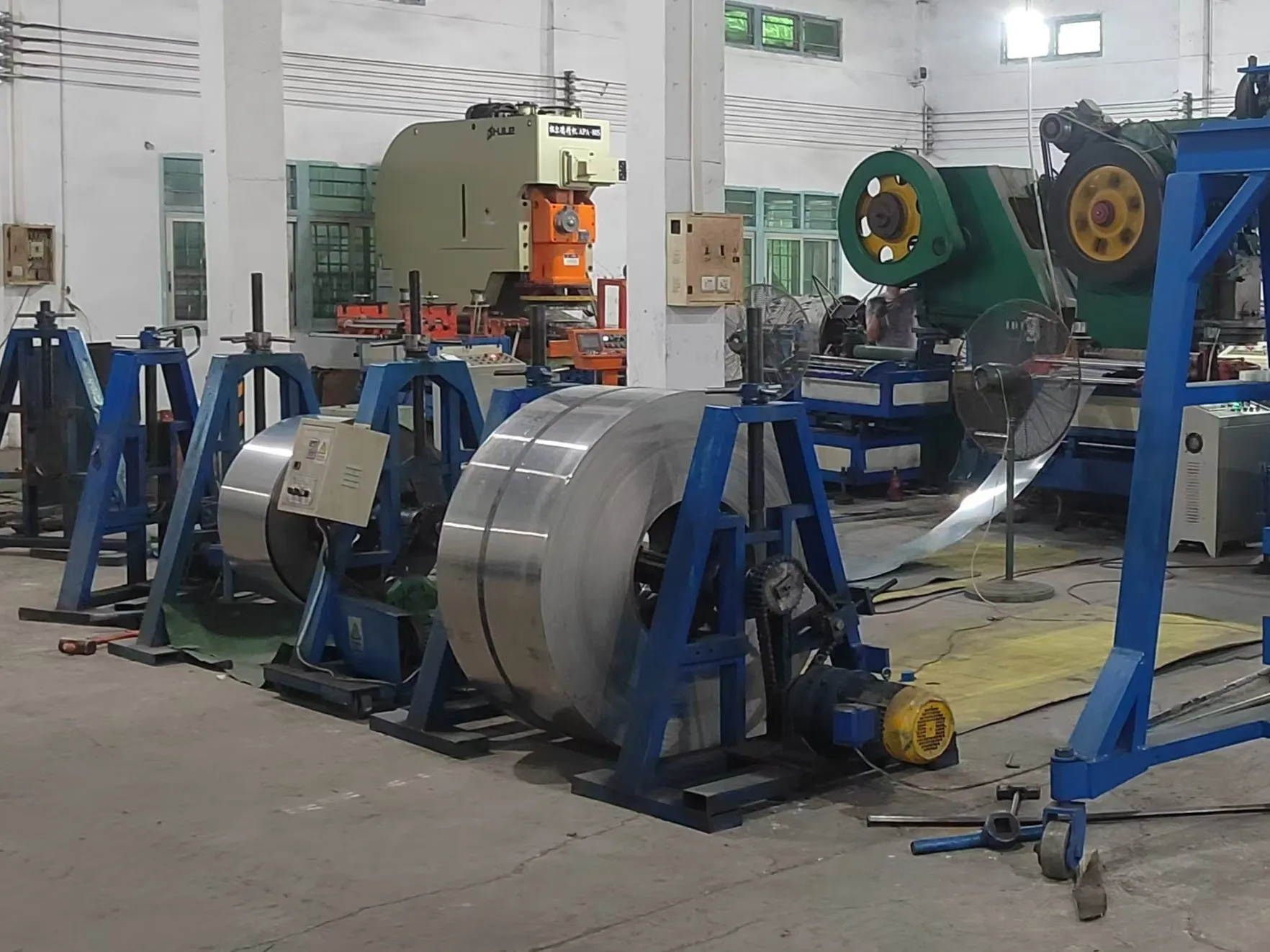
資格を持つ [オーダーメイド調理器具メーカー] 成形、溶接、研磨などの主要な工程を管理し、一貫性を確保すべきである。.
OEM/ODMカスタマイズ
カスタマイズオプションには、ブランディング、パッケージング、および構造上の調整を含めるべきである。A [調理器具の卸売業者] OEM対応能力があれば、製品の差別化を図ることができます。.
品質管理と認証
品質管理システム(IQC、IPQC、FQC)を確認し、対象市場の規制への準拠を確保する。.
ステンレスが最適な選択肢ではない場合
ステンレス鋼があらゆる場面で最適というわけではない。.
- 油をあまり使わない調理には、ノンスティック加工の調理器具が適している場合があります
- 価格変動に非常に敏感な市場においては、アルミニウムの方が競争力が高い可能性がある
- 特殊な調理(例えば、繊細な食材など)の場合、他の素材の方が適している場合があります
正しいアプローチは、置き換えではなく、戦略的な組み合わせである。.
購入者向けの戦略的提言
- 耐久性と拡張性を考慮し、ステンレス鋼を主力製品ラインとして採用する
- 特定の用途に合わせて、ノンスティック加工の調理器具や専用調理器具を併用してください
- 初期購入価格よりもライフサイクルコストを優先する
- SKU間の仕様を統一し、調達を簡素化する
このアプローチにより、製品の柔軟性を維持しつつ、運用上の複雑さを軽減することができます。.
結論
ステンレス鋼は、単に環境に優しい選択肢であるだけでなく、現代の調理器具の調達において、リスクが管理され、拡張性のあるソリューションでもあります。.
その内容は次のとおりです:
- 予測可能な性能
- 長い製品ライフサイクル
- コンプライアンスリスクが最小限
- 市場を問わず高い互換性
B2Bの調理器具バイヤーにとって、決定の鍵は、単に「最も環境に優しい」素材を単独で選ぶことではありません。重要なのは、不具合を最小限に抑え、交換サイクルを短縮し、長期的な成長を支えるような、戦略的な素材の組み合わせを選択することです。.
FAQセクション
ステンレス製の調理器具は、ノンスティック加工の調理器具よりも環境に優しいのでしょうか?
はい。ステンレス鋼はコーティングが不要で、一般的に寿命が長いため、廃棄物の発生や環境への影響を軽減できます。.
なぜ業務用厨房ではステンレス製の調理器具が好まれるのでしょうか?
その耐久性、耐熱性、そしてさまざまな調理システムとの互換性のためです。.
アルミ製の調理器具は環境に優しいのでしょうか?
リサイクル性は高いものの、寿命が短く、多くの場合コーティングが必要となるため、全体的な持続可能性が低下してしまう。.
最も環境に優しい調理器具の素材は何ですか?
ステンレス鋼は、リサイクルが可能で耐用年数が長いことから、最も持続可能な素材の一つとして広く認識されています。.
調達時に、環境に優しい調理器具の主張をどのように検証すればよいでしょうか?
材料宣言書や試験報告書の提出を求め、製造工程を確認して、主張が妥当であることを確認する。.