PT
PT  EN
EN  FR
FR  DE
DE  RU
RU  AR
AR  ES
ES  JA
JA  KO
KO 
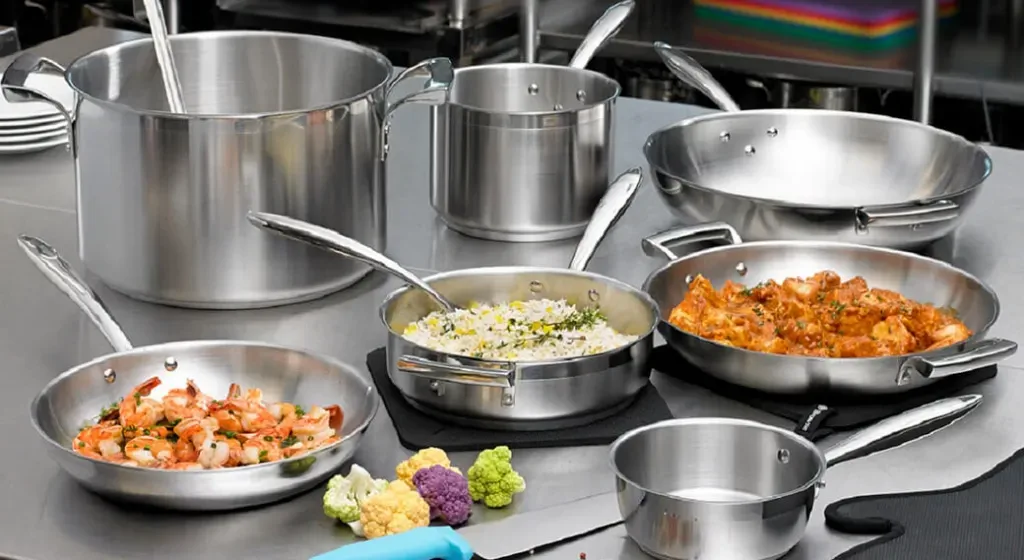
A pressão regulamentar, as preocupações com os PFAS e a sensibilização para os custos do ciclo de vida estão a obrigar os compradores a repensar as escolhas de materiais para além do desempenho a curto prazo. É nesta altura que o aço inoxidável amigo do ambiente entra na mira do público em geral.
Para os importadores, distribuidores e marcas de utensílios de cozinha, a decisão prende-se com a durabilidade, a conformidade e o risco a longo prazo. A principal questão é se o aço inoxidável oferece realmente um melhor equilíbrio entre sustentabilidade e desempenho em comparação com outros materiais.
Juntamente com Chances, um fabricante de panelas de aço inoxidável por atacado, Vamos descobrir porque é que os utensílios de cozinha em aço inoxidável são preferidos.
O que define um utensílio de cozinha em aço inoxidável “amigo do ambiente”?
Segurança dos materiais
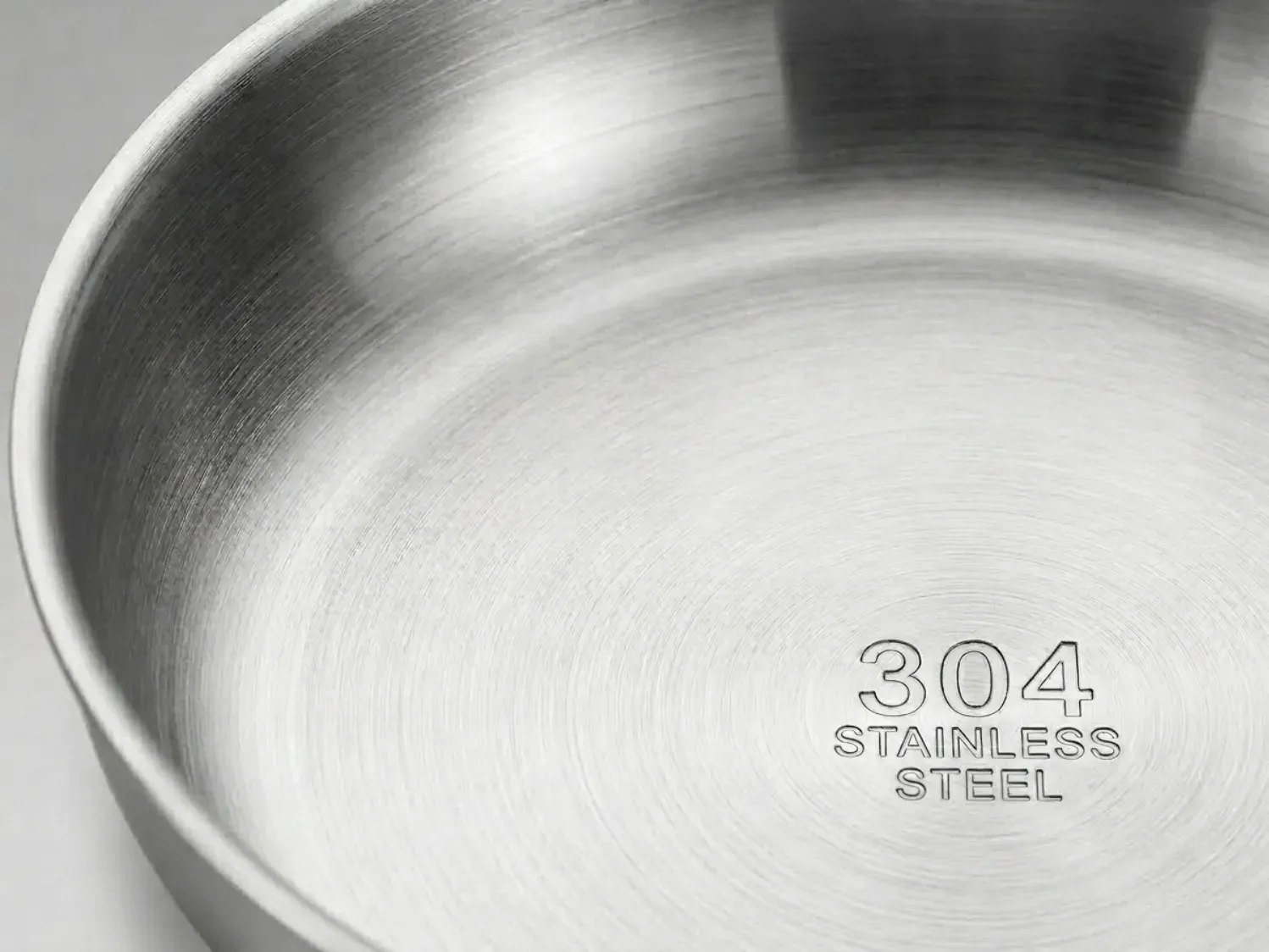
O utensílio de cozinha em aço inoxidável ecológico define-se em primeiro lugar pelo que não contém. Ao contrário dos utensílios de cozinha revestidos, não têm camadas superficiais fluoradas ou à base de polímeros. Graus como o aço inoxidável 304 e 316 cumprem as normas globais de contacto com os alimentos e eliminam os riscos relacionados com o revestimento.
Durabilidade e tempo de vida
Os utensílios de cozinha em aço inoxidável são concebidos para uma utilização a longo prazo sob calor elevado e funcionamento contínuo. Em cozinhas comerciais, os produtos de aço inoxidável corretamente fabricados podem durar anos sem degradação estrutural.
Uma vida útil mais longa reduz diretamente a frequência de substituição, tornando-a mais sustentável na prática - e não apenas na teoria.
Reciclabilidade e impacto ambiental
O aço inoxidável é um dos materiais mais recicláveis na indústria de utensílios de cozinha. Pode ser reprocessado sem perda significativa de qualidade, apoiando um ciclo de vida de ciclo fechado.
Em comparação com os utensílios de cozinha revestidos, que muitas vezes acabam como resíduos de materiais mistos, o aço inoxidável oferece um percurso de fim de vida mais claro.
Considerações sobre o fabrico e a cadeia de fornecimento
Embora a produção de aço inoxidável requeira energia e elementos de liga como o crómio e o níquel, o valor do seu ciclo de vida compensa esta pegada inicial. O menor número de substituições e o desempenho consistente reduzem o impacto ambiental total ao longo do tempo.
Visão geral dos materiais comuns de utensílios de cozinha
Aço inoxidável
Os utensílios de cozinha em aço inoxidável estão normalmente disponíveis em graus como 201, 304 e 316. As qualidades mais elevadas proporcionam uma melhor resistência à corrosão e durabilidade. Os tipos de construção incluem designs de camada única e de camadas múltiplas (tripla ou revestida) para uma melhor distribuição do calor.
Utensílios de cozinha em alumínio
O alumínio oferece uma excelente condutividade térmica e é leve. No entanto, é mais macio e mais propenso a deformações. A maior parte dos utensílios de cozinha em alumínio requer um revestimento ou revestimento para melhorar a durabilidade e a segurança.
Utensílios de cozinha antiaderentes (à base de PTFE)
Os utensílios de cozinha à base de PTFE proporcionam um excelente desempenho antiaderente e facilidade de limpeza. No entanto, a vida útil do revestimento é limitada e o desempenho diminui quando a superfície se degrada.
Trem de cozinha com revestimento cerâmico
Os revestimentos cerâmicos são frequentemente comercializados como alternativas amigas do ambiente. Embora evitem os químicos fluorados, têm normalmente uma vida útil mais curta e requerem uma substituição mais frequente.
Ferro fundido e aço carbono
Estes materiais oferecem uma forte retenção de calor e durabilidade, mas requerem tempero e manutenção. São menos flexíveis para utilização geral em muitos ambientes comerciais.
Resumo da comparação de materiais
Em todos os materiais principais, o aço inoxidável oferece o desempenho mais equilibrado:
- Ciclo de vida longo com degradação mínima
- Sem risco de falha do revestimento
- Elevada resistência estrutural para utilização comercial
- Compatibilidade com diferentes sistemas de cozedura
Para os compradores B2B, este equilíbrio traduz-se num menor risco operacional e em custos a longo prazo mais previsíveis.
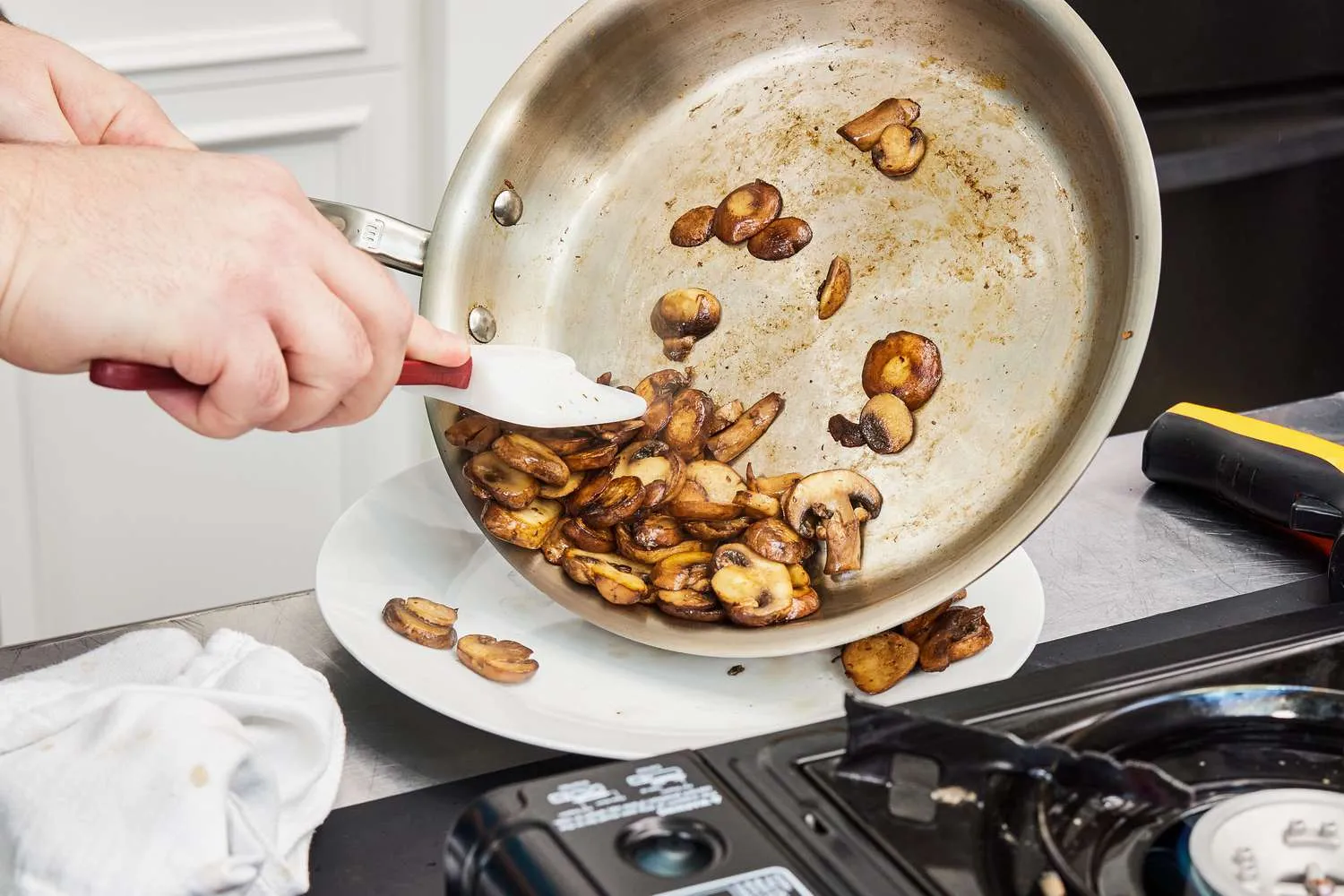
Comparação do impacto ambiental com o aço inoxidável
Pegada de fabrico
A produção de alumínio consome muita energia, mas é eficiente em termos de desempenho térmico. Os utensílios de cozinha revestidos introduzem etapas adicionais de processamento químico. O aço inoxidável tem um custo energético inicial mais elevado, mas beneficia de uma durabilidade a longo prazo.
Ciclo de vida dos produtos e ciclos de substituição
Ciclos de vida mais curtos dos produtos aumentam a carga ambiental. Os utensílios de cozinha revestidos necessitam frequentemente de ser substituídos num período de tempo mais curto, enquanto o aço inoxidável mantém a sua capacidade de utilização durante períodos significativamente mais longos.
Reciclabilidade
O aço inoxidável é totalmente reciclável e amplamente aceite nos sistemas de reciclagem. Em contrapartida, os utensílios de cozinha multimateriais com revestimentos são mais difíceis de processar e são frequentemente deitados fora.
Impacto químico
Os utensílios de cozinha revestidos introduzem potenciais preocupações ambientais durante a produção e a eliminação. O aço inoxidável evita estes problemas ao basear-se numa superfície metálica estável em vez de revestimentos químicos.
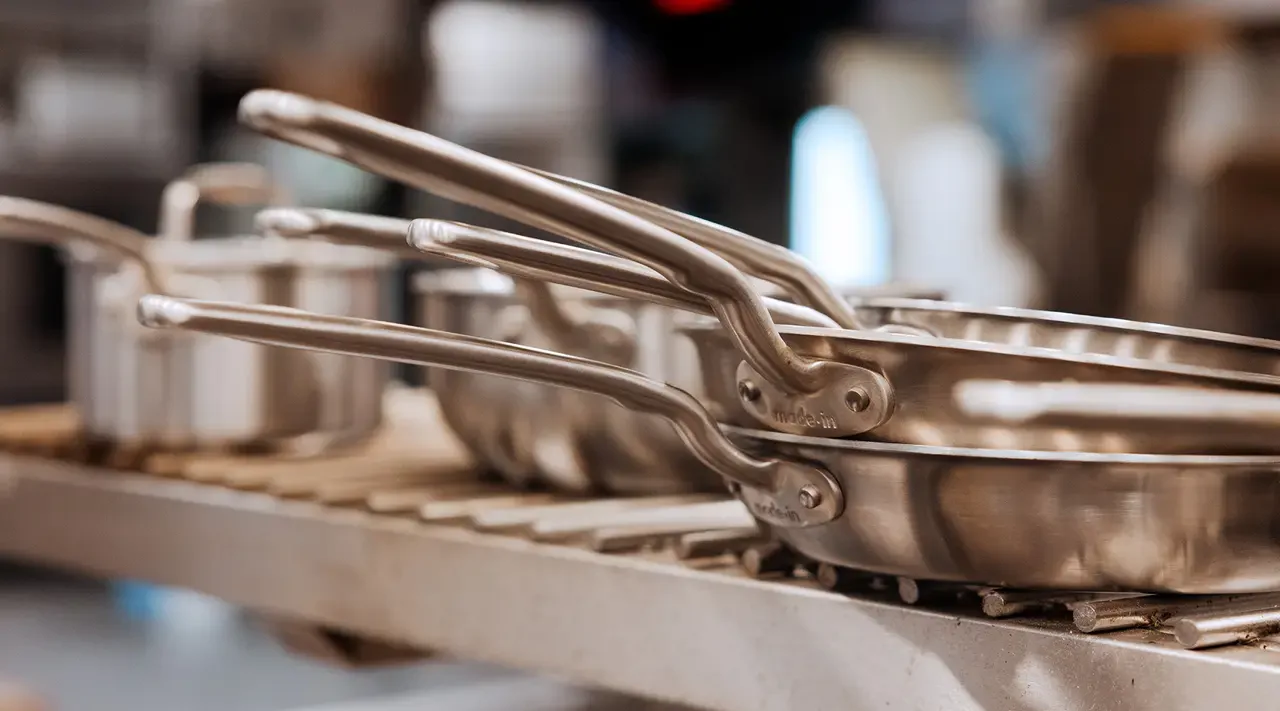
Comparação do desempenho dos materiais na perspetiva do comprador
Desempenho térmico e versatilidade de cozedura
| Material | Condutividade térmica | Versatilidade | Notas |
|---|---|---|---|
| Aço inoxidável | Moderado (elevado com tripla camada) | Elevado | Funciona em todos os estilos de cozinha |
| Alumínio | Elevado | Médio | Necessita frequentemente de revestimento |
| Antiaderente (PTFE) | Moderado | Baixa | Utilização limitada de calor elevado |
| Cerâmica | Moderado | Médio | O desempenho diminui com o tempo |
| Ferro fundido | Elevada retenção | Médio | Pesado, resposta mais lenta |
Durabilidade na utilização comercial
| Material | Durabilidade | Risco de falha |
|---|---|---|
| Aço inoxidável | Elevado | Baixa |
| Alumínio | Médio | Risco de deformação |
| Antiaderente (PTFE) | Baixo-Médio | Degradação do revestimento |
| Cerâmica | Baixo-Médio | Desgaste da superfície |
| Ferro fundido | Elevado | Questões relacionadas com a manutenção |
Manutenção e limpeza
| Material | Facilidade de limpeza | Nível de manutenção |
|---|---|---|
| Aço inoxidável | Moderado | Baixa |
| Antiaderente | Fácil | Inicialmente baixo |
| Cerâmica | Fácil | Médio (degrada-se) |
| Ferro fundido | Difícil | Elevado |
Custo vs. Valor do ciclo de vida
| Material | Custo inicial | Custo do ciclo de vida |
|---|---|---|
| Aço inoxidável | Médio | Baixa |
| Alumínio | Baixa | Médio |
| Antiaderente | Baixa | Elevado |
| Cerâmica | Médio | Elevado |
| Ferro fundido | Médio | Baixa |
Porque é que o aço inoxidável é a escolha preferida dos compradores B2B
Para as equipas de aquisição, o aço inoxidável não é selecionado por ser “premium” - é selecionado por ser previsível.
- Especificações de material normalizadas (304/316)
- Eficiência de custos a longo prazo através de uma substituição reduzida
- Compatibilidade com sistemas a gás, de indução e eléctricos
- Sem riscos regulamentares ou de conformidade de revestimento
Um profissional fabricante de utensílios de cozinha em aço inoxidável pode fornecer uma qualidade consistente em todos os lotes, permitindo estratégias de aquisição escaláveis. Trabalhar com uma empresa fiável fornecedor de utensílios de cozinha garante que as especificações dos produtos se mantêm estáveis nos diferentes mercados.
Considerações sobre o aprovisionamento de utensílios de cozinha em aço inoxidável
Verificação de materiais
Confirme a qualidade do aço inoxidável utilizando certificados de fabrico e testes espectrométricos. A rotulagem incorrecta entre 201 e 304 continua a ser um problema comum.
Construção
Avaliar se o produto utiliza bases de três camadas ou bases ligadas por impacto. Isto afecta diretamente o desempenho térmico e a durabilidade.
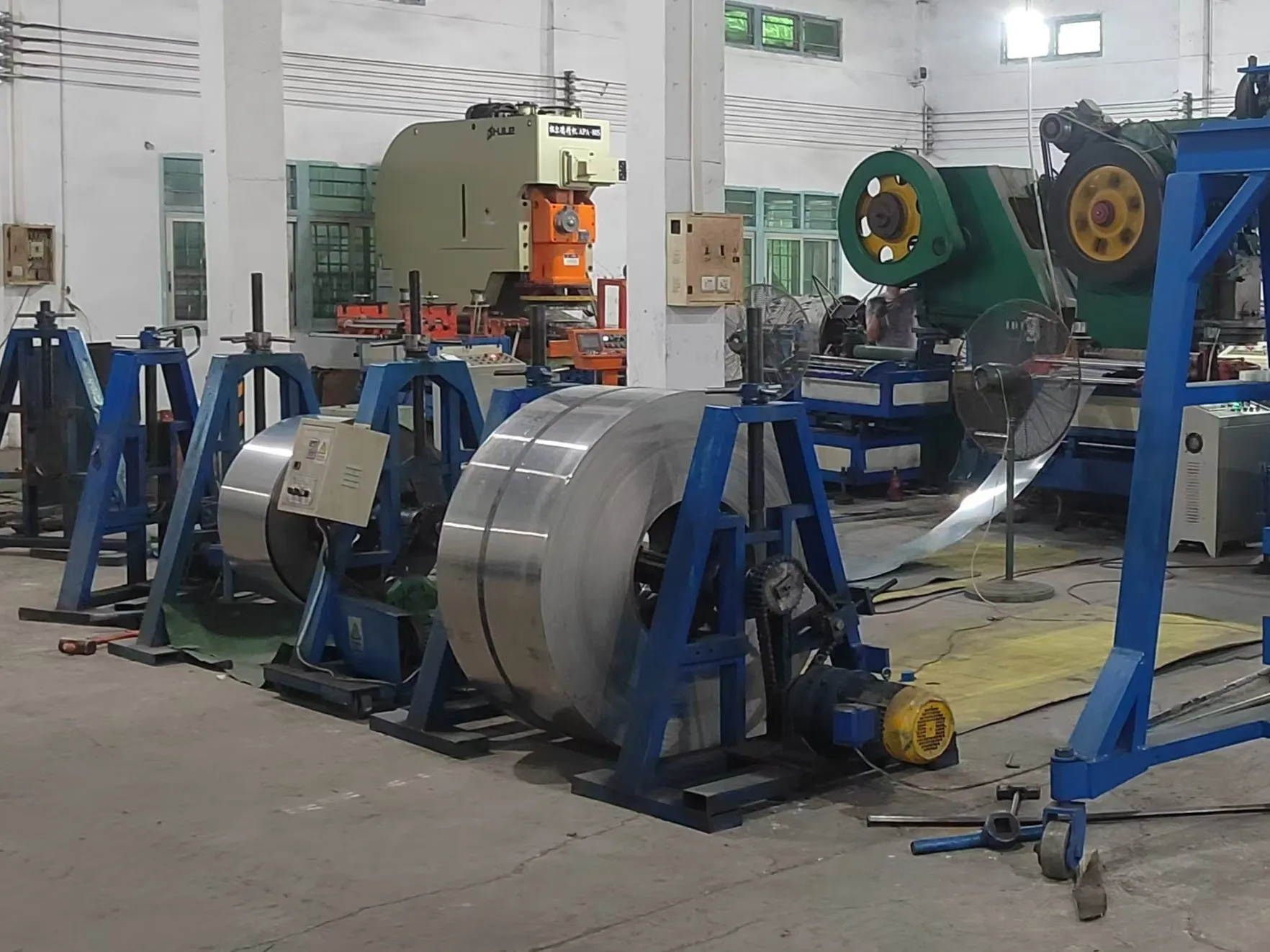
Capacidade de fabrico
Um qualificado [fabricante de utensílios de cozinha personalizados]. deve controlar os principais processos, como a moldagem, a soldadura e o polimento, para garantir a consistência.
Personalização OEM/ODM
As opções de personalização devem incluir a marca, a embalagem e os ajustes estruturais. A [fornecedor grossista de utensílios de cozinha]. com capacidade de OEM pode apoiar a diferenciação do produto.
Controlo de qualidade e certificações
Verificar os sistemas de qualidade (IQC, IPQC, FQC) e assegurar a conformidade com os regulamentos do mercado-alvo.
Quando o aço inoxidável pode não ser a melhor opção
O aço inoxidável não é universalmente ótimo.
- Para cozinhar com pouco óleo, as superfícies antiaderentes podem ser preferidas
- Para mercados altamente sensíveis ao preço, o alumínio pode ser mais competitivo
- Para uma cozedura especializada (por exemplo, alimentos delicados), os materiais alternativos podem ter um melhor desempenho
A abordagem correta não é a substituição, mas uma combinação estratégica.
Recomendações estratégicas para os compradores
- Utilizar o aço inoxidável como linha de produtos principal para maior durabilidade e escalabilidade
- Complemento com utensílios de cozinha antiaderentes ou especiais para casos de utilização específicos
- Dar prioridade ao custo do ciclo de vida em relação ao preço de compra inicial
- Normalizar as especificações nas SKUs para simplificar o aprovisionamento
Esta abordagem reduz a complexidade operacional, mantendo a flexibilidade do produto.
Conclusão
O aço inoxidável não é apenas uma opção amiga do ambiente - é uma solução escalável e com controlo de riscos para o aprovisionamento de utensílios de cozinha modernos.
E cumpre:
- desempenho previsível
- longo ciclo de vida do produto
- risco mínimo de conformidade
- forte compatibilidade entre mercados
Para os compradores de utensílios de cozinha B2B, a decisão não consiste em escolher o material “mais ecológico” isoladamente. Trata-se de selecionar a combinação estratégica de materiais que minimiza as falhas, reduz os ciclos de substituição e apoia o crescimento a longo prazo.
Secção FAQ
Os utensílios de cozinha em aço inoxidável são mais ecológicos do que os antiaderentes?
Sim. O aço inoxidável evita os revestimentos e, normalmente, tem uma vida útil mais longa, reduzindo os resíduos e o impacto ambiental.
Porque é que as cozinhas comerciais preferem utensílios de cozinha em aço inoxidável?
Devido à sua durabilidade, resistência ao calor e compatibilidade com diferentes sistemas de cozedura.
Os utensílios de cozinha de alumínio são amigos do ambiente?
Tem uma boa capacidade de reciclagem, mas uma vida útil mais curta e requer frequentemente revestimentos, o que reduz a sustentabilidade global.
Qual é o material de cozinha mais sustentável?
O aço inoxidável é amplamente considerado um dos materiais mais sustentáveis devido à sua capacidade de reciclagem e à sua longa vida útil.
Como verificar as alegações relativas a utensílios de cozinha ecológicos aquando do aprovisionamento?
Solicitar declarações de materiais, relatórios de testes e verificar os processos de fabrico para garantir a validade das alegações.