DE
DE  EN
EN  FR
FR  RU
RU  AR
AR  ES
ES  PT
PT  JA
JA  KO
KO 
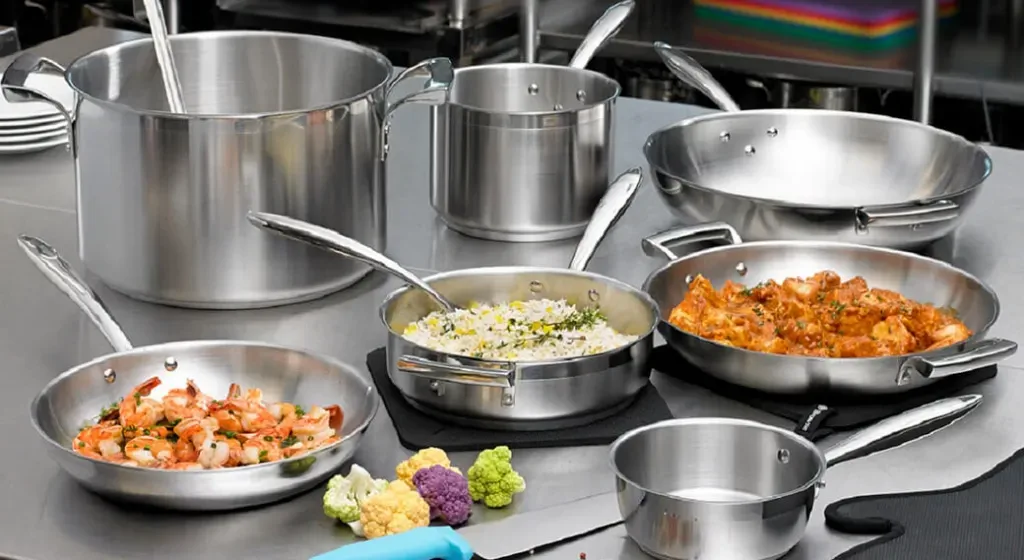
Der Druck der Gesetzgeber, die Sorge um PFAS und das Bewusstsein für die Lebenszykluskosten zwingen die Käufer dazu, die Materialwahl über die kurzfristige Leistung hinaus zu überdenken. Dies ist der Zeitpunkt, an dem umweltfreundlicher nichtrostender Stahl in das Blickfeld der Öffentlichkeit gerät.
Für Importeure, Händler und Marken von Kochgeschirr geht es bei der Entscheidung um Haltbarkeit, Einhaltung von Vorschriften und langfristige Risiken. Die Schlüsselfrage ist, ob rostfreier Stahl im Vergleich zu anderen Materialien wirklich ein besseres Gleichgewicht zwischen Nachhaltigkeit und Leistung bietet.
Zusammen mit Chances, einem Großhandel Edelstahl Kochgeschirr Hersteller, Lassen Sie uns herausfinden, warum Kochgeschirr aus Edelstahl bevorzugt wird.
Was macht “umweltfreundliches” Kochgeschirr aus Edelstahl aus?
Materielle Sicherheit
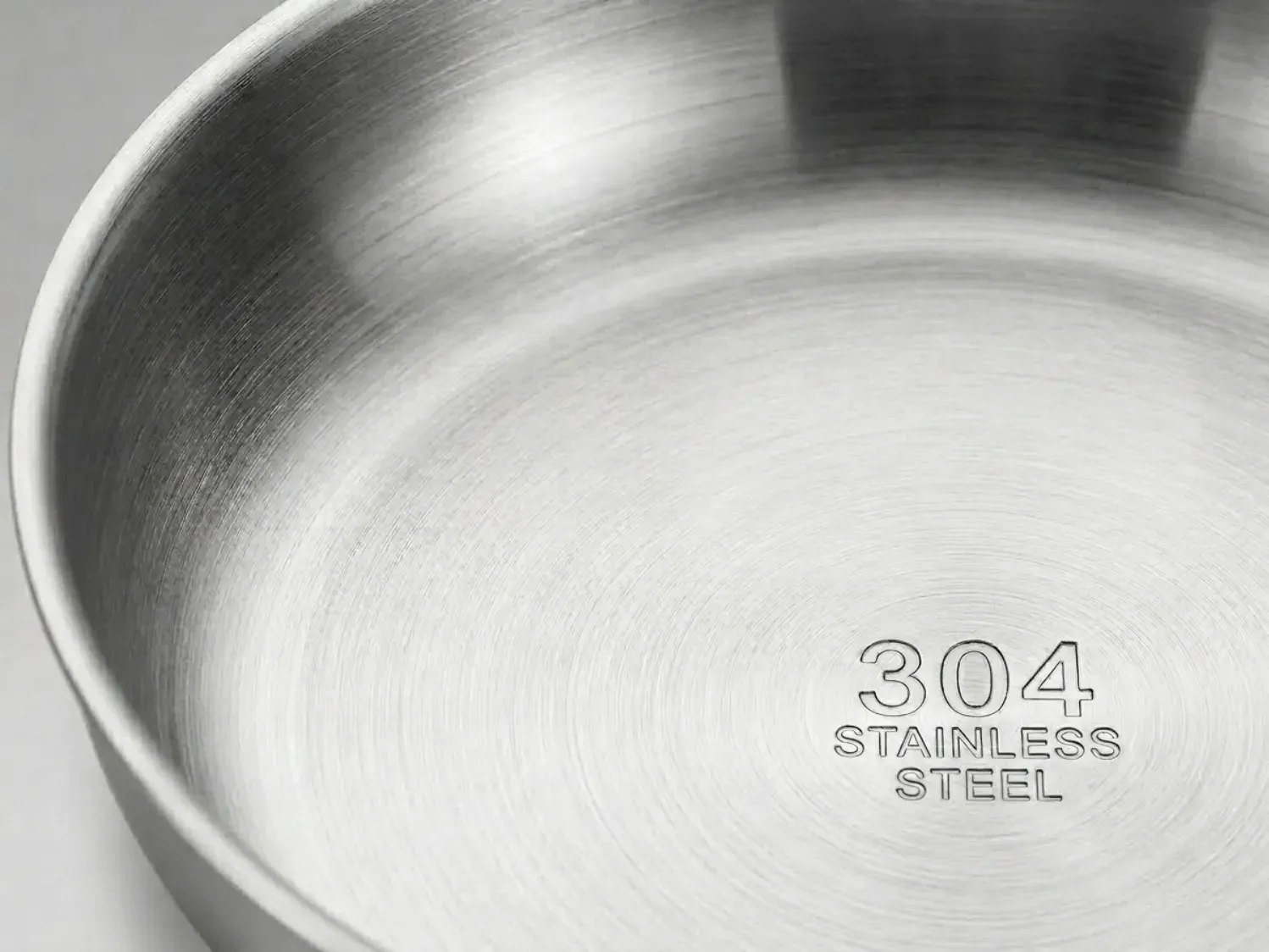
Umweltfreundliches Kochgeschirr aus rostfreiem Stahl definiert sich in erster Linie durch das, was es nicht enthält. Im Gegensatz zu beschichtetem Kochgeschirr hat es keine fluorierten oder polymerbasierten Oberflächenschichten. Edelstahlsorten wie 304 und 316 erfüllen die weltweiten Normen für den Kontakt mit Lebensmitteln und eliminieren beschichtungsbedingte Risiken.
Langlebigkeit und Nutzungsdauer
Kochgeschirr aus rostfreiem Stahl ist für den langfristigen Einsatz bei großer Hitze und Dauerbetrieb ausgelegt. In Großküchen können ordnungsgemäß hergestellte Produkte aus Edelstahl jahrelang ohne strukturelle Beeinträchtigung eingesetzt werden.
Eine längere Lebensdauer verringert unmittelbar die Häufigkeit des Austauschs, was die Nachhaltigkeit in der Praxis und nicht nur in der Theorie erhöht.
Wiederverwertbarkeit und Umweltauswirkungen
Edelstahl ist eines der am besten recycelbaren Materialien in der Kochgeschirrindustrie. Es kann ohne nennenswerte Qualitätsverluste wiederaufbereitet werden und unterstützt einen geschlossenen Lebenszyklus.
Im Vergleich zu beschichtetem Kochgeschirr, das oft als Mischmüll endet, bietet Edelstahl einen klareren Entsorgungspfad.
Überlegungen zur Herstellung und Lieferkette
Die Herstellung von rostfreiem Stahl erfordert zwar Energie und Legierungselemente wie Chrom und Nickel, doch sein Lebenszykluswert gleicht diesen anfänglichen Fußabdruck aus. Weniger Austauschvorgänge und gleichbleibende Leistung verringern die Gesamtumweltbelastung im Laufe der Zeit.
Überblick über gängige Kochgeschirrmaterialien
Rostfreier Stahl
Kochgeschirr aus rostfreiem Stahl gibt es in der Regel in den Qualitäten 201, 304 und 316. Höhere Qualitäten bieten eine bessere Korrosionsbeständigkeit und Haltbarkeit. Zu den Konstruktionsarten gehören einlagige und mehrlagige (dreilagige oder plattierte) Ausführungen für eine bessere Wärmeverteilung.
Aluminium-Kochgeschirr
Aluminium bietet eine hervorragende Wärmeleitfähigkeit und ist leicht. Allerdings ist es weicher und anfälliger für Verformungen. Die meisten Aluminiumkochgeschirre müssen beschichtet oder plattiert werden, um ihre Haltbarkeit und Sicherheit zu verbessern.
Antihaft-Kochgeschirr (auf PTFE-Basis)
Kochgeschirr auf PTFE-Basis bietet eine hervorragende Antihaftwirkung und ist leicht zu reinigen. Die Lebensdauer der Beschichtung ist jedoch begrenzt, und die Leistung nimmt ab, sobald die Oberfläche abgenutzt ist.
Keramisch beschichtetes Kochgeschirr
Keramische Beschichtungen werden oft als umweltfreundliche Alternativen angepriesen. Sie kommen zwar ohne fluorierte Chemikalien aus, haben aber in der Regel eine kürzere Lebensdauer der Antihaftbeschichtung und müssen häufiger ausgetauscht werden.
Gusseisen und Kohlenstoffstahl
Diese Materialien bieten ein hohes Wärmerückhaltevermögen und eine lange Lebensdauer, müssen jedoch gepflegt und gewartet werden. Sie sind weniger flexibel für die allgemeine Verwendung in vielen gewerblichen Umgebungen.
Zusammenfassung des Materialvergleichs
Von allen gängigen Materialien bietet Edelstahl die ausgewogenste Leistung:
- Langer Lebenszyklus mit minimaler Verschlechterung
- Kein Ausfallrisiko der Beschichtung
- Hohe strukturelle Festigkeit bei gewerblicher Nutzung
- Kompatibilität mit verschiedenen Kochsystemen
Für B2B-Einkäufer bedeutet dieses Gleichgewicht ein geringeres operatives Risiko und besser vorhersehbare langfristige Kosten.
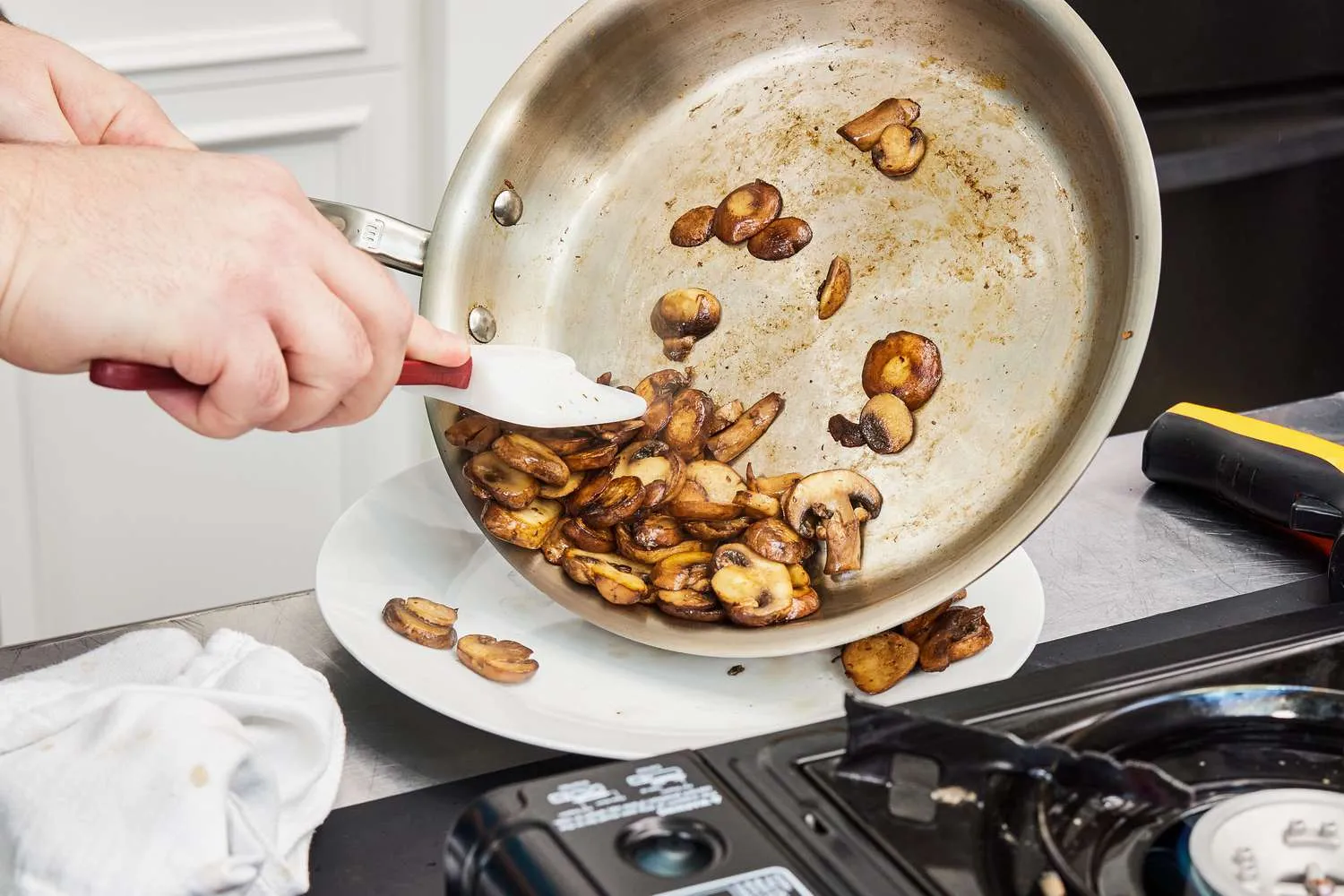
Vergleich der Umweltauswirkungen mit Edelstahl
Fußabdruck der Produktion
Die Aluminiumherstellung ist energieintensiv, aber effizient in Bezug auf die Wärmeleistung. Bei beschichtetem Kochgeschirr sind zusätzliche chemische Verarbeitungsschritte erforderlich. Edelstahl hat höhere anfängliche Energiekosten, profitiert aber von seiner langfristigen Haltbarkeit.
Produktlebensdauer und Austauschzyklen
Kürzere Produktlebenszyklen erhöhen die Umweltbelastung. Beschichtetes Kochgeschirr muss oft innerhalb eines kürzeren Zeitraums ausgetauscht werden, während rostfreier Stahl wesentlich länger verwendbar bleibt.
Wiederverwertbarkeit
Edelstahl ist vollständig recycelbar und wird in Recycling-Systemen weitgehend akzeptiert. Im Gegensatz dazu ist Kochgeschirr aus mehreren Materialien mit Beschichtungen schwieriger zu verarbeiten und wird oft weggeworfen.
Chemische Auswirkungen
Beschichtetes Kochgeschirr kann bei der Herstellung und Entsorgung zu Umweltproblemen führen. Edelstahl vermeidet diese Probleme, da er auf einer stabilen Metalloberfläche und nicht auf chemischen Beschichtungen beruht.
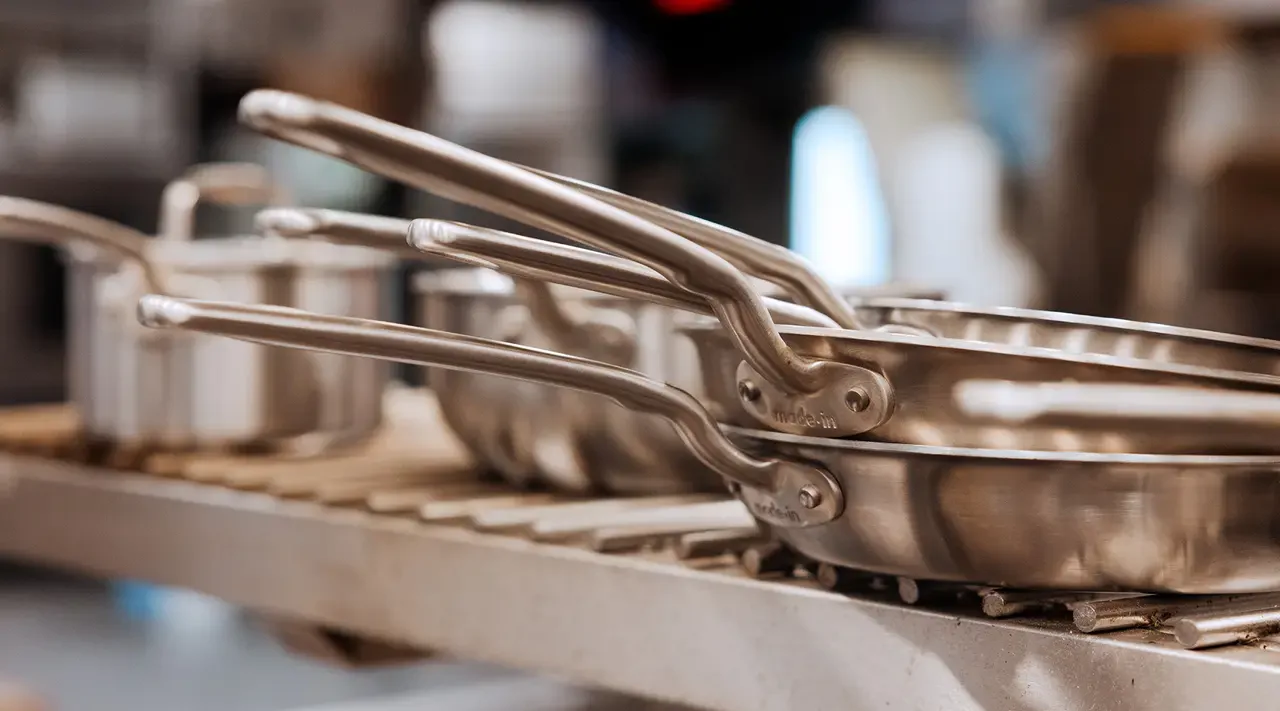
Vergleich der Materialleistung aus der Sicht des Käufers
Wärmeleistung und Vielseitigkeit beim Kochen
| Material | Wärmeleitfähigkeit | Vielseitigkeit | Anmerkungen |
|---|---|---|---|
| Rostfreier Stahl | Mäßig (hoch mit dreilagigem Material) | Hoch | Geeignet für alle Kochstile |
| Aluminium | Hoch | Mittel | Muss oft beschichtet werden |
| Antihaftbeschichtung (PTFE) | Mäßig | Niedrig | Begrenzter Einsatz von Hochtemperaturen |
| Keramik | Mäßig | Mittel | Leistung nimmt mit der Zeit ab |
| Gusseisen | Hoher Rückhalt | Mittel | Schwer, langsame Reaktion |
Langlebigkeit im kommerziellen Einsatz
| Material | Dauerhaftigkeit | Risiko des Scheiterns |
|---|---|---|
| Rostfreier Stahl | Hoch | Niedrig |
| Aluminium | Mittel | Verformungsrisiko |
| Antihaftbeschichtung (PTFE) | Niedrig bis mittel | Verschlechterung der Beschichtung |
| Keramik | Niedrig bis mittel | Oberflächenverschleiß |
| Gusseisen | Hoch | Wartungsbezogene Fragen |
Wartung und Reinigung
| Material | Leichte Reinigung | Wartungsebene |
|---|---|---|
| Rostfreier Stahl | Mäßig | Niedrig |
| Antihaftbeschichtung | Einfach | Anfangs niedrig |
| Keramik | Einfach | Mittel (verschlechtert sich) |
| Gusseisen | Schwierig | Hoch |
Kosten vs. Lebenszykluswert
| Material | Anfängliche Kosten | Lebenszykluskosten |
|---|---|---|
| Rostfreier Stahl | Mittel | Niedrig |
| Aluminium | Niedrig | Mittel |
| Antihaftbeschichtung | Niedrig | Hoch |
| Keramik | Mittel | Hoch |
| Gusseisen | Mittel | Niedrig |
Warum Edelstahl die bevorzugte Wahl für B2B-Einkäufer ist
Die Beschaffungsteams entscheiden sich nicht für rostfreien Stahl, weil er hochwertig“ ist, sondern weil er berechenbar ist.
- Standardisierte Werkstoffspezifikationen (304/316)
- Langfristige Kosteneffizienz durch geringeren Ersatzbedarf
- Kompatibilität mit Gas-, Induktions- und Elektrosystemen
- Keine Risiken in Bezug auf die Einhaltung von Vorschriften und Bestimmungen
Ein Profi Hersteller von Kochgeschirr aus Edelstahl kann über alle Chargen hinweg eine gleichbleibende Qualität liefern und ermöglicht so skalierbare Beschaffungsstrategien. Die Zusammenarbeit mit einem zuverlässigen Kochgeschirr-Lieferant gewährleistet, dass die Produktspezifikationen auf den verschiedenen Märkten stabil bleiben.
Beschaffungsüberlegungen bei der Beschaffung von Kochgeschirr aus Edelstahl
Überprüfung der Materialien
Bestätigen Sie die Edelstahlsorte anhand von Werkszeugnissen und Spektrometertests. Fehletikettierungen zwischen 201 und 304 sind nach wie vor ein häufiges Problem.
Bauwesen
Prüfen Sie, ob das Produkt dreilagige oder schlagzäh gebundene Untergründe verwendet. Dies wirkt sich direkt auf die Wärmeleistung und Haltbarkeit aus.
Herstellungskapazität
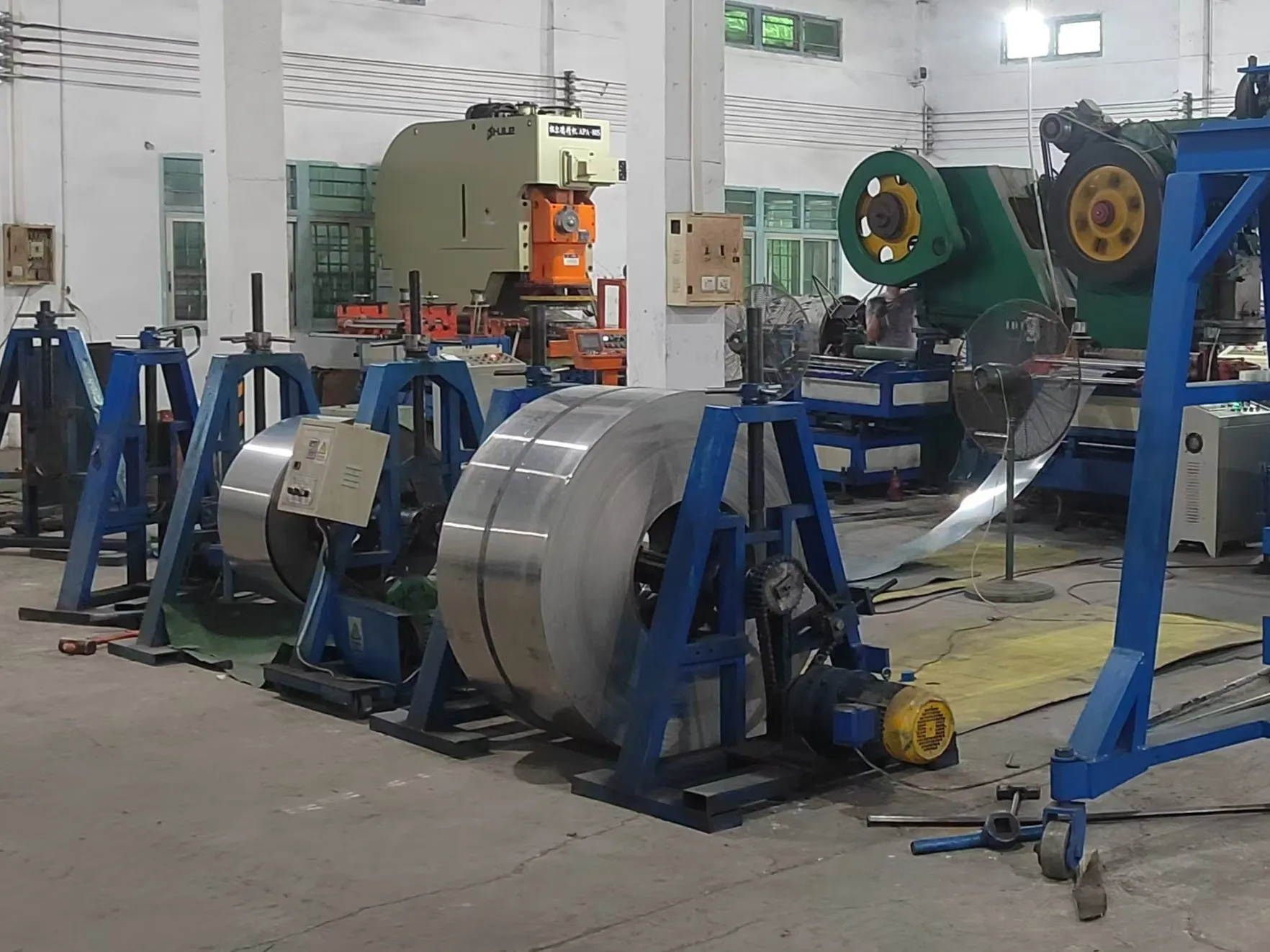
A qualifiziert (Hersteller von Spezialkochgeschirr) sollte Schlüsselprozesse wie Formen, Schweißen und Polieren kontrollieren, um Konsistenz zu gewährleisten.
OEM/ODM-Anpassung
Zu den Anpassungsoptionen sollten Branding, Verpackung und strukturelle Anpassungen gehören. A (Großhandel für Kochgeschirr) mit OEM-Fähigkeit kann die Produktdifferenzierung unterstützen.
Qualitätskontrolle und Zertifizierungen
Qualitätssysteme (IQC, IPQC, FQC) überprüfen und die Einhaltung der Vorschriften des Zielmarktes sicherstellen.
Wenn Edelstahl vielleicht nicht die beste Option ist
Edelstahl ist nicht in jeder Hinsicht die beste Wahl.
- Für das Kochen mit wenig Öl sind Antihaftbeschichtungen möglicherweise vorzuziehen
- Auf stark preissensiblen Märkten könnte Aluminium wettbewerbsfähiger sein
- Für spezielle Zubereitungsarten (z. B. empfindliche Lebensmittel) sind alternative Materialien möglicherweise besser geeignet
Der richtige Ansatz ist nicht der Ersatz, sondern eine strategische Kombination.
Strategische Empfehlungen für Einkäufer
- Edelstahl als Kernproduktlinie einsetzen, um Langlebigkeit und Skalierbarkeit zu gewährleisten
- Ergänzen Sie Ihre Ausstattung mit Antihaft- oder Spezialkochgeschirr für bestimmte Anwendungsfälle
- Die Lebenszykluskosten sollten Vorrang vor dem Anschaffungspreis haben
- Spezifikationen über alle SKUs hinweg vereinheitlichen, um die Beschaffung zu vereinfachen
Dieser Ansatz verringert die betriebliche Komplexität und gewährleistet gleichzeitig die Flexibilität bei den Produkten.
Schlussfolgerung
Edelstahl ist nicht nur eine umweltfreundliche Alternative – er ist eine risikokontrollierte, skalierbare Lösung für die Beschaffung modernen Kochgeschirrs.
Es bietet:
- vorhersehbare Leistung
- langer Produktlebenszyklus
- minimales Compliance-Risiko
- hohe Kompatibilität über verschiedene Märkte hinweg
Für B2B-Einkäufer von Kochgeschirr geht es bei der Entscheidung nicht darum, isoliert betrachtet das “umweltfreundlichste” Material auszuwählen. Vielmehr geht es darum, die strategisch optimale Materialkombination zu wählen, die Ausfälle minimiert, Austauschzyklen verkürzt und langfristiges Wachstum fördert.
FAQ-Abschnitt
Ist Kochgeschirr aus rostfreiem Stahl umweltfreundlicher als Antihaftbeschichtungen?
Ja. Bei Edelstahl entfallen Beschichtungen, und er hat in der Regel eine längere Lebensdauer, wodurch Abfall und Umweltbelastung reduziert werden.
Warum bevorzugen Großküchen Kochgeschirr aus Edelstahl?
Aufgrund ihrer Langlebigkeit, Hitzebeständigkeit und Kompatibilität mit verschiedenen Kochsystemen.
Ist Aluminium-Kochgeschirr umweltfreundlich?
Es lässt sich gut recyceln, hat jedoch eine kürzere Lebensdauer und erfordert oft Beschichtungen, was die allgemeine Nachhaltigkeit beeinträchtigt.
Welches ist das nachhaltigste Material für Kochgeschirr?
Edelstahl gilt aufgrund seiner Recyclingfähigkeit und seiner langen Lebensdauer weithin als einer der nachhaltigsten Werkstoffe.
Wie kann man die Angaben zu umweltfreundlichem Kochgeschirr bei der Beschaffung überprüfen?
Fordern Sie Materialdeklarationen und Prüfberichte an und überprüfen Sie die Herstellungsprozesse, um sicherzustellen, dass die Angaben zutreffend sind.