FR
FR  EN
EN  DE
DE  RU
RU  AR
AR  ES
ES  PT
PT  JA
JA  KO
KO 
Pour les grossistes, les distributeurs, les importateurs et les marques de distributeur, le choix d'une structure adaptée pour les ustensiles de cuisine ne se limite pas à leurs performances culinaires : il a une incidence directe sur le positionnement du produit, sa tarification, la satisfaction des clients et les marges bénéficiaires.
Alors que les consommateurs comparent souvent les ustensiles de cuisine en fonction de leur apparence ou de leur marque, les acheteurs en gros doivent quant à eux évaluer les coûts de fabrication, les marchés cibles et la valeur commerciale à long terme. Les ustensiles de cuisine à une seule couche et ceux à plusieurs couches présentent chacun des avantages distincts, ce qui les rend adaptés à différents segments de clientèle.
En tant que Fabricant d'ustensiles de cuisine en gros, Chancescook compare ces deux formules d'un point de vue commercial, afin de vous aider à déterminer celle qui correspond le mieux à votre stratégie d'approvisionnement.
Qu'est-ce qu'un ustensile de cuisine à simple épaisseur ?
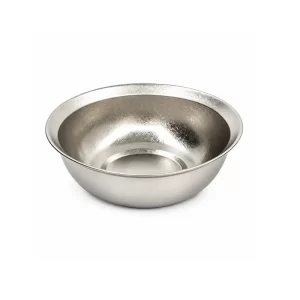
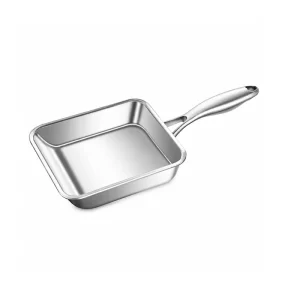
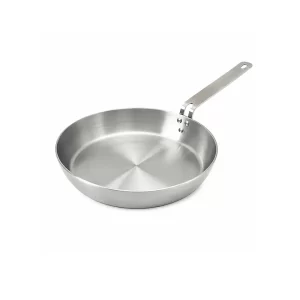
Les ustensiles de cuisine à simple épaisseur sont fabriqués à partir d'une seule couche d'acier inoxydable, ce qui en fait une option économique pour les gammes d'ustensiles d'entrée de gamme. Leur conception simple permet une production plus rapide et des prix compétitifs, ce qui les rend très prisés des grossistes qui approvisionnent des marchés sensibles aux prix.
Avantages
- Coût de fabrication réduit
- Léger
- Une production plus rapide
- Quantité minimale de commande réduite
Limites
- Une répartition moins homogène de la chaleur
- Moins de rétention de chaleur
- Positionnement haut de gamme restreint
Qu'est-ce qu'une batterie de cuisine multicouche ?
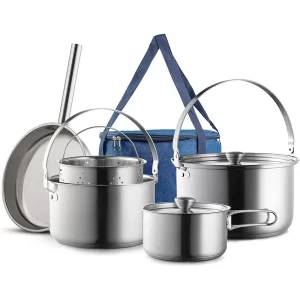
Les ustensiles de cuisine multicouches associent l'acier inoxydable à un cœur en aluminium ou en cuivre afin d'améliorer la répartition de la chaleur et les performances de cuisson. Parmi les constructions courantes, on trouve les modèles à 3 couches, à 5 couches, à revêtement intégral et à assemblage par impact, chacun ciblant différents segments de marché.
Avantages
- Répartition homogène de la chaleur
- Meilleure rétention de la chaleur
- Positionnement haut de gamme du produit
- Une plus grande durabilité
Limites
- Coût de fabrication plus élevé
- Délai de livraison plus long
- Prix de vente au détail plus élevé
Tableau comparatif côte à côte entre les ustensiles de cuisine à simple épaisseur et ceux à épaisseurs multiples
| Fonctionnalité | Monocouche | Multi-couches |
|---|---|---|
| Coût de fabrication | Inférieur | Plus élevé |
| Distribution de la chaleur | Juste | Excellent |
| Rétention de la chaleur | Modéré | Excellent |
| Poids | Léger | Modéré |
| Durabilité | Bon | Excellent |
| Compatibilité avec l'induction | Facultatif | Excellent |
| Positionnement haut de gamme | Débutant | Premium |
| Potentiel de marge dans le commerce de détail | Modéré | Haut |
Du point de vue de l'approvisionnement, aucune de ces deux conceptions n'est systématiquement supérieure. Les ustensiles de cuisine à simple épaisseur se distinguent par leur prix abordable et leur distribution à grande échelle, tandis que ceux à plusieurs épaisseurs offrent une meilleure différenciation du produit et une valeur de marque plus importante à long terme.
Pour les acheteurs qui souhaitent avant tout se démarquer sur le plan du prix, les ustensiles de cuisine à simple épaisseur restent une solution pratique. En revanche, les entreprises qui ciblent les circuits de distribution haut de gamme ou les marchés des marques de distributeur tirent souvent profit des performances accrues et de la qualité perçue des ustensiles de cuisine à plusieurs épaisseurs.
Quels ustensiles de cuisine conviennent le mieux aux différents modèles économiques ?
Le choix de la conception idéale des ustensiles de cuisine dépend de votre clientèle cible, de votre stratégie tarifaire et du positionnement de votre marque, plutôt que du simple choix du coût de fabrication le plus bas.
Grossistes et distributeurs
Les grossistes s'adressent souvent à plusieurs segments de marché ; il est donc avantageux de proposer à la fois des ustensiles de cuisine à simple épaisseur et à épaisseur multiple.
Les ustensiles de cuisine à simple épaisseur sont parfaits pour les supermarchés, les magasins discount et les marchés émergents, où le prix abordable est le principal critère d'achat. Les ustensiles de cuisine à plusieurs épaisseurs, en revanche, séduisent les détaillants haut de gamme et les magasins spécialisés dans les articles de cuisine qui recherchent des gammes de produits de meilleure qualité offrant des marges bénéficiaires plus élevées.
Le fait de proposer ces deux options permet aux distributeurs de répondre aux besoins variés de leurs clients tout en élargissant leur gamme de produits.
Amazon et les vendeurs en ligne
Pour les vendeurs en ligne, les avis clients et la différenciation des produits sont essentiels à leur réussite à long terme.
Les ustensiles de cuisine à simple épaisseur conviennent bien aux gammes d'entrée de gamme destinées aux consommateurs soucieux de leur budget. Cependant, les ustensiles de cuisine multicouches suscitent souvent une plus grande satisfaction chez les clients grâce à leurs performances de cuisson supérieures, ce qui se traduit par des avis plus élogieux et une valeur perçue plus élevée.
De nombreuses marques à succès sur Amazon commencent par proposer des produits d'entrée de gamme avant de se lancer dans des collections haut de gamme à plusieurs couches à mesure que leur marque se développe.
Marques de grande distribution
Les marques de distributeur tirent généralement davantage profit des ustensiles de cuisine multicouches, car leur fabrication haut de gamme justifie des prix de vente plus élevés et renforce le positionnement de la marque.
Les consommateurs associent de plus en plus les ustensiles de cuisine multicouches à la durabilité, aux performances professionnelles et à une qualité haut de gamme, ce qui permet aux détaillants de gagner plus facilement la confiance de leurs clients et de renforcer leur fidélité à la marque.
Fournisseurs de matériel de cuisine professionnelle
Les restaurants, les hôtels et les cuisines collectives ont des besoins qui varient en fonction de leur activité.
Pour la préparation culinaire courante, où le rapport qualité-prix est primordial, des ustensiles de cuisine à simple épaisseur peuvent suffire. En revanche, dans les cuisines professionnelles, où une répartition homogène de la chaleur est indispensable et où l'utilisation quotidienne est intensive, les ustensiles de cuisine multicouches constituent généralement un investissement privilégié en raison de leur durabilité et de leurs performances supérieures.
Les ustensiles de cuisine multicouches valent-ils leur prix plus élevé ?
La réponse dépend de votre marché cible et de votre stratégie commerciale.
Si les ustensiles de cuisine multicouches nécessitent un investissement initial plus élevé, ils offrent souvent un meilleur retour sur investissement à long terme.
Par rapport aux ustensiles de cuisine à une seule couche, les produits multicouches offrent généralement :
- Une meilleure perception de la qualité du produit
- Opportunités de tarification haut de gamme
- De meilleures performances culinaires
- Amélioration des avis clients
- Taux de retour plus faibles
- Durée de vie plus longue du produit
Pour les marques présentes sur le marché de milieu de gamme ou haut de gamme, ces avantages l'emportent souvent sur les coûts de fabrication supplémentaires.
Toutefois, si vos clients privilégient le prix à la performance, les ustensiles de cuisine à simple épaisseur pourraient vous permettre de réaliser des ventes plus rapides et d'accélérer la rotation de vos stocks.
Plutôt que de se demander quelle solution est “ la meilleure ”, les acheteurs devraient se demander quelle option correspond le mieux aux attentes et au comportement d'achat de leurs clients.

Comment choisir la structure la mieux adaptée à votre marché cible
Pour choisir la composition des ustensiles de cuisine, il faut commencer par bien cerner votre marché cible.
Marché économique
Si vos clients privilégient le rapport qualité-prix, les ustensiles de cuisine à simple épaisseur constituent généralement le meilleur choix. Ils offrent des prix compétitifs, des cycles de production plus courts et un investissement moindre, ce qui les rend particulièrement adaptés aux produits promotionnels, aux supermarchés et aux marchés en développement.
Commerce de détail de milieu de gamme
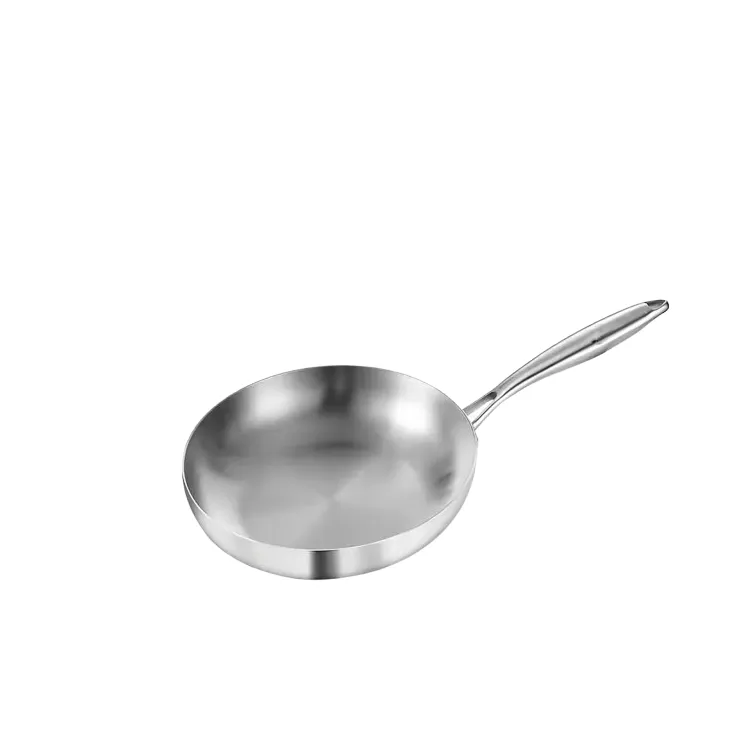
Pour les marques qui s'adressent au grand public, les ustensiles de cuisine à revêtement par impact offrent un excellent compromis entre performances et prix. Ils assurent une meilleure répartition de la chaleur que les ustensiles à simple épaisseur, tout en restant plus abordables que les produits multicouches à revêtement intégral.
Marques haut de gamme
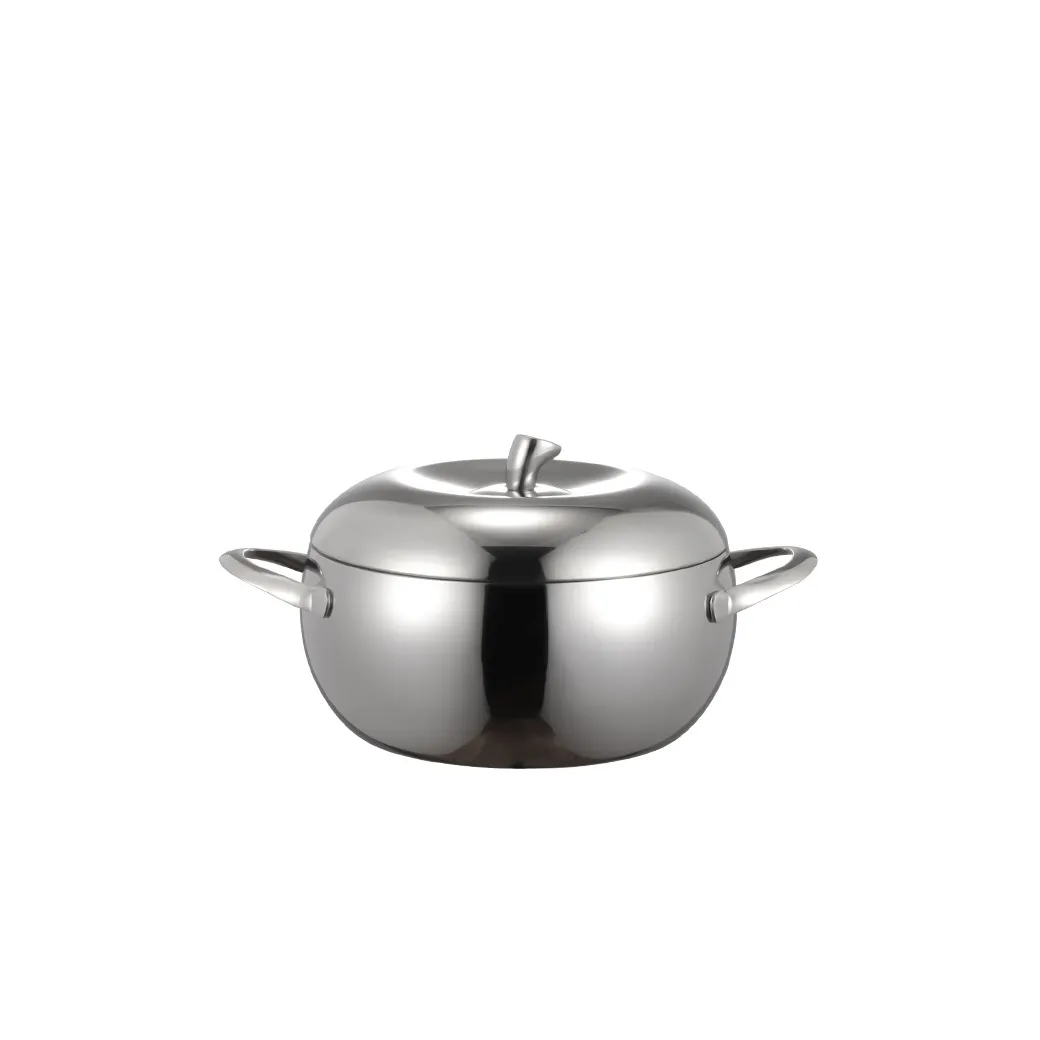
Les détaillants haut de gamme et les marques de distributeur devraient envisager d'adopter des batteries de cuisine à triple ou quintuple épaisseur. Ces produits offrent des performances culinaires exceptionnelles, un design haut de gamme et une différenciation plus marquée sur le marché, ce qui permet aux marques de pratiquer des prix de vente plus élevés.
Choisir la bonne conception ne revient pas à opter pour la solution la plus coûteuse, mais à faire correspondre les performances du produit aux attentes des clients et au positionnement sur le marché.

Conclusion
Les ustensiles de cuisine à simple épaisseur et à épaisseurs multiples répondent chacun à des besoins différents du marché. Les ustensiles à simple épaisseur se caractérisent par leur prix abordable, leur production rapide et un excellent rapport qualité-prix pour les ventes en grand volume, tandis que les ustensiles à épaisseurs multiples offrent des performances de cuisson supérieures, un positionnement haut de gamme et une rentabilité à long terme plus élevée.
Pour les acheteurs en gros, le meilleur choix dépend davantage de votre marché cible que du produit en lui-même. En comprenant les attentes de vos clients et en vous associant à un partenaire expérimenté fabricant d'ustensiles de cuisine sur mesure, vous pouvez constituer une gamme d'ustensiles de cuisine alliant qualité, prix et succès commercial. Que vous recherchiez des ustensiles de cuisine économiques destinés à la grande distribution ou des produits haut de gamme pour des marques de distributeur, le choix du bon partenaire de fabrication est la clé d'une croissance durable.
Pourquoi choisir Chances comme fabricant d'ustensiles de cuisine ?
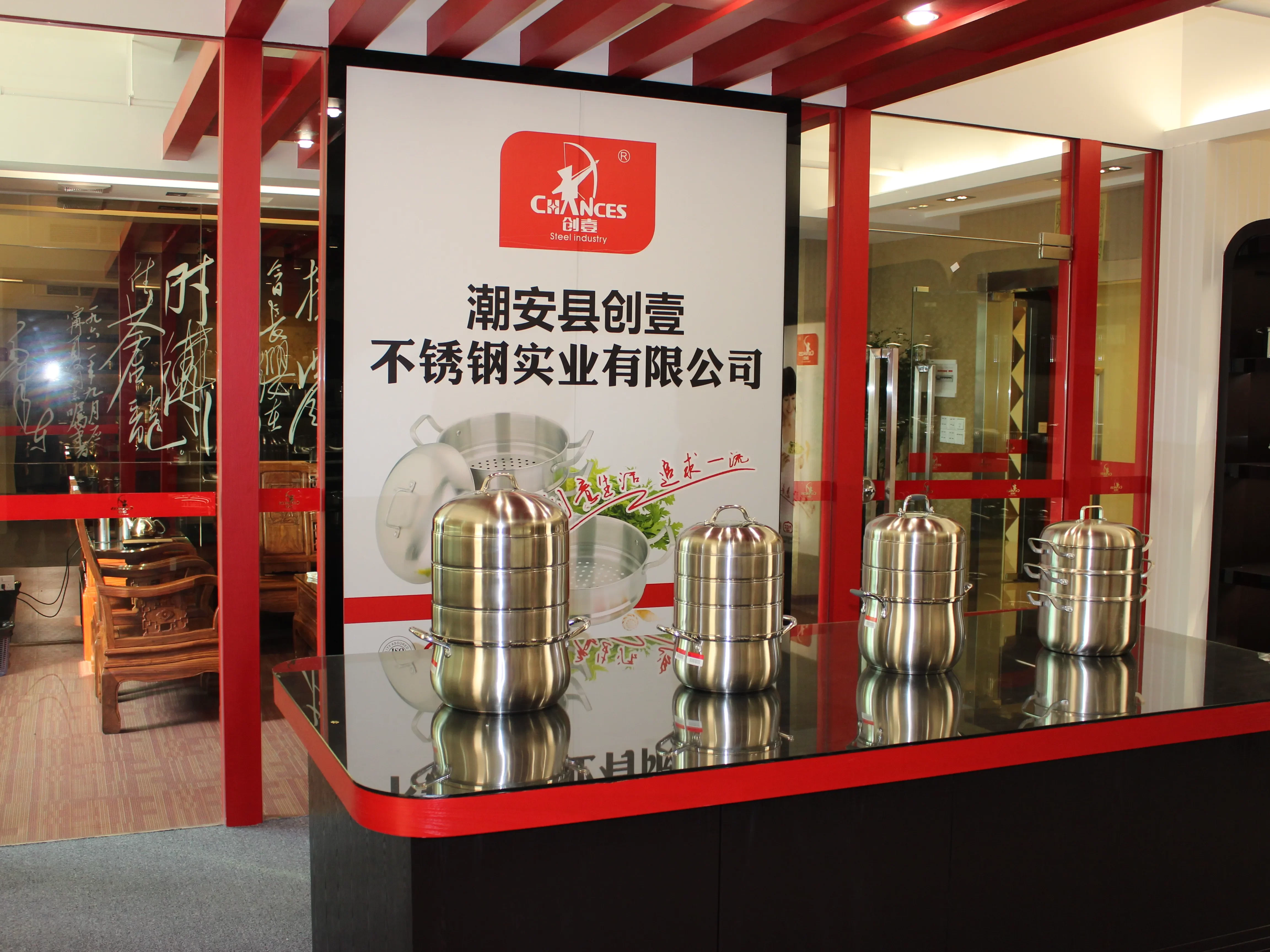
Travailler avec un Fabricant d'ustensiles de cuisine en gros vous permet de proposer les produits adaptés à chaque segment de marché. En tant que professionnel, Fournisseur d'ustensiles de cuisine en acier inoxydable, Chancescook fabrique des ustensiles de cuisine à une seule épaisseur et à plusieurs épaisseurs, notamment des modèles à assemblage par impact, à 3 épaisseurs et à 5 épaisseurs.
Nous proposons une gamme complète de Services de fabrication d'ustensiles de cuisine en acier inoxydable en OEM et ODM, en proposant des matériaux, des poignées, des couvercles, des finitions de surface, la gravure de logos et des emballages sous marque de distributeur personnalisés. Grâce à un contrôle qualité rigoureux, une capacité de production flexible et une vaste expérience en matière d'exportation, nous aidons les grossistes, les distributeurs et les propriétaires de marques à créer des gammes d'ustensiles de cuisine adaptées à leurs marchés cibles. Que vous ayez besoin d’une gamme de produits d’entrée de gamme ou d’ustensiles de cuisine haut de gamme personnalisés, notre équipe vous propose des solutions de fabrication fiables, soutenues par une qualité constante et des capacités d’approvisionnement à l’échelle mondiale.
Foire aux questions
Les ustensiles de cuisine multicouches sont-ils toujours meilleurs que ceux à simple couche ?
Pas nécessairement. Les ustensiles de cuisine multicouches offrent de meilleures performances thermiques et se positionnent dans le haut de gamme, tandis que les ustensiles monocouches constituent souvent le meilleur choix pour les marchés soucieux de leur budget et la grande distribution.
Quelle est la différence entre les ustensiles de cuisine à 3 couches et ceux à 5 couches ?
Les ustensiles de cuisine à 3 couches se composent de deux couches d'acier inoxydable avec un cœur en aluminium, tandis que ceux à 5 couches comportent des couches métalliques supplémentaires pour une meilleure rétention de la chaleur et une plus grande durabilité. Les deux offrent d'excellentes performances, les modèles à 5 couches étant généralement considérés comme une option haut de gamme.
Les ustensiles de cuisine multicouches valent-ils leur prix plus élevé ?
Pour les marques haut de gamme, les magasins spécialisés et les cuisines professionnelles, les performances culinaires améliorées et la valeur ajoutée de la marque justifient souvent le surcoût.
Quels ustensiles de cuisine sont les plus adaptés aux marques de distributeur ?
Les ustensiles de cuisine multicouches constituent généralement le choix privilégié, car ils permettent de mettre en avant une image de marque haut de gamme, de pratiquer des prix de vente plus élevés et d'assurer une meilleure différenciation des produits.
Les ustensiles de cuisine multicouches durent-ils plus longtemps ?
Oui. Sa structure en couches améliore la stabilité structurelle et la résistance à la chaleur, ce qui le rend plus résistant en cas d'utilisation fréquente.
Comment choisir le bon type de fabrication pour les ustensiles de cuisine destinés à la vente en gros ?
Tenez compte de votre clientèle cible, de la fourchette de prix de vente au détail, de votre positionnement sur le marché et du volume de ventes prévu. La meilleure solution est celle qui offre un juste équilibre entre performances, coût et attentes des clients.