KO
KO  EN
EN  FR
FR  DE
DE  RU
RU  AR
AR  ES
ES  PT
PT  JA
JA 
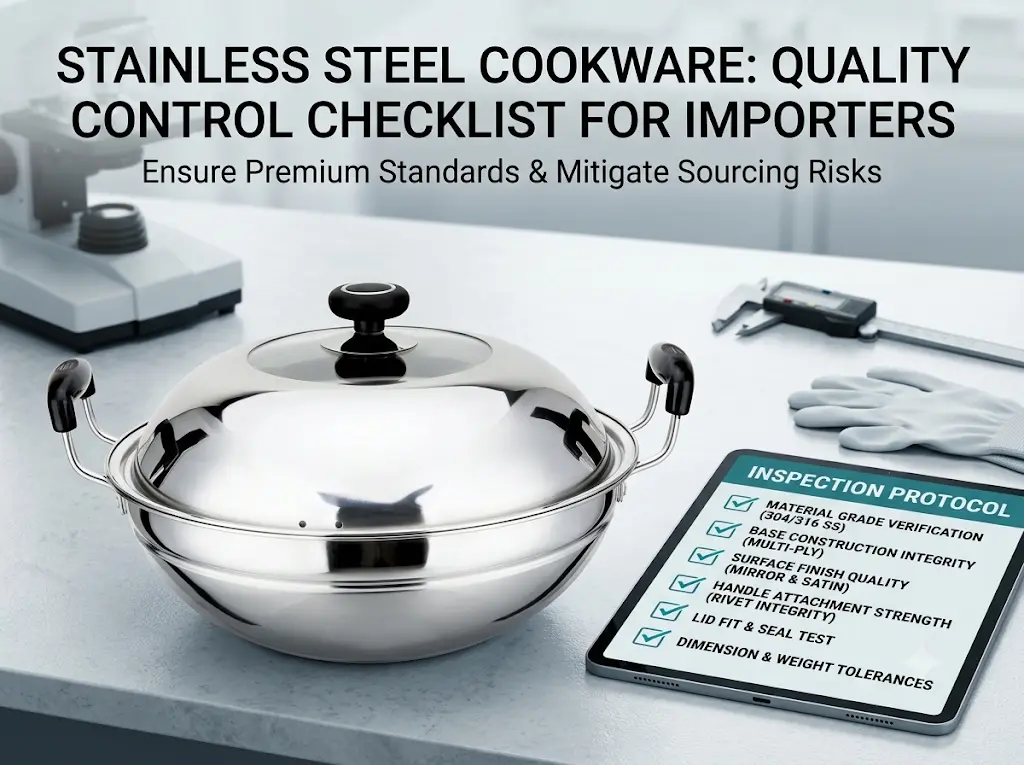
In the highly competitive global market, the quality of 스테인리스 스틸 조리기구 directly impacts a brand’s reputation and profitability. A professional quality control checklist helps importers accurately identify defects before shipment, reduce return rates, and ensure consistent product quality.
Chances, a professional wholesale cookware manufacturer with over 20 years of experience, focuses on the research and development of stainless steel 조리기구 그리고 주방용품, exporting its products to major markets worldwide, including Europe, America, Southeast Asia, the Middle East, and Africa. Leveraging its comprehensive supply chain technology and equipment covering raw materials to finished product assembly, and flexible OEM/ODM services, 기회 offers a competitive advantage.
This guide summarizes key inspection points, supplier evaluation criteria, and quality specifications to help you effectively reduce procurement risks and establish a stable and reliable supply chain.
Why Every Importer Needs a Cookware Quality Control Checklist
Quality control is more than checking finished products before shipment. It should cover the complete manufacturing process—from raw material sourcing to final packaging.
A comprehensive cookware quality control checklist helps buyers:
- Reduce quality risks before shipment
- Improve consistency across production batches
- Minimize warranty claims and product returns
- Protect brand reputation
- Ensure compliance with destination market requirements
- Build long-term supplier relationships
Instead of relying only on factory promises, importers should use measurable inspection standards throughout production.
1. Verify Stainless Steel, Material Grade
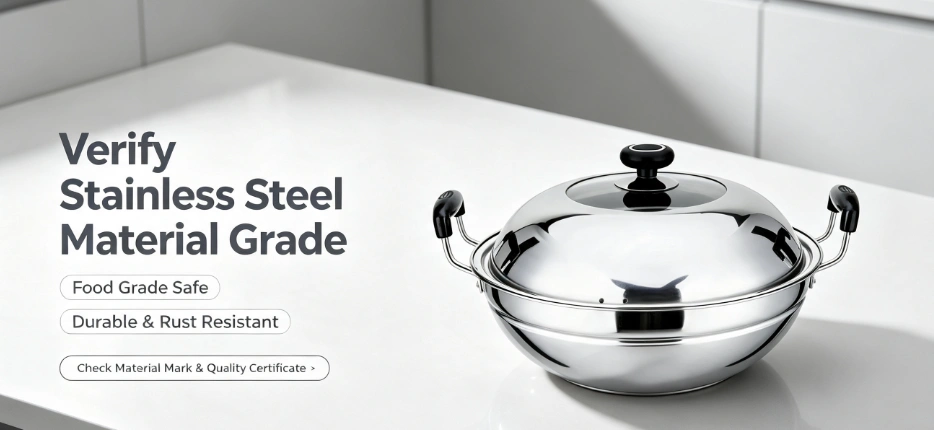
The first step in any cookware quality control checklist is verifying the raw material.
Common cookware materials include:
- SUS201
- SUS304 (18/8 Stainless Steel)
- SUS316 (Marine Grade Stainless Steel)
Buyers should request:
- 자재 인증서
- Mill Test Certificates (MTC)
- Chemical composition reports
- Supplier traceability documents
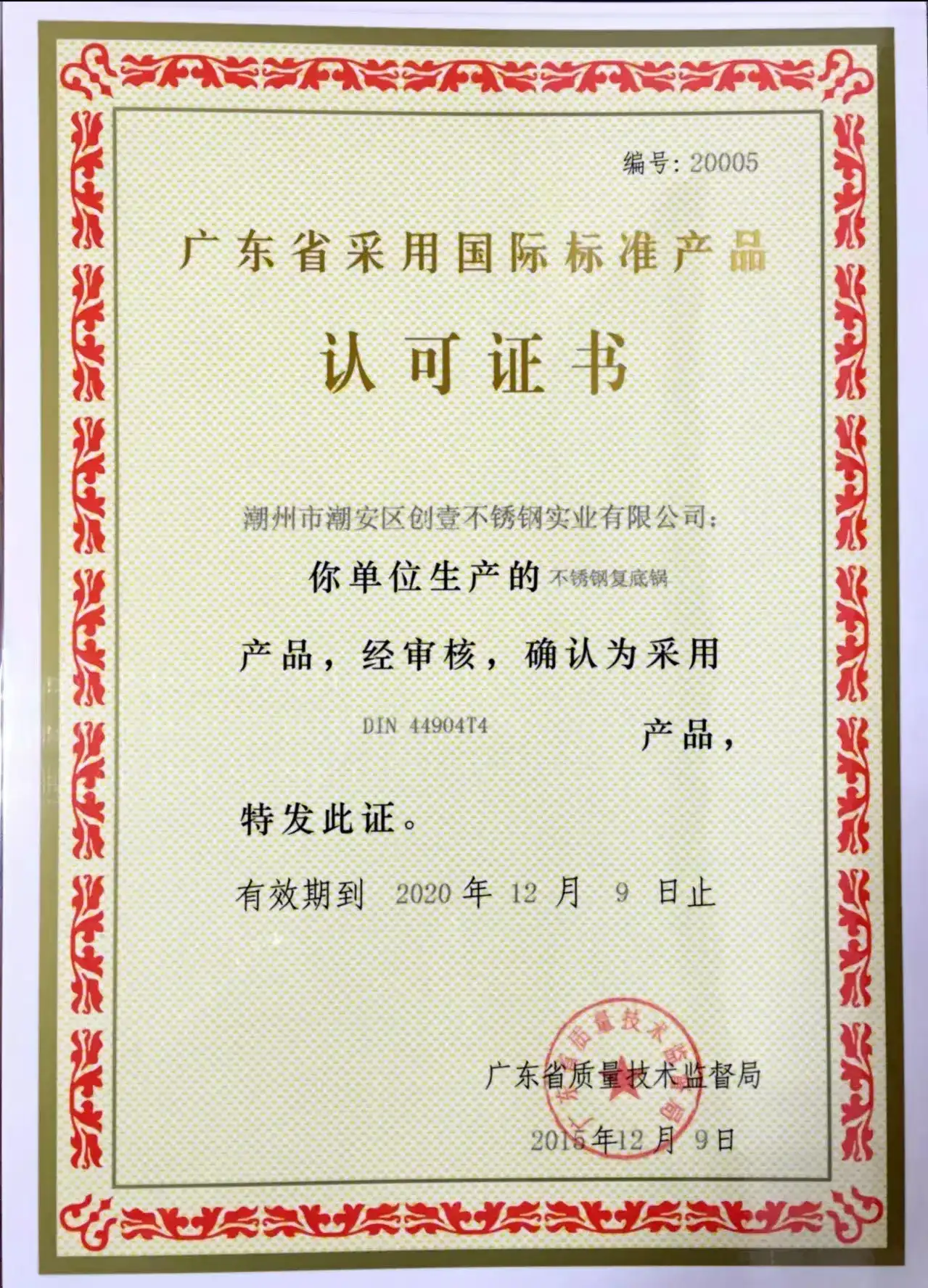
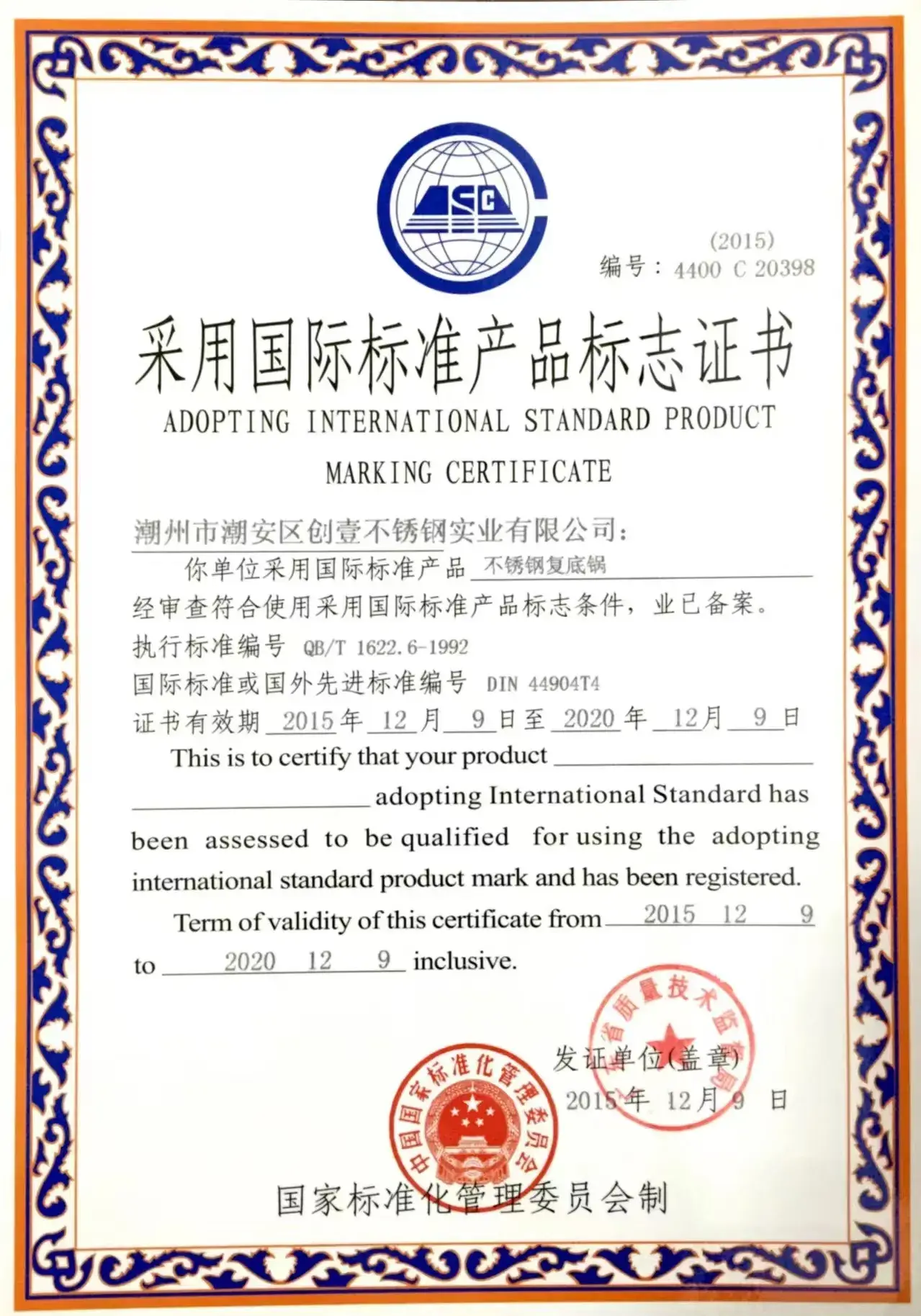
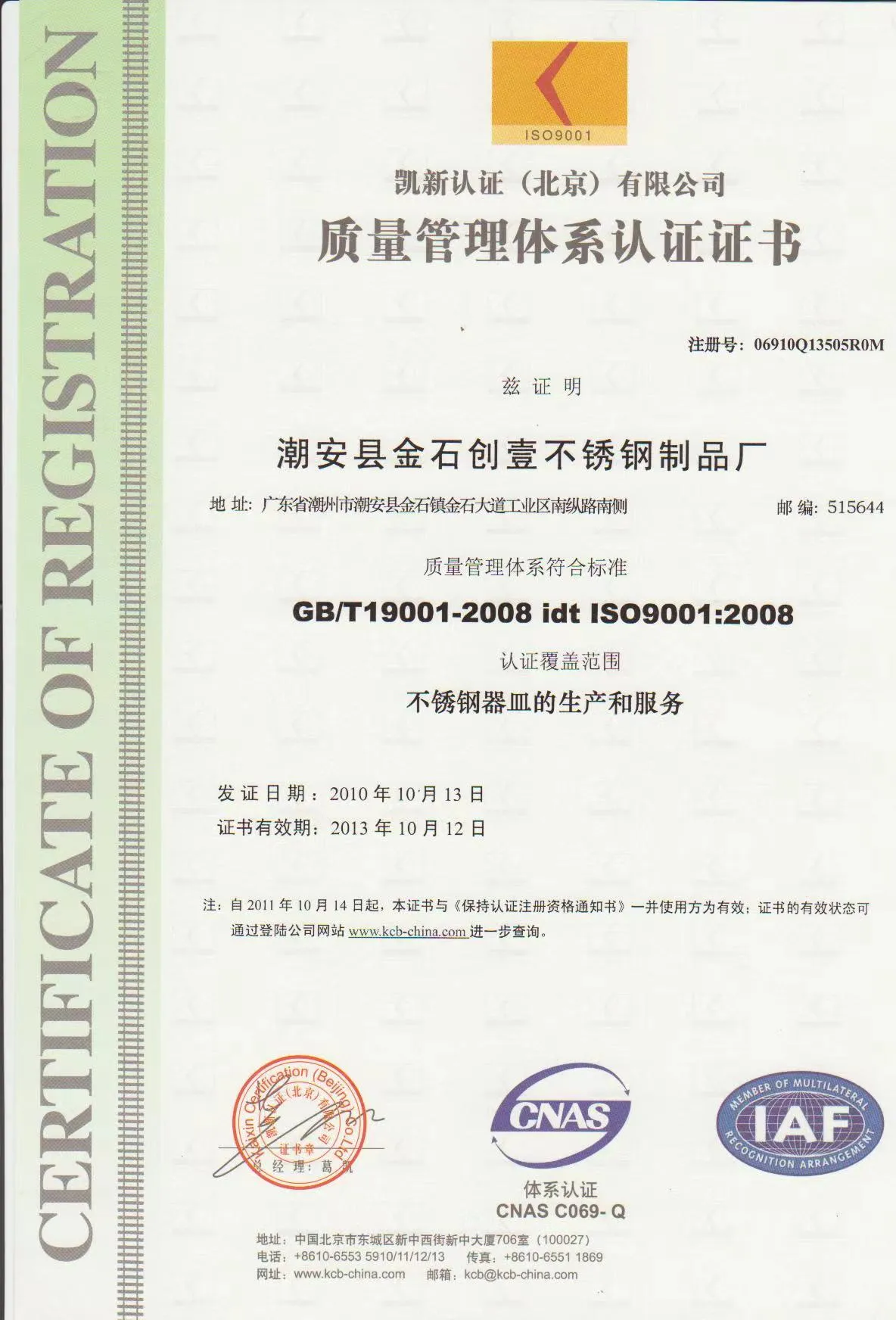
고품질 스테인리스 스틸 provides better corrosion resistance, food safety, and service life.
Inspection Points
✔ Material grade matches purchase order
✔ Steel thickness complies with specifications
✔ No rust or oxidation
✔ Uniform material surface
2. Check Surface Finish
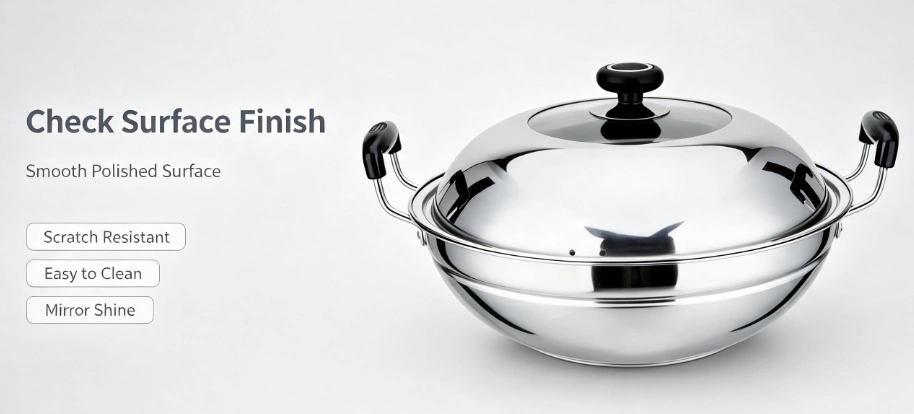
Surface appearance directly affects customer perception.
Inspect for:
- Scratches
- Dents
- Sharp edges
- 연마 일관성
- Color variation
- Fingerprints
- Welding discoloration
A premium surface finish increases product value while reducing customer complaints.
3. Inspect Welding Quality
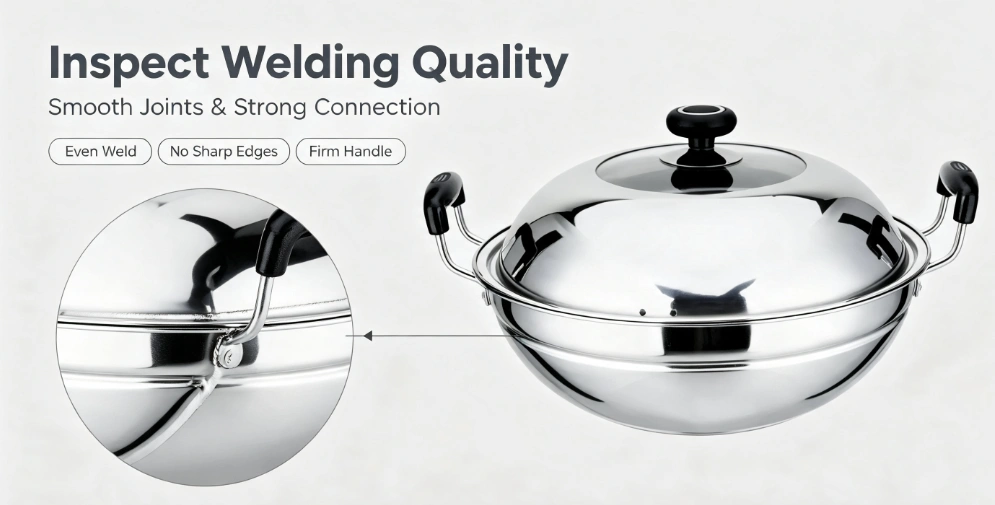
Poor welding is one of the most common reasons cookware fails during use.
An effective cookware quality control checklist should evaluate:
- Handle welding strength
- Spot welding consistency
- Rivet installation
- Weld penetration
- Cracks
- Porosity
- Misalignment
Handles should remain secure after repeated heating and daily use.
4. Verify Dimensions and Product Specifications
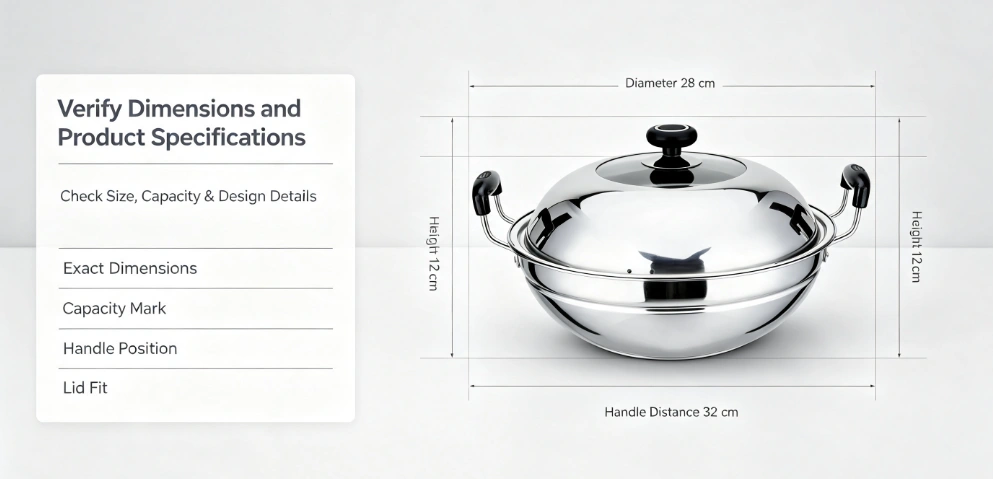
Every production batch should match approved technical drawings.
Typical inspections include:
- 지름
- 높이
- 바닥 두께
- Handle length
- Lid dimensions
- Weight tolerance
Dimensional consistency ensures compatibility with packaging and customer expectations.
5. Evaluate Bottom Construction
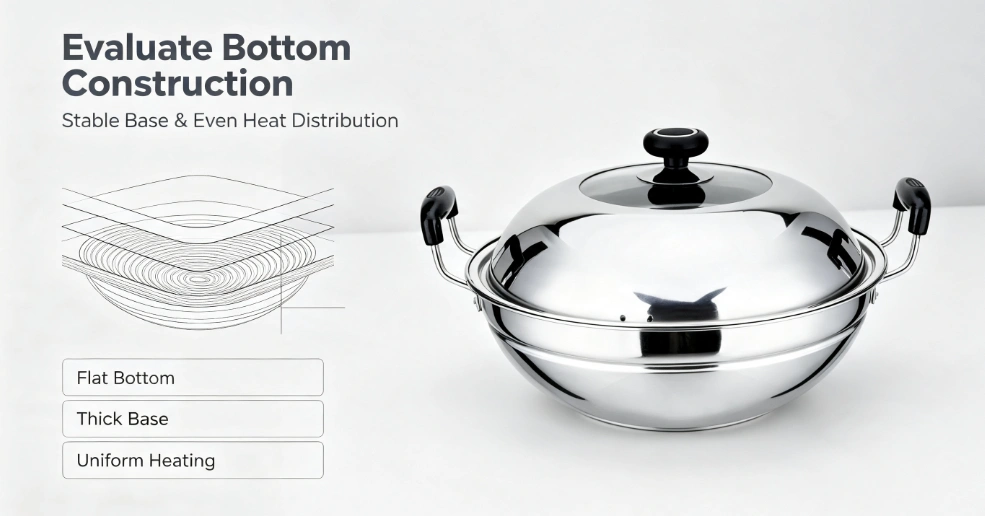
The cookware base significantly affects cooking performance.
Common structures include:
- Single-layer bottom
- Capsule bottom
- Multi-layer induction base
Inspect for:
- Flatness
- Bonding quality
- Deformation
- Warping
- Delamination
Poor bottom construction often leads to uneven heating.
6. Test Lid Fit and Handle Assembly
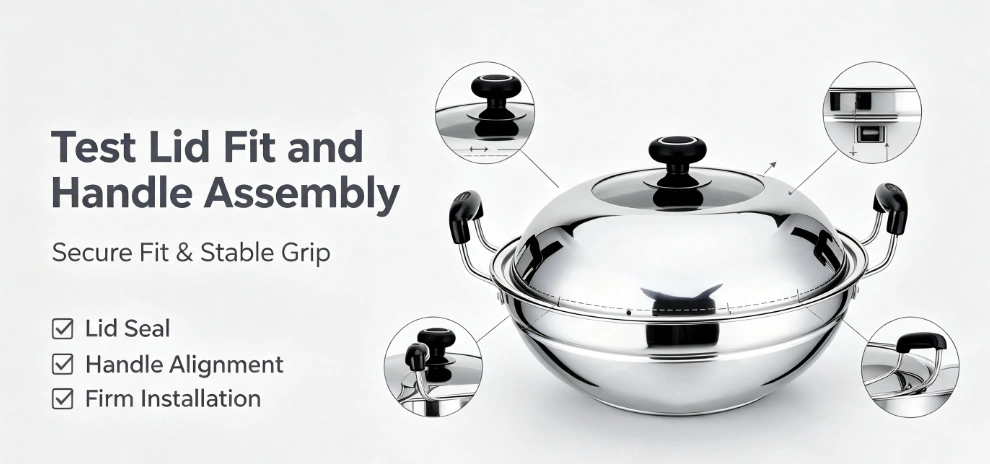
Lids should:
- Fit securely
- Sit evenly
- Open smoothly
- Prevent excessive movement
Handles should be:
- Comfortable
- Firmly attached
- Free from looseness
- Properly aligned
These seemingly small details greatly influence user experience.
7. Conduct Functional Performance Tests
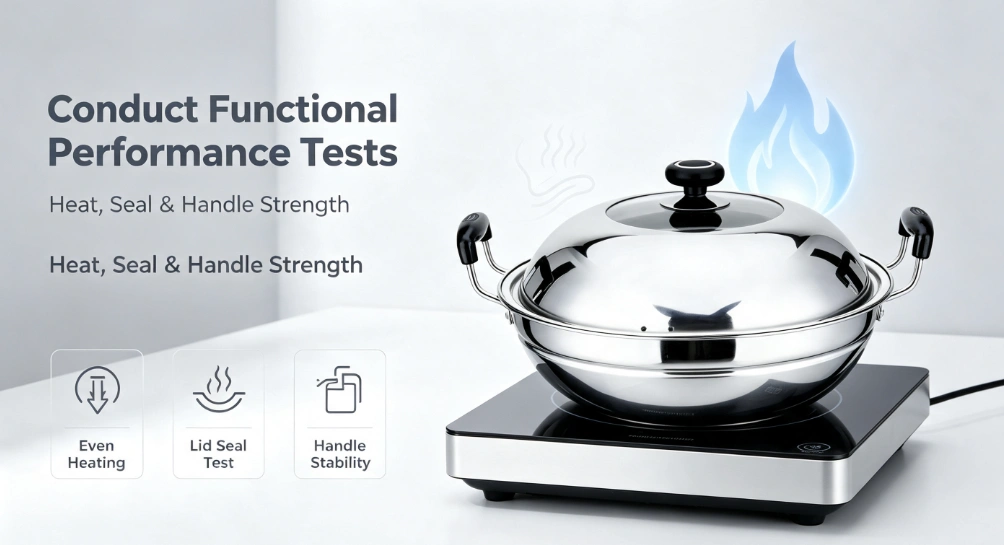
A professional cookware quality control checklist should include functional testing.
Examples include:
Heating Test
Verify even heat distribution.
Handle Strength Test
Ensure handles remain stable under load.
Leak Test
Check for leakage around welded areas.
Stability Test
Confirm cookware sits evenly on flat surfaces.
Lid Performance Test
Evaluate sealing and steam release.
8. Review Packaging Quality
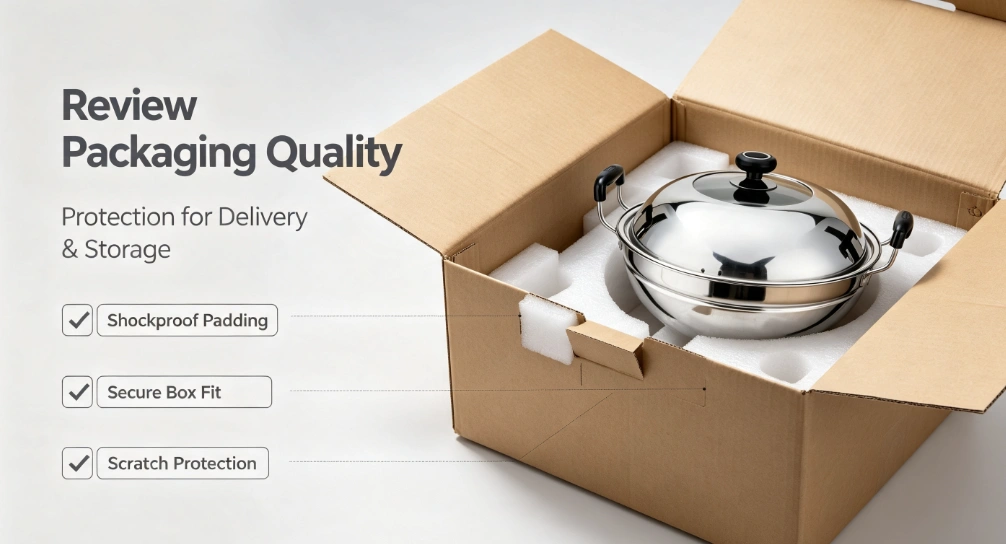
Even high-quality cookware can arrive damaged due to poor packaging.
Inspect:
- 개인 보호
- 골판지 강도
- Barcode labels
- Product manuals
- Packing quantity
- Shipping marks
- Drop resistance
Export packaging should withstand long-distance transportation.
9. Confirm Compliance Documentation
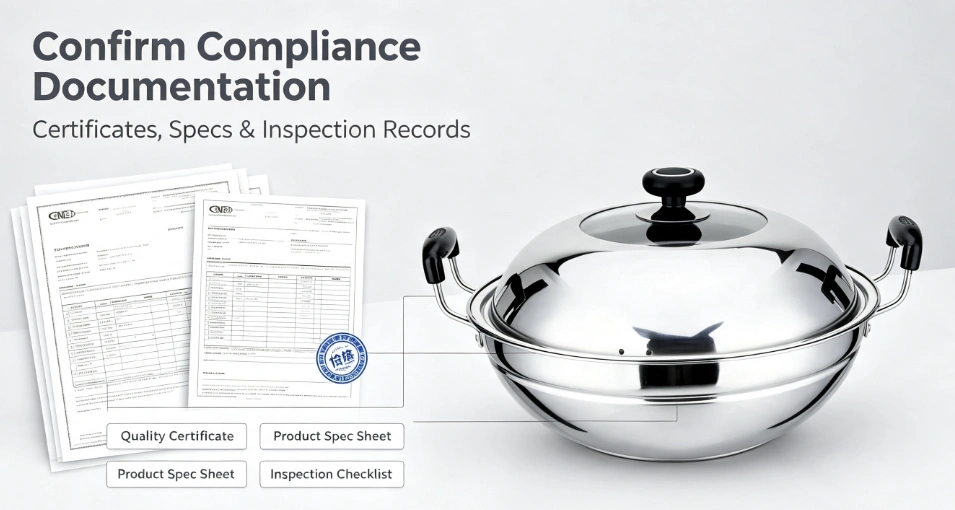
Depending on the destination market, buyers may require supporting documentation.
Common documents include:
- Food-contact compliance reports
- 자재 인증서
- Factory inspection reports
- 제품 사양
- Packing lists
- Certificates of origin
Keeping documentation complete helps avoid customs delays.
Pros and Cons of Using a Cookware Quality Control Checklist
장점
Reduces Import Risks
Systematic inspections identify defects before shipment.
Improves Product Consistency
Standardized inspections reduce batch-to-batch variation.
Protects Brand Reputation
Higher product quality leads to better customer satisfaction.
Lowers Long-Term Costs
Preventing defects is generally less expensive than handling returns, replacements, and warranty claims.
Supports Better Supplier Management
A documented checklist creates clear quality expectations between buyers and manufacturers.
단점
Requires Additional Inspection Time
More detailed inspections may slightly extend production schedules.
May Increase Initial Costs
Third-party inspections and laboratory testing require additional investment.
Needs Continuous Updates
Inspection standards should evolve as products and regulations change.
Despite these considerations, the long-term benefits generally outweigh the costs for most importers.
Common Mistakes Importers Should Avoid
Many sourcing problems are preventable.
Avoid these common mistakes:
- 가격만을 기준으로 공급업체를 선정하는 것
- Skipping sample approval
- Ignoring production inspections
- Overlooking packaging quality
- Not requesting material certificates
- Failing to perform pre-shipment inspections
Following a standardized cookware quality control checklist significantly reduces these risks.
Industry Best Practices and International References
International organizations recommend implementing documented quality management systems and product safety controls throughout manufacturing.
For example:
- ISO 9001 emphasizes process-based quality management, risk control, and continuous improvement, helping manufacturers deliver consistent product quality.
- 그리고 미국 식품의약국(FDA) provides regulations and guidance for materials intended to come into contact with food, supporting food safety compliance in export markets.
- 그리고 European Commission Framework Regulation (EC) No. 1935/2004 establishes general requirements for food contact materials sold within the European Union, ensuring they do not transfer harmful substances to food.
Aligning supplier inspections with these internationally recognized standards helps importers improve compliance and reduce market-entry risks.
자주 묻는 질문
Q1: Why is a cookware quality control checklist important?
It helps identify manufacturing defects before shipment, reducing returns, complaints, and sourcing risks.
Q2: Which stainless steel grade is best for cookware?
SUS304 is widely used because it offers an excellent balance of corrosion resistance, durability, and food safety. SUS316 is preferred for more demanding environments.
Q3: When should inspections be performed?
Ideally during raw material inspection, in-process production, and final pre-shipment inspection.
Q4: Should importers use third-party inspection companies?
Yes. Independent inspections provide objective evaluations and can help verify compliance before shipment.
Q5: What is the biggest quality risk when importing cookware?
Inconsistent manufacturing processes, poor welding, incorrect material grades, and inadequate packaging are among the most common causes of product defects.
결론
A well-designed cookware quality control checklist is one of the most valuable tools for importers sourcing 스테인리스 스틸 조리기구. By verifying raw materials, inspecting workmanship, conducting functional tests, reviewing packaging, and confirming compliance documents, buyers can significantly reduce sourcing risks while ensuring consistent product quality.
Rather than focusing solely on price, successful importers prioritize manufacturers with stable production systems, rigorous quality management, and transparent inspection procedures. Investing in quality control before shipment ultimately lowers costs, protects brand reputation, and creates stronger, more sustainable supplier relationships.
Chances와 협력하여 신뢰할 수 있는 스테인리스 스틸 조리도구 제조를 실현하세요
Founded in 1996 in Caitang, Chaozhou—widely known as the “Stainless Steel Kingdom” of China—Chances has more than 20 years of experience manufacturing wholesale stainless steel cookware 그리고 주방용품 for global markets. Our products are exported to South America, Southeast Asia, the Middle East, Africa, Europe, and North America.
With advanced production equipment and a fully integrated manufacturing chain from raw material processing to finished product assembly, we maintain strict quality control at every stage of production. Our flexible OEM and ODM capabilities allow us to develop customized cookware solutions that meet the diverse needs of wholesalers, distributors, retailers, and private-label brands.
Whether you are launching a new cookware collection or expanding your existing product line, 기회 is committed to delivering dependable quality, competitive manufacturing, and long-term partnership support. Contact our team today to discuss your next stainless steel cookware project and discover how we can help your business grow.