KO
KO  EN
EN  FR
FR  DE
DE  RU
RU  AR
AR  ES
ES  PT
PT  JA
JA 
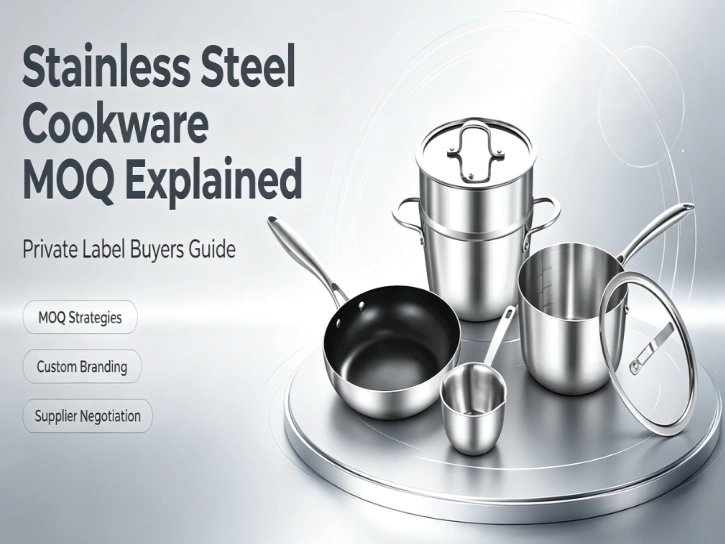
비용, 맞춤 제작, 재고 위험을 균형 있게 고려하려는 사설 브랜드 구매자에게는 스테인리스 스틸 조리용기의 최소 주문 수량(MOQ)을 이해하는 것이 필수적입니다. 최소 주문 수량(MOQ)은 단순히 공장 정책에 의해서만 결정되는 것이 아니라, 금형, 자재, 포장, 생산 효율성 및 공급업체의 역량에 따라 달라집니다.
20년 이상의 제조 경험을 바탕으로, 기회 유연한 OEM/ODM 스테인리스 스틸 조리도구 솔루션을 제공하여, 글로벌 브랜드, 도매업체 및 유통업체가 신뢰할 수 있는 품질과 경쟁력 있는 생산 전략을 바탕으로 성공적인 자체 브랜드 제품 라인을 출시할 수 있도록 지원합니다.
스테인리스 조리용기의 최소 주문 수량(MOQ)은 얼마인가요?
수입업체, 도매업체, 아마존 판매자, 소매업체 및 자체 브랜드 업체의 경우, 조리도구를 조달할 때 가장 먼저 떠오르는 질문 중 하나는 다음과 같습니다:
“최소 주문 수량(MOQ)은 얼마인가요?”
언뜻 보면 MOQ(최소 주문 수량)는 단순한 구매 요건처럼 보입니다. 하지만 실제로는, 스테인리스 조리도구 최소 주문 수량(MOQ) 이는 제조 경제성, 생산 효율성, 맞춤화 요구 사항, 원자재 조달 및 포장 구성에 따라 결정됩니다.
처음 구매하는 많은 사람들은 MOQ가 단순히 공장에서 정한 숫자라고 생각합니다. 하지만, 경험이 풍부한 제조업체들 생산 비용과 운영 효율성을 바탕으로 최소 주문 수량(MOQ)을 설정한다.
스테인리스 조리용기의 MOQ는 제조업체가 한 번의 생산 공정에서 요구하는 최소 주문 수량을 의미합니다.
최소 주문 수량(MOQ)이 존재하는 이유는, 생산량이 100개이든 10,000개이든 상관없이 모든 생산 배치에는 고정 제조 비용이 발생하기 때문입니다. 이러한 비용에는 다음이 포함됩니다:
- 원료 준비
- 기계 설정
- 곰팡이 설치
- 생산 라인 조정
- 노동 배분
- 품질 검사
- 포장 설정
- 수출 서류
합리적인 생산량이 확보되지 않으면, 이러한 고정 비용으로 인해 단가가 크게 상승하게 되어 공급업체와 구매자 모두에게 비효율적인 제조 환경이 조성됩니다. MOQ는 제조업체가 안정적인 생산을 유지할 수 있도록 돕는 동시에 구매자가 경쟁력 있는 가격을 확보할 수 있게 해줍니다.
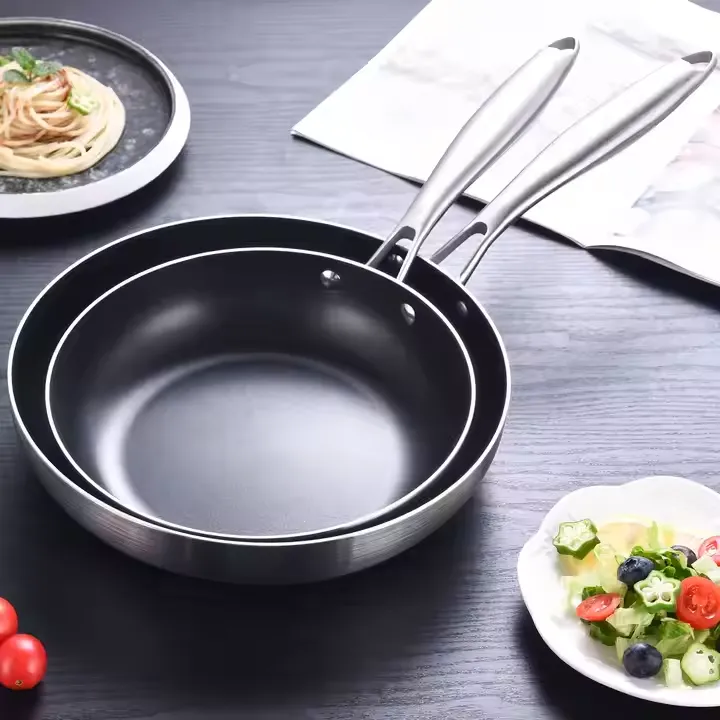
스테인리스 조리용기의 최소 주문 수량(MOQ)이 왜 중요한가요?
자사 브랜드 사업의 경우, 최소 주문 수량(MOQ)은 단순히 구매 수량에만 영향을 미치는 것이 아닙니다.
이는 다음 사항에 직접적인 영향을 미칩니다:
- 초기 투자
- 단위 제조 원가
- 현금 흐름
- 재고 회전율
- 시장 출시 기간
- 제품 맞춤 설정 옵션
- 장기 공급망 계획
적절한 스테인리스 조리도구 최소 주문 수량(MOQ)을 선정하면, 기업은 재정적 위험을 줄이면서도 고객 수요를 충족할 수 있는 충분한 재고를 확보한 상태로 제품을 출시할 수 있습니다.
최소 주문 수량(MOQ)이 높은 주문의 장단점
장점
단가 인하
생산량이 증가하면 설비 가동 준비 비용, 자재 낭비 및 기계 가동 중단 시간이 줄어들어, 제조업체는 더욱 경쟁력 있는 가격을 제시할 수 있게 됩니다.
생산 효율 향상
대량 주문은 제조 효율을 높이고 생산 일정을 간소화하여, 품질의 안정성을 높이고 생산 주기를 단축하는 결과를 가져옵니다.
더 폭넓은 맞춤 설정 가능성
일반적으로 제조업체들은 대량 주문의 경우 맞춤형 금형, 레이저 각인 로고, 고급 포장, 독점적인 제품 디자인 등을 더 기꺼이 지원해 줍니다.
공급망 안정성 강화
일관된 발주는 원자재 확보와 생산 능력 유지를 돕고, 공급망 차질을 줄여줍니다.
단점
더 많은 초기 투자
최소 주문 수량(MOQ)이 많을수록 선투자가 더 많이 필요하기 때문에, 신생 브랜드나 소규모 기업에게는 부담이 될 수 있습니다.
재고 관리의 부담
과잉 재고는 창고 보관 비용을 증가시키고, 판매가 부진한 상품으로 인한 위험을 높입니다.
제품 유연성 저하
대량 생산을 할 경우 새로운 디자인을 도입하거나 변화하는 시장 동향에 신속하게 대응하기가 더 어려워집니다.
스테인리스 조리용기의 최소 주문 수량(MOQ)은 무엇에 의해 결정되나요?
조리도구 제조업체가 제시하는 최종 최소 주문 수량(MOQ)은 여러 제조 관련 요인에 따라 결정됩니다.
1. 제품의 복잡성
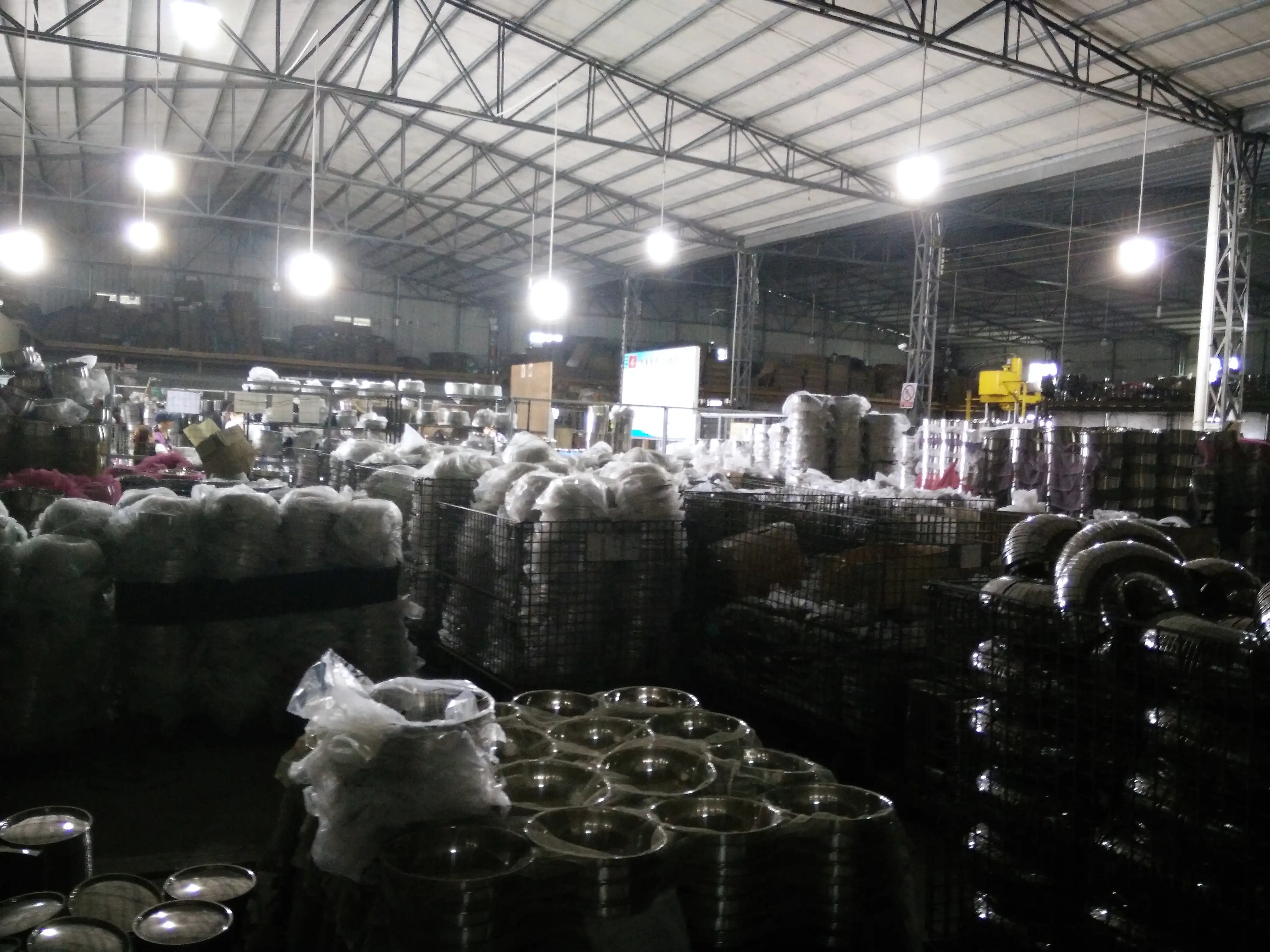
일반적인 제품은 고도로 맞춤화된 조리도구보다 최소 주문 수량(MOQ)이 낮은 편입니다.
예를 들어:
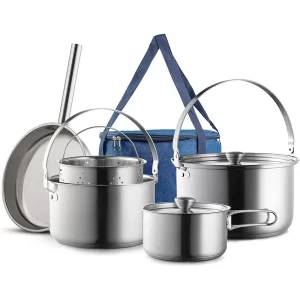
- 일반 스톡 냄비
- 냄비
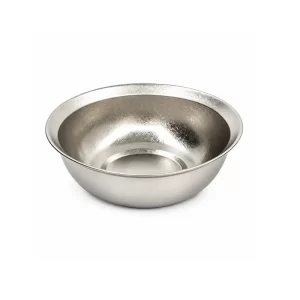
- 믹싱 볼
- 증기선
일반적으로 다음을 특징으로 하는 제품보다 생산량이 적습니다:
- 다층 구조
- 특수 형상의 손잡이
- 복합형 덮개 어셈블리
- 맞춤형 용접 구조물
- 독특한 액세서리
생산 공정이 많을수록 경제적인 생산량이 높아진다.
2. OEM 대 ODM 제조
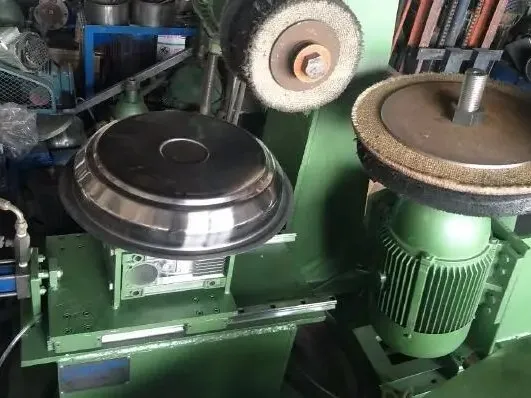
제조 방식은 스테인리스 조리용기의 최소 주문 수량(MOQ)에 상당한 영향을 미칩니다.
ODM 제품
ODM 제품은 기존의 금형과 생산 라인을 활용합니다.
사용자 지정은 대개 다음으로 제한됩니다:
- 로고 각인
- 컬러 박스
- 사용 설명서
- 패키지 디자인
이미 금형이 마련되어 있기 때문에, ODM 프로젝트는 일반적으로 최소 주문 수량(MOQ)이 적고 리드 타임이 더 짧습니다.
OEM 제품
OEM 프로젝트에는 다음과 같은 맞춤형 개발이 포함됩니다:
- 새로운 조리도구 디자인
- 독점 핸들
- 사용자 정의 치수
- 독특한 뚜껑
- 구조적 수정
새로운 금형 제작, 기술 검증 및 생산 테스트가 필요하기 때문에, OEM 조리도구 프로젝트의 경우 개발 비용을 효율적으로 분산시키기 위해 일반적으로 더 높은 최소 주문 수량(MOQ)이 요구됩니다.
3. 원자재 조달
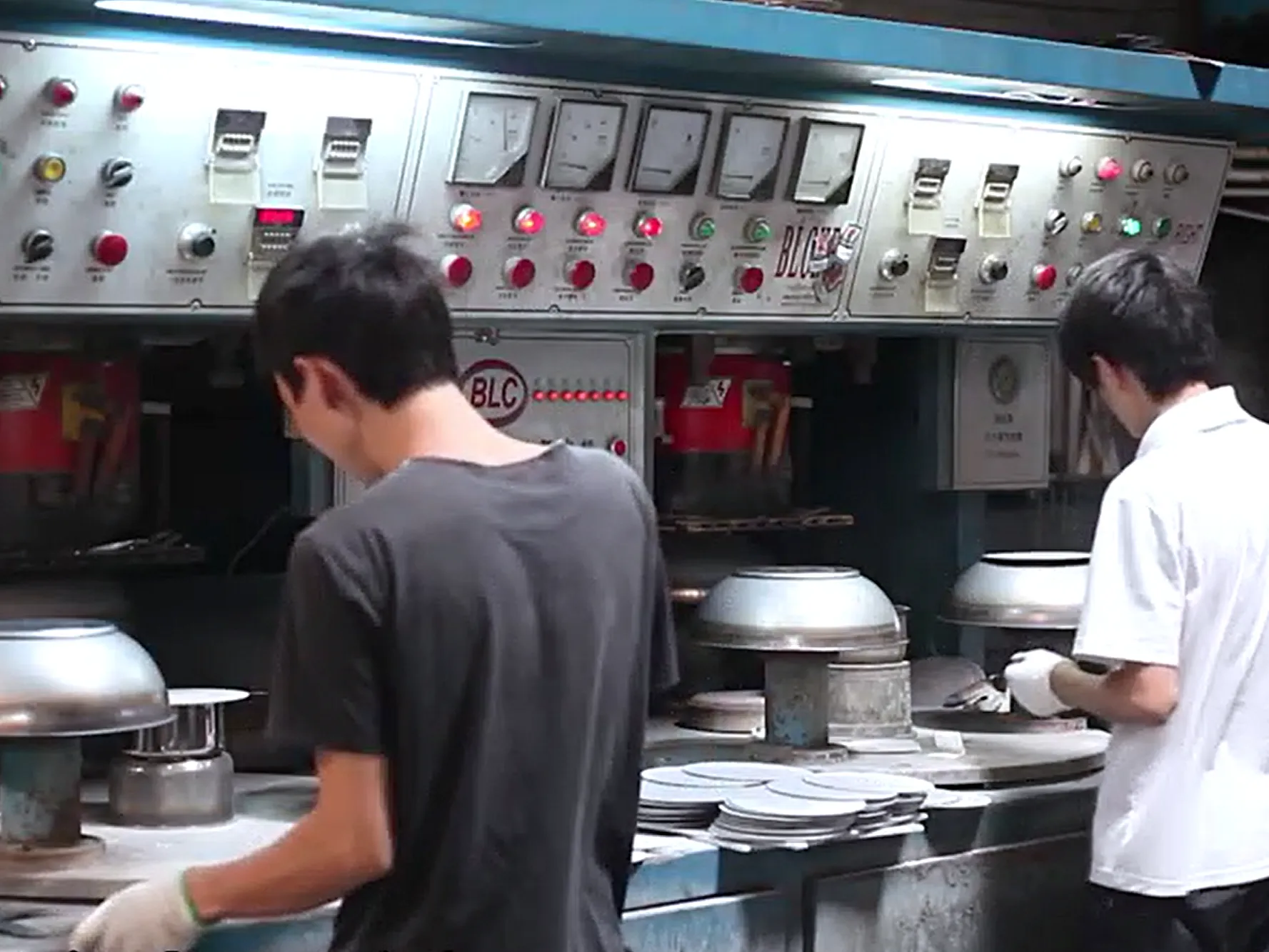
원자재 구매도 최소 주문 수량(MOQ)에 영향을 미칩니다.
제조업체들은 대개 다음 기준에 따라 스테인리스강 코일을 대량으로 구매합니다:
- 강종
- 두께
- 너비
- 표면 마감
제품에 특별한 재료 사양이 필요한 경우, 제철소 측에서 최소 구매 수량을 지정할 수 있습니다.
일반적인 조리도구 재질로는 다음과 같은 것들이 있습니다:
- 201 스테인리스 스틸
- 304 스테인리스 스틸
- 430 스테인리스 스틸
흔하지 않은 소재나 맞춤형 두께의 경우, 공급업체가 더 많은 양의 원자재를 일괄 구매해야 하기 때문에 최소 주문 수량(MOQ)이 늘어나는 경우가 많습니다.
4. 맞춤형 포장 요건
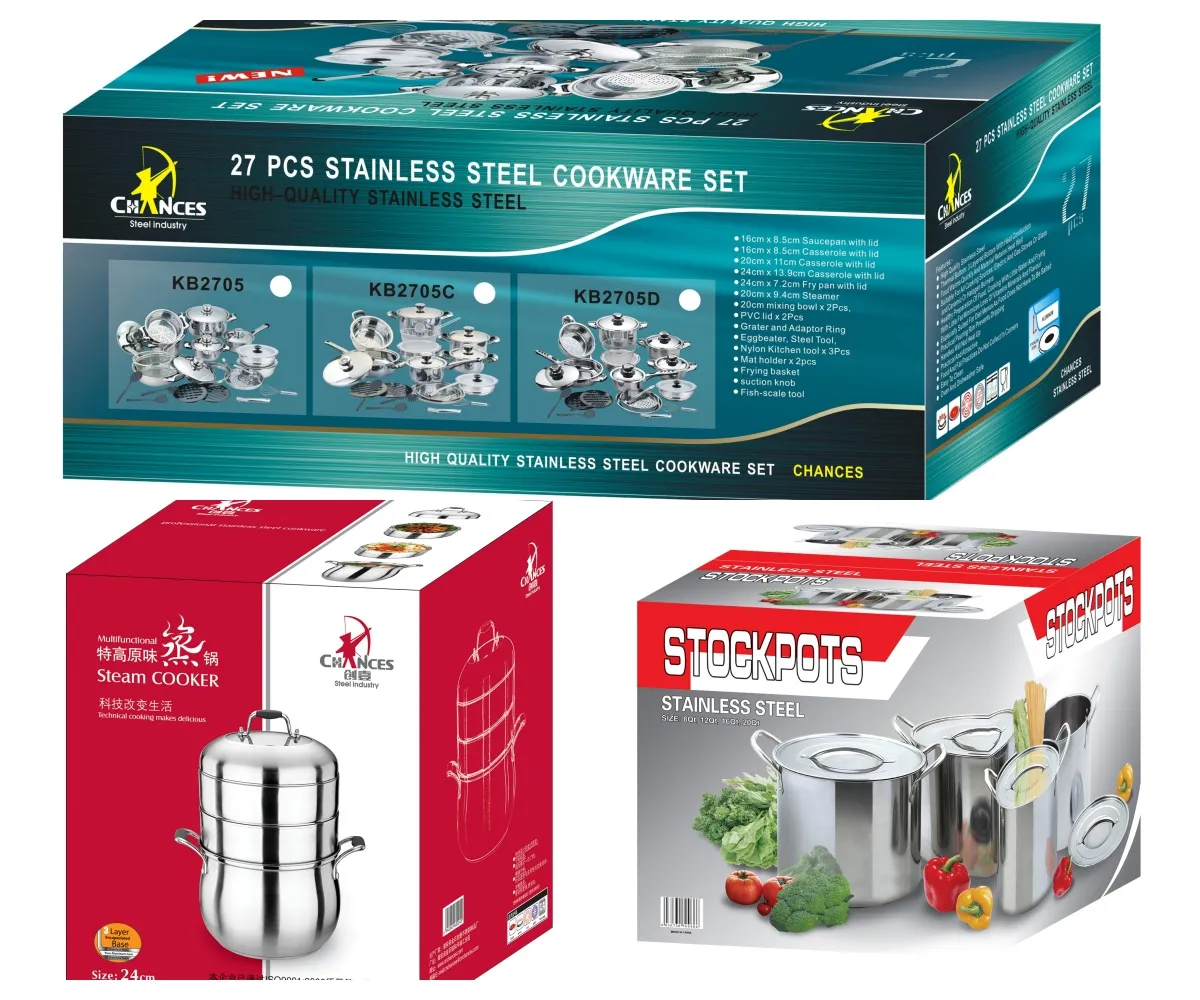
많은 구매자들이 포장재에도 종종 별도의 최소 주문 수량(MOQ)이 적용된다는 사실을 간과하곤 합니다.
예를 들면 다음과 같습니다:
- 맞춤형 선물 상자
- 인쇄된 골판지 상자
- 색상 라벨
- 사용 설명서
- 바코드 스티커
- 소매용 진열 포장
Printing companies typically require minimum production quantities for customized packaging, which can influence the overall stainless steel cookware MOQ even if the cookware itself could be produced in smaller batches.
5. Surface Finishes and Branding
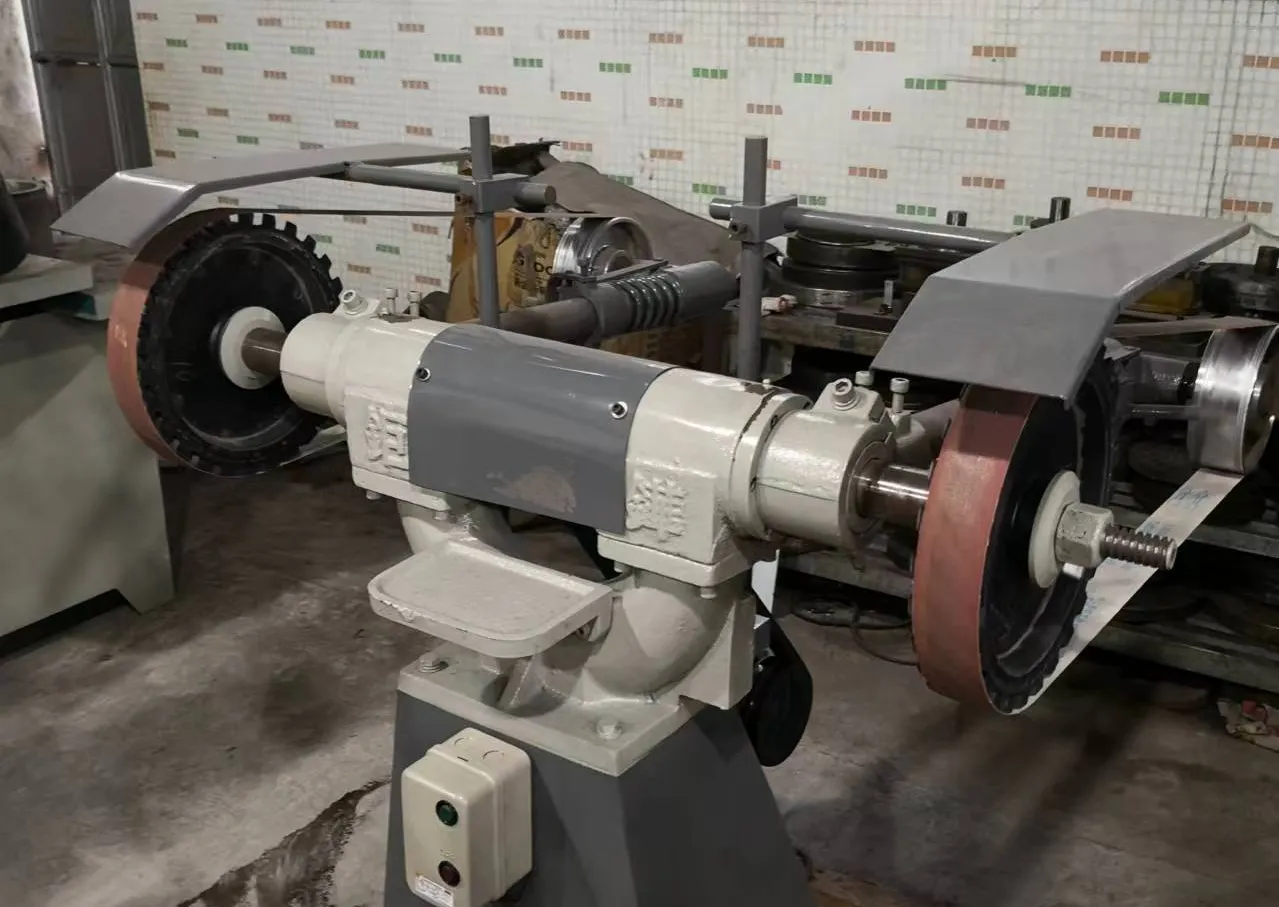
Premium finishing processes also affect production planning.
예를 들면 다음과 같습니다:
- Mirror polishing
- Satin brushing
- PVD coatings
- 레이저 인그레이빙
- 양각 로고
- Custom handle colors
Additional finishing processes increase setup time, labor, and inspection requirements, making larger production runs more economical.
주문 유형별 일반적인 스테인리스 조리도구 최소 주문 수량(MOQ)
Although every manufacturer has different production capabilities, buyers can generally expect the following ranges:
| Order Type | Typical MOQ |
|---|---|
| Standard Catalog Products | 500–1,000 pcs |
| Private Label (Existing Mold) | 1,000–3,000 pcs |
| OEM Without New Tooling | 1,000–3,000 pcs |
| Fully Customized OEM Products | 3,000–5,000+ pcs |
Actual MOQs vary depending on product complexity, customization depth, packaging, and factory capacity. Buyers should confirm requirements during the quotation stage rather than assuming a universal standard.
프라이빗 라벨 구매자들이 흔히 저지르는 실수
Even experienced importers can make costly mistakes when managing stainless steel cookware MOQ. Avoiding these pitfalls helps reduce procurement risks, control inventory, and build stronger supplier relationships.
1. Choosing the Lowest MOQ Instead of the Best Value
A very low stainless steel cookware MOQ may seem attractive, but it often comes with higher unit costs, limited customization, or inconsistent quality. Evaluating the total cost of ownership—including quality, lead time, and after-sales support—is usually more beneficial than focusing on MOQ alone.
2. Ignoring Tooling and Mold Costs
For custom cookware, buyers often overlook one-time tooling or mold development fees. While these costs increase the initial investment, they enable unique product designs that strengthen brand identity and create long-term market differentiation.
3. Requesting Too Many Product Variations
Offering multiple colors, sizes, lid options, and handle styles within a single order can complicate production planning. This often leads to higher stainless steel cookware MOQ requirements, longer lead times, and increased inventory management challenges.
4. Underestimating Market Demand
Ordering quantities that exceed actual sales capacity can create excess inventory and cash flow pressure. Conversely, ordering too few units may result in frequent replenishment orders with higher logistics costs. Accurate sales forecasting is essential for determining an optimal order quantity.
스테인리스 조리도구 제조업체를 평가하는 방법
MOQ is only one factor when selecting a supplier. A comprehensive evaluation should include manufacturing capability, quality systems, and long-term partnership potential.
| 평가 영역 | 물어봐야 할 질문들 |
|---|---|
| Manufacturing Experience | How many years has the factory produced stainless steel cookware? |
| Production Capacity | Can production meet future business growth? |
| OEM/ODM 역량 | Can custom products and private labels be developed? |
| 품질 관리 | What inspections are performed before shipment? |
| Certifications | Does the factory operate under recognized quality systems? |
| 수출 실적 | Which international markets are currently served? |
| 리드 타임 | Can delivery schedules remain stable during peak seasons? |
| Communication | Does the supplier provide timely technical and after-sales support? |
Choosing a manufacturer based on these factors helps reduce procurement risks far more effectively than selecting the lowest MOQ alone.
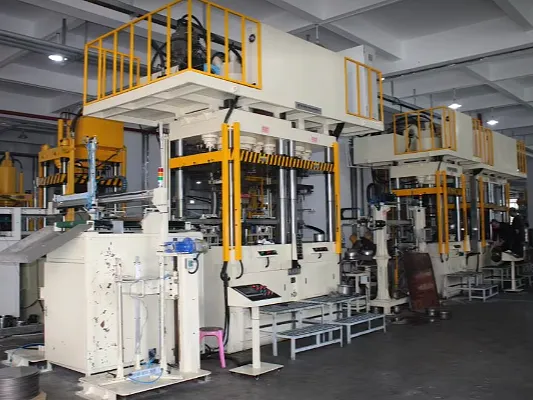
제조업체와 스테인리스 조리도구의 최소 주문 수량(MOQ)을 협상하는 방법
MOQ should not be viewed as a fixed barrier. Professional manufacturers are often willing to adjust order requirements based on the overall business opportunity.
Here are several practical negotiation strategies:
- Begin with standard catalog products before requesting customized designs.
- Consolidate multiple cookware models into one production order.
- Increase order quantities gradually after validating market demand.
- Accept standard packaging for the first order to reduce setup costs.
- Establish long-term purchasing agreements to gain greater production flexibility.
- Discuss annual purchase forecasts instead of focusing solely on the initial order.
By demonstrating long-term cooperation potential, buyers can often secure more favorable MOQ arrangements while maintaining competitive pricing.
자주 묻는 질문
Q1: What is a typical stainless steel cookware MOQ?
그리고 스테인리스 조리도구 최소 주문 수량(MOQ) varies depending on the product, customization level, and manufacturing process. Standard cookware may require only a few hundred units, while fully customized products generally require higher minimum quantities.
Q2: Why do OEM products usually have higher MOQs?
OEM products often involve custom molds, laser logos, packaging, and production adjustments. Manufacturers need larger production runs to distribute these setup costs efficiently.
Q3: Can startups negotiate lower MOQs?
Yes. Many experienced manufacturers support startups by recommending existing designs, simplifying packaging, or combining multiple products into one production order.
Q4: Does a higher MOQ always mean better pricing?
Generally yes, but buyers should evaluate the total value—including quality, lead time, customization, and service—instead of focusing only on unit price.
Q5: How can private label buyers reduce procurement risks?
Work with manufacturers that provide sample evaluation, transparent quotations, stable quality control systems, export experience, and flexible OEM/ODM services. Long-term partnerships often deliver greater value than one-time low-cost purchases.
결론
Understanding stainless steel cookware MOQ is essential for building a successful private-label cookware business. MOQ is not simply a purchasing restriction—it reflects production efficiency, manufacturing costs, customization requirements, and supply chain planning.
Rather than searching for the lowest MOQ, buyers should seek a manufacturing partner that offers the right balance of flexibility, product quality, competitive pricing, and long-term support. By planning product specifications carefully, forecasting demand accurately, and maintaining open communication with suppliers, private-label brands can optimize procurement costs while building a reliable and scalable product portfolio.
Chances와 협력하여 유연한 OEM 스테인리스 스틸 조리도구 솔루션을 확보하세요
20년 이상의 제조 경험을 바탕으로, 기회 is a trusted wholesale manufacturer specializing in 스테인리스 스틸 조리기구 및 주방용품. Our integrated production system covers every stage—from raw material processing and precision forming to polishing, assembly, inspection, and packaging—ensuring consistent quality and efficient production.
We provide flexible OEM/ODM services for importers, wholesalers, distributors, retailers, and private-label brands worldwide. Whether you are launching a new cookware collection or expanding an existing product line, our experienced engineering team can help optimize product design, recommend practical stainless steel cookware MOQ solutions, and support your long-term business growth.
에서 기회, quality control is built into every production stage, enabling us to deliver durable, food-safe, and market-ready cookware at competitive prices. We are committed to building lasting partnerships through reliable manufacturing, responsive service, and customized solutions.
연락처 기회 today to discuss your private-label cookware project and discover how our flexible OEM/ODM capabilities can help your brand succeed in global markets.