RU
RU  EN
EN  FR
FR  DE
DE  AR
AR  ES
ES  PT
PT  JA
JA  KO
KO 
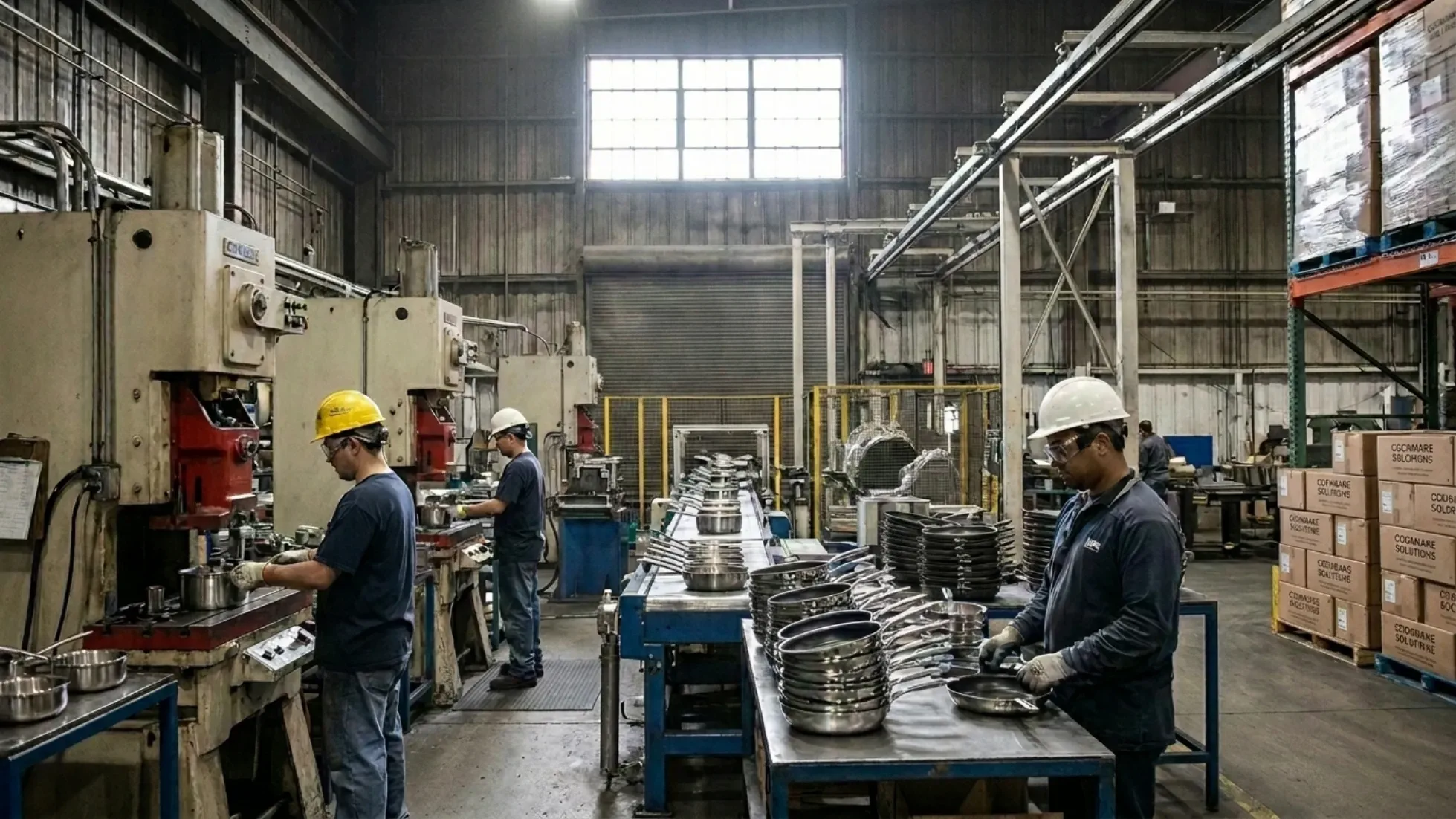
Выбор между производителем посуды и торговой компанией — это не вопрос “лучше или хуже”. Это выбор структуры цепочки поставок, который напрямую влияет на стоимость, контроль качества, масштабируемость и управление брендом.
Большинство продавцов в сфере электронной коммерции терпят неудачу не из-за низкого качества товаров, а потому, что выбирают модель сотрудничества с поставщиками, не соответствующую их текущему этапу развития. Такое несоответствие приводит к возникновению скрытых затрат: нестабильным ценам, нестабильному качеству или невозможности масштабирования.
В качестве производитель посуды из нержавеющей стали, Шансы подробно анализирует обе модели и соотносит их с реальными этапами ведения бизнеса, чтобы вы могли принять обоснованное решение о выборе поставщика, а не полагаться на догадки.
Понимание основного различия между производителем и торговой компанией
Что такое производитель кухонной посуды?
A производитель посуды — это производственное предприятие, занимающееся изготовлением посуды из нержавеющей стали или сопутствующих кухонных товаров. Оно контролирует:
- Поиск поставщиков сырья (например, нержавеющая сталь марок 304/316)
- Производственные процессы (штамповка, полировка, сварка, сборка)
- Системы контроля качества
- Разработка продукции по схеме OEM/ODM
A производитель посуды из нержавеющей стали как правило, предполагает более активное участие инженерного персонала, особенно при разработке продукции под собственной торговой маркой или по индивидуальному заказу.
Одним словом, они производят продукцию из сырья.
Что такое торговая компания, занимающаяся продажей кухонной посуды?
Торговая компания не занимается производством продукции. Вместо этого она закупает кухонную посуду у различных заводов и реализует её в рамках единой цепочки поставок.
В их обязанности входит:
- Поиск и координация поставщиков
- Выбор и комплектация товаров
- Экспорт и оформление документов
- Переговоры о ценах с заводами
Торговая компания, по сути, является посредником по поиску поставщиков, а не производственной организацией.
Одним словом, они помогают вам наладить связи с заводами.

Основные различия, влияющие на эффективность вашего бизнеса
Структура ценообразования и скрытые расходы
Производители, как правило, предлагают более низкие базовые цены, поскольку в цене отсутствуют наценки посредников.
Торговые компании включают в себя дополнительные уровни:
- Цена производителя
- Торговая маржа
- Комиссии за обслуживание (иногда включенные в минимальный объем заказа или стоимость доставки)
Однако при небольших объемах заказов торговые компании могут предложить более выгодные цены благодаря гибким требованиям к минимальному объему заказа (MOQ) или комплексному подходу к закупкам.
Настоящее отличие заключается не только в цене — оно заключается в прозрачности цен.
Минимальный объем заказа и гибкость
Производители, как правило, устанавливают более высокие минимальные объемы заказа, поскольку производственные линии оптимизированы с учетом экономии за счет масштаба.
Торговые компании могут:
- Минимальные объемы заказа для отдельных заводов
- Объединить заказы от нескольких клиентов
- Предлагать тестовые партии меньшего объема
Это делает торговые компании привлекательными для тестирования на ранних этапах, но менее эффективными при масштабировании.
Контроль качества и стабильность
Производители непосредственно контролируют производство:
- Контроль качества материалов
- Контроль качества на производственной линии
- Заключительное партийное испытание
A производитель посуды на заказ может настраивать производственные параметры на инженерном уровне.
Торговые компании полагаются на сторонние заводы, что приводит к нестабильности:
- Разные заводы для каждой партии заказа
- Ограниченный контроль над производственными процессами
- Зависимость от честности поставщика
Результат: повышенный риск несогласованности в долгосрочной стратегии брендинга.
Уровень взаимодействия и настройки
Производители могут поддерживать:
- Разработка пресс-форм
- Обработка изменений в конструкции рукоятки
- Оптимизация материалов
- Техника распределения тепла
Торговые компании ограничены существующими заводскими каталогами.
Для обеспечения значительного роста в сегменте продукции под собственной торговой маркой решающую роль играют возможности по производству по заказу (OEM).
.webp)
Что лучше на каждом этапе развития бизнеса?
Этап 1 — Этап запуска / тестирования
На начальном этапе целью является не оптимизация, а проверка.
Торговые компании зачастую являются более практичным выбором, поскольку они обеспечивают:
- Более быстрая выборка
- Более низкие требования к минимальному объему заказа
- Более широкий ассортимент продукции
- Меньше технических проблем при обмене информацией
На данном этапе вы не создаете систему — вы проверяете спрос.
Этап 2 — Этап проверки / роста
Как только вы определите наиболее успешные SKU, полагаться исключительно на торговые компании становится неэффективным.
Именно здесь возникает гибридная модель:
- Привлекать торговые компании к разведке
- Перейти на прямые закупки у производителей для успешных товаров
- Унифицировать требования к качеству
Это позволяет снизить зависимость, сохранив при этом гибкость.
Этап 3 — Расширение масштабов / Этап развития бренда
При достижении определённого масштаба торговые компании превращаются в источник затрат, а не в источник добавленной стоимости.
Прямые закупки у производителей становятся необходимыми для:
- Оптимизация маржи
- Надежная цепочка поставок
- Инновации в области продукции
- Единообразие бренда
На данном этапе, работая напрямую с оптовый поставщик посуды Или выбор производителя больше не является делом свободного выбора — это структурная необходимость.

Риски, которые нельзя игнорировать
Риски торговых компаний
Торговые компании сопряжены с определенными структурными рисками:
- Неизвестность производителя (вы можете не знать, кто на самом деле является производителем)
- Колебания цен между партиями
- Ограниченное участие инженеров
- Неодинаковое качество у разных поставщиков
Самый большой риск — это зависимость без понимания сути.
Риски, связанные с производителем
Производители тоже не застрахованы от рисков:
- Более высокие требования к минимальному объему заказа (MOQ)
- Более длительные циклы отбора проб и разработки
- Меньшая гибкость при внесении небольших изменений
- Более структурированный процесс коммуникации
Здесь речь идет о компромиссе между управляемостью и скоростью.
Когда стоит работать напрямую с производителем кухонной посуды
Когда вам нужен контроль над собственной торговой маркой
Если ваша цель — продвижение бренда, производители предлагают:
- Интеграция логотипа
- Системы индивидуальной упаковки
- Дифференциация продукции
- Разработка эксклюзивных пресс-форм
Именно здесь [производитель посуды на заказ]. становится крайне важным.
Когда требуется оптимизация затрат в широком масштабе
При больших объемах даже небольшие различия в себестоимости единицы продукции играют значительную роль.
Производители предлагают:
- Снижение удельной себестоимости
- Рычаги влияния при прямых переговорах
- Предсказуемая структура затрат
Когда вам нужна инженерная поддержка
Производители могут изменять:
- Толщина основания
- Конструкция для теплопроводности
- Эргономика рукоятки
- Обработка поверхности
Такой уровень контроля невозможен в модели, ориентированной исключительно на торговлю.
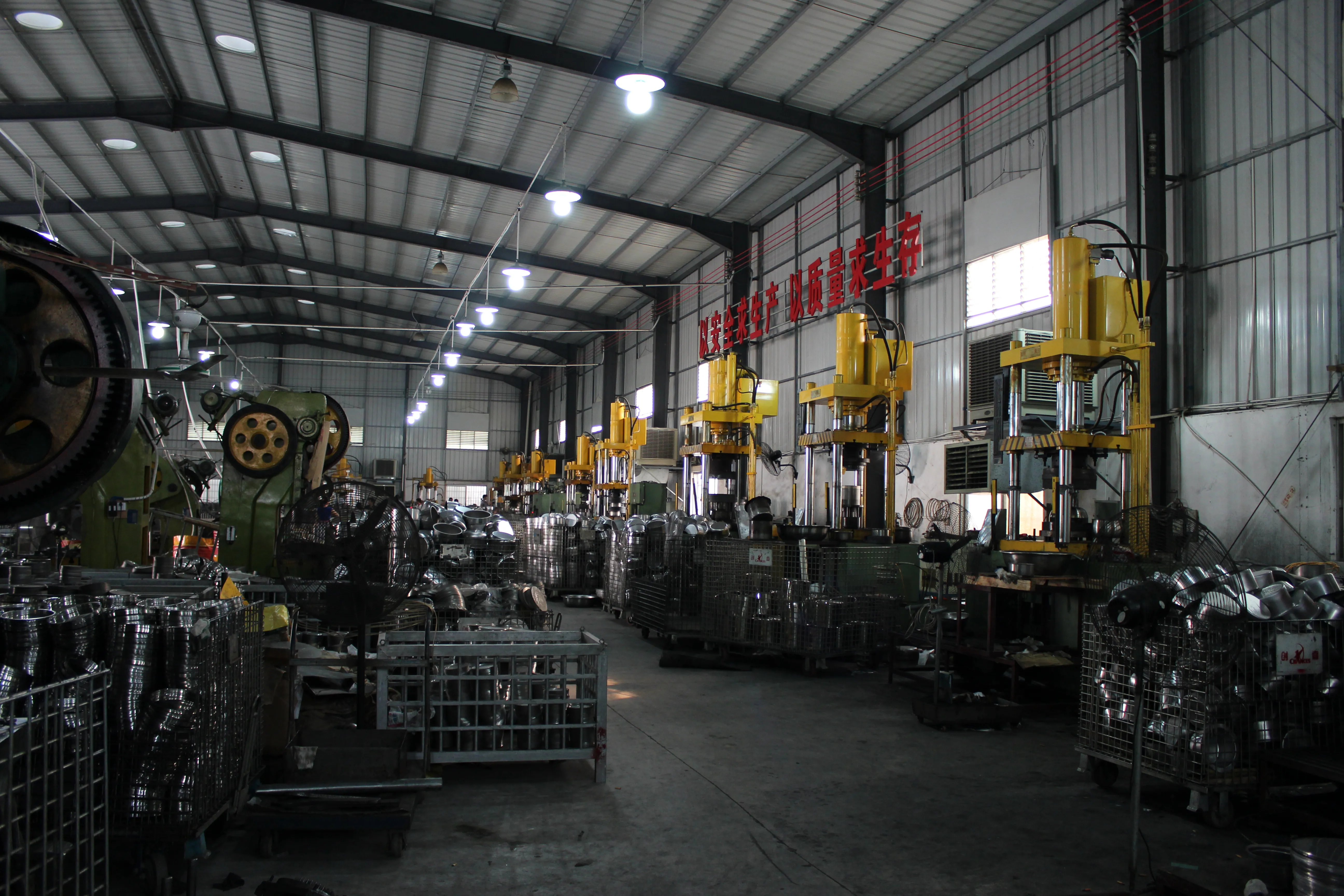
Когда торговая компания по-прежнему имеет смысл
Тестирование продукта на ранних этапах
Торговые компании полезны в следующих случаях:
- Вы проводите проверку нескольких идей по продуктам
- Вам необходимо провести тестирование с низким уровнем риска
- Вы не хотите связываться с запасами
Они служат в качестве «скоростного» уровня для экспериментов.
Расширение в нескольких категориях
Если ваша стратегия заключается в расширении ассортимента, а не в глубокой оптимизации, торговые компании позволяют:
- Более быстрая интеграция SKU
- Поиск поставщиков в разных категориях
- Снижение сложности эксплуатации
Это типично для продавцов в сфере электронной коммерции, находящихся на начальном этапе развития.
Как продавцам в сфере электронной коммерции следует выбирать между производителями кухонной посуды и торговыми компаниями
Масштабная бизнес-модель
- Мелкие продавцы → торговая компания — ради гибкости и оперативности
- Продавцы, находящиеся на этапе роста → гибридная модель снабжения
- Устоявшиеся бренды → прямое сотрудничество с производителями
Ключевым фактором является не только объем, но и стабильность спроса.
Модель компромисса между управляемостью и скоростью
Каждое решение о выборе поставщика — это поиск баланса:
- Торговая компания → оперативность, гибкость, разнообразие
- Производитель → управление, стабильность, масштабируемость
Если вы уделяете приоритетное внимание тестированию, скорость играет решающую роль.
Если вы ставите во главу угла брендинг, решающую роль играет контроль.
Модель этапов развития бренда
Поиск поставщиков для электронной коммерции проходит в несколько этапов:
- Этап реселлера → зависимость от торговой компании
- Этап развития собственной торговой марки → гибридная стратегия снабжения
- Этап владения брендом → прямая интеграция с заводом
На этапе становления бренда зависимость превращается в риск.
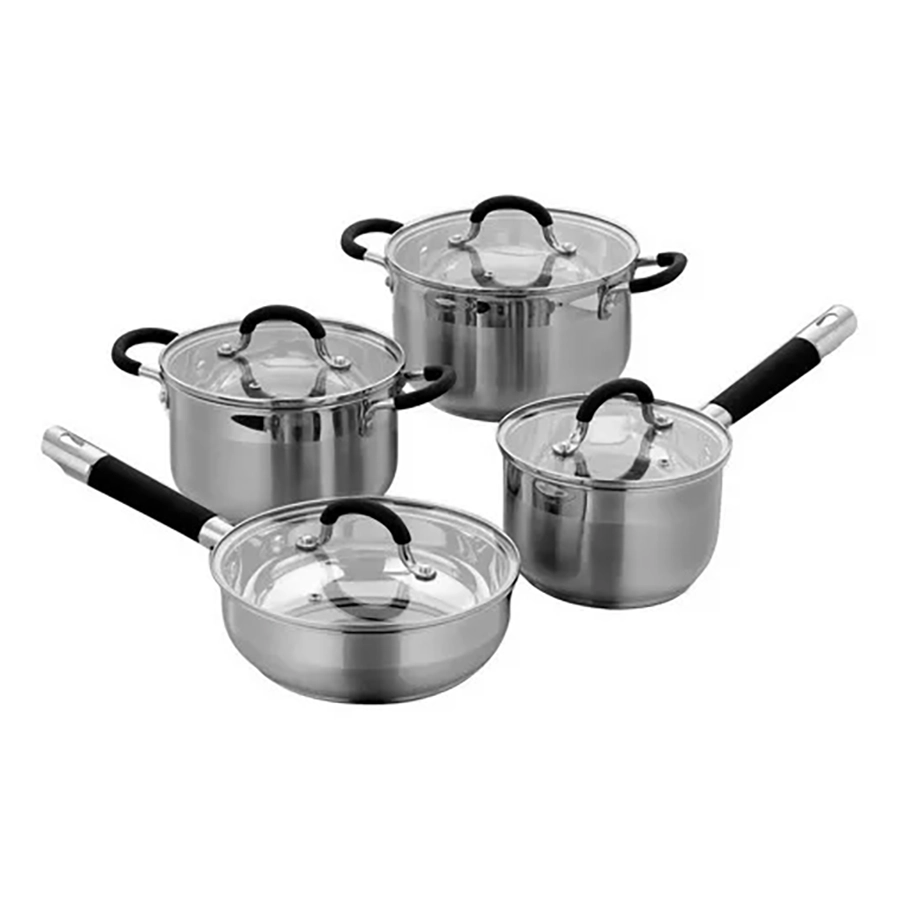
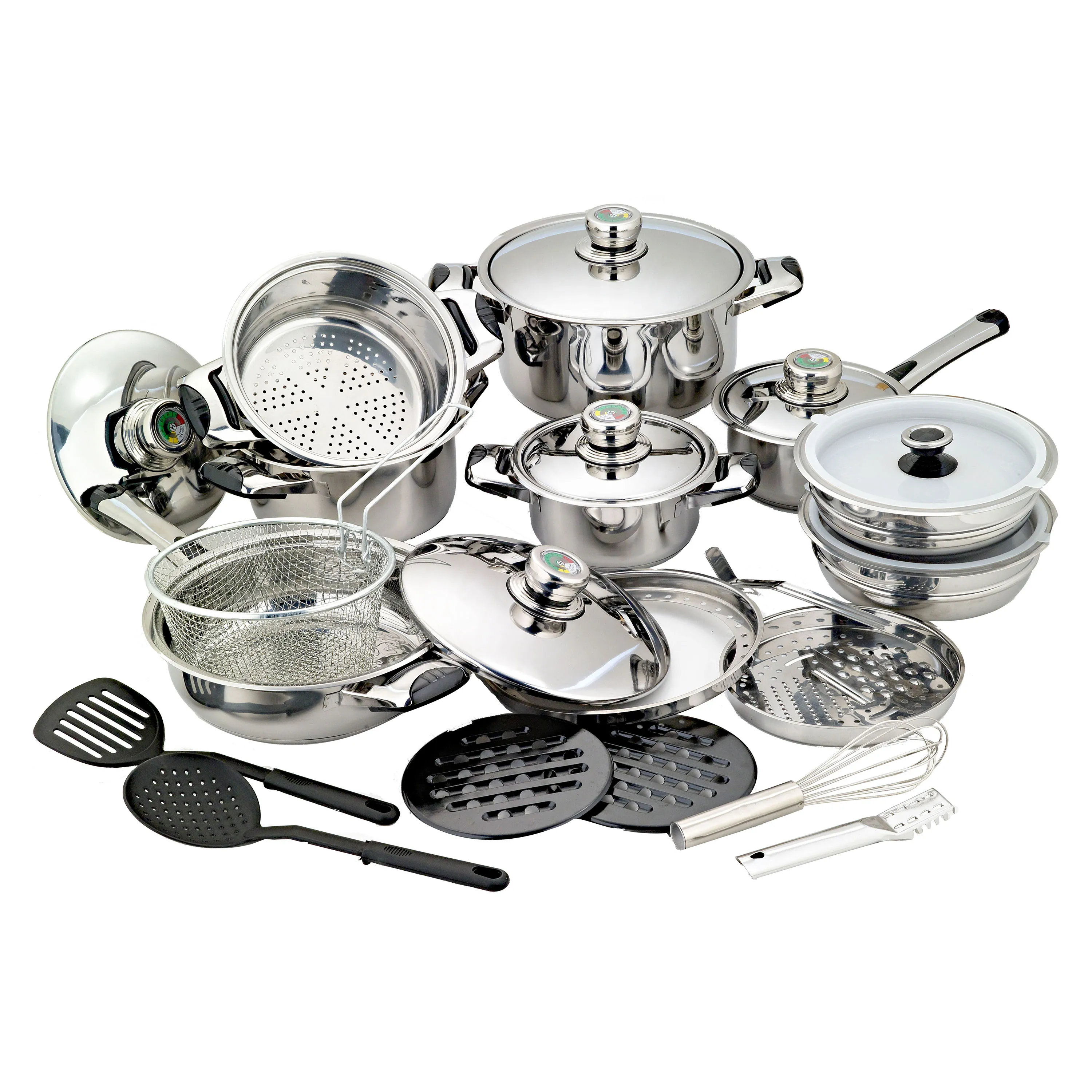
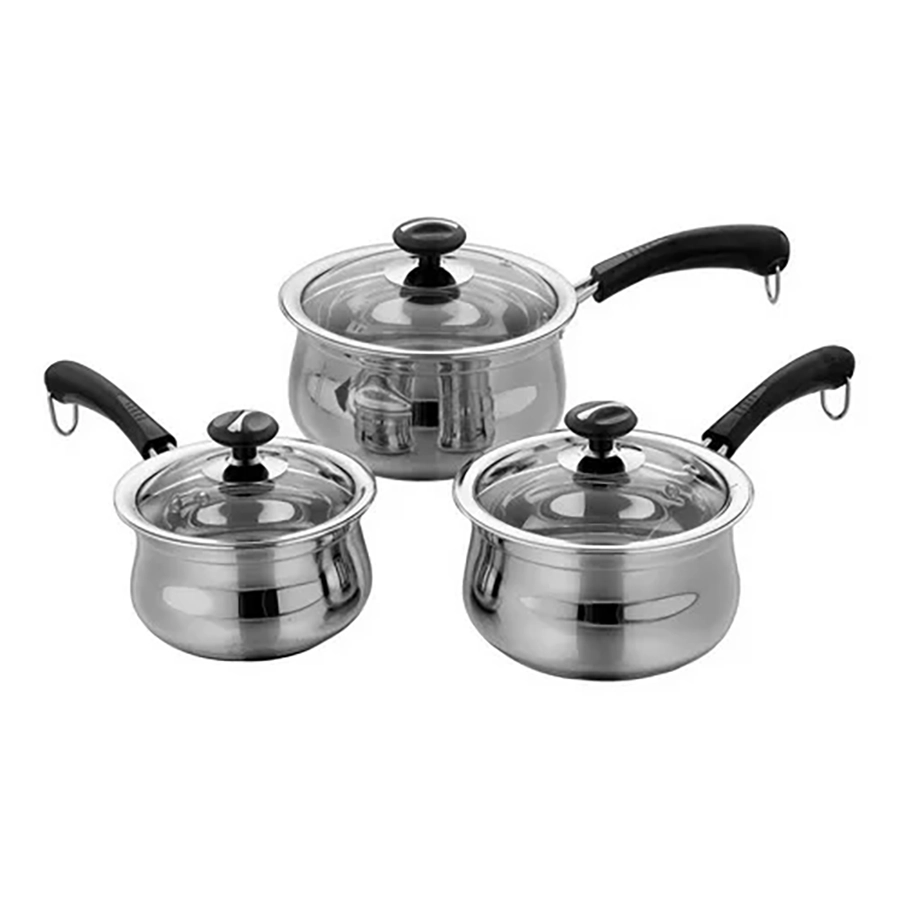
Как профессиональный производитель кухонной посуды помогает брендам в расширении масштабов деятельности
Возможности по разработке продукции по схемам OEM/ODM
Зрелый [производитель посуды из нержавеющей стали] поддерживает:
- Разработка новой формы
- Переработка дизайна продукта
- Оптимизация производительности
- Адаптация с учетом особенностей рынка
Именно здесь происходит дифференциация.
Системы контроля качества
Промышленные предприятия используют структурированные системы контроля качества:
- Контроль поступающего сырья
- Мониторинг производственного процесса
- Окончательный контроль партии
- Проверка упаковки
Это снижает изменчивость и защищает репутацию бренда.
Поддержка глобальной цепочки поставок и программы FBA
Современные производители всё чаще обеспечивают поддержку инфраструктуры электронной коммерции:
- Маркировка в рамках программы Amazon FBA
- Соответствие требованиям к картонной упаковке
- Объединенная доставка
- Экспортная документация
Благодаря этому производственное предприятие становится партнером по логистике, а не просто производственным подразделением.
Заключение
Среди производителей кухонной посуды и торговых компаний нет однозначного победителя.
Правильный выбор полностью зависит от этапа развития бизнеса:
- Торговые компании обеспечивают гибкость и оперативность на этапе раннего тестирования
- Производители обеспечивают контроль, экономическую эффективность и масштабируемость
- Гибридные модели часто являются переходным этапом между этими двумя
Большинство успешных брендов в сфере электронной коммерции не ограничиваются одной моделью. По мере развития бизнеса они переходят от закупок через торговые посредников к собственному производству.
Именно продуманная стратегия выбора поставщиков, а не случайный выбор поставщиков, определяет долгосрочную конкурентоспособность на рынке кухонной посуды.
О сайте Chancescook
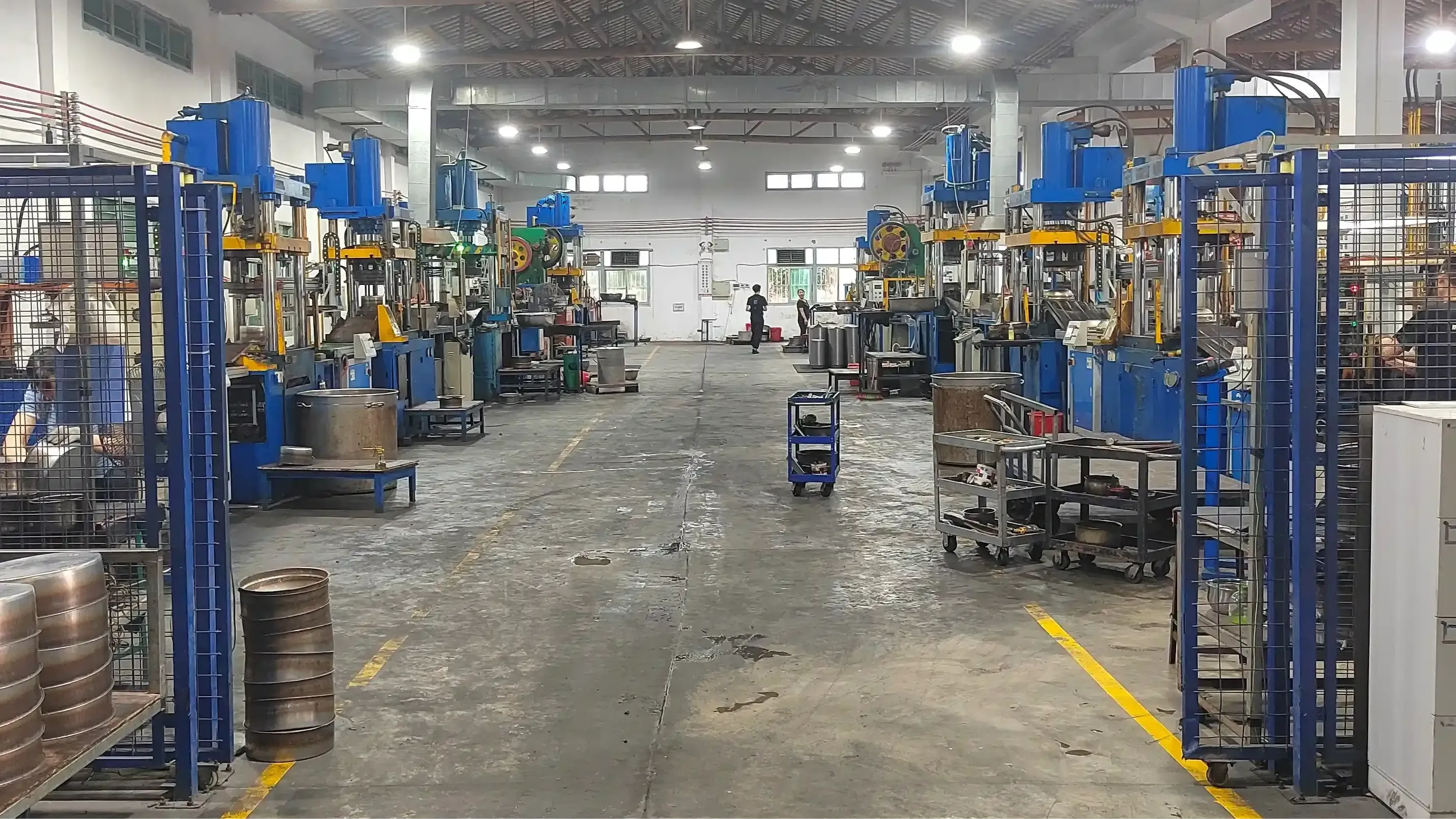
Шансы является профессионалом производитель посуды из нержавеющей стали специализирующийся на Решения в области кухонной посуды по схемам OEM, ODM и под частной торговой маркой для международных дистрибьюторов, импортеров, оптовых компаний и брендов электронной коммерции. Благодаря собственному производству, строгому контролю качества и передовым производственным возможностям мы гарантируем надежную работу продукции, стабильное качество и соблюдение сроков поставки.
От разработки кухонной посуды по индивидуальному заказу и дизайна упаковки до крупномасштабного производства и содействия в экспорте — наша команда помогает клиентам в сегменте B2B создавать уникальные линейки продукции при одновременной оптимизации затрат. Если вам нужен надежный поставщик посуды, производитель кухонной посуды из нержавеющей стали на заказ, или оптовый производитель посуды, Шансы предлагает решения напрямую от производителя, разработанные с учетом особенностей вашего рынка и целей роста.
Часто задаваемые вопросы
Дешевле ли продукция производителя кухонной посуды, чем у торговой компании?
Если говорить о крупных объемах, то да. Производители исключают наценки посредников. Однако для тестирования небольших партий товара торговые компании могут оказаться более выгодным вариантом.
Могут ли новички работать напрямую с производителями?
Да, но это зависит от минимального объема заказа (MOQ) и возможностей взаимодействия. Многие новички начинают с сотрудничества с торговыми компаниями или гибридных схем снабжения, чтобы снизить нагрузку, связанную с запасами.
Какой минимальный объем заказа (MOQ) обычно требуют производители кухонной посуды?
Этот показатель может значительно варьироваться, но, как правило, он выше, чем у торговых компаний, в связи с требованиями к эффективности производства.
Является ли закупка товаров у торговых компаний более рискованной?
Не обязательно более рискованно, но менее прозрачно. Главная проблема заключается в снижении контроля над качеством производства.
Когда стоит перейти от торговли к покупке посуды напрямую у производителя?
Когда на ваш продукт формируется стабильный спрос и появляются повторные заказы. В этот момент стабильность цепочки поставок становится важнее, чем её гибкость.