ES
ES  EN
EN  FR
FR  DE
DE  RU
RU  AR
AR  PT
PT  JA
JA  KO
KO 
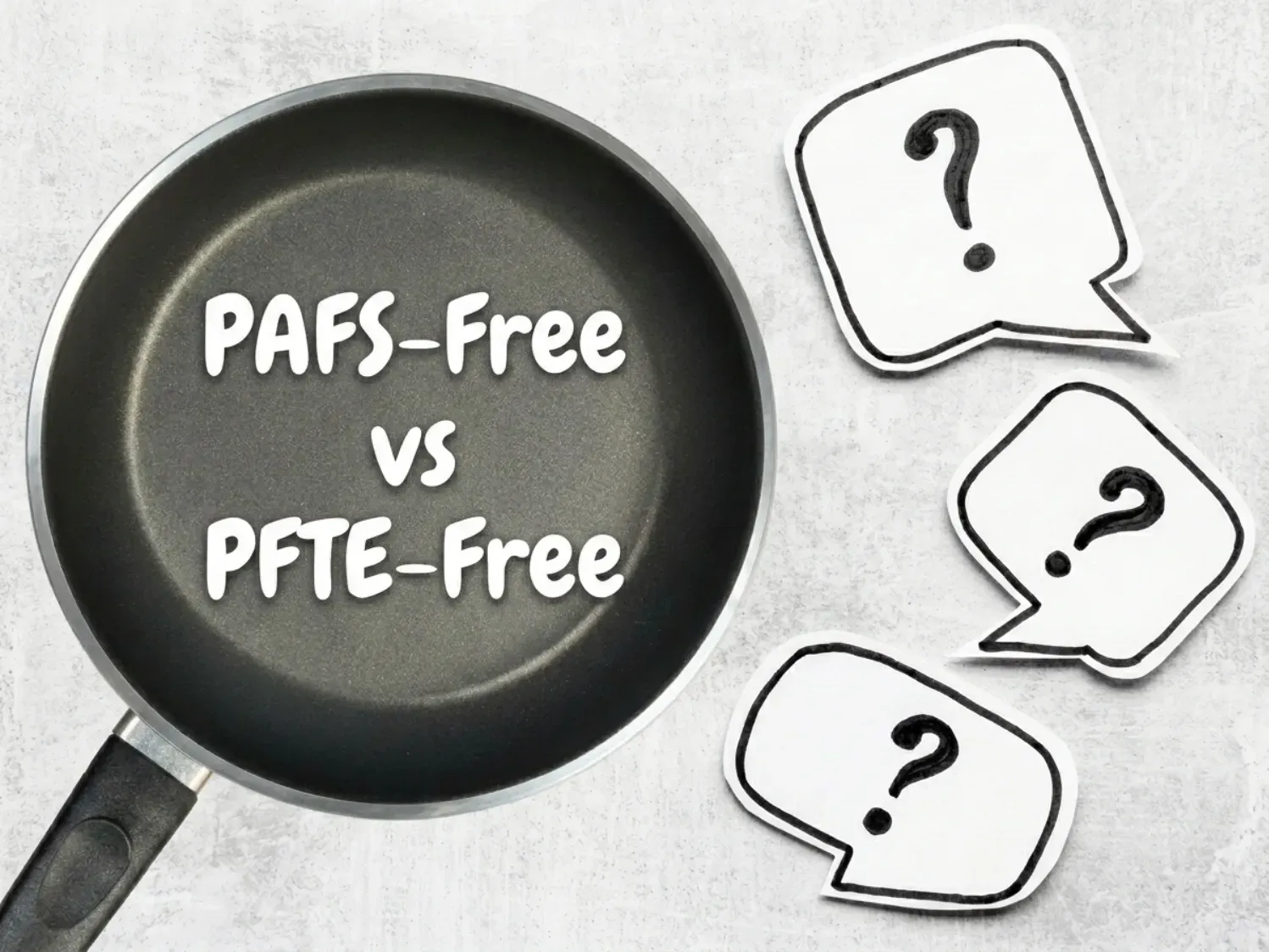
En 2026, el aprovisionamiento de utensilios de cocina ya no se rige únicamente por el precio o el rendimiento. La presión normativa, las preocupaciones medioambientales y la concienciación de los consumidores han hecho que los utensilios de cocina “sin PFAS” y “sin PTFE” se sitúen en el centro de las decisiones de compra.
Sin embargo, la mayoría de los compradores malinterpretan estos términos. Muchos los consideran intercambiables o asumen que indican automáticamente productos más seguros o de mayor calidad.
La verdad es que no.
Para mayoristas, distribuidores y propietarios de marcas, el verdadero problema es entender qué significan realmente estos términos, cómo afectan al rendimiento del producto y cómo verificar las afirmaciones del proveedor.
En este artículo, junto con Chances, un mayorista de utensilios de cocina, analiza las diferencias técnicas, las compensaciones por rendimiento y las estrategias de aprovisionamiento que los compradores necesitan para tomar las decisiones de compra correctas en 2026.
Un rápido vistazo a la terminología: PFAS y PTFE
¿Qué son los PFAS?
Las PFAS (sustancias perfluoroalquiladas y polifluoroalquiladas) son un amplio grupo de sustancias químicas fluoradas utilizadas por su resistencia al calor, el aceite y el agua. En los utensilios de cocina, los PFAS se asocian principalmente a los revestimientos antiadherentes.
Estas sustancias suelen denominarse “sustancias químicas para siempre” porque no se descomponen fácilmente en el medio ambiente. Esta persistencia ha provocado un creciente escrutinio normativo, especialmente en la UE y Norteamérica.
¿Qué es el PTFE?
El PTFE (politetrafluoroetileno) es un tipo específico de fluoropolímero de la familia de los PFAS. Se utiliza mucho en los utensilios de cocina antiadherentes tradicionales por sus excelentes propiedades antiadherentes.
En términos prácticos:
- Todos los revestimientos de PTFE son a base de PFAS
- Pero no todos los PFAS son PTFE
Esta distinción es fundamental para las decisiones de contratación.
Diferencia clave: Sin PFAS frente a sin PTFE
- Utensilios de cocina sin PFAS: Sin productos químicos fluorados añadidos intencionadamente
- Batería de cocina sin PTFE: No utiliza PTFE, pero puede utilizar otras sustancias fluoradas.
Esto significa que la ausencia de PTFE no elimina necesariamente todos los problemas relacionados con los PFAS. Los compradores que confíen únicamente en el etiquetado “sin PTFE” pueden seguir adquiriendo productos a base de fluoropolímeros.
Dónde aparecen los PFAS y el PTFE en los utensilios de cocina
Los materiales basados en PFAS se encuentran con mayor frecuencia en:
- Sartenes antiadherentes tradicionales
- Batería de cocina de aluminio recubierta de fluoropolímero
- Algunos revestimientos “fáciles de limpiar” o resistentes a las manchas
En cambio, entre las categorías de utensilios de cocina que suelen estar libres de PFAS se incluyen:
- Batería de cocina de acero inoxidable
- Hierro fundido y acero al carbono
- Batería de cocina de vidrio
- Batería de cocina metálica sin revestimiento
Para los compradores que trabajan con un fabricante de utensilios de cocina antiadherentes, Por ello, es esencial aclarar la composición química exacta del revestimiento en lugar de basarse en afirmaciones genéricas de “antiadherente”.
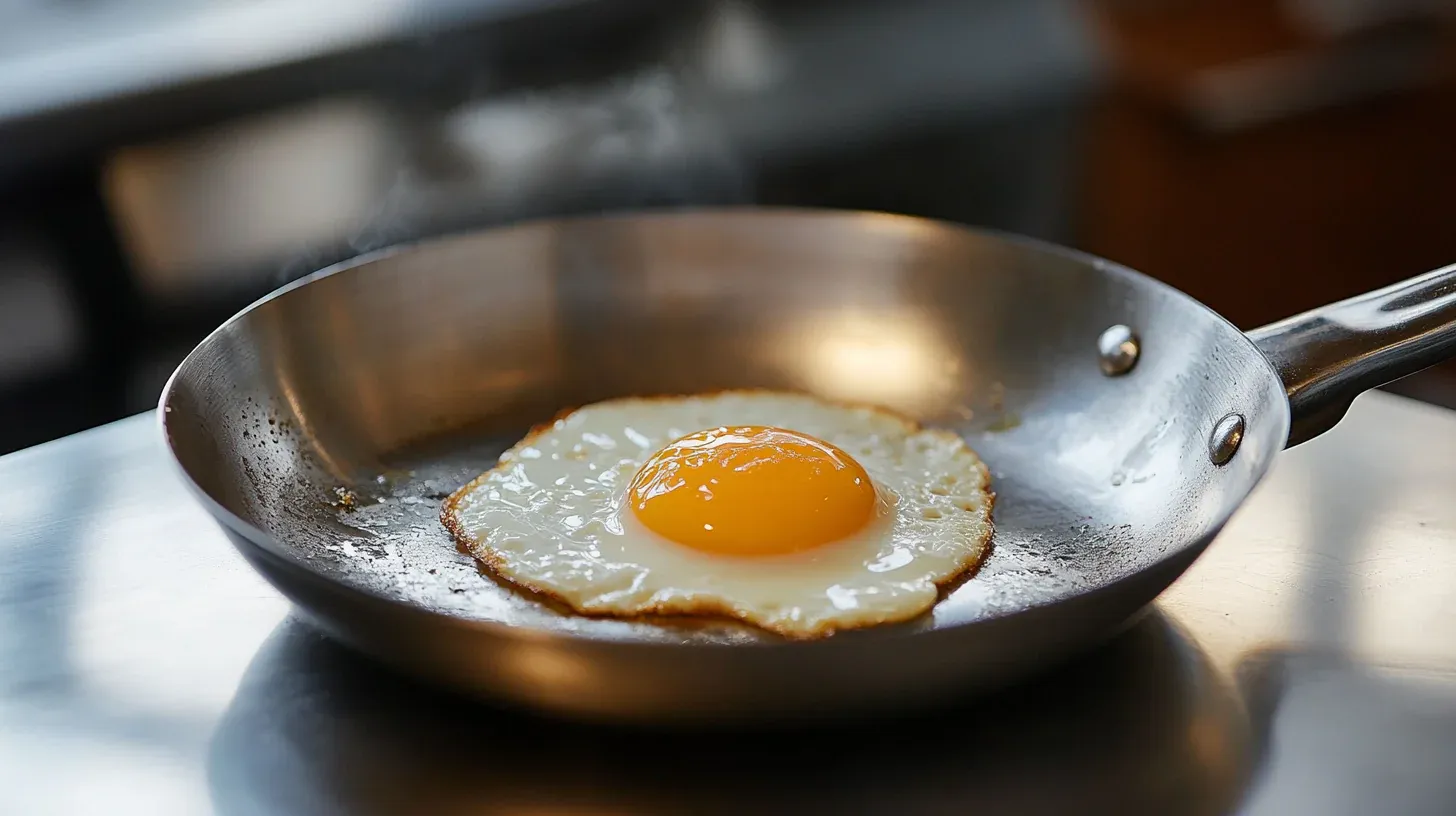
Comparación de prestaciones: Utensilios de cocina sin PFAS y sin PTFE
Rendimiento antiadherente
Los revestimientos a base de PTFE siguen siendo la referencia en materia de antiadherencia. Proporcionan una fricción superficial extremadamente baja, lo que permite que los alimentos se desprendan fácilmente con un mínimo de aceite.
Los utensilios de cocina sin PFAS, por definición, no utilizan productos químicos fluorados. Esto incluye el acero inoxidable, el hierro fundido y los revestimientos cerámicos.
- Acero inoxidable: sin propiedades antiadherentes, requiere técnica
- Recubrimientos cerámicos: antiadherencia moderada, pero menos estable en el tiempo
Una realidad clave: Por lo general, los utensilios de cocina sin PFAS no pueden igualar el rendimiento antiadherente del PTFE.
Resistencia al calor
Sin PTFE no significa automáticamente alta resistencia al calor. Depende de lo que sustituya al PTFE.
- Algunos revestimientos sin PTFE (por ejemplo, cerámicos) toleran temperaturas más elevadas que el PTFE
- Los materiales no recubiertos sin PFAS (acero inoxidable, hierro fundido) ofrecen la mayor tolerancia al calor
Los utensilios de cocina sin PFAS, especialmente los de base metálica, son más adecuados para:
- abrasador
- cocción a alta temperatura
- entornos de cocina comercial
Durabilidad y vida útil
El rendimiento de los utensilios de cocina sin PTFE varía considerablemente según el material:
- Recubrimientos cerámicos: propensos al desgaste y a la degradación de las prestaciones con el paso del tiempo.
- Recubrimientos híbridos: mayor durabilidad, pero siguen dependiendo del recubrimiento
- Acero inoxidable / hierro fundido (sin PFAS): larga vida útil con un uso adecuado
Las baterías de cocina sin PFAS y sin revestimientos suelen ofrecer la mayor durabilidad porque no hay ninguna capa superficial que se degrade.
Requisitos de mantenimiento
Los utensilios de cocina sin PTFE suelen requerir una mayor intervención del usuario:
- Acero inoxidable: necesita un precalentamiento y un control del aceite adecuados
- Hierro fundido: requiere curado y mantenimiento
- Cerámica: requiere una manipulación cuidadosa para preservar la vida útil del revestimiento
Por el contrario, los revestimientos de PTFE son más fáciles de usar, pero requieren una manipulación cuidadosa para evitar daños.
Cuadro sinóptico comparativo
| Factor | Batería de cocina sin PTFE | Utensilios de cocina sin PFAS |
|---|---|---|
| Antiadherente | Moderada (cerámica) a baja (metal) | Moderado a bajo |
| Tolerancia al calor | Media a alta (depende del material) | Alta (depende del material) |
| Durabilidad | Medio (dependiente del revestimiento) | Alta (especialmente sin recubrimiento) |
| Mantenimiento | Moderado | Moderado a alto |
| Dependencia del revestimiento | Reducido o ninguno | Ninguna o reducida |
Visión de las adquisiciones:
La ausencia de PTFE no es una categoría de rendimiento, sino de exclusión química. Los compradores deben evaluar qué sustituye al PTFE, no solo qué se elimina.
Consideraciones sanitarias y reglamentarias
Lo que deben saber los compradores
A temperaturas normales de cocción, los revestimientos de PTFE suelen considerarse estables. Sin embargo, los riesgos aumentan bajo:
- Sobrecalentamiento
- Daños superficiales
- Desgaste prolongado
Las preocupaciones relacionadas con los PFAS son más importantes a nivel medioambiental y del ciclo de vida que durante el uso estándar.
Tendencias normativas
- La UE endurece las restricciones a los PFAS en múltiples sectores
- Estados Unidos aumenta los requisitos de supervisión y divulgación
- Las marcas mundiales están cambiando hacia líneas de productos sin PFAS
Esto tiene implicaciones a largo plazo para los importadores y distribuidores.
Escenarios de riesgo real
Los puntos de fallo más comunes no son químicos, sino operativos:
- Sartenes antiadherentes sobrecalentadas
- Revestimientos rayados
- Procesos de fabricación de baja calidad
Esto refuerza un principio clave: la elección del material por sí sola no garantiza la seguridad.

Errores comunes que siguen teniendo los compradores
Idea errónea 1: ausencia de PFAS significa seguridad total
La realidad: Sólo elimina la química fluorada, no todos los riesgos materiales.
Concepto erróneo 2: Sin PTFE siempre es mejor
Realidad: Todavía puede incluir revestimientos alternativos de durabilidad desconocida.
Error 3: El antiadherente es necesario para todos los productos
La realidad: Muchas cocinas comerciales prefieren el acero inoxidable por su durabilidad y rentabilidad.
Estrategia de aprovisionamiento: Cómo deben decidir los compradores B2B
Definir escenarios de uso
- Productos de consumo al por menor → priorizar la comodidad
- Cocinas comerciales → priorizar la durabilidad y la resistencia al calor.
Adecuar el material al posicionamiento en el mercado
- Nivel básico: Antiadherente PTFE
- Gama media: revestimientos cerámicos
- Premium: batería de cocina de acero inoxidable o híbrida
Evaluar el coste total del ciclo de vida
El ahorro a corto plazo de los revestimientos de bajo coste suele traducirse en:
- Mayores tasas de retorno
- Costes de sustitución
- Daños de marca
Evitar lagunas en las especificaciones
Trabajar con un fabricante de utensilios de cocina a medida definir:
- Composición del revestimiento
- Especificaciones de grosor
- Normas de rendimiento
Sin esto, las comparaciones entre proveedores carecen de sentido.
Lista de verificación para compradores
Si un proveedor afirma que los utensilios de cocina no contienen PFAS, exíjalo:
- Declaración de materiales
- Declaración sobre la composición del revestimiento
- Pruebas de laboratorio de terceros (GC-MS / LC-MS)
- Transparencia del proceso de producción
Cuando se abastece de un mayorista de utensilios de cocina, La documentación debe ser obligatoria, no opcional.
Pasos adicionales de verificación:
- Pruebas de muestras en condiciones reales de cocción
- Pruebas de durabilidad del revestimiento
- Comprobación de la coherencia de los lotes
Materiales alternativos: ¿Qué sustituye funcionalmente a los PFAS?
Acero inoxidable
- Sin revestimiento
- Alta durabilidad
- Preferido para cocinas comerciales
Revestimiento cerámico
- Sin PFAS
- Eco-posicionado
- Vida útil más corta
Hierro fundido / Acero al carbono
- Naturalmente antiadherente después de sazonarlo
- De larga duración
- Requiere mantenimiento
Híbrido (nido de abeja)
- Combina acero inoxidable con revestimiento antiadherente
- Mayor resistencia a los arañazos
- Posicionamiento Premium
Cada material representa un equilibrio diferente entre rendimiento, coste y durabilidad.
FAQ - Respuestas orientadas al comprador
P1: ¿Es lo mismo libre de PFAS que libre de PTFE?
No. La ausencia de PFAS elimina todas las sustancias químicas fluoradas, mientras que la ausencia de PTFE puede seguir incluyendo otras PFAS.
P2: ¿Siguen siendo seguros los utensilios de cocina de PTFE?
Sí, con un uso normal. Los riesgos surgen principalmente por sobrecalentamiento o daños.
P3: ¿Cuál es el material más seguro para los utensilios de cocina?
Las baterías de cocina de acero inoxidable se consideran las más estables y duraderas.
P4: ¿Cómo puedo verificar las alegaciones de ausencia de PFAS?
Solicite declaraciones de materiales e informes de pruebas de laboratorio de terceros.
P5: ¿Qué batería de cocina es mejor para un uso prolongado?
El acero inoxidable y el hierro fundido ofrecen la mayor vida útil en la mayoría de las aplicaciones.
Conclusión
No existe una opción universal “mejor” entre los utensilios de cocina sin PFAS y los fabricados con PTFE.
La decisión correcta depende de:
- expectativas del mercado destinatario
- escenarios de uso
- requisitos de durabilidad
- estructura de costes
Para la mayoría de los compradores B2B, la prioridad no debería ser el etiquetado, sino la verificación, el rendimiento y la coherencia del suministro.
Si su objetivo es reducir el riesgo de exposición a sustancias químicas, la mejor opción son los utensilios de cocina sin PFAS. Pero si su mercado exige comodidad y baja adherencia, los productos a base de PTFE siguen teniendo cabida.
La estrategia ganadora en 2026 no consiste en elegir una etiqueta. Es elegir el producto adecuado para la aplicación adecuada, con el respaldo de especificaciones verificadas y un sistema fiable. fabricante de utensilios de cocina.
Acerca de Chances
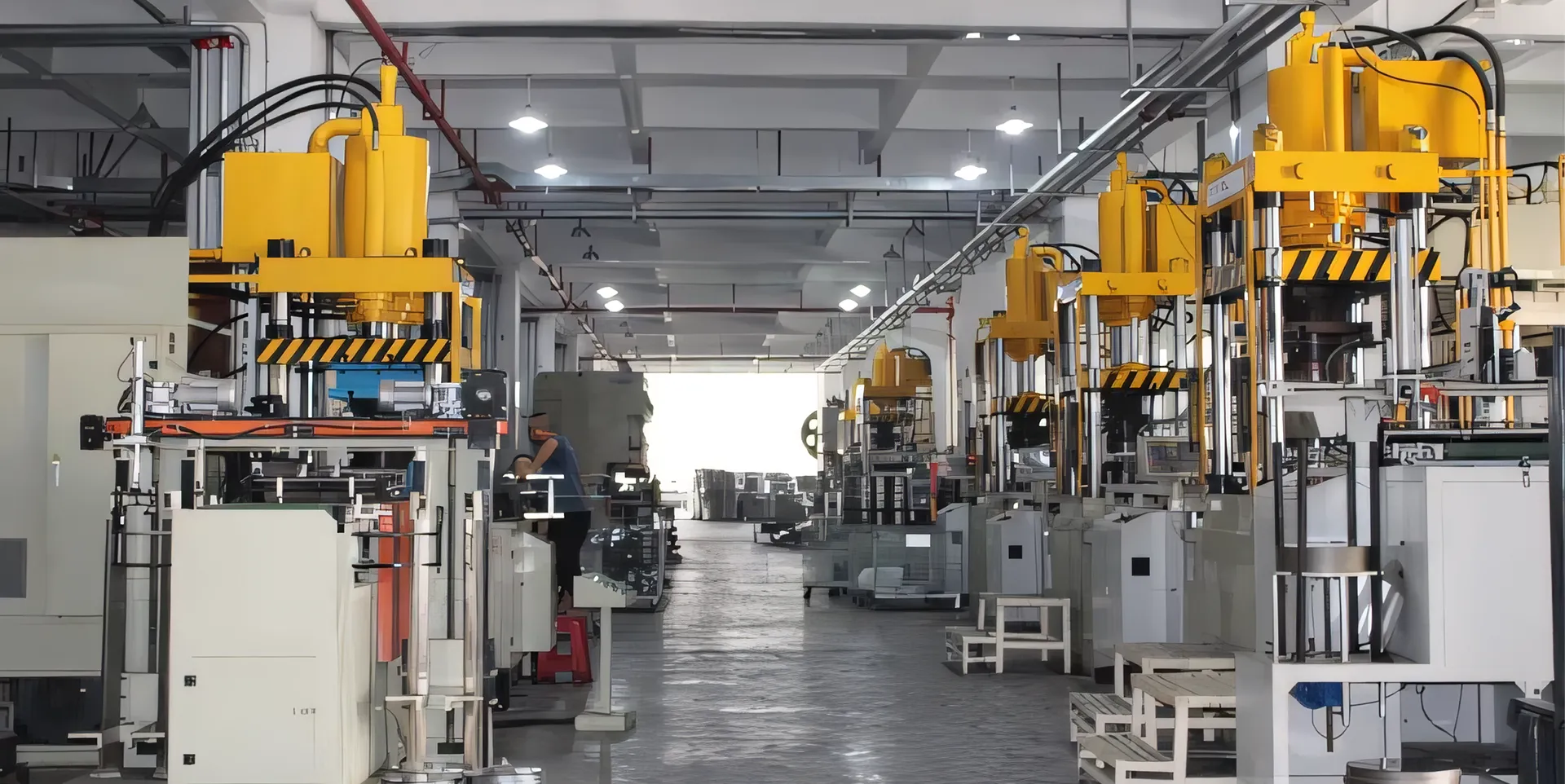
Lo más probable es que un profesional Fabricante de utensilios de cocina B2B comprometida con el suministro fiable y constante a clientes de todo el mundo. Con un sólido enfoque centrado en el cliente, garantizamos una calidad de producción estable mediante estrictos sistemas de control de calidad y normas de fabricación verificadas.
En Chances, apoyamos Personalización de baterías de cocina OEM y de marca propia, Chances ofrece soluciones flexibles adaptadas a las diferentes necesidades del mercado y al posicionamiento del producto. Con el respaldo de plazos de entrega fiables y un servicio receptivo, Chances ayuda a distribuidores, minoristas y marcas a mantener la estabilidad de la cadena de suministro, reducir los riesgos de abastecimiento y crear líneas de productos de utensilios de cocina escalables a largo plazo.