AR
AR  EN
EN  FR
FR  DE
DE  RU
RU  ES
ES  PT
PT  JA
JA  KO
KO 
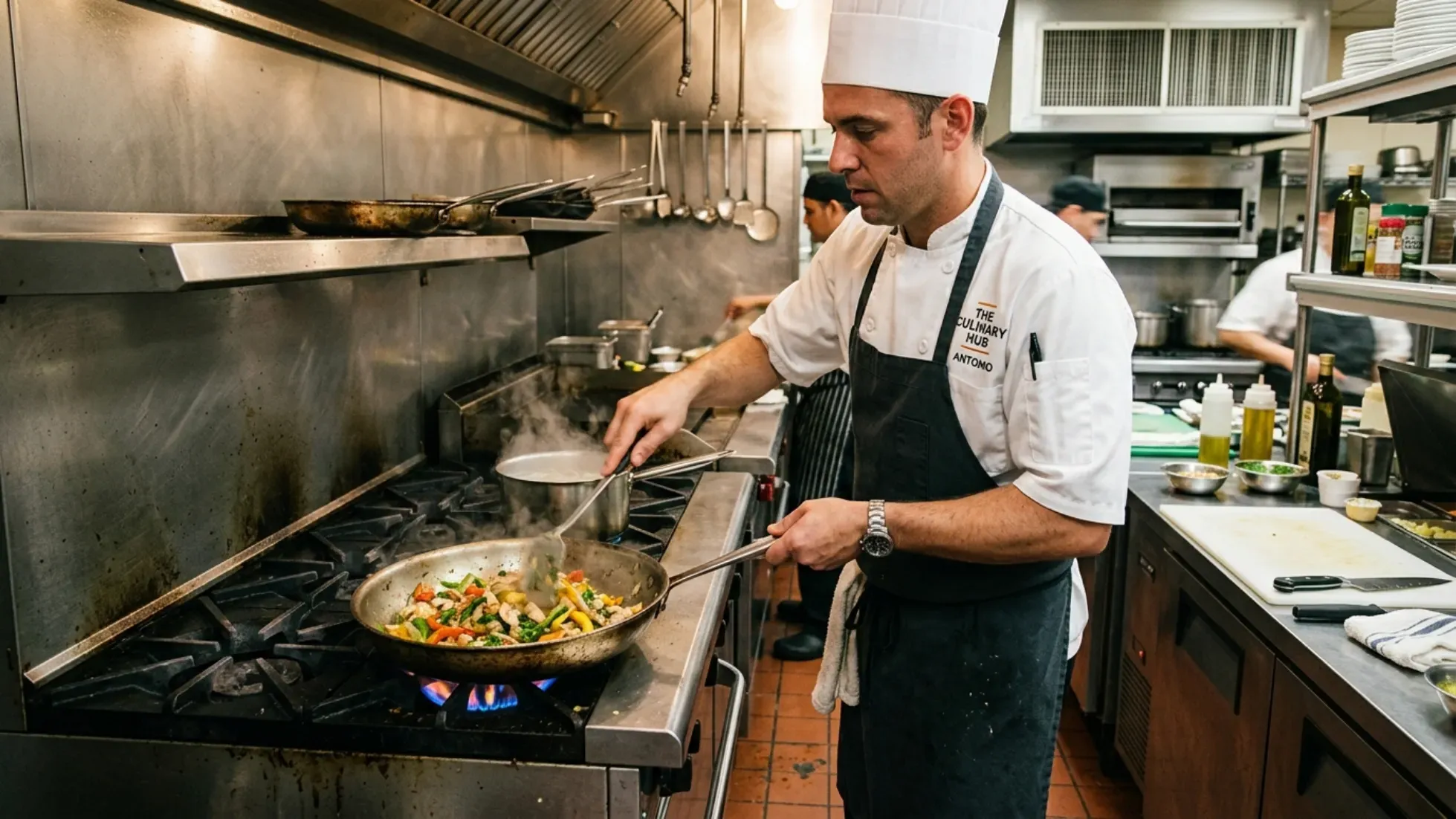
تهيمن المقالي غير اللاصقة على المطابخ المنزلية لأنها تقلل الاحتكاك في الطهي. زيت أقل، تنظيف أسهل، ومتطلبات مهارة أقل. يعمل هذا المنطق في البيئات ذات الترددات المنخفضة والمضبوطة.
ولكن من ناحية أخرى، وباعتبار أن شركة تصنيع أواني الطهي المصنوعة من الفولاذ المقاوم للصدأ بالجملة, الفرص لاحظنا أنه، وفقًا لبيانات المبيعات لدينا، فإن المطابخ الاحترافية تميل إلى تجاوز المقالي غير اللاصقة، لأنها تعمل تحت قيود مختلفة: حرارة مستمرة، وإنتاجية عالية، وعدم تحمل أي عطل في المعدات.
في تلك البيئة، لا يتم اختيار أواني الطهي من أجل الراحة. بل يتم اختيارها من أجل:
- الموثوقية الحرارية
- المتانة الهيكلية
- الثبات تحت الضغط المتكرر
هذا هو المكان الذي تبدأ فيه المقالي غير اللاصقة بالفشل من الناحية التشغيلية، ولهذا السبب يتجنبها الطهاة بشكل منهجي كأدوات أساسية.
المشكلة الرئيسية: المقالي غير اللاصقة لا يمكنها التعامل مع ظروف الطهي الاحترافية
الحرارة العالية تتلف الطلاءات المانعة للالتصاق
تعتمد معظم أواني الطهي المانعة للالتصاق على الطلاءات القائمة على البوليمر مثل أنظمة PTFE. هذه الطلاءات لها حدود حرارية محددة.
في المطابخ الاحترافية:
- تعمل الشعلات بشكل مستمر
- كثيراً ما تكون مستويات الحرارة مرتفعة ومستمرة
- نادراً ما يُسمح للمقالي بالتبريد الكامل بين الاستخدامات
في ظل هذه الظروف، تتحلل الطلاءات تدريجيًا. وحتى قبل ظهور التلف المرئي، ينخفض ثبات الأداء.
وهذا يخلق قيدًا هيكليًا: أواني الطهي غير اللاصقة حساسة بطبيعتها لدرجات الحرارة، في حين أن الطهي الاحترافي يتطلب درجة حرارة عالية.
المطابخ التجارية تتطلب تحكمًا قويًا بالحرارة
الطهي الاحترافي ليس طهيًا لطيفًا.
يؤدي الطهاة بانتظام:
- الحرق في درجات الحرارة العالية
- تنمية البراوننج والولع
- التقليل السريع للصلصات
- القلي بالتقليب على درجة حرارة عالية ومستمرة
تتطلب هذه الأساليب أواني طهي قادرة على امتصاص الحرارة وتوزيعها دون الإضرار بالهيكل.
لم يتم تحسين الأسطح غير اللاصقة لهذه البيئة. فهي تعطي الأولوية لانزلاق السطح على التحمل الحراري، مما يحد من استخدامها في سيناريوهات الطهي عالية الأداء.
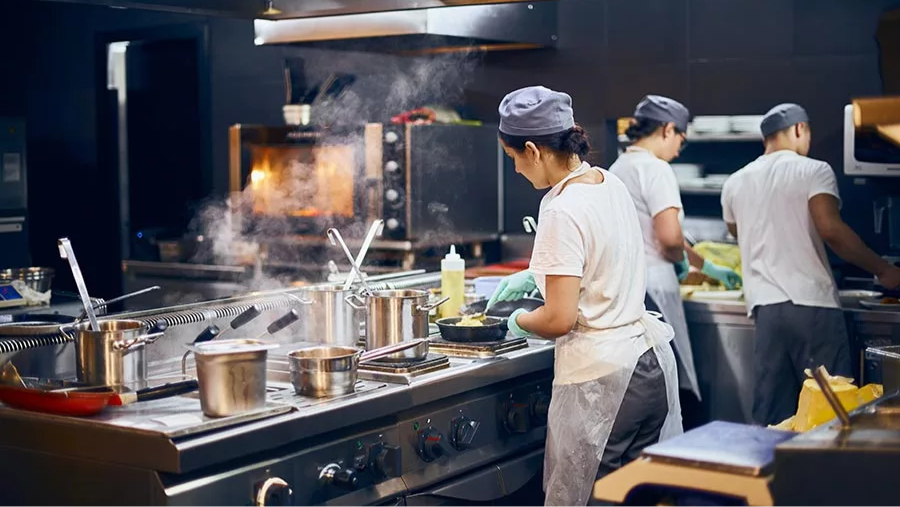
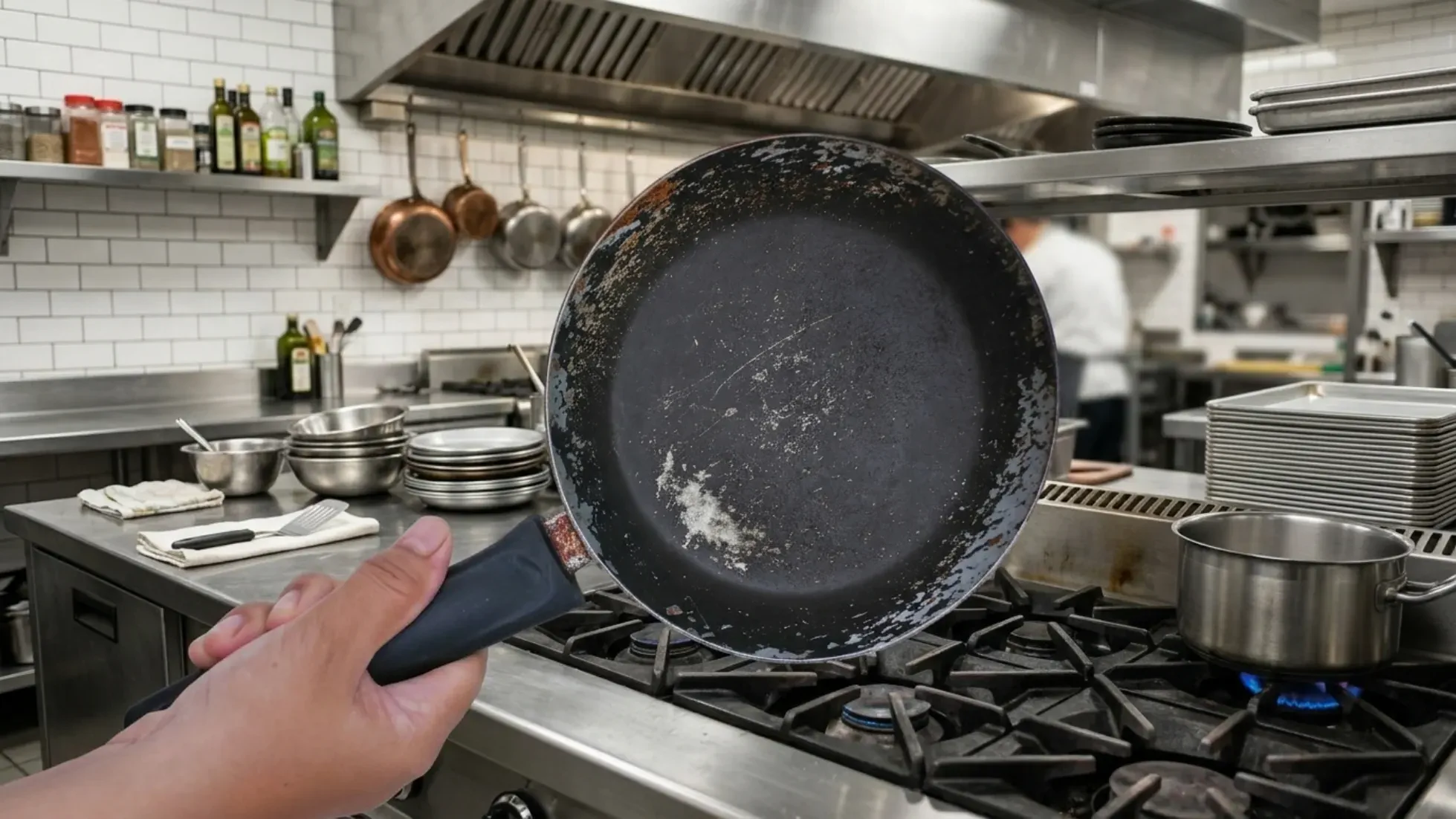
المقالي غير اللاصقة تبلى بسرعة كبيرة في المطاعم
يؤدي الاستخدام عالي التردد إلى تسريع تآكل السطح
في المطبخ التجاري، يمكن استخدام مقلاة واحدة عشرات أو حتى مئات المرات في الأسبوع.
يتسارع هذا المستوى من الاستخدام:
- إجهاد الطلاء
- الخدش الدقيق
- تدهور السطح
ما يدوم لسنوات في المطبخ المنزلي قد يدوم لأشهر فقط في ظروف احترافية.
الأواني المعدنية والعمليات السريعة تتسبب في حدوث أضرار
على عكس الطهي المنزلي، تعطي المطابخ الاحترافية الأولوية للسرعة. وهذا يعني في كثير من الأحيان:
- ملاعق معدنية
- التقليب والكشط السريع
- تخزين قابل للتكديس والحركة المستمرة
حتى السحجات الصغيرة تتراكم بسرعة، مما يضر بسلامة الطلاء.
بمجرد تعرض السطح للخطر، يصبح الأداء غير متناسق، ويصبح الاستبدال ضرورياً.
تكاليف الاستبدال تصبح غير مستدامة
على نطاق واسع، لا تعتبر أواني الطهي عملية شراء لمرة واحدة، بل هي تكلفة تشغيلية متكررة.
يؤدي الاستبدال المتكرر للمقالي غير اللاصقة إلى:
- ارتفاع تكاليف المشتريات طويلة الأجل
- زيادة الاضطراب التشغيلي
- نتائج الطهي غير متسقة عبر المحطات
ولهذا السبب يتعامل الطهاة مع أواني الطهي غير اللاصقة على أنها عنصر استهلاكي وليس من أساسيات المطبخ.
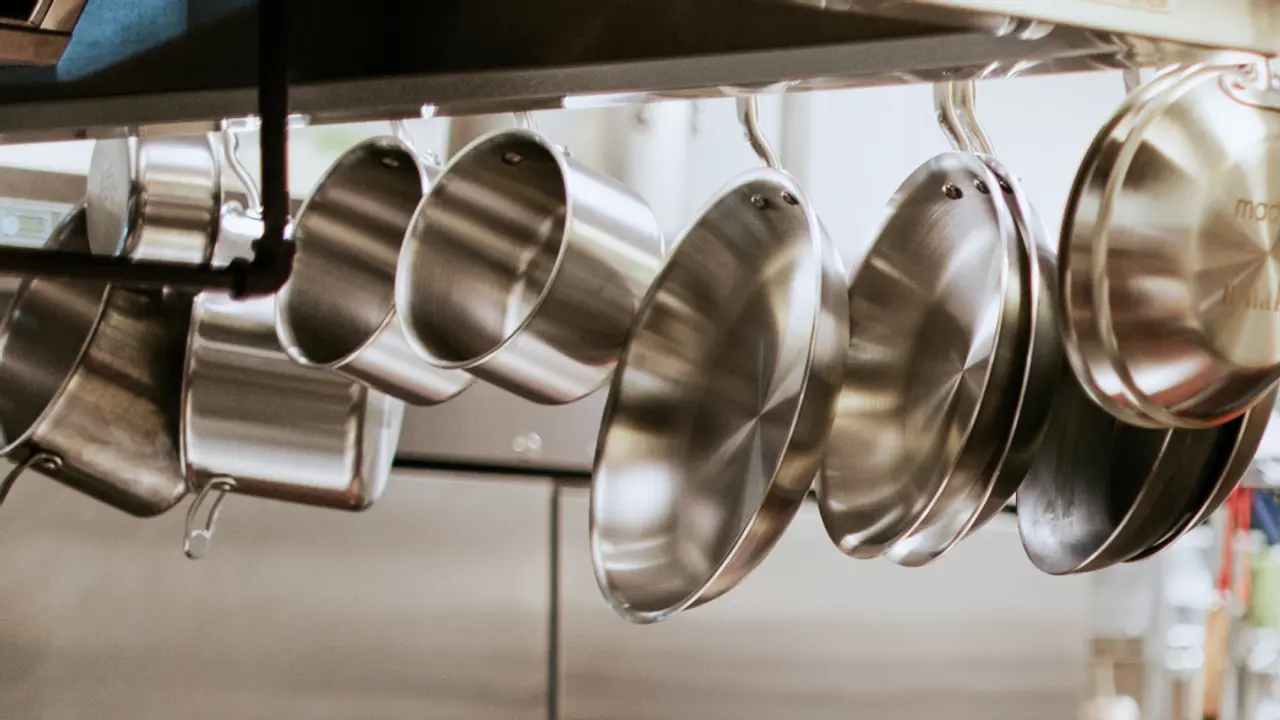
لماذا يفضل الطهاة المقالي المصنوعة من الفولاذ المقاوم للصدأ
أداء أفضل في الحرارة العالية
أواني الفولاذ المقاوم للصدأ مستقرة هيكلياً تحت درجات الحرارة العالية. فهي لا تعتمد على الطلاء، مما يسمح لها بالعمل بأمان في ظل التعرض المستمر للحرارة.
وهذا يجعلها مناسبة لـ
- حرق البروتينات الحارقة
- تحمير اللحوم
- تطوير الولع بالصلصات
تحمير ونكهة ممتازة
أحد أهم جوانب الطهي الاحترافي هو وضع طبقات النكهة في طبقات.
يسمح الفولاذ المقاوم للصدأ:
- تطور تفاعل مايارد
- تشكيل مولع على سطح المقلاة
- التزجيج المتحكم به
هذه العمليات ضرورية لعمق النكهة ولا يمكن تكرارها بفعالية في أواني الطهي غير اللاصقة.
المتانة على المدى الطويل
على عكس أواني الطهي المغلفة، لا يتدهور أداء الفولاذ المقاوم للصدأ بسبب تآكل السطح.
يحافظ على المقلاة جيدة الصنع:
- السلامة الهيكلية
- الاستجابة للحرارة
- ثبات السطح
وهذا يقلل من دورات الاستبدال ويضمن الاتساق عبر الاستخدام طويل الأمد.
ولهذا السبب، تقوم العديد من المطابخ بتوحيد المصادر من خلال مصنع أواني الطهي المصنوعة من الفولاذ المقاوم للصدأ لضمان اتساق الأداء في جميع الوحدات.
عدم وجود مخاوف من تدهور الطلاءات
بدون طلاء، يوجد:
- لا تقشير
- لا تقشر
- لا يوجد انهيار سطحي بسبب الحرارة
وهذا يزيل إحدى نقاط الفشل الرئيسية الموجودة في أواني الطهي غير اللاصقة.
هل المقالي غير اللاصقة عديمة الفائدة تماماً في المطاعم؟
حيث لا يزال الطهاة يستخدمون أواني الطهي غير اللاصقة
لا يتم استبعاد المقالي غير اللاصقة من المطابخ الاحترافية. فهي ببساطة أدوات متخصصة تُستخدم عندما تكون متطلبات الدقة والتحكم في درجة الحرارة أقل.
تشمل الاستخدامات الشائعة ما يلي:
- البيض والعجة
- فيليه السمك الرقيق
- طهي قليل الدسم أو على درجة حرارة منخفضة
- مهام الإمساك المؤقت أو التشويح الخفيف
لماذا يتم التعامل معها كأدوات ثانوية
ليس القيد هو الفائدة، بل هو النطاق.
المقالي المانعة للالتصاق:
- فعالة للغاية في الظروف الضيقة
- لا يمكن الاعتماد عليها في ظل الاستخدام الواسع النطاق والعالي الكثافة
وهذا يجعلها معدات تكميلية وليست أساسية.
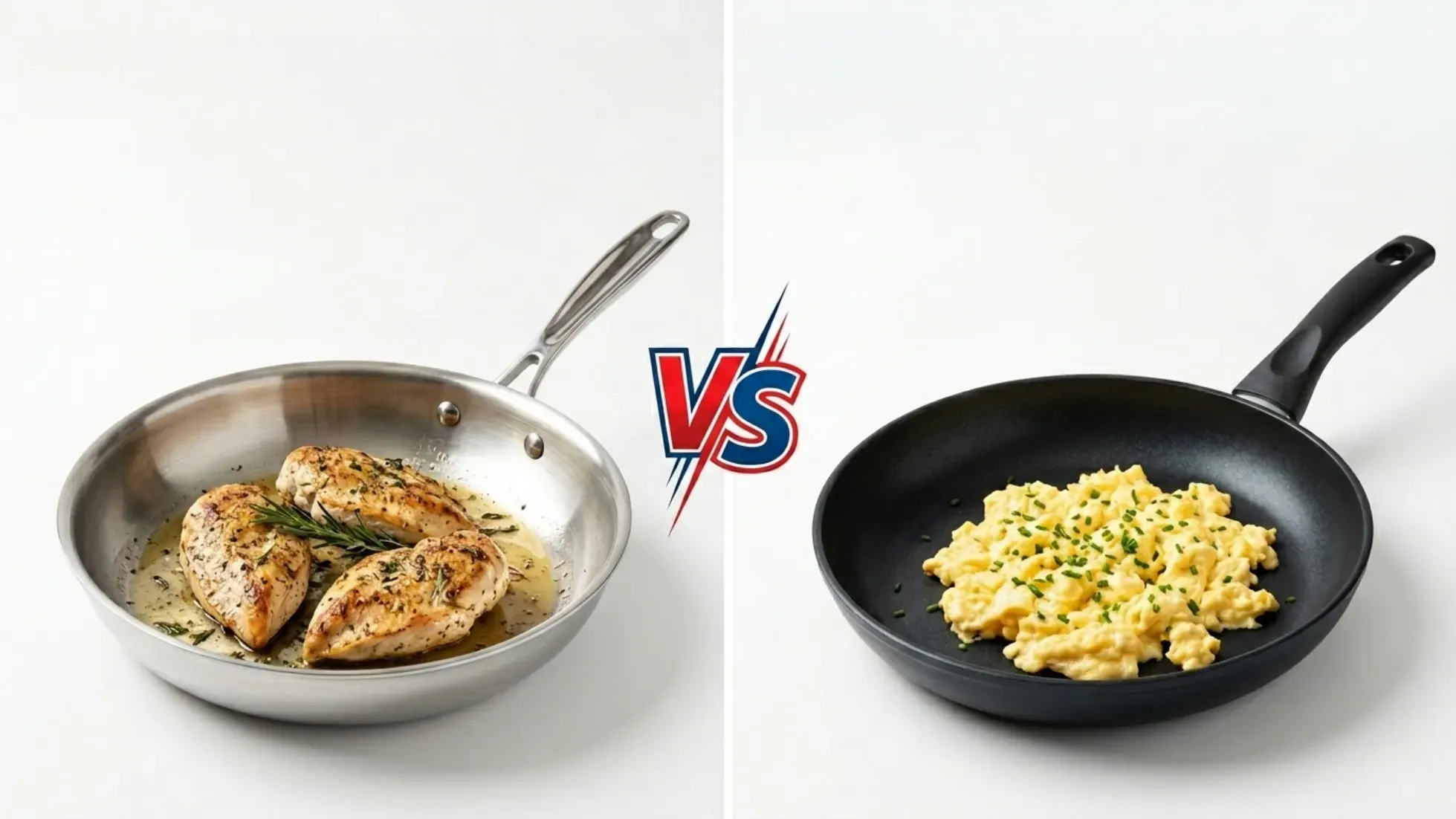
الفولاذ المقاوم للصدأ مقابل الفولاذ المقاوم للالتصاق: ما الذي يهم في الواقع في الطهي الاحترافي؟
تحمّل الحرارة
- الفولاذ المقاوم للصدأ: متوافق مع الحرارة العالية والمستمرة
- غير لاصقة: سقف حراري محدود
دقة الطهي
- الفولاذ المقاوم للصدأ: يدعم التحمير والتحميض والاختزال
- غير قابلة للالتصاق: تفاعل محدود للسطح
طول العمر وفعالية التكلفة
- الفولاذ المقاوم للصدأ: دورة حياة طويلة وأداء مستقر
- غير لاصقة: الاستبدال المتكرر مطلوب
الصيانة وكفاءة سير العمل
- الفولاذ المقاوم للصدأ: يتطلب تقنية، ولكن يمكن التنبؤ بنتائجها
- غير قابلة للالتصاق: أسهل في البداية، ولكنها غير متناسقة مع مرور الوقت في الاستخدام الاحترافي
عامل الأمان: لماذا تفضل المطابخ المحترفة المواد المستقرة
مخاوف بشأن انهيار الطلاء
في البيئات ذات درجات الحرارة المرتفعة، يصبح تدهور الطلاء عامل خطر. وحتى عندما لا تكون خطرة على الفور، يؤدي فقدان سلامة الطلاء إلى أداء لا يمكن التنبؤ به.
ثبات الفولاذ المقاوم للصدأ المخصص للطعام
لا يعتمد الفولاذ المقاوم للصدأ على الطلاء من أجل السلامة أو الأداء. يظل الفولاذ المقاوم للصدأ المخصص للطعام مستقرًا في ظروف الطهي العادية ويستخدم على نطاق واسع في بيئات الخدمات الغذائية المنظمة.
الامتثال لإدارة الغذاء والدواء الأمريكية و LFGB في أواني الطهي التجارية
غالبًا ما تتوافق أواني الطهي الاحترافية مع:
- معايير إدارة الغذاء والدواء الأمريكية (الولايات المتحدة)
- متطلبات LFGB (الاتحاد الأوروبي)
تضمن هذه الأطر استقرار المواد وسلامة الانتقال في ظروف الاستخدام التجاري.
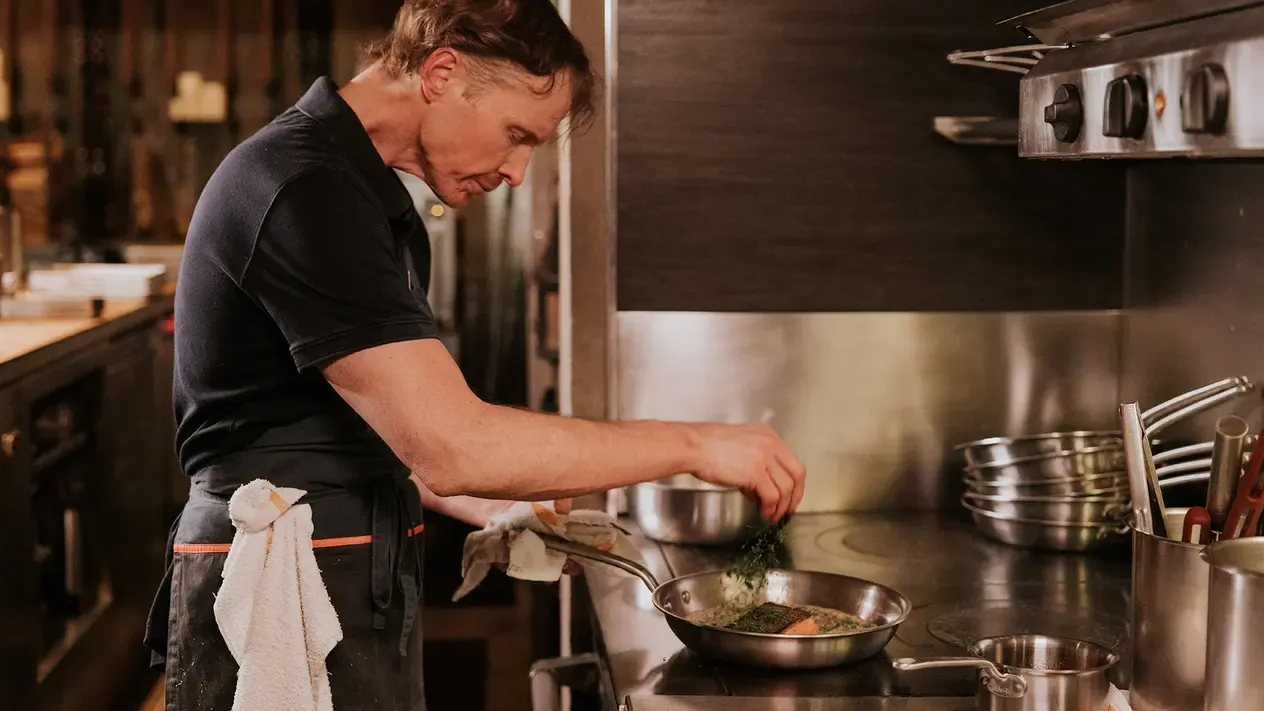
ما الذي تبحث عنه المطابخ التجارية عند اختيار أواني الطهي
المتانة في ظل الاستخدام المستمر
يجب أن تتحمل أواني الطهي دورات التسخين المتكررة دون تدهور الأداء.
تناسق التوزيع الحراري
يؤدي عدم التساوي في الحرارة إلى نتائج طهي غير متناسقة، وهو أمر غير مقبول في بيئات الخدمة ذات الحجم الكبير.
سهولة الصيانة والتنظيف
تؤثر الكفاءة في التنظيف بشكل مباشر على سرعة دوران المطبخ.
توريد موثوق وجودة التصنيع
تتطلب المطابخ الكبيرة دورات استبدال متسقة ومعدات موحدة.
هذا هو السبب في أن العديد من المشغلين يعملون مع [مورد أواني طهي بالجملة] ثابت لضمان الاتساق على المدى الطويل عبر دفعات المشتريات.
ما يمكن للطهاة في المنزل تعلمه من المطابخ الاحترافية
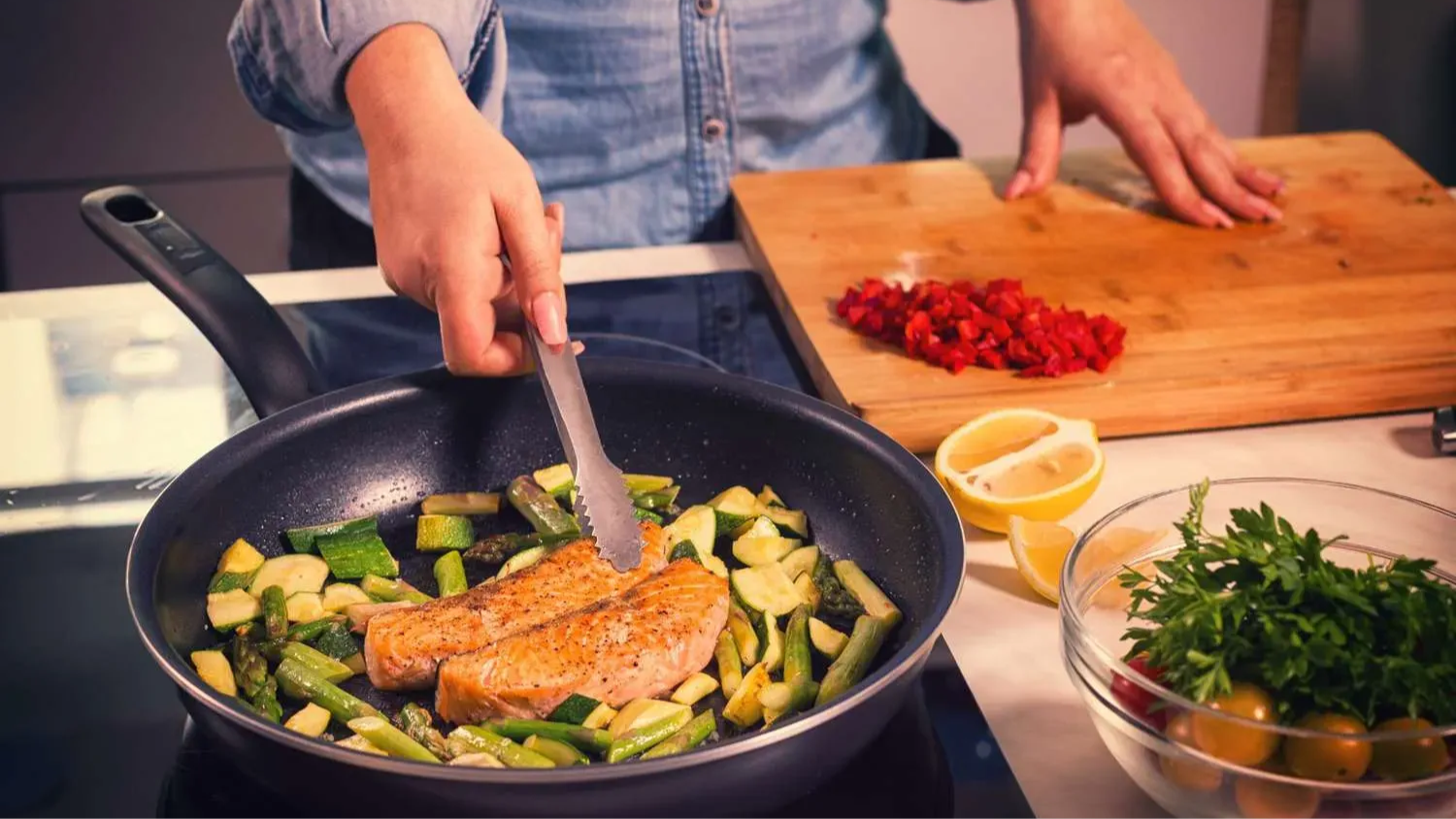
اختيار أواني الطهي بناءً على أسلوب الطهي
لا يحتاج كل مطبخ إلى أدوات من الدرجة الاحترافية، ولكن فهم المفاضلة بين الأدوات يحسّن عملية اتخاذ القرار.
مقايضة الراحة مقابل الأداء
مانع للالتصاق يعطي الأولوية للراحة. الفولاذ المقاوم للصدأ يعطي الأولوية للتحكم. الفولاذ الكربوني يوازن بطرق مختلفة.
مقلاة واحدة لا يمكنها القيام بكل شيء بشكل جيد
لا تعتمد المطابخ الاحترافية على نوع واحد من أدوات الطهي. فهم يستخدمون نظاماً من الأدوات، كل منها مخصص لوظيفة معينة.
الخلاصة: يتجنب الطهاة استخدام المقالي غير اللاصقة لأن الطهي الاحترافي مختلف
لا يتجنب الطهاة أواني الطهي غير اللاصقة لأنها “سيئة” بطبيعتها. بل يتجنبونها لأنها غير مصممة للواقع التشغيلي للمطابخ الاحترافية.
الاختلافات الرئيسية هي:
- شدة الحرارة
- تكرار الاستخدام
- متطلبات اتساق الأداء
في تلك البيئة
- الفولاذ المقاوم للصدأ يصبح المعيار الهيكلي
- يصبح الفولاذ الكربوني البديل المستجيب
- تظل الأداة غير اللاصقة أداة متخصصة
لا يتعلق اختيار أواني الطهي الاحترافية بالراحة. بل يتعلق بـ أداء قابل للتكرار تحت الضغط.
بالنسبة للمصنعين والموردين، هذا هو السبب أيضًا في أن أنظمة الفولاذ المقاوم للصدأ تظل أساس إنتاج أواني الطهي التجارية - مدعومة بهندسة متسقة وليس بطبقات الطلاء السطحية.
نبذة عن الفرص
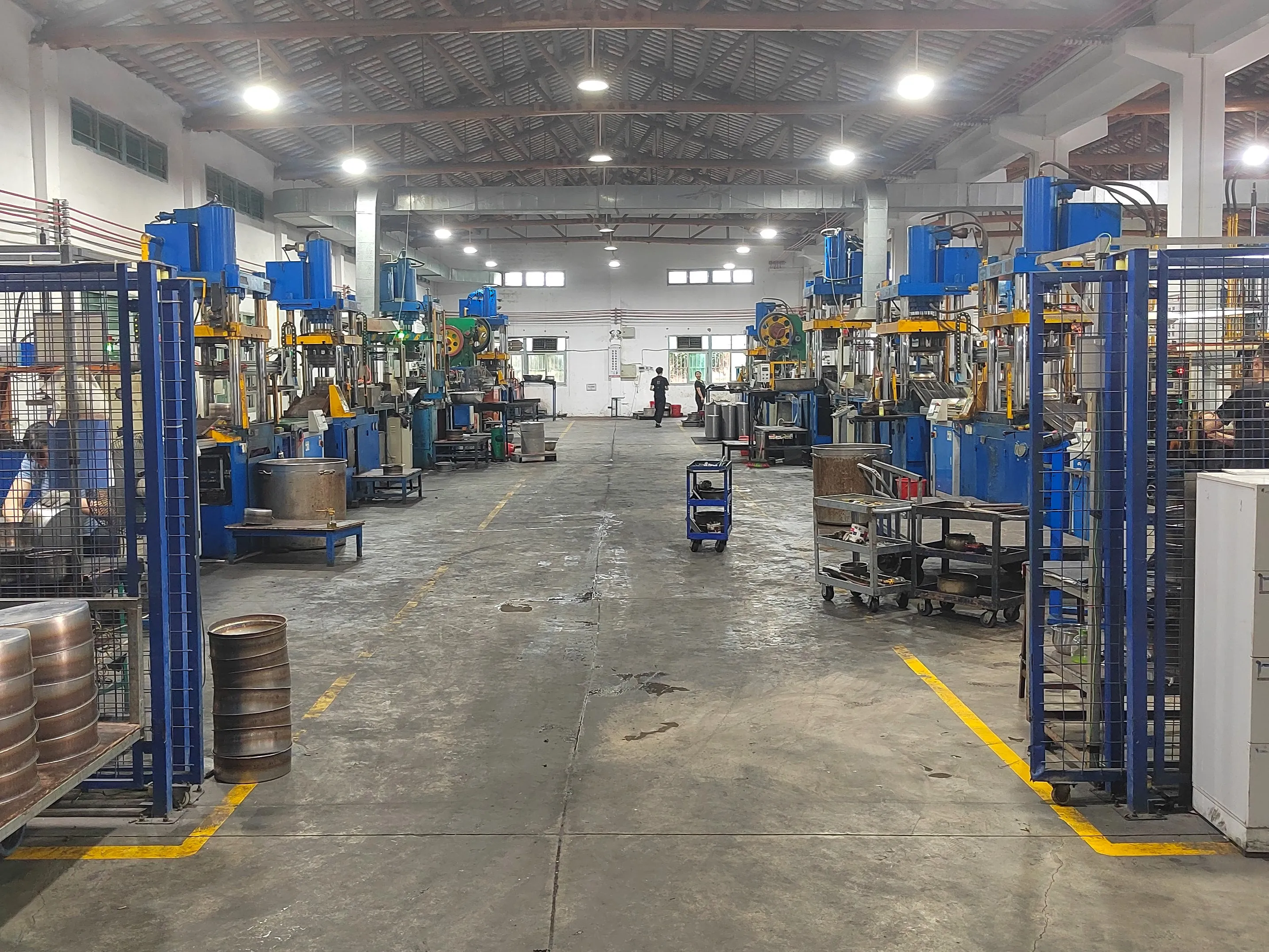
كمحترف شركة تصنيع أواني الطهي التجارية بالجملة, الفرص يركز على تقديم منتجات مستقرة وعالية الأداء من الفولاذ المقاوم للصدأ للمطابخ المنزلية والمهنية على حد سواء. نعمل كمورّد مباشر لأواني الطهي في المصنع، ونضمن مراقبة الجودة المتسقة ودُفعات إنتاج موثوقة وقدرة إنتاجية قابلة للتطوير للمشترين العالميين من الشركات.
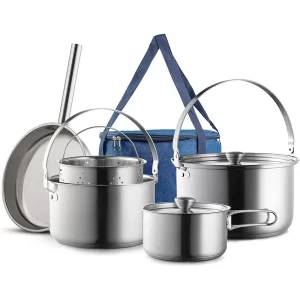
لدينا أواني الطهي بالجملة أغطية النطاق مقالي, القدور, ، وأنظمة أواني الطهي الكاملة المصممة لقوة التحمل في ظل الاستخدام عالي الحرارة والتردد العالي.
نوفر أيضًا تخصيص أواني الطهي OEM/ODM حسب الطلب, بما في ذلك الهيكل ومواصفات المواد والعلامة التجارية. وباعتبارها مورد أواني طهي بالجملة موثوق به, نحن ندعم شراكات طويلة الأجل مع إمدادات مستقرة وسلامة معتمدة من الدرجة الغذائية ودقة تصنيع مصممة خصيصًا لتلبية المتطلبات التجارية.