EU Food Contact Material Requirements for Stainless Steel

Material Requirements for Stainless Steel-1

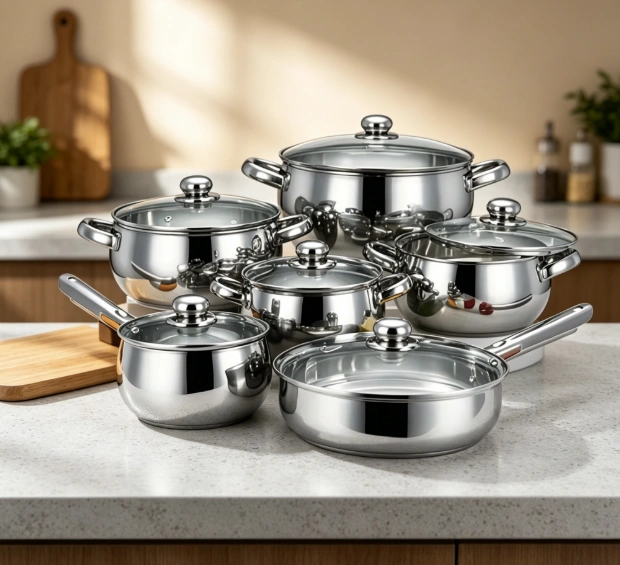
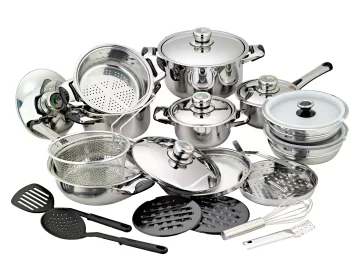
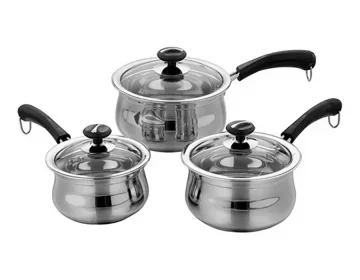
If you manufacture or import ステンレス調理器具 for the European market, understanding material requirements for stainless steel is essential for compliance, product safety, and market access. The EU requires food contact materials to be safe, traceable, and manufactured under Good Manufacturing Practice (GMP).

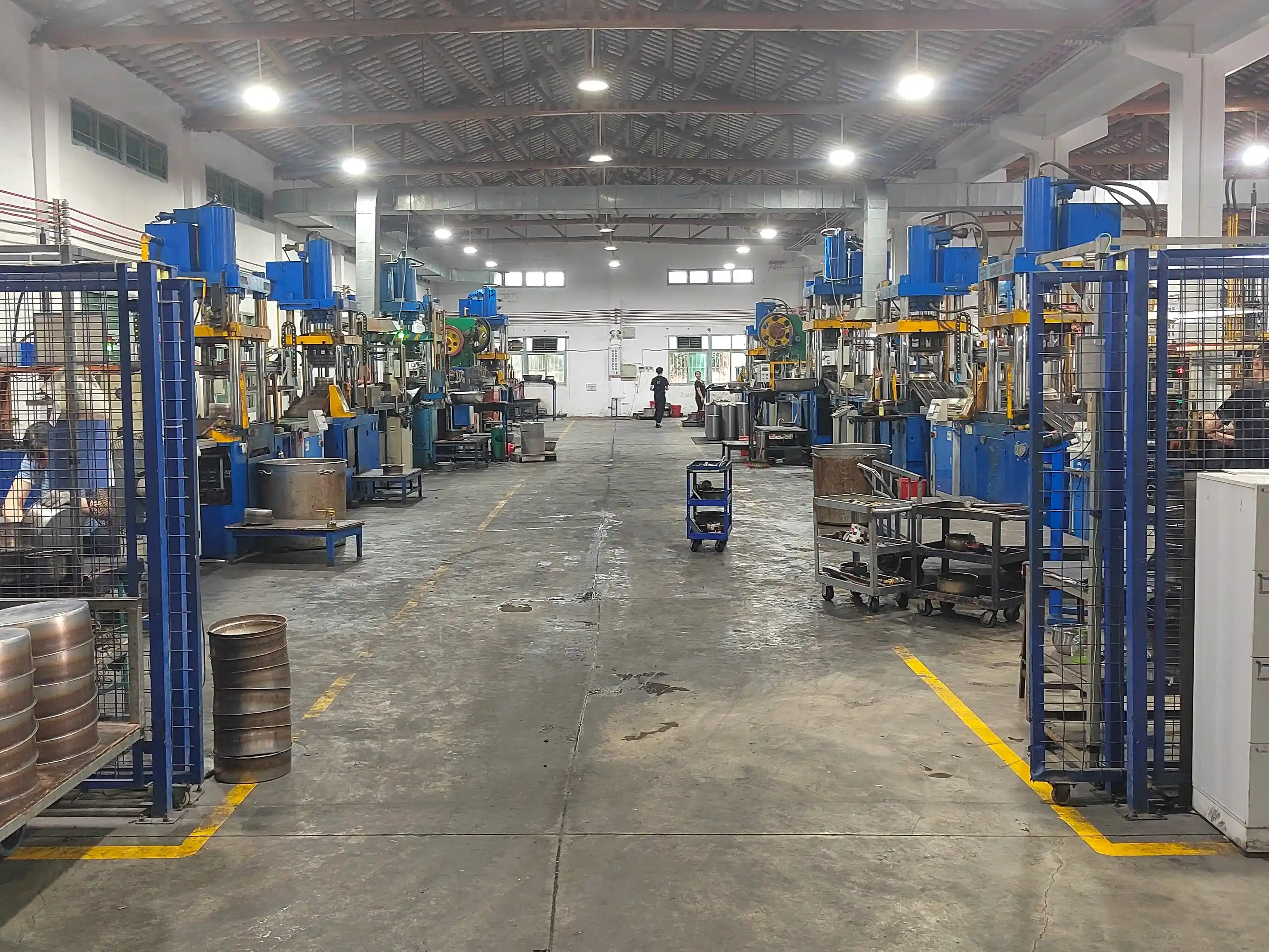
として ステンレス調理器具メーカー with over 20 years of experience, チャンス provides OEM/ODM solutions supported by integrated manufacturing, strict quality control, and production processes designed to help global brands meet international food contact requirements.

Why EU Food Contact Compliance Matters

The European Union has one of the world’s strictest regulatory systems for food contact materials (FCMs). Whether you manufacture cookware, kitchen utensils, cutlery, mixing bowls, or food preparation equipment, compliance is not optional.

For importers, wholesalers, retailers, and private-label brands, understanding the material requirements for stainless steel helps reduce compliance risks, avoid customs issues, and protect brand reputation.

More importantly, buyers increasingly request supporting technical documentation before placing OEM or ODM orders. Manufacturers capable of providing complete compliance documentation have a significant competitive advantage.

What Are EU Food Contact Material Requirements?

Food Contact Materials (FCMs) include any material intended to come into contact with food during manufacturing, preparation, storage, transportation, or serving.

For ステンレス調理器具, the EU requires products to ensure that substances migrating from the metal into food remain at safe levels and do not:

  • Endanger human health
  • Change food composition
  • Affect taste or odor
  • Mislead consumers regarding food quality

These principles are established under Regulation (EC) No. 1935/2004, which serves as the fundamental legal framework for all food contact materials sold within the European market. Manufacturers must also comply with Good Manufacturing Practice (Regulation (EC) No. 2023/2006).

What Do the Material Requirements for Stainless Steel Actually Mean?

Unlike plastics, stainless steel currently does not have one harmonized EU-specific migration regulation.

Instead, manufacturers must demonstrate that their products satisfy the general safety requirements under EU food contact legislation through appropriate testing, quality management, and documentation.

In practice, material requirements for stainless steel usually involve several key areas.

1. Appropriate Stainless Steel Grade

Common food-grade stainless steels include:

GradeTypical Applications
304Pots, bowls, kitchen utensils
316Premium cookware, acidic food processing
430Kitchen accessories with lower corrosion requirements

Selecting the correct alloy depends on the intended food type, operating temperature, and corrosion resistance requirements.


2. Migration Testing

Migration testing evaluates whether metallic elements migrate into food simulants under expected conditions of use.

Testing generally focuses on elements such as:

  • Chromium
  • Nickel
  • Iron
  • Other alloying elements when applicable

Testing should be conducted by accredited laboratories using recognized European testing methodologies.


3. Surface Quality

A high-quality stainless steel surface improves both safety and durability.

Manufacturers should control:

  • Surface roughness
  • Welding quality
  • Passivation
  • Polishing consistency
  • Burr removal

Smooth surfaces reduce contamination risks and improve cleanability.


4. Manufacturing Process Control

EU compliance also extends beyond raw materials.

Manufacturers should implement:

  • Incoming material inspection
  • Production traceability
  • Process validation
  • Equipment maintenance
  • Batch quality records

These controls demonstrate that material requirements for stainless steel are consistently achieved throughout production.

Material Requirements for Stainless Steel-5

Documentation Buyers Should Request

Professional buyers should never rely solely on verbal assurances.

Ask suppliers to provide documentation such as:

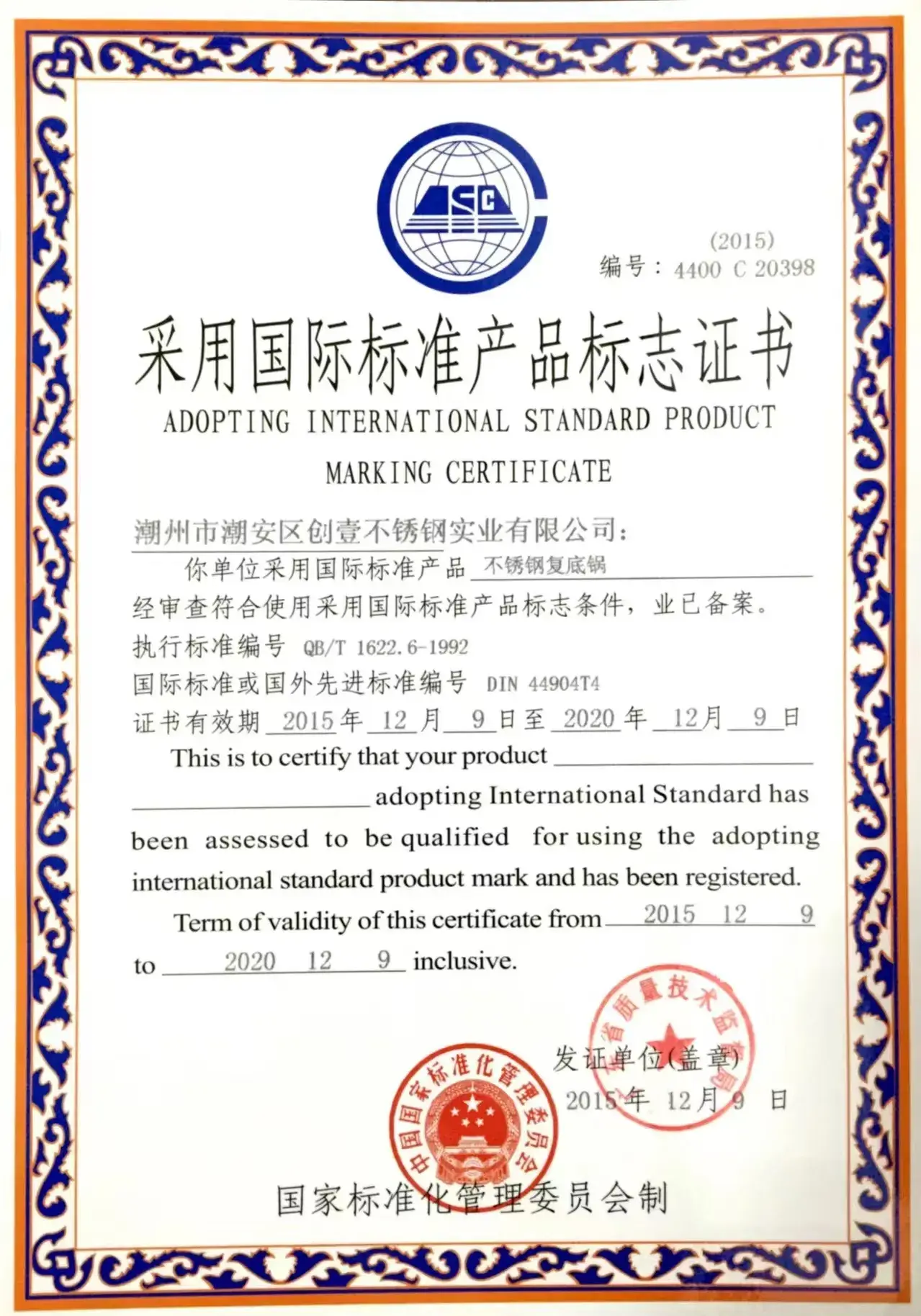
  • Declaration of Compliance (DoC)
  • Material certificates
  • Migration test reports
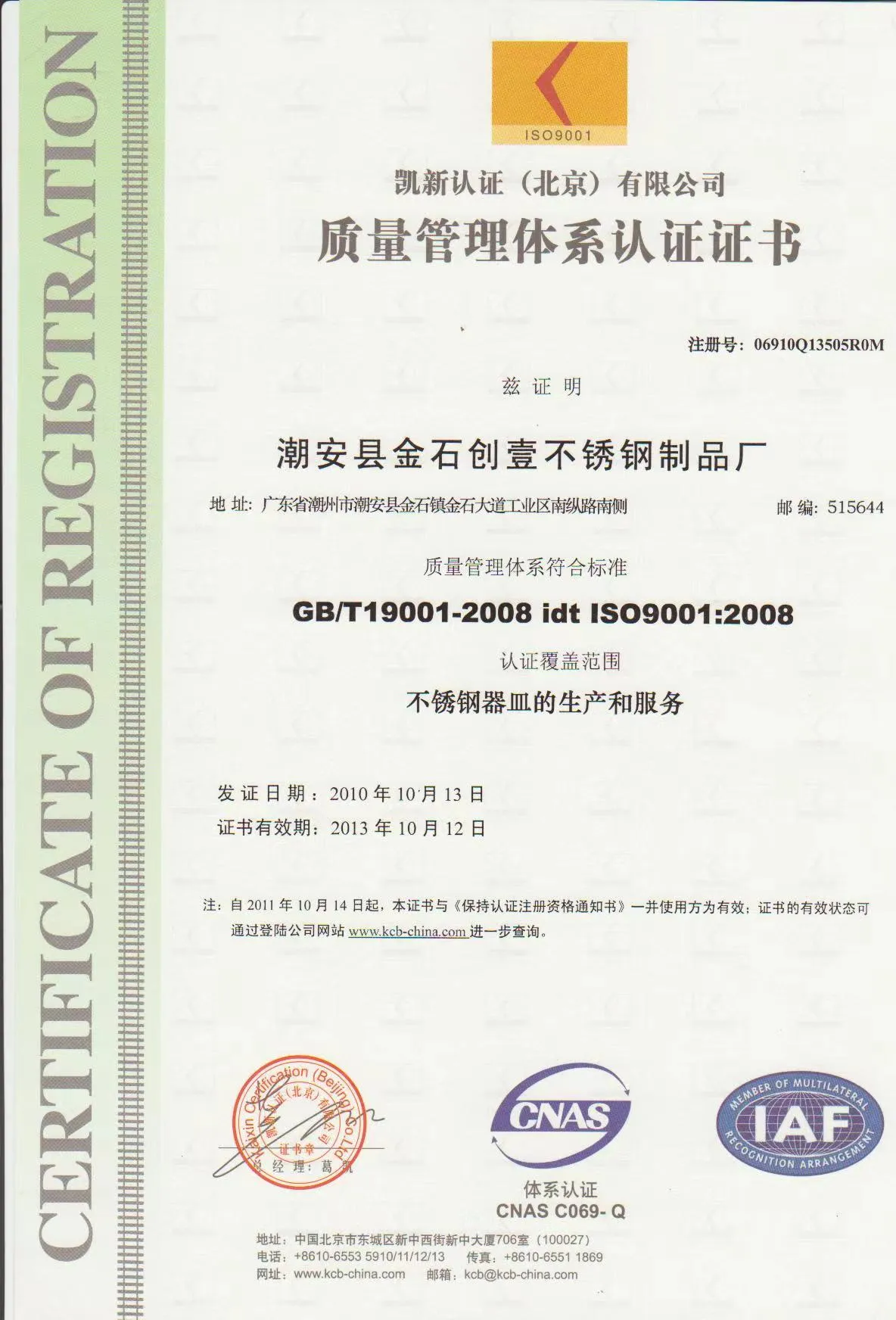
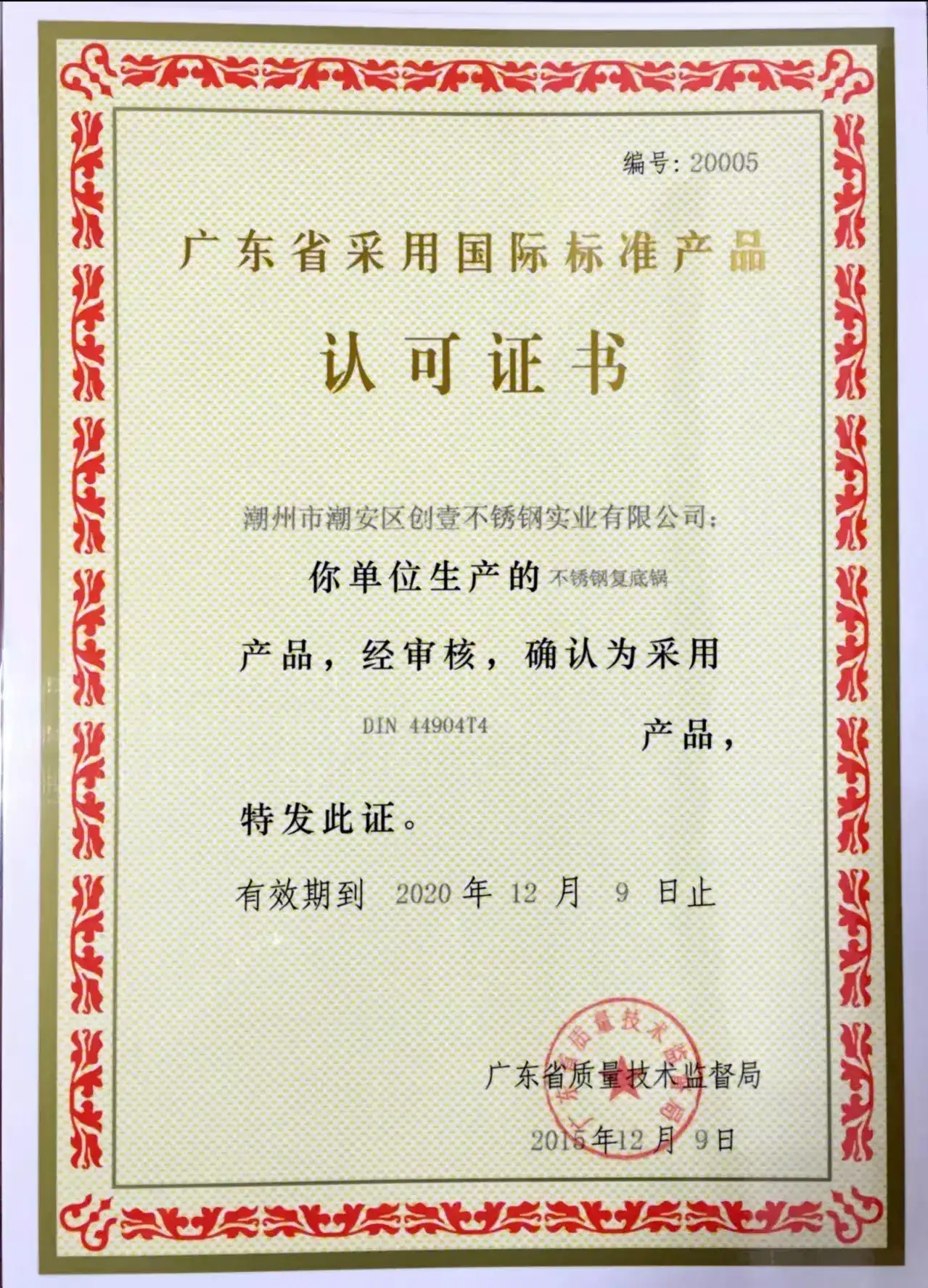
  • Quality management certifications
  • Product specifications
  • Production traceability records
Material Requirements for Stainless Steel-2
Material Requirements for Stainless Steel-3
Material Requirements for Stainless Steel-4

Complete documentation helps simplify customs clearance and customer audits.

Pros and Cons of Stainless Steel Food Contact Materials

長所

  • Excellent corrosion resistance
  • Long service life
  • Highly recyclable
  • 掃除が簡単
  • Resistant to high temperatures
  • Durable for commercial kitchens
  • Suitable for repeated food contact
  • Premium consumer perception

短所

  • Higher raw material costs than some alternatives
  • Incorrect alloy selection may reduce corrosion resistance
  • Surface damage can affect long-term performance
  • Compliance testing increases development costs
  • Premium grades such as 316 are more expensive

For most commercial kitchen applications, the long-term benefits significantly outweigh the initial investment.

Common Compliance Mistakes

Even experienced suppliers occasionally overlook important details.

Some common mistakes include:

1. Using Unverified Raw Materials

Without reliable mill certificates, manufacturers cannot verify alloy composition.

2. Skipping Migration Testing

Food-grade stainless steel does not automatically guarantee compliance.

Testing remains essential.

3. Poor Traceability

Incomplete production records make recalls and regulatory inspections much more difficult.

4. Weak Quality Control

Variations in polishing, welding, or passivation may affect final product performance.

How to Evaluate a Stainless Steel Cookware Supplier

When selecting an OEM or ODM partner, consider the following checklist.

  • More than 10 years of manufacturing experience
  • Complete production capabilities
  • Stable raw material sourcing
  • Migration testing support
  • Traceability system
  • Experienced engineering team
  • Flexible customization
  • Strong quality inspection procedures
  • Export experience to EU markets
  • Responsive technical support

選択 an experienced supplier reduces project risks and accelerates product launches.

よくあるご質問

Q1: What is the most important EU regulation for stainless steel cookware?

The primary regulation is Regulation (EC) No. 1935/2004, which establishes general safety and material requirements for stainless steel and other food contact materials placed on the EU market.

Q2: Does stainless steel require migration testing?

Yes. Although no single harmonized EU migration regulation applies specifically to stainless steel, manufacturers should demonstrate compliance through appropriate migration testing and supporting documentation.

Q3: Which stainless steel grade is commonly used for cookware?

For stainless steel material requirements, Grade 304 is the most widely used food-grade option, while Grade 316 offers improved corrosion resistance for demanding applications.

Q4: Why is a Declaration of Compliance important?

A Declaration of Compliance provides evidence that products meet applicable food contact legislation and is frequently requested by importers, retailers, and regulatory authorities.

Q5: How can buyers reduce compliance risks?

Work with manufacturers that meet specific material requirements for stainless steel, maintain complete traceability, perform migration testing, and provide comprehensive technical documentation.

結論

Understanding the material requirements for stainless steel is essential for any business supplying cookware and kitchenware to the European market. Compliance is no longer just a regulatory obligation—it is a key factor in product quality, customer trust, and long-term business success. By selecting the right stainless steel grades, conducting appropriate migration testing, maintaining full traceability, and working with experienced manufacturing partners, brands can minimize compliance risks while delivering safe and reliable products to consumers.

Partner with Chances for Reliable Stainless Steel Cookware

Meeting the material requirements for stainless steel requires more than selecting the right alloy—it demands consistent manufacturing, rigorous quality control, and complete documentation throughout the production process.

ステンレス鋼誘導調理器具 メーカー

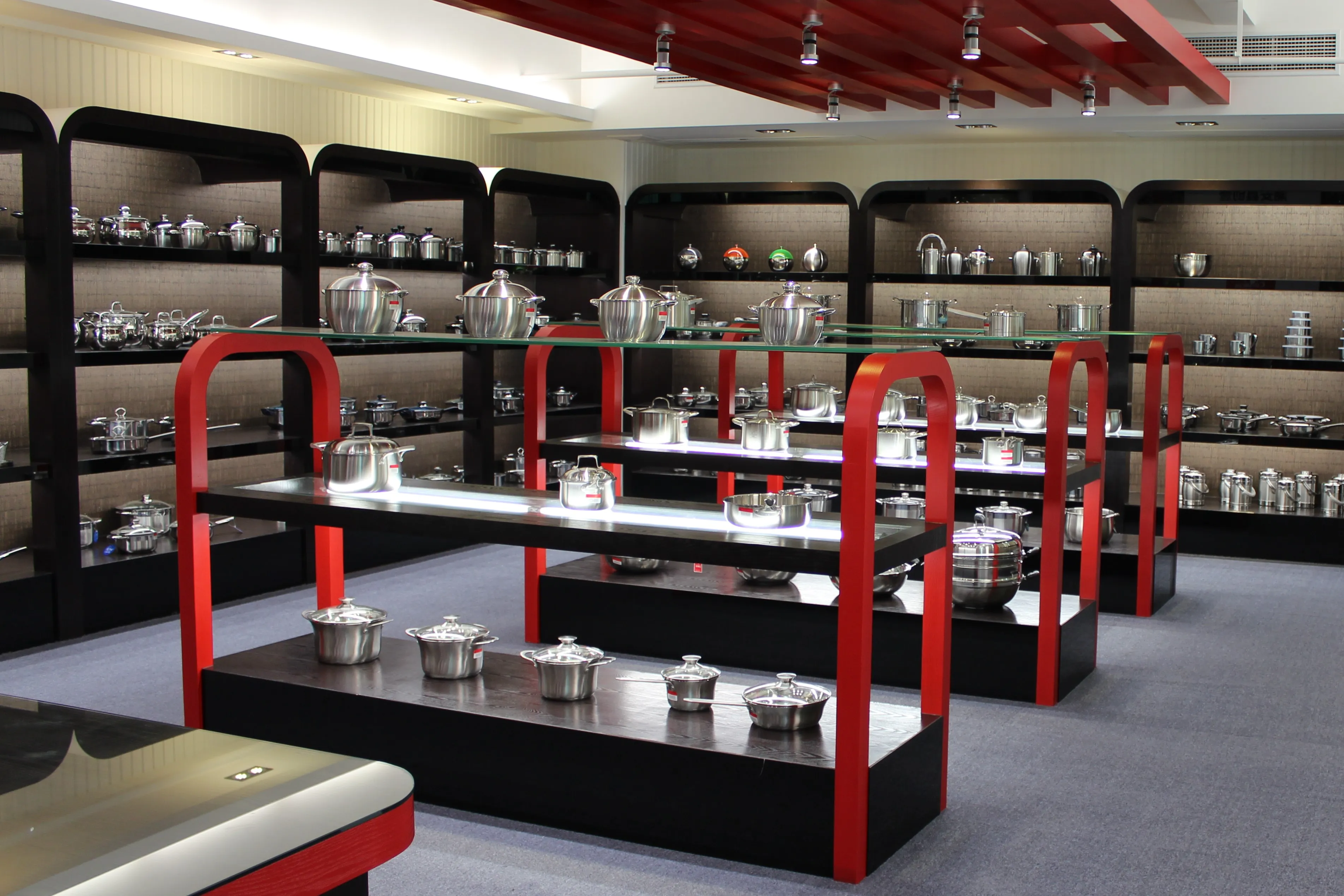
With more than 20 years of manufacturing experience, チャンス specializes in wholesale stainless steel cookware and cookware sets for global brands, importers, distributors, and retailers. Our vertically integrated production system covers everything from raw material processing to finished product assembly, enabling stable quality, efficient production, and flexible OEM/ODM customization.

Whether you are developing a new cookware collection or expanding your existing product line, チャンス can help you deliver compliant, durable, and market-ready stainless steel kitchen products for the European market. Contact our team today to discuss your next OEM or ODM project and build a long-term manufacturing partnership.

検索

タグ

最近の製品

お問い合わせ

無料見積もり依頼

私たちの卸売調理器具製品についての詳細情報をご希望の場合は、お問い合わせください!

+86-13827336819
ご遠慮なくお電話ください。
info@chancescook.com
ご遠慮なくお問い合わせください。
工場所在地
広東省潮州市金石大道の南側
お問い合わせ

無料見積もり依頼

私たちの卸売調理器具製品についての詳細情報をご希望の場合は、お問い合わせください!

+86-13827336819
ご遠慮なくお電話ください。
info@chancescook.com
ご遠慮なくお問い合わせください。
工場所在地
広東省潮州市金石大道の南側