EN
EN  FR
FR  DE
DE  RU
RU  AR
AR  ES
ES  PT
PT  JA
JA  KO
KO 
China has become one of the world’s most important cookware manufacturing centers, supplying pots and pans to both household and commercial markets worldwide. While the industry was once associated primarily with low-cost production, many manufacturers have significantly upgraded their capabilities in material selection, cookware engineering, and export-oriented quality control.
Today, durability, heat performance, food safety standards, and long-term reliability have become increasingly important for distributors, retailers, and private-label brands sourcing cookware from China.
From stainless steel cookware and triply cookware to commercial-grade pots and pans, the market now includes a wide range of products designed for different cooking environments and performance requirements. For sourcing pots and pans from China, understanding what separates low-grade cookware from premium cookware is essential when selecting reliable products and manufacturing partners.
What Defines High-Quality Cookware?
Material Quality
The foundation of cookware quality starts with materials.
For stainless steel pots and pans, the most common grades include:
- 201 stainless steel – lower cost, lower corrosion resistance
- 304 stainless steel – food-grade standard with strong durability
- 316 stainless steel – premium corrosion-resistant option
High-quality cookware typically uses food-grade 304 stainless steel because it provides:
- Better corrosion resistance
- Greater structural stability
- Safer long-term food contact performance
Premium cookware may also incorporate:
- Aluminum cores
- Triply construction
- Multi-layer bonded bases
These structures improve thermal performance significantly.
Heat Distribution Performance
Good cookware should heat evenly.
Poor heat distribution causes:
- Hot spots
- Uneven browning
- Inconsistent cooking results
Durability and Structural Stability
High-quality cookware must withstand:
- Repeated heating cycles
- Daily cleaning
- High-temperature cooking
Thin or poorly manufactured cookware is more likely to warp, dent, or develop loose handles
Structural durability becomes especially important in commercial kitchens where cookware experiences continuous use.
Food Safety and Certification Standards
Reliable cookware manufacturers often comply with:
- FDA food-contact standards
- LFGB certification requirements
- SGS testing protocols
These standards help verify:
- Material safety
- Chemical stability
- Food-contact compliance
Certification is particularly important for export-grade cookware products.
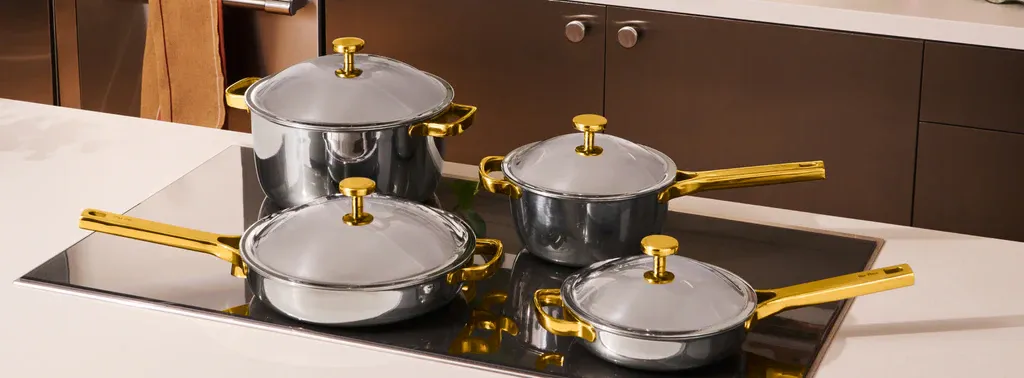
The Most Popular Types of Chinese Cookware
Stainless Steel Cookware
Stainless steel cookware remains one of the most popular categories because of its:
- Durability
- Corrosion resistance
- High-heat compatibility
It is widely used in:
- Home kitchens
- Restaurants
- Hotels
- Commercial foodservice operations
A professional stainless steel cookware manufacturer typically offers multiple structures and finishes to meet different market requirements.
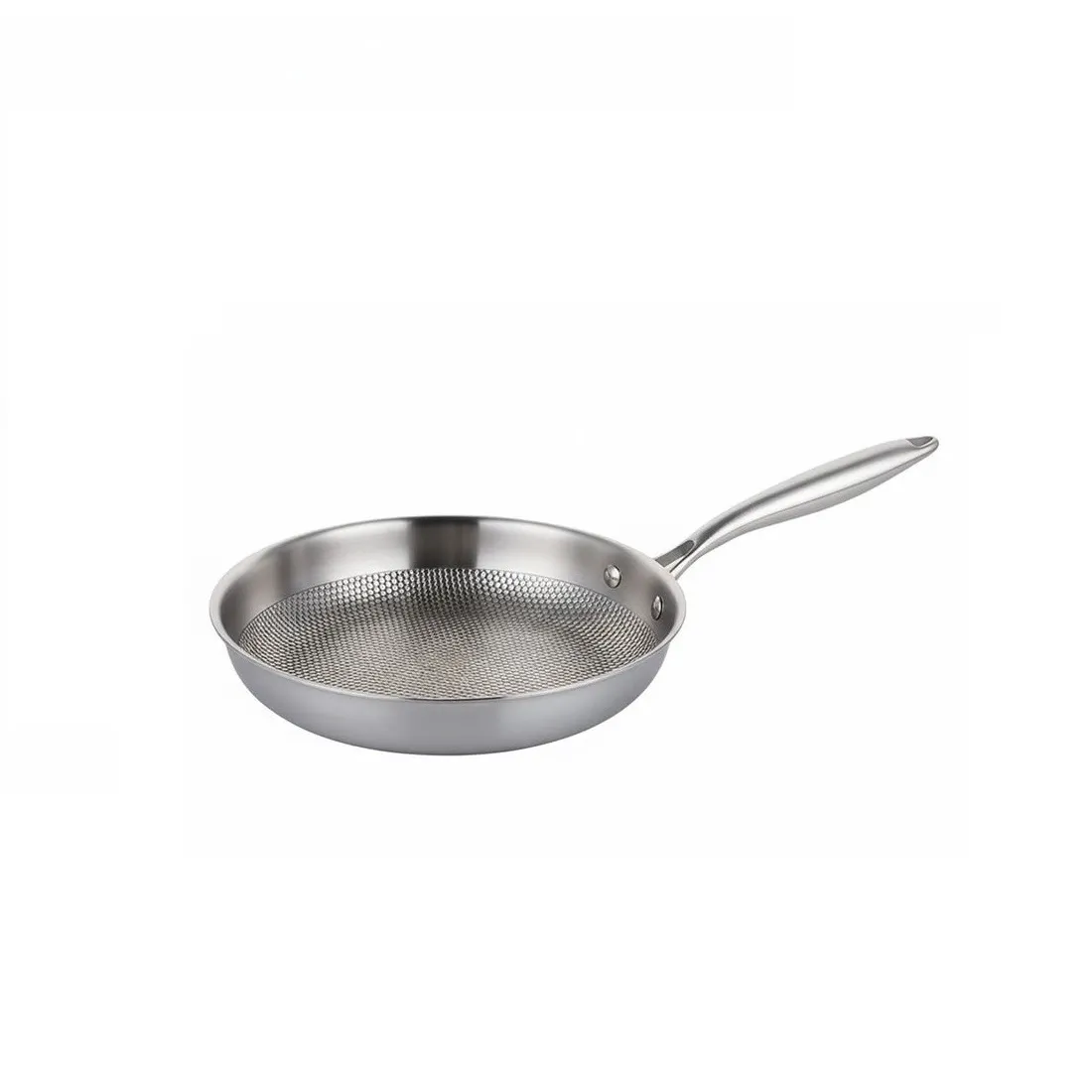
Triply Stainless Steel Cookware
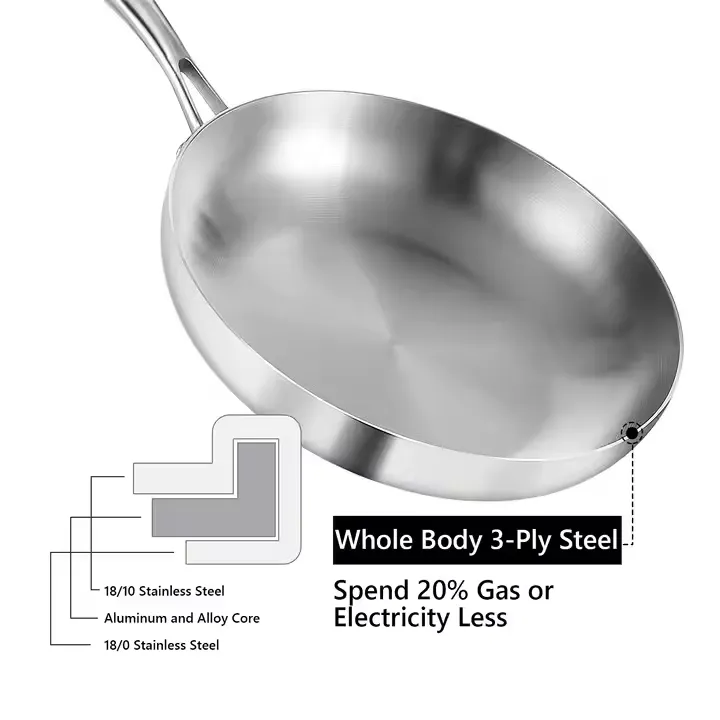
Triply cookware combines:
- Interior stainless steel
- Aluminum core
- Exterior stainless steel
This structure improves:
- Heat distribution
- Cooking consistency
- Energy efficiency
Triply cookware has become increasingly popular in premium cookware markets because it solves one of stainless steel’s biggest limitations: uneven heating.
Non-Stick Cookware
Non-stick cookware remains highly popular among home users because of:
- Easy food release
- Convenient cleaning
- Lower oil usage
However, non-stick cookware generally has:
- Lower heat tolerance
- Shorter lifespan under heavy use
- Surface degradation limitations over time
This is why commercial kitchens often rely more heavily on stainless steel and carbon steel cookware.
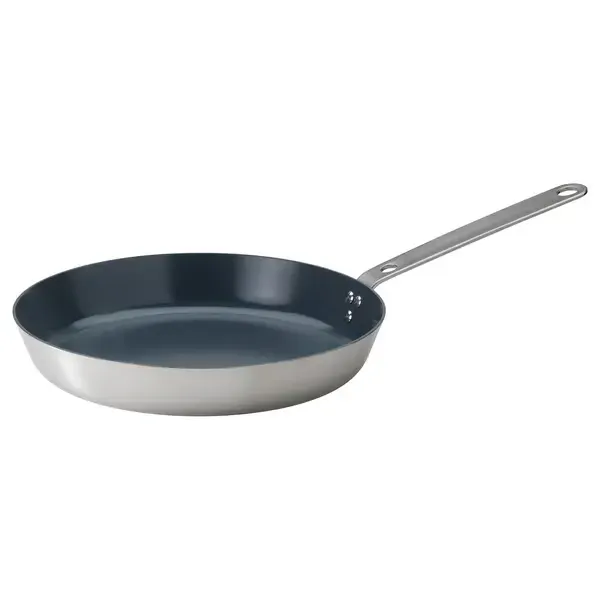
Why Stainless Steel Pots and Pans Dominate the Premium Cookware Market
Long-Term Durability
Stainless steel pots and pans are widely recognized for their long service life and structural reliability. Compared with coated cookware, they are more resistant to:
- Corrosion from moisture and acidic ingredients
- Surface scratching during daily cooking
- Warping caused by repeated heating cycles
Because stainless steel cookware does not rely on synthetic coatings for performance, properly manufactured pots and pans can maintain stable cooking performance for years under regular use.
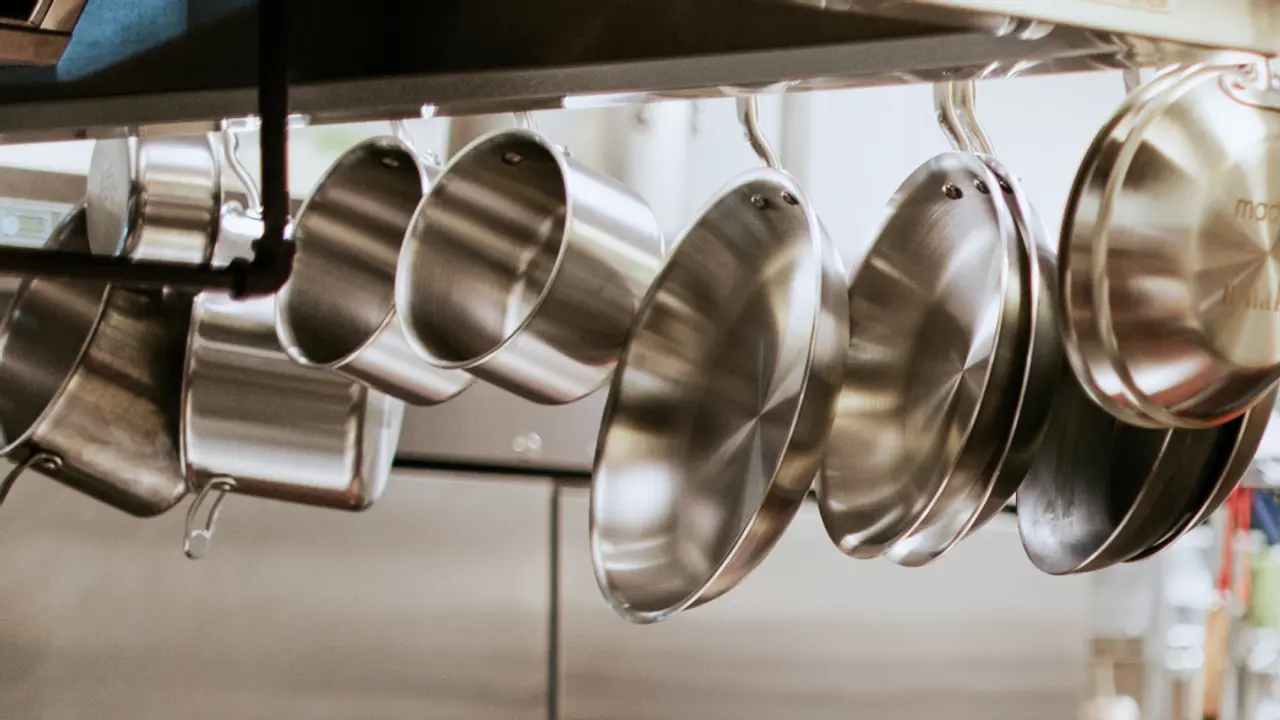
High-Heat Cooking Capability
One of the main reasons professional kitchens prefer stainless steel pots and pans is their ability to handle high cooking temperatures consistently.
They perform well in:
- Searing meats at high heat
- Open flame cooking environments
- Continuous commercial kitchen usage
This makes stainless steel cookware suitable for both household cooking and demanding foodservice operations where thermal stability is critical.
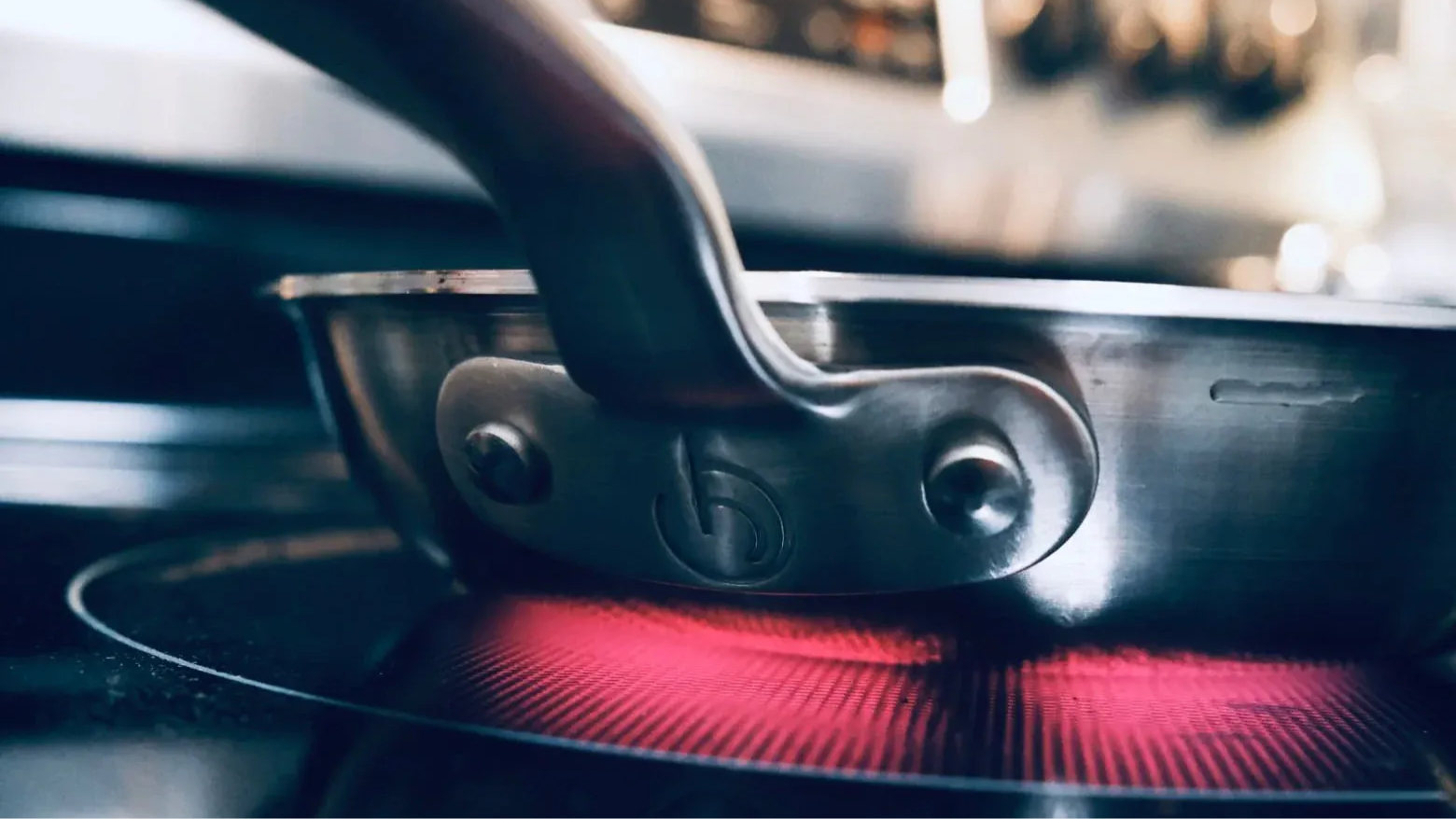
Food-Grade Material Stability
High-quality stainless steel pots and pans are commonly manufactured using food-grade materials such as 304 stainless steel, which offers strong corrosion resistance and long-term food-contact stability.
Unlike coated cookware surfaces that may degrade over time, stainless steel cooking surfaces remain structurally stable under normal cooking conditions.
Many distributors and retailers work directly with a professional [cookware supplier] to ensure consistent material standards, manufacturing quality, and compliance with international food-contact regulations.
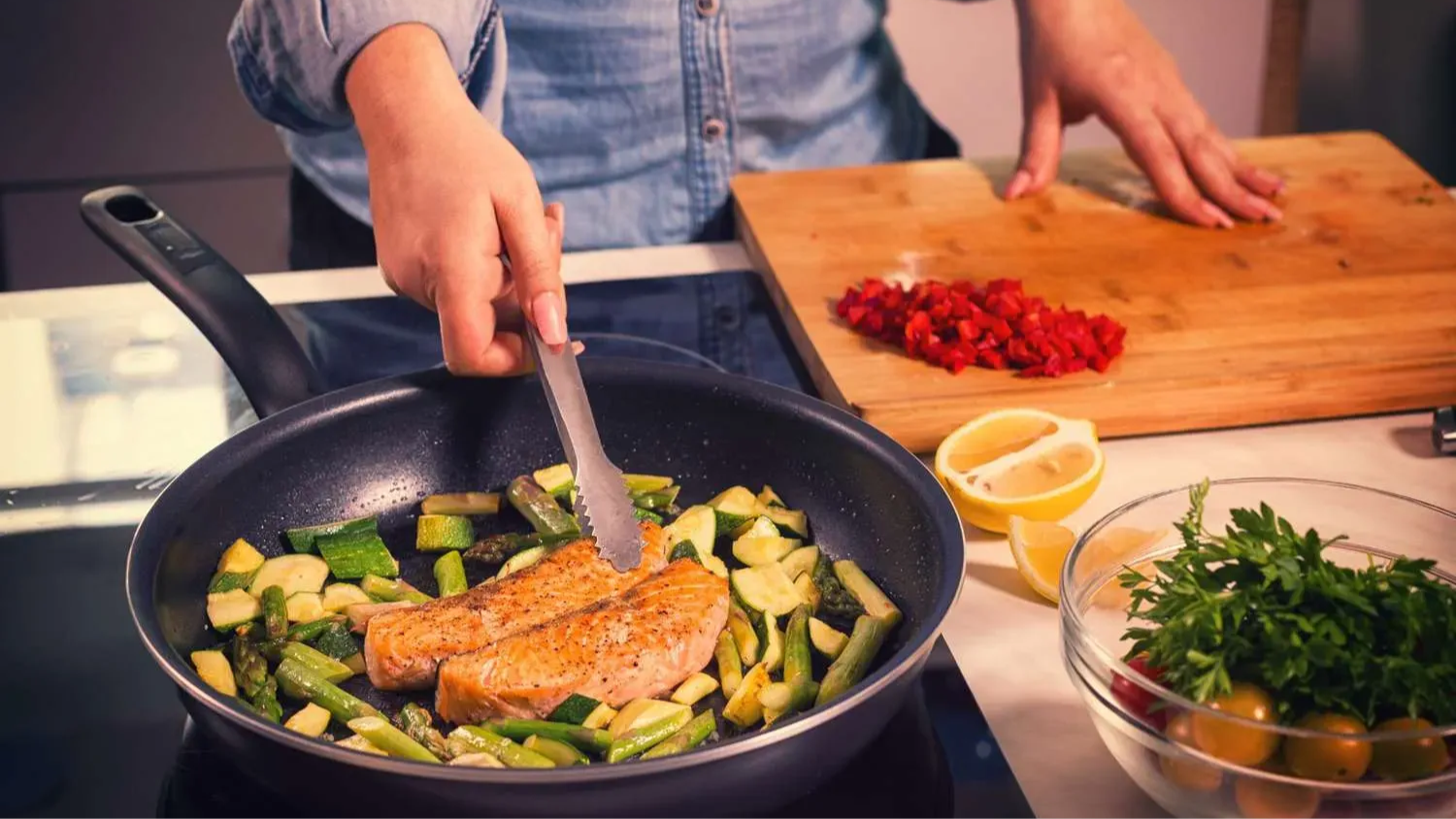
Compatibility with Modern Cooking Environments
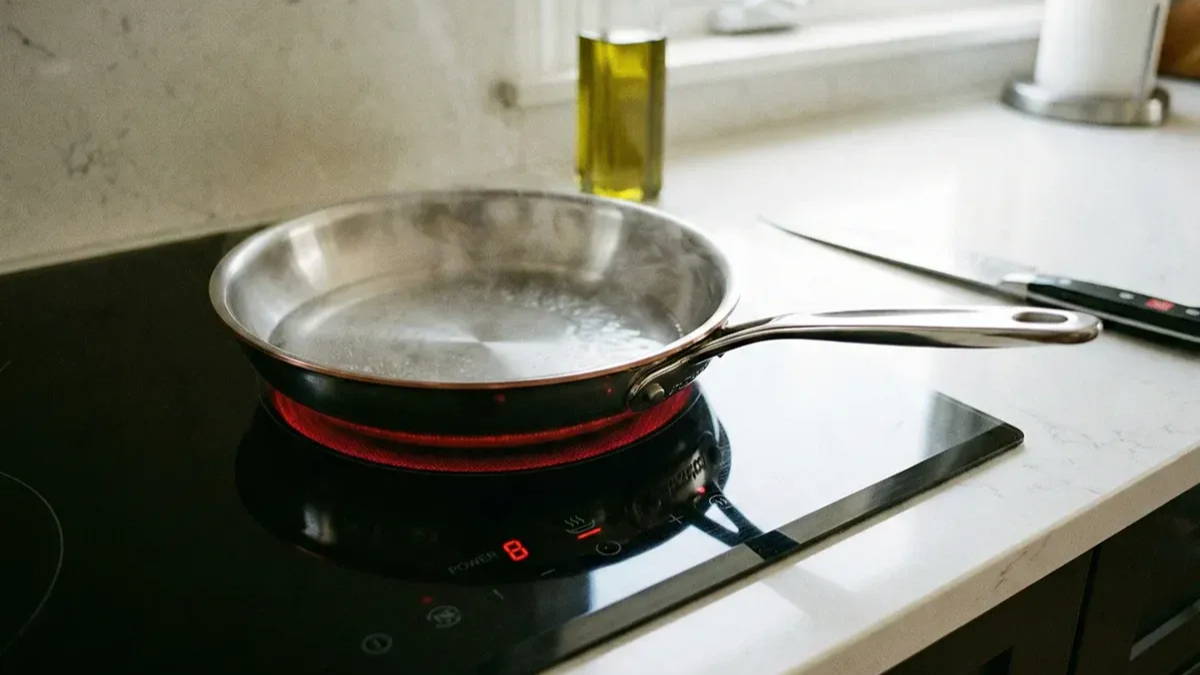
Modern stainless steel pots and pans are designed to work across multiple heat sources, including:
- Induction cooktops
- Gas stoves
- Electric cooktops
This compatibility increases their versatility for both residential kitchens and commercial cooking environments, making stainless steel cookware one of the most adaptable options in the premium cookware market.
Understanding Triply Cookware: Why It Has Become a Premium Standard
The Three-Layer Structure
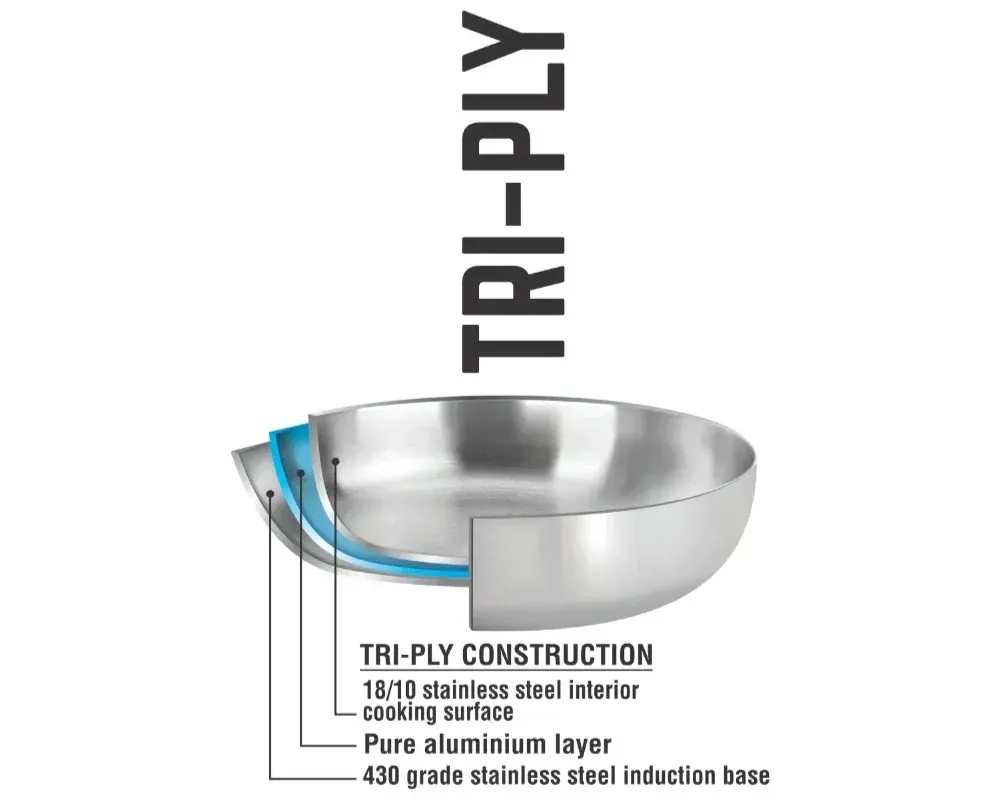
Triply cookware typically includes an interior stainless steel, an aluminum core, and an exterior magnetic stainless steel
This structure is popular for increasing durability, heat conductivity, and induction compatibility of pots and pans
Aluminum Core Heat Distribution Benefits
Aluminum transfers heat much more efficiently than stainless steel.
The aluminum core helps:
- Eliminate hot spots
- Improve thermal consistency
- Increase cooking precision
How to Identify a Reliable China Cookware Manufacturer
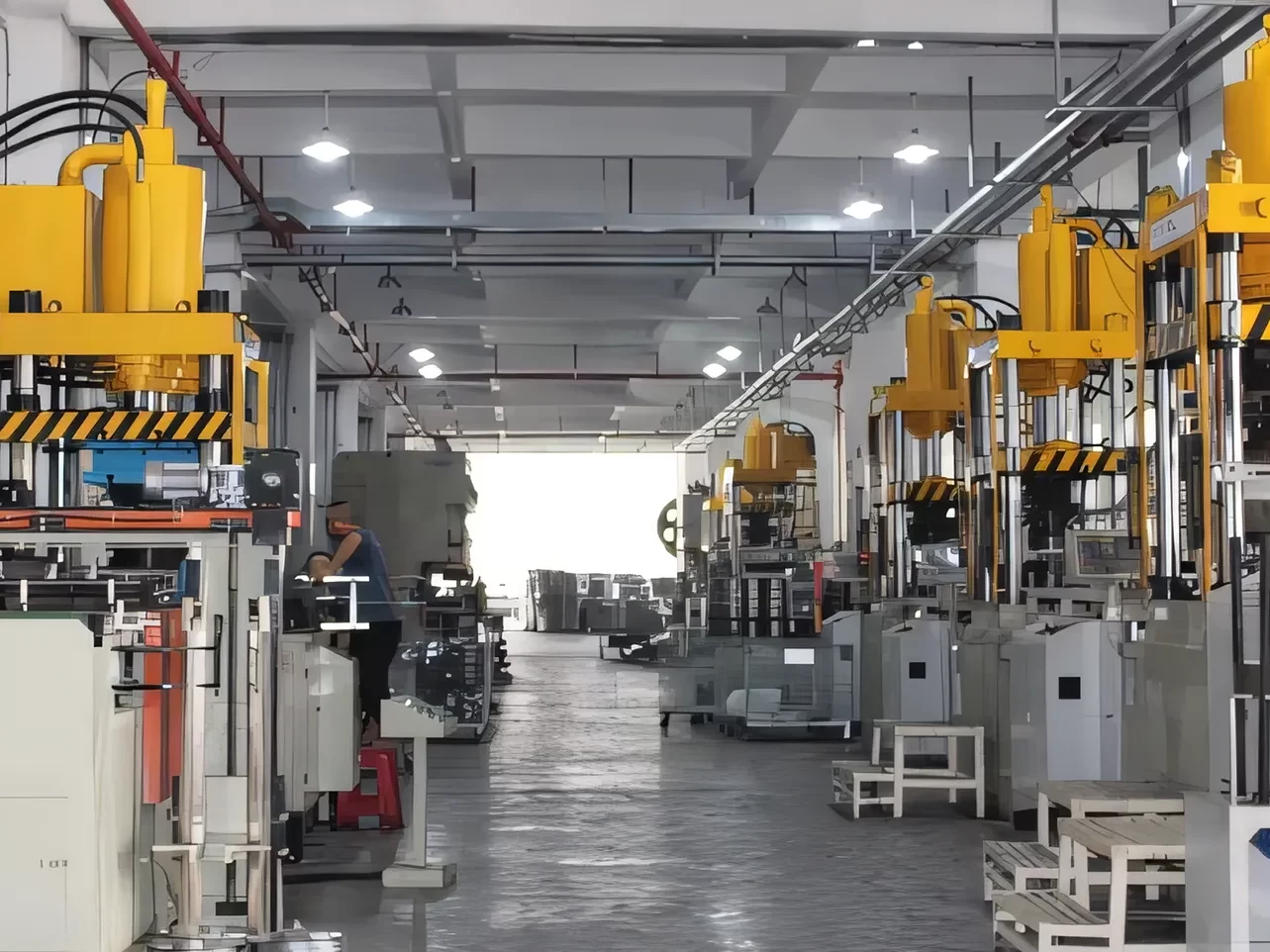
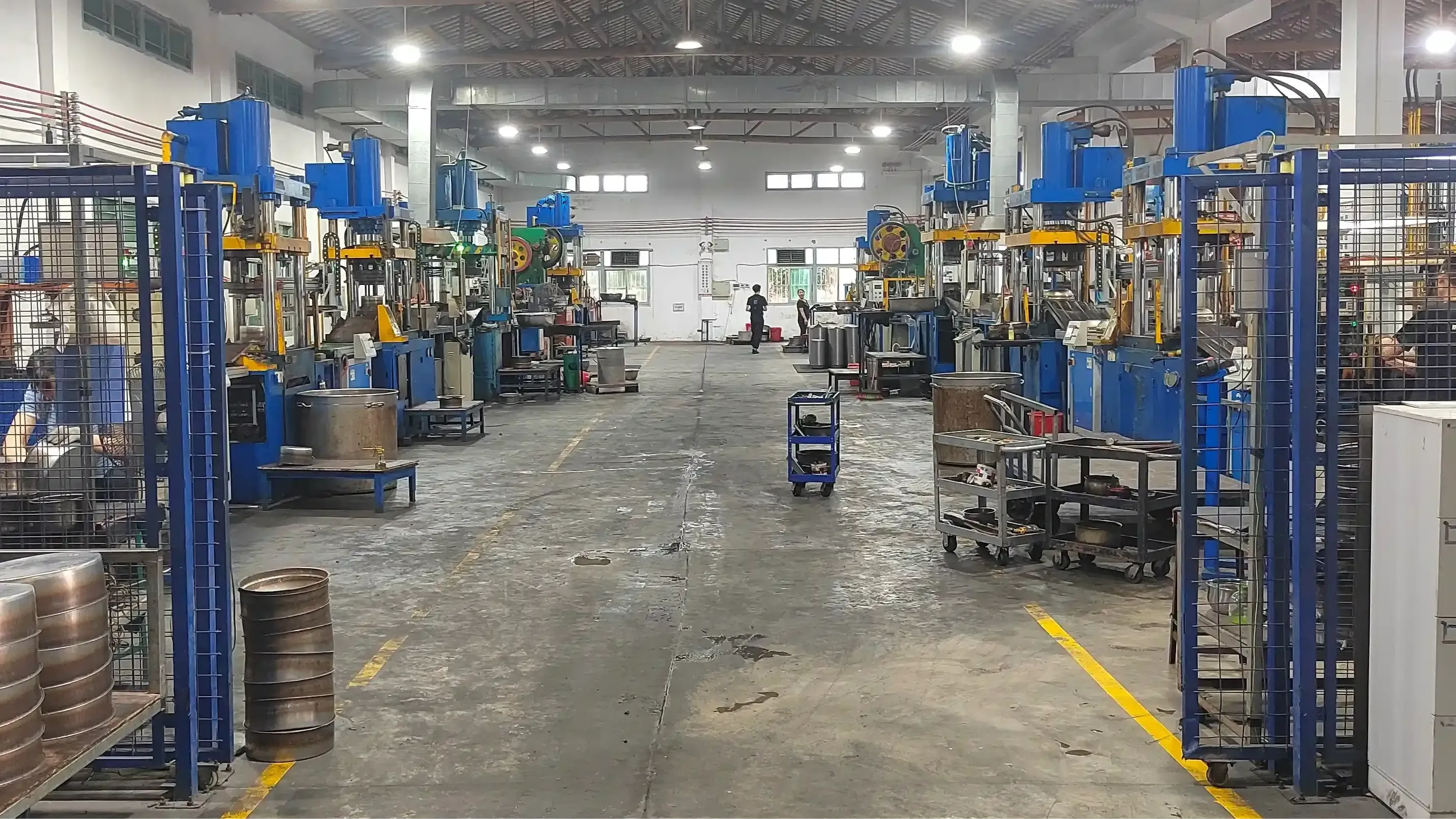
Manufacturing Facilities and Equipment
A reliable factory should have:
- Stamping equipment
- Polishing lines
- Bonding technology for triple-coated cookware
- Quality inspection systems
Factories lacking these capabilities may outsource production, increasing inconsistency risk.
OEM/ODM Capability
A professional custom cookware manufacturer should support:
- Custom sizing
- Logo engraving
- Packaging customization
- Product structure development
This is critical for private-label cookware brands.
Quality Control Systems
Strong factories implement:
- Raw material inspection
- In-process quality monitoring
- Final product inspection
Without structured QC systems, product consistency becomes unreliable.
Export Experience and Compliance Standards
Experienced export manufacturers understand:
- International packaging standards
- Shipping requirements
- Regulatory compliance expectations
This reduces sourcing and logistics risks for overseas buyers.
.webp)
Home Kitchen vs Commercial Kitchen Cookware Requirements
What Home Users Prioritize
Home users often focus on:
- Ease of cleaning
- Versatility
- Appearance
- Convenience
What Restaurants and Hotels Prioritize
Commercial kitchens prioritize:
- Durability
- Heat stability
- Long-term operational efficiency
- Replacement cost control
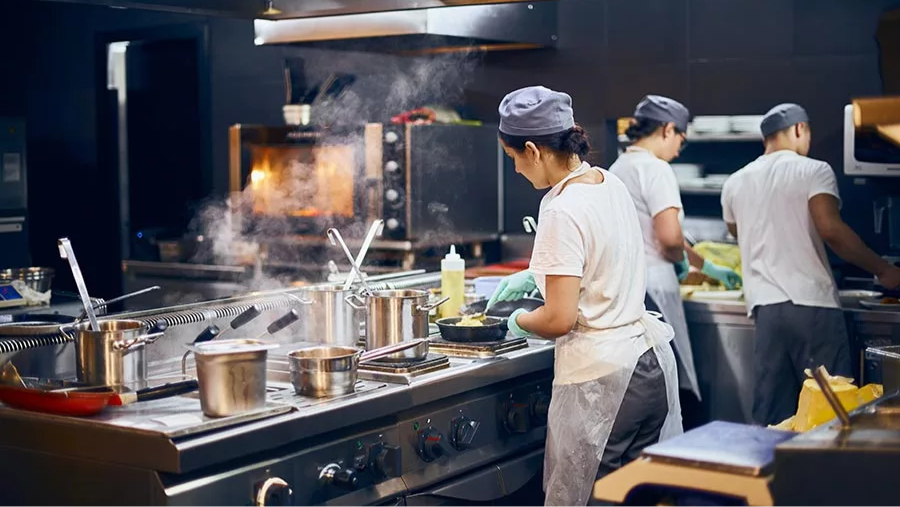
Why Professional Kitchens Prefer Stainless Steel and Triply pots and pans
Professional kitchens require cookware that can withstand:
- Continuous heating
- Aggressive cooking techniques
- Frequent handling
This is why stainless steel and triply cookware dominate commercial environments.
A dependable wholesale cookware supplier can help restaurants and distributors maintain consistency across large cookware inventories.
OEM and Private Label Opportunities in China Cookware Manufacturing
Custom Product Design
An experienced custom cookware manufacturer can support:
- Product dimension customization
- Handle design adjustments
- Material upgrades
- Triply structured development
Logo and Packaging Customization
OEM services commonly include:
- Laser logo engraving
- Retail-ready packaging
- Brand-specific labeling
Bulk Production and Global Export Support
A professional wholesale cookware supplier can provide:
- Scalable production capacity
- Stable lead times
- Export documentation support
- Compliance-ready manufacturing systems
Conclusion: China Cookware Is No Longer Just About Low Cost
China’s cookware manufacturing is no longer defined purely by cost advantages. Many factories now produce cookware that meets premium international standards in material quality, thermal performance, structural durability, and food safety compliance.
For buyers, the key factor is not simply where cookware is produced, but how it is engineered, manufactured, and quality controlled. Material selection, cookware construction, certification standards, and production consistency all directly influence long-term product performance and commercial value.
Whether sourcing cookware for retail distribution, private-label branding, or commercial kitchen supply, working with an experienced cookware manufacturer helps ensure more stable quality, scalable production capability, and stronger long-term market competitiveness.
About Chances
Chances is a professional restaurant cookware manufacturer dedicated to serving B2B clients with reliable, high-performance solutions. Our wholesale restaurant cookware is produced under strict quality control systems and complies with relevant international certifications, ensuring durability and safety for commercial kitchens.
With strong manufacturing capabilities, Chances supports OEM stainless steel cookware and private-label cookware customization, including materials, structures, and specifications tailored to different kitchen needs. Backed by responsive service and technical expertise, the company helps distributors, restaurant groups, and brands optimize cookware selection, reduce operating costs, and maintain consistent performance.
FAQ Section
Is cookware made in China of good quality?
Yes. Many Chinese manufacturers produce high-quality cookware using food-grade stainless steel, triply construction, and international certification standards.
What is the best cookware material?
Stainless steel is widely considered one of the best overall cookware materials because of its durability, heat resistance, and long-term stability.
What is triply stainless steel cookware?
Triply cookware uses three bonded layers—typically stainless steel and aluminum—to improve heat distribution and cooking performance.
How do I find a reliable cookware manufacturer in China?
Evaluate factories based on manufacturing capability, certifications, OEM experience, quality control systems, and sample performance.
Is stainless steel cookware safe?
Yes. High-quality food-grade stainless steel cookware is widely regarded as safe and stable for cooking applications.