JA
JA  EN
EN  FR
FR  DE
DE  RU
RU  AR
AR  ES
ES  PT
PT  KO
KO 
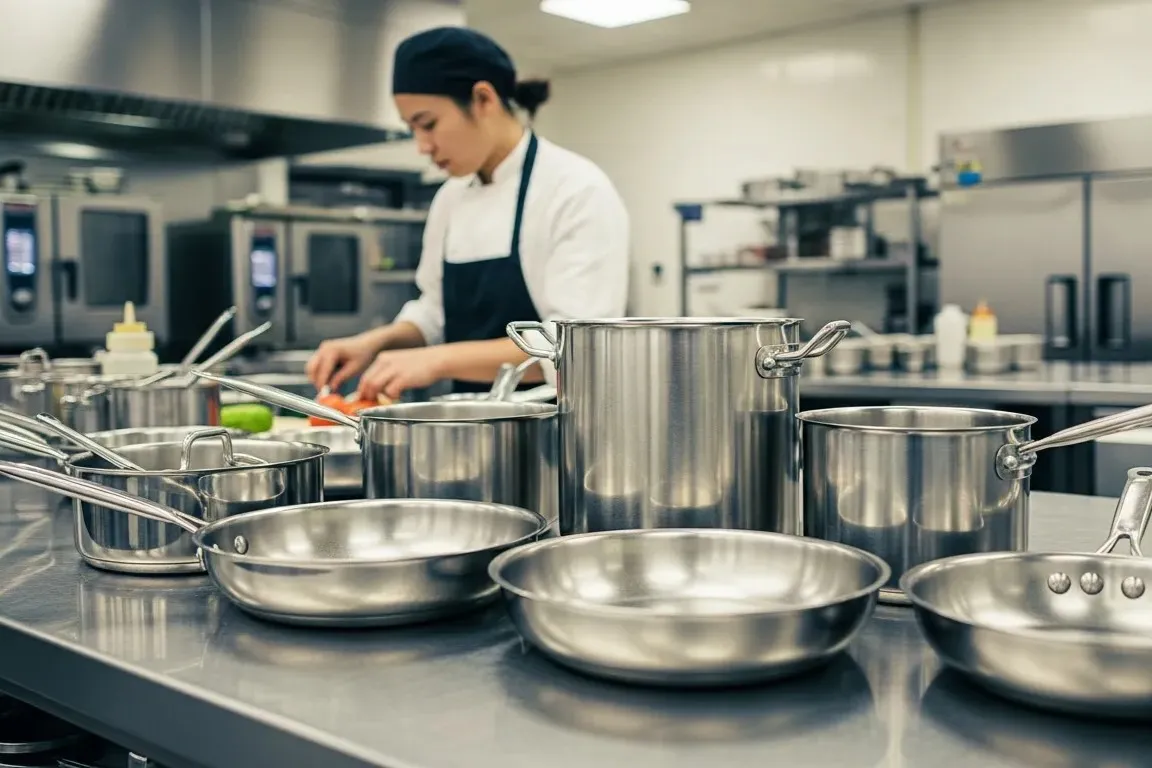
業務用厨房では、家庭の料理人と同じようにレストラン用の調理器具を購入することはできません。というのも、 プロのステンレス鋼調理器具メーカー, チャンス レストランでは、絶え間ない熱や繰り返しの洗浄、過酷な使用環境、そして迅速な提供に対応できる調理器具が必要であることを理解しています。.
不適切なレストラン用調理器具を選んだ結果、稼働停止時間の増加、生産性の低下、そして本来なら回避できたはずの交換費用の発生につながります。このガイドは、レストランのオーナーや購買担当者が適切な調理器具を選ぶための手助けとなります。 レストラン用調理器具 キッチンの種類、調理システム、および運営規模別に。.
レストラン用調理器具の選び方:ステンレス vs アルミニウム vs その他
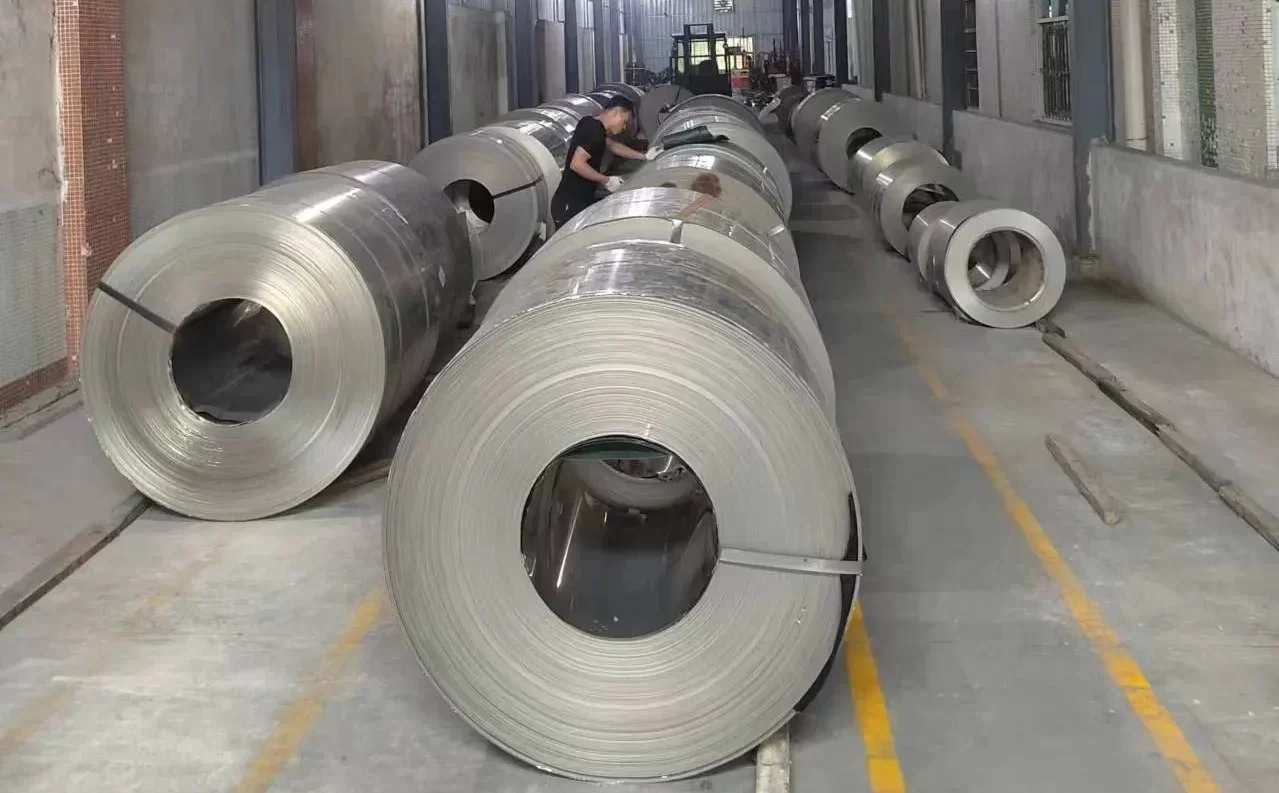
素材選びは、熱特性、耐久性、メンテナンス性に影響を与えるため、最初に決定すべき事項です。.
ステンレス鋼は、ほとんどの場合、第一の選択肢となっています レストラン用調理器具 耐食性に優れ、頻繁な洗浄にも耐え、高温環境下でも優れた性能を発揮するからです。長期にわたる信頼性が求められる業務用厨房にとって、最もバランスの取れた選択肢と言えます。.
アルミニウムは熱伝導が速く、軽量であるため、素早い反応と扱いやすさが求められるキッチンで重宝されます。その反面、表面の耐久性が低く、製造品質が不十分な場合は変形するリスクが高くなります。.
銅製やハイブリッド構造の製品は、より精密な温度調節が可能ですが、通常は価格帯が高めであり、高級キッチンや特殊なキッチンでよく見られます。.
多くの購入者にとって、重要なのは「どの素材が最も優れているか」という単独の問いではありません。重要なのは、「どの素材が、その厨房のメニュー、調理量、予算の条件に合っているか」ということです。“
| 素材 | 主な強み | 主な制限事項 | 最適なサイズ |
|---|---|---|---|
| ステンレス | 耐久性があり、耐食性がある | 熱に対する反応が遅い | ほとんどの業務用厨房 |
| アルミニウム | 軽量で、素早く温まる | へこみや歪みが生じやすい | 慌ただしい厨房 |
| 銅/ハイブリッド | 高温制御 | コストの上昇 | プレミアム用途または特殊用途 |
レストラン用鍋・フライパンのサイズと容量の選び方
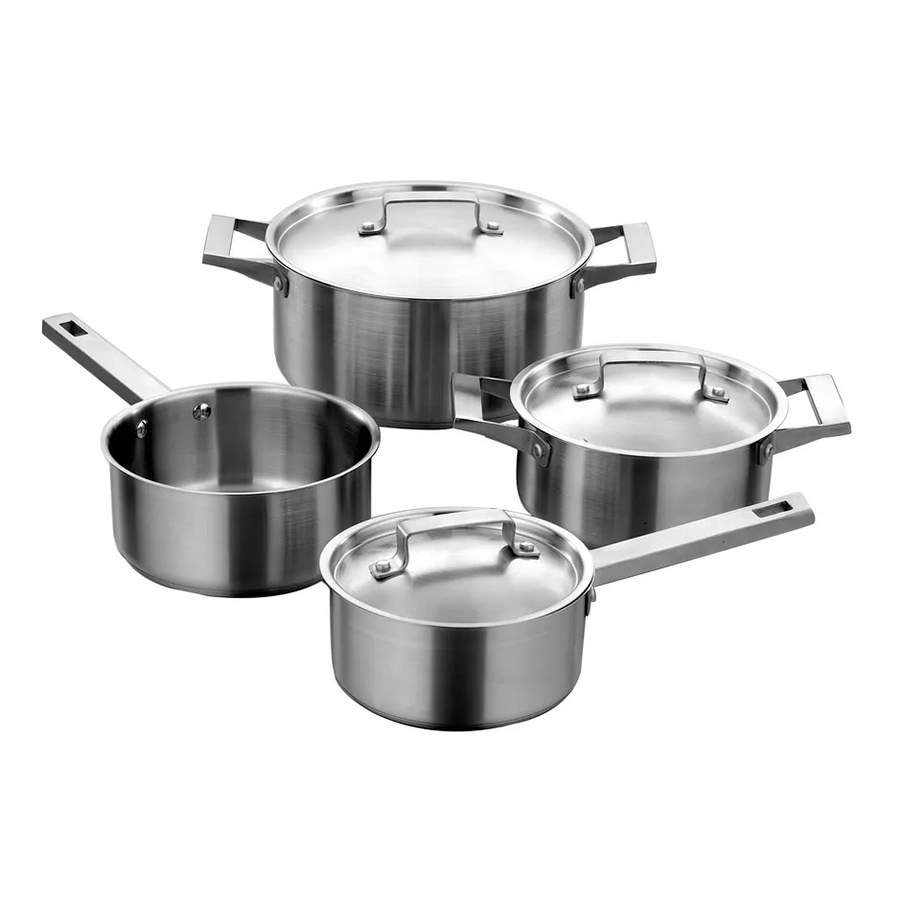
2つ目の判断基準はサイズです。業務用厨房については、Chances社は、まず調理器具の実際の生産能力がレストランの客数に見合っているかを確認してから決定すべきであり、厨房のスペースを節約できるかどうかだけを基準にすべきではないと提案しています。.
業務用厨房には以下が必要です レストラン用調理器具 実際の生産量に見合ったもの。小さなカフェでは、ホテルの宴会用厨房と同じ大きさのストックポットは必要ありません。大きすぎる調理器具はスペースとエネルギーを無駄にします。小さすぎる調理器具は調理の回数を増やし、サービスのスピードを低下させます。.
小規模な厨房では、さまざまなメニューに対応できる柔軟で多目的用途の調理器具が重宝されることが多い。中規模の厨房では、通常、小型、中型、大型の調理器具をバランスよく組み合わせる必要がある。大規模な厨房やチェーン店では、各店舗で統一して使用できる標準化された容量の調理器具が必要となる。.
適切な容量は、シフト体制にも左右されます。厨房で1日に複数のサービスを行う場合、調理器具は、スタッフがあまりにも多くの別々の器具を使わなくても済むように、迅速な回転に対応できるものでなければなりません。.
業務用厨房における調理器具の耐久性とコストの比較
安価な調理器具でも、変形したり、傷がついたり、早期に故障したりすれば、かえって高くつきます。ビジネスにおいては、総所有コストを最小限に抑えることが最優先事項です。.
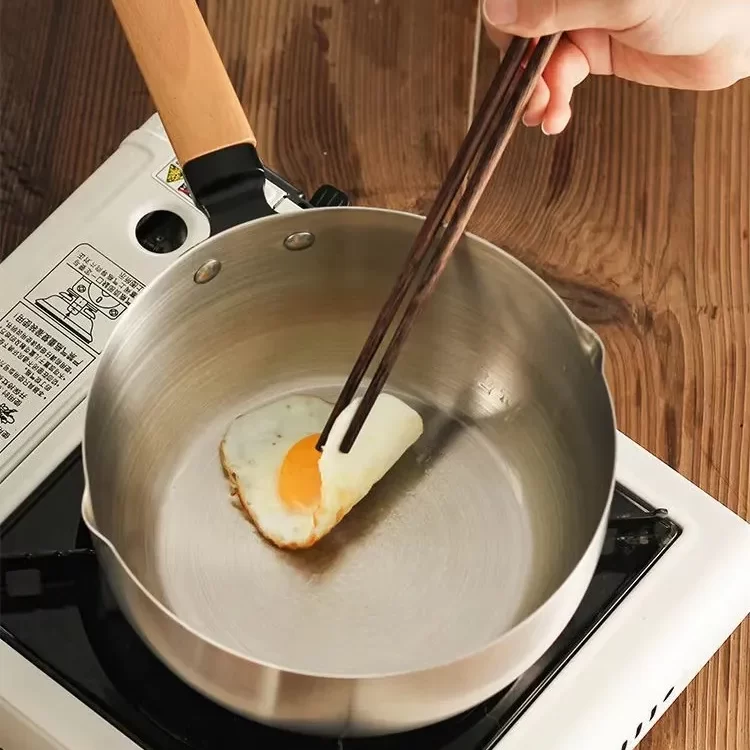
業務用外食産業においては、, レストラン用調理器具 購入価格だけでなく、総所有コストに基づいて判断すべきです。安価であっても繰り返し買い替えなければならない商品は、かえって負担となります。.
頻繁な温度変化や乱暴な取り扱い、酸性の食材が扱われるキッチンでは、耐久性が最も重要です。反り、傷、熱衝撃に対する耐性が不可欠です。構造が厚く安定しているほど、通常、調理器具の寿命は長くなります。とはいえ、スタッフが素早い操作や頻繁な持ち上げ作業を行う必要がある場合、重い製品が必ずしも最適な選択とは限りません。.
購入の際、最も賢明な判断は、初期費用と耐用年数のバランスを考慮することです。多少スペックの高い製品を選ぶことで交換の頻度が減るなら、年間を通じてコスト削減につながる可能性があります。.
レストラン「Pots and Pans」の調理器具と熱源との互換性
レストランで使用される調理器具の中には、特定の熱源でのみ使用できるものがあります。IH、ガス、電気の各システムでは、それぞれ異なる要件があります。調理器具が厨房の設備に対応していない場合、その性能は即座に低下してしまいます。.
レストラン用調理器具の熱源対応表(推奨)
| 熱源 | おすすめの鍋・フライパン | 適切な材料 | 避ける | 主な考慮事項 |
|---|---|---|---|---|
| 導入 | 大鍋、ソースパン、フライパン、調理器具セット(平底) | ステンレス鋼(磁性)、多層構造(ステンレス鋼+アルミニウム芯)、カプセル化されたベース | 純アルミニウム製(磁気ベースなし)、底面が反っている | 磁性を備えていること。全面接触が可能な平らな底面。安定した熱伝導性。 |
| ガス | 大鍋、フライパン、中華鍋、小鍋 | ステンレス鋼、アルミニウム、炭素鋼 | 薄くて品質の低い調理器具は、変形しやすい | 直火使用に対応。耐久性を高めるには、底が厚いものをお選びください。 |
| 電気 | 底が平らなストックポット、ソースパン、フライパン、調理器具セット | ステンレス製、底の厚い調理器具、ノンスティック加工(特定の用途向け) | 底が丸い調理器具(中華鍋など)、底面が平らでないもの | 直火使用時の耐久性:耐久性を高めるには、底が厚いものを選びましょう |
調達チームは、発注を行う前にすべての熱源を確認すべきです。そうしないと、見た目は問題ないように見えても、実際に使ってみると性能が劣る調理器具が厨房に届く可能性があります。.
業務用厨房の調理器具の洗浄とメンテナンス
清掃は運営コストの一部です。適切なレストラン用調理器具を使用することで、人件費と稼働停止時間を削減できます。.
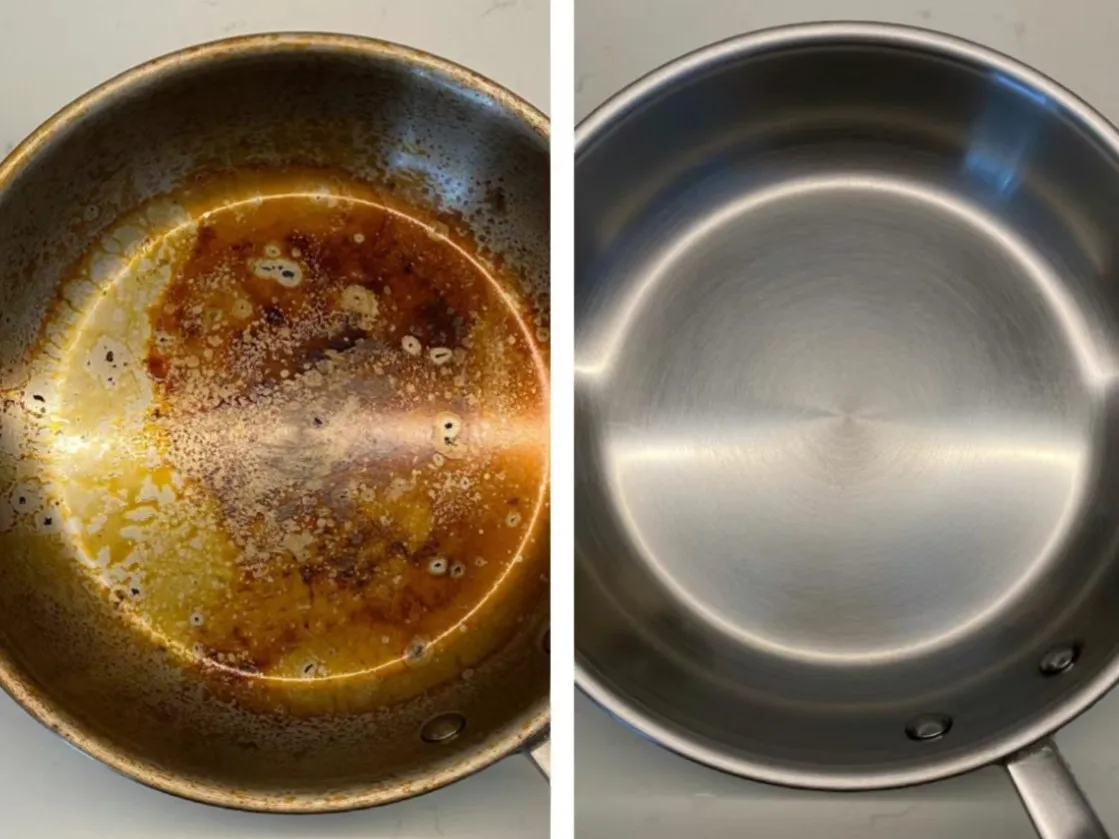
グッド レストラン用調理器具 洗浄が容易で、耐食性があり、メンテナンスが簡単なものであるべきです。食器洗浄機での洗浄が可能かどうかは、従業員の安全やレストランの収益に影響を与える可能性があるため、重要なポイントです。.
このカテゴリーにおいて、ステンレス鋼は繰り返し洗浄に耐え、酸性の食材と反応しにくいという利点があるため、高い評価を得ています。ノンスティック調理器具は、用途によっては洗浄時間を短縮できますが、頻繁に使用するとコーティングの摩耗が懸念されるため、すべての業務用厨房にとって理想的な選択肢とは限りません。多くの事業者にとって、ステンレス鋼は依然として長期的に見てより安全な選択肢となっています。.
メンテナンスは、交換サイクルにも影響を与えます。毎日の洗浄に耐える調理器具は、キッチンスタッフ全員の負担を軽減します。.
厨房のタイプや規模に合わせて、レストラン用の鍋やフライパンを選びましょう
キッチンによって必要なものは異なります レストラン用調理器具 戦略。.
狭いキッチンでは、柔軟に使い回せる多目的の調理器具に重点を置くべきです。具体的には、小型のストックポット、実用的なフライパン、コンパクトなソースパンセットなどが挙げられます。中規模のキッチンでは、買いすぎることなく日々の調理を支える、バランスの取れた組み合わせが必要です。広々としたキッチンやチェーンレストランでは、標準化された調理器具セット、大容量のストックポット、ザル付きパスタ鍋、モジュール式の蒸し器システムを優先すべきです。.
標準化が重要なのは、部品交換や研修、在庫管理を簡素化できるからです。チェーンレストランにとって、店舗間の不統一は許されません。.
| キッチンのタイプ | 最優先 | おすすめの調理器具 |
|---|---|---|
| 小さなキッチン | 柔軟性 | 小型の鍋、フライパン |
| 中規模のキッチン | バランス | 中型鍋、ソースパン、セット |
| 大規模/チェーン店の厨房 | 標準化 | 大鍋、パスタ鍋、蒸し器 |
レストラン向け調理器具のサプライヤー選びにおける考慮事項
ベスト レストラン用調理器具 重要なのは製品そのものだけではありません。その背後にあるサプライヤーも重要な要素です。工場から直接購入することは、事業運営を大いに支えることにつながります。.
購入者は、OEMおよびプライベートブランドへの対応、安定した生産能力、品質管理、そして確実な納期を確認すべきです。ワンストップソリューションを提供できる工場は、調達プロセスの複雑さを軽減できるため、取引がしやすくなります。.
レストランのバイヤーにとって、これはサプライチェーンにおける断絶が減り、補充や増設の注文をより適切に管理できるようになることを意味します。.
結論
選択 レストラン用調理器具 業務用厨房設備の選定は、作業の流れ、耐久性、規模に関する判断です。適切な素材、容量、互換性、そしてサプライヤーのサポートがあれば、コストを削減し、サービスのパフォーマンスを向上させることができます。レストランのオーナーや購買担当者は、現在運営している厨房の状況だけでなく、将来見込まれる成長も見据えて購入すべきです。最高の調理器具とは、運営のペースに遅れをとることなく、繰り返し問題を引き起こすこともないものです。.
チャンスについて
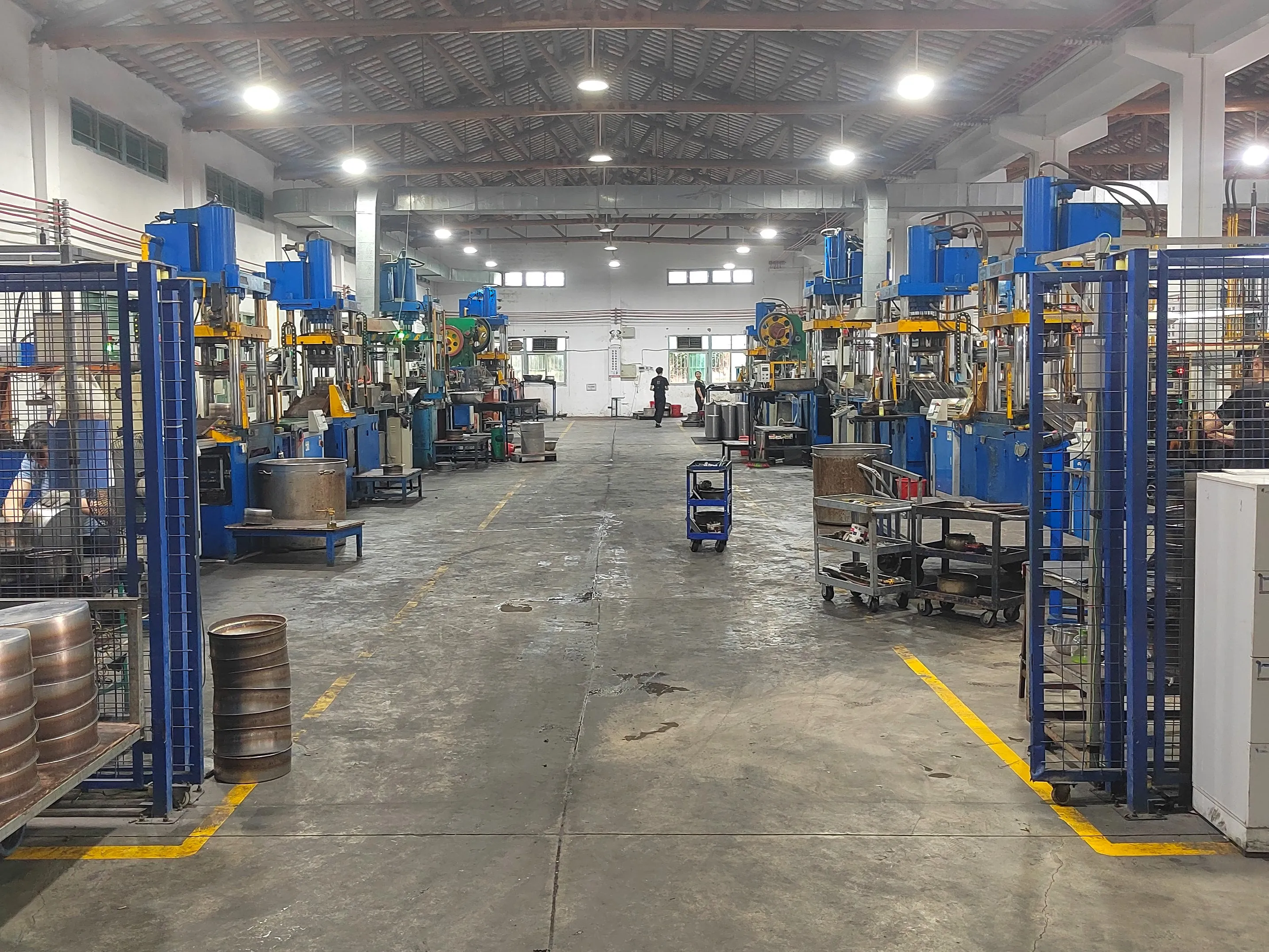
チャンス は プロのレストラン用調理器具メーカー は、信頼性の高い高性能のソリューションでB2Bのお客様にサービスを提供することに専念しています。私たちの 卸売レストラン調理器具 は、厳格な品質管理システムの下で生産され、関連する国際認証に準拠しており、業務用厨房の耐久性と安全性を保証します。.
強力な製造能力を持つ、, チャンス サポート OEMステンレス調理器具とプライベートブランド調理器具のカスタマイズ, 厨房のさまざまなニーズに合わせた素材、構造、仕様など。迅速なサービスと技術的な専門知識に支えられた同社は、流通業者、レストラングループ、ブランドを支援し、調理器具の選択を最適化し、運用コストを削減し、安定した性能を維持します。.