Private Label Stainless Steel Kitchenware: From Design to Mass Production

ステンレス鋼調理器具は安全ですか-調理器具卸売

Launching a successful private label stainless steel kitchenware line requires more than a logo. It demands an engineered process that controls material, tooling, finish, and supply so the finished product meets market expectations and protects your margins.

In this guide, together with Chances, a professional kitchenware manufacturer, walks procurement and brand teams through the six core stages—from concept to mass production—so you avoid common failures (warped bottoms, inconsistent finishes, late shipments) and deliver a repeatable product experience.

Start with a Specification, Not a Catalog

Before you contact factories, define three essentials of your stainless steel kitchenware:

  • End customer & channel: supermarket, DTC, premium retail, or professional kitchens.
  • Target price band and margin: sets material and tooling trade-offs.
  • Key performance requirements: induction compatibility, non-stick, dishwasher durability, or commercial-grade toughness.

A clear spec sheet makes tooling, material selection, and QA measurable. It turns subjective talk into contract clauses.

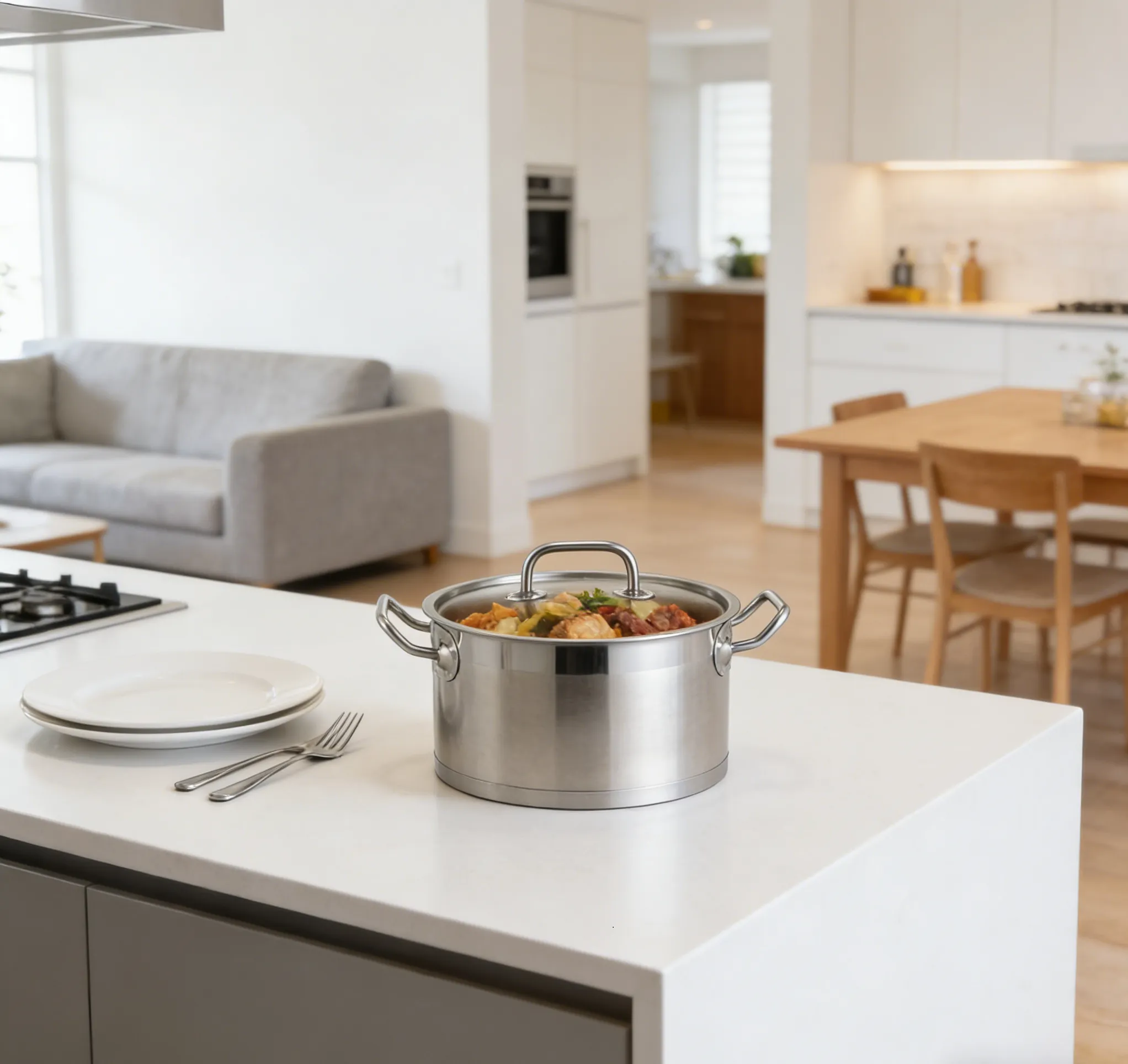
カスタム製 ストックポット ステンレス製 直壁スープポット メーカー (1)_1

Material and Structure Decisions

Food-safety, durability, and perceived value are primarily dependent on the stainless steel kitchenware structure:

  • 304 (18/8) — standard for most cookware: corrosion-resistant and widely accepted.
  • 316 — recommended for coastal or marine applications due to superior chloride resistance.
  • 430 — cost-effective magnetic option used for induction bases (often as an outer layer in tri-ply discs).

Structure choices (single-ply vs tri-ply, disc thickness) directly affect heat distribution and flatness. Specify grade and core architecture in the contract and require mill CoAs and coil traceability before production.

Design → Prototype → Golden Sample

Treat the approved sample as the project’s reference:

  • Design phase: finalize dimensions, ergonomics, lid fit, and visual finish.
  • Prototype phase: iterate on physical samples and validate cooking performance and handling.
  • Golden sample: one archived, signed-off physical unit that locks dimensions, materials, and finish; all future production must match it within agreed tolerances (e.g., ±0.1mm wall thickness).

Insist the factory archives the golden sample and references it during First Article Inspection (FAI).

要件コミュニケーション-特注ステンレス調理器具

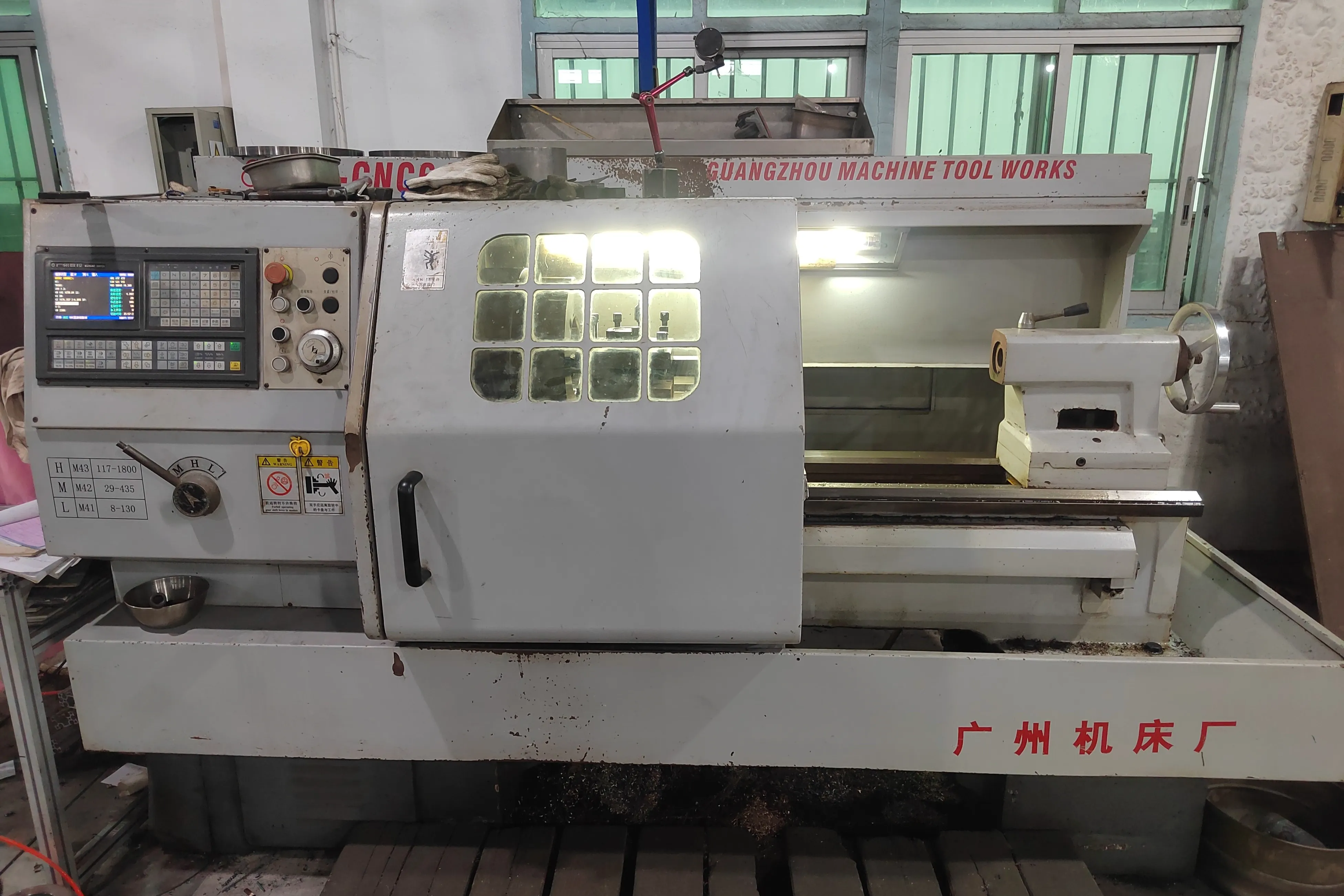
Tooling and Pilot Runs

Tooling quality dictates batch consistency. Try pilot runs to reduce the variability of your private-label stainless steel kitchenware. Expect and manage:

  • Tooling lead time and costs: molds, dies, press tooling, and embossing.
  • Pilot runs (300–1,000 pcs): validate process capability and identify hidden issues.
  • Tooling amortization options: negotiate fee recovery across future orders or reduced tooling fees at volume triggers.

Include a pilot → approval → mass-production flow in the purchase order. No pilot, no reliable mass batch.

カスタム調理器具-金型製造
Private Label Stainless Steel Kitchenware Mold Production

Surface Finish, Branding, and Packaging

Surface finish drives shelf and online conversion. Choose with intent:

  • 鏡面仕上げ for premium photography and gift positioning.
  • Brushed/satin to minimize fingerprints and suit lifestyle listings.
  • PVD color for differentiated, higher-margin SKUs.

Branding methods—laser engraving, silk-screen, die-stamp—must survive dishwasher cycles; require durability tests. For e-commerce, design packaging for unboxing and protection: inner trays, retail sleeves, multilingual inserts, and clear care instructions.

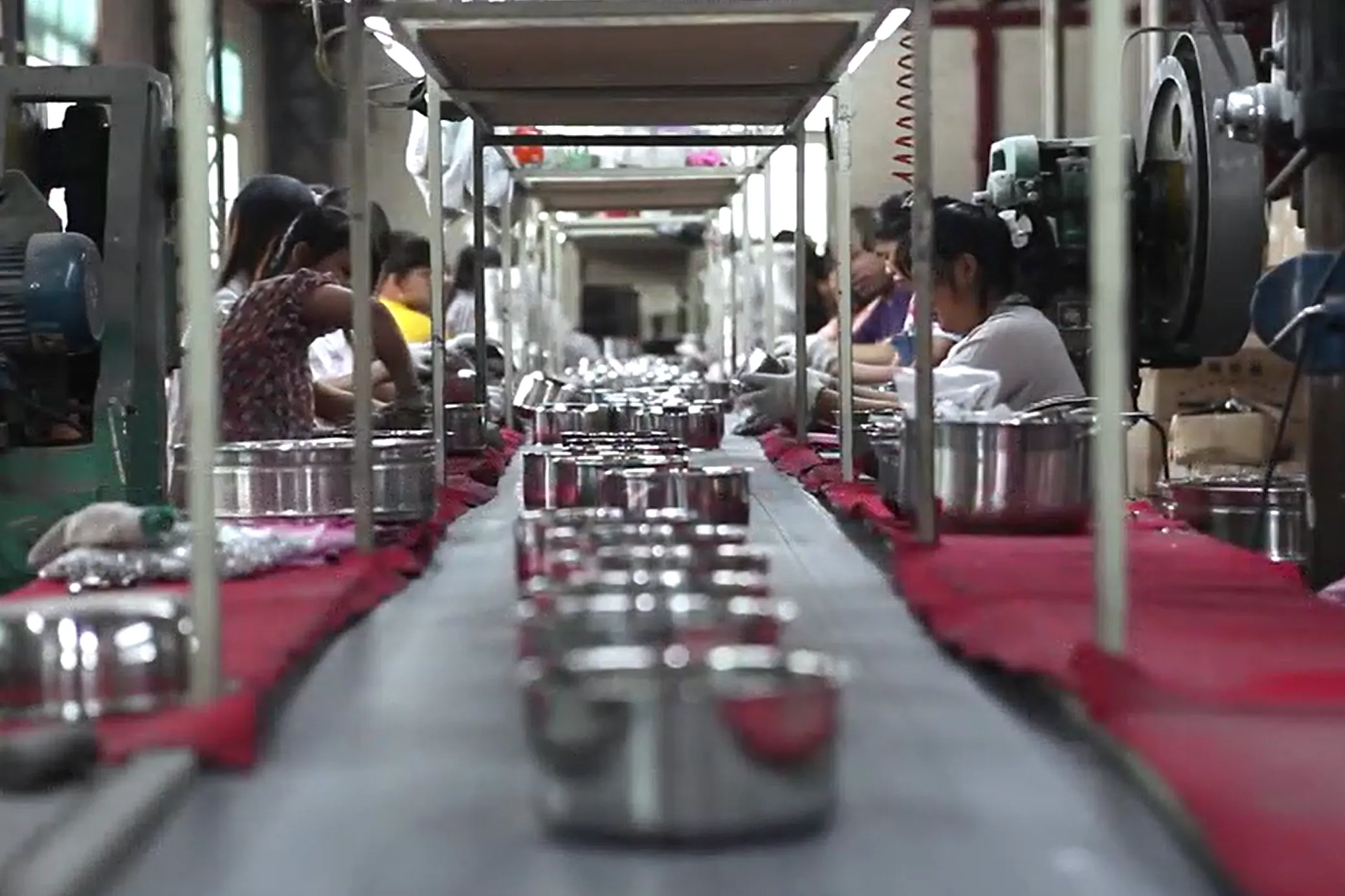
Private Label Stainless Steel Kitchenware Mass Production and Quality Assurance

Make QC contractual and measurable:

  • Incoming material checks: spectrometer CoAs for Cr/Ni/Mn and coil IDs.
  • In-process controls: wall thickness, welds, handle torque, and finish uniformity.
  • Functional tests: induction heating profile, lid seal, drop, and torque tests.
  • Pre-shipment: full inspection reports, photographed samples, and packing verification.

Define pass/fail criteria and rejection remedies in the contract. Require batch reports and reserve rejection rights for non-conforming lots.

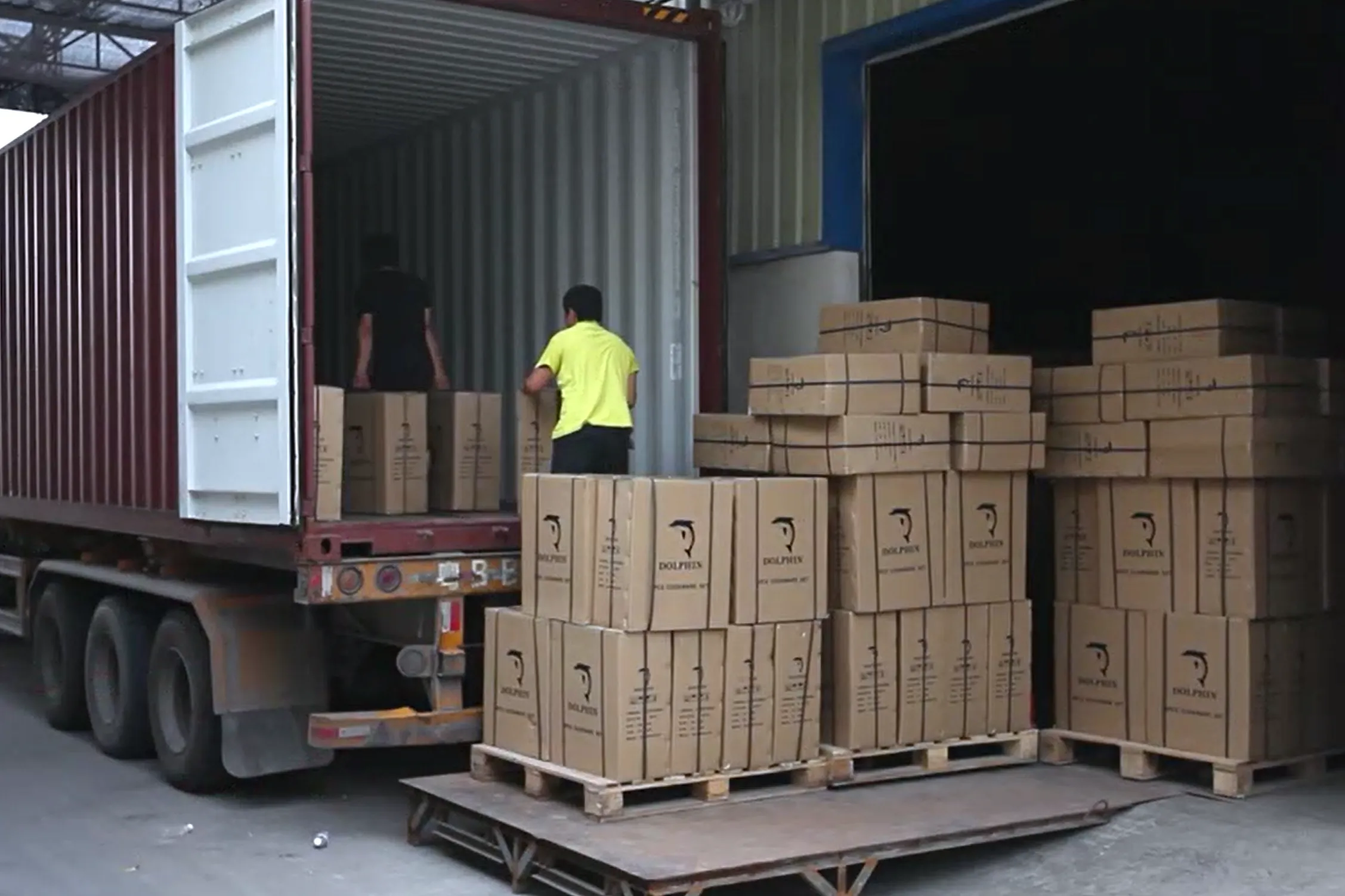
Logistics, MOQ, and Lifecycle Planning

Commercial terms must align with reality:

  • MOQ: typical private-label cookware starts at 500–3,000 pcs, depending on complexity.
  • Lead times: standard SKUs 30–45 days; new-tooling OEMs 45–60 days.
  • Freight planning: factor in ocean transit (15–35 days) and clearance into launch schedules.

Plan reorders before tooling lies idle. A committed forecast and reorder cadence unlock better pricing and production priority.

ステンレス調理器具

After-Sales, Spares, and Warranty Mechanics

Private-label stainless steel kitchenware success is lifecycle management:

  • Keep spare-part kits (handles, lids, gaskets) on a reorder schedule.
  • Agree on SLAs(Service Level Agreement) for replacement parts and warranty response times.
  • Maintain a repair/parts playbook to reduce returns and customer service costs.

A supplier offering spare-part logistics and predictable replenishment reduces downtime and protects brand reputation.

Practical Procurement Tips to Protect Margin

  • Mix SKUs in containers to optimize freight and hit MOQs without overstocking a single SKU.
  • Tier pricing: negotiate lower unit prices as you commit to forecast bands.
  • Pilot pricing: accept a higher pilot unit cost that converts to mass price rebates once volumes scale.
  • Contractualize sample-to-batch fidelity with golden-sample clauses and BOM locks.

Treat the supplier as a partner—shared forecasts and committed reorder plans create predictable capacity and better unit economics.

結論

Building a successful private label stainless steel kitchenware line is engineering + supply discipline. Brands that win are precise about specs, insist on validated materials and tooling, lock golden samples, and enforce measurable QC gates. That combination eliminates the typical failures—warped bottoms, fading logos, late shipments—that erode margins and trust. If you’re preparing a private-label program, require mill CoAs, pilot runs, and a written pilot→production acceptance workflow before any tooling payment. That discipline converts a supplier into a scalable manufacturing partner—and turns a private-label SKU into a sustainable brand asset.

チャンスについて

調理器具のための最もよい材料-調理器具工場 (13)

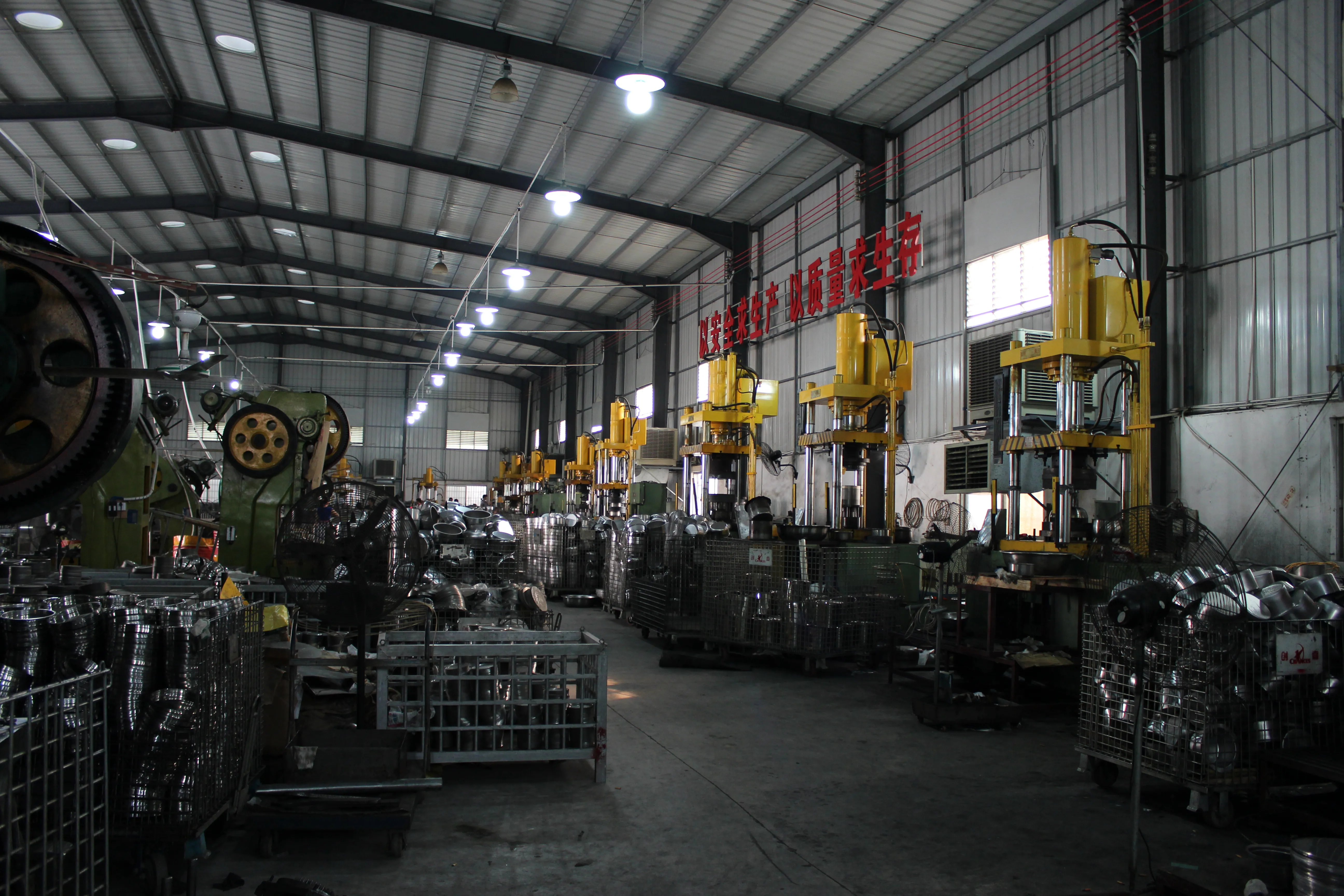
チャンスは ステンレス台所用品メーカー serving global brands, importers, and private label programs with reliable mass-production capability. Built around controlled material sourcing and standardized production workflows, Chances helps buyers maintain stable batch quality in structure, finish, and performance.

From custom private label stainless steel kitchenware sets to customized designs, the factory supports specification-based development, prototyping, tooling, and scalable manufacturing. With clear QC checkpoints and consistent supply capacity, Chances enables B2B customers to launch repeatable product lines while reducing risks such as warped bottoms, uneven polishing, and shipment delays.

お問い合わせ

無料見積もり依頼

私たちの卸売調理器具製品についての詳細情報をご希望の場合は、お問い合わせください!

+86-13827336819
ご遠慮なくお電話ください。
jackylin21190@163.com
ご遠慮なくお問い合わせください。
工場所在地
中国広東省潮州市蔡塘鎮虹旗村雨亭後麓
お問い合わせ

無料見積もり依頼

私たちの卸売調理器具製品についての詳細情報をご希望の場合は、お問い合わせください!

+86-13827336819
ご遠慮なくお電話ください。
jackylin21190@163.com
ご遠慮なくお問い合わせください。
工場所在地
中国広東省潮州市蔡塘鎮虹旗村雨亭後麓