EN
EN  FR
FR  DE
DE  RU
RU  AR
AR  ES
ES  PT
PT  JA
JA  KO
KO 
If your business sources stainless steel cookware wholesale supply, treating procurement as a transaction guarantees surprises. In 2026, the market is volatile: raw-material swings, tighter margins, and higher buyer expectations mean you must build a repeatable, audit-grade sourcing system.
Today, Chances, a stainless steel cookware manufacturer, is bringing a straight, manufacturer-grade playbook that turns purchasing into risk engineering—not price shopping.
Start with Product Strategy, Not Supplier Lists
Why this matters: If you don’t know what “good” looks like for your channel, every factory will default to the lowest-cost option.
Action items:
- Define channel and SKU tier: retail / distributor / hospitality; entry / mid / premium.
- Create a technical spec sheet for each SKU before contacting factories. Include: steel grade, body thickness, base type, handle fixing, lid type, finish, nominal weight, and target price band.
- Make specs contractual. No specs = no fair comparison.
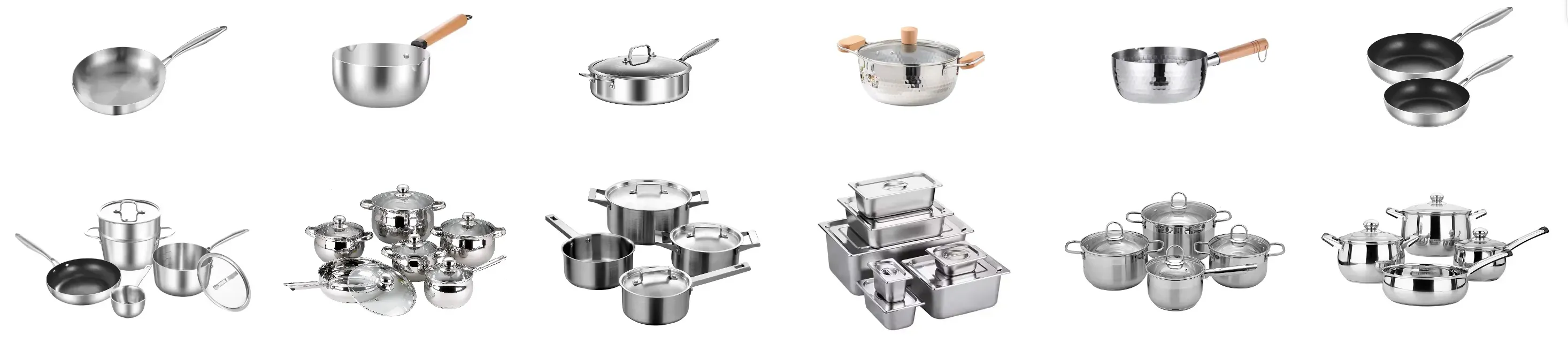
How to Select the Right Stainless Steel Cookware Wholesale Manufacturer
A true manufacturer tends to show you their running factories when you ask. Confirm these capabilities before engaging commercially:
Must-have evidence:
- Stamping / deep-drawing presses and tooling ownership.
- In-house polishing and welding lines.
- Clad/impact bonding capability for tri-ply bases.
- Dedicated finishing & assembly zones (not just a shared workshop).
- Mill CoAs and incoming material traceability.
- Pilot run and FAI (First Article Inspection) history.
Red flags:
- Factory “outsourcing” core processes without transparent controls.
- Inability to explain base construction or show real process photos/videos.
Cost Structure Analysis Of Buy Stainless Steel Cookware Wholesale
Low quotes hide structural compromises. Evaluate the real cost drivers:
Primary drivers:
- Total steel thickness (inner + outer).
- Aluminum core thickness and bonding quality.
- Polishing labor hours and automation level.
- Handle assembly complexity (rivets vs welded handles).
- Packaging level (retail gift box increases cost substantially).
What to watch for:
- Thin body + heavy polish = appearance, not performance.
- “304” claims without mill CoA.
- Cheap bonded bases with minimal aluminum core.
Make a cost comparison table that maps spec → expected cost, then flag bids that deviate by >15%.

Sample Evaluation
Test your stainless steel cookware wholesale for structure and functions, not just looks.
Mandatory sample tests:
- Weight & dimensions vs spec (center tolerance ±0.5%).
- Base flatness on a precision surface (record mm deviation).
- Heat distribution test (infrared or calorimetric profiling).
- Warp test: high-heat cycle followed by flatness check.
- Rivet & handle pull test (torque/shear).
- Induction test for compatibility and coupling speed.
- Material verification: XRF or spectrometer on the sample.
Require the sample BOM and component serial. If the sample passes, archive it as the golden sample.
Factory Audit & Pilot Run — Validate Systems, Not Promises
On-site audit essentials:
- Incoming material inspection area and coil tagging.
- In-process QC checklists are posted at workstations.
- Welding / riveting process control.
- Polishing line quality gates.
- Finished goods inspection zone with FAI capacity.
Pilot run:
- Minimum recommended: 300–500 pcs (scale with risk).
- Produce against the golden sample and run FAI with documented measurements.
- Validate packaging with a drop/compression test.
Do not progress to mass production without a signed FAI.
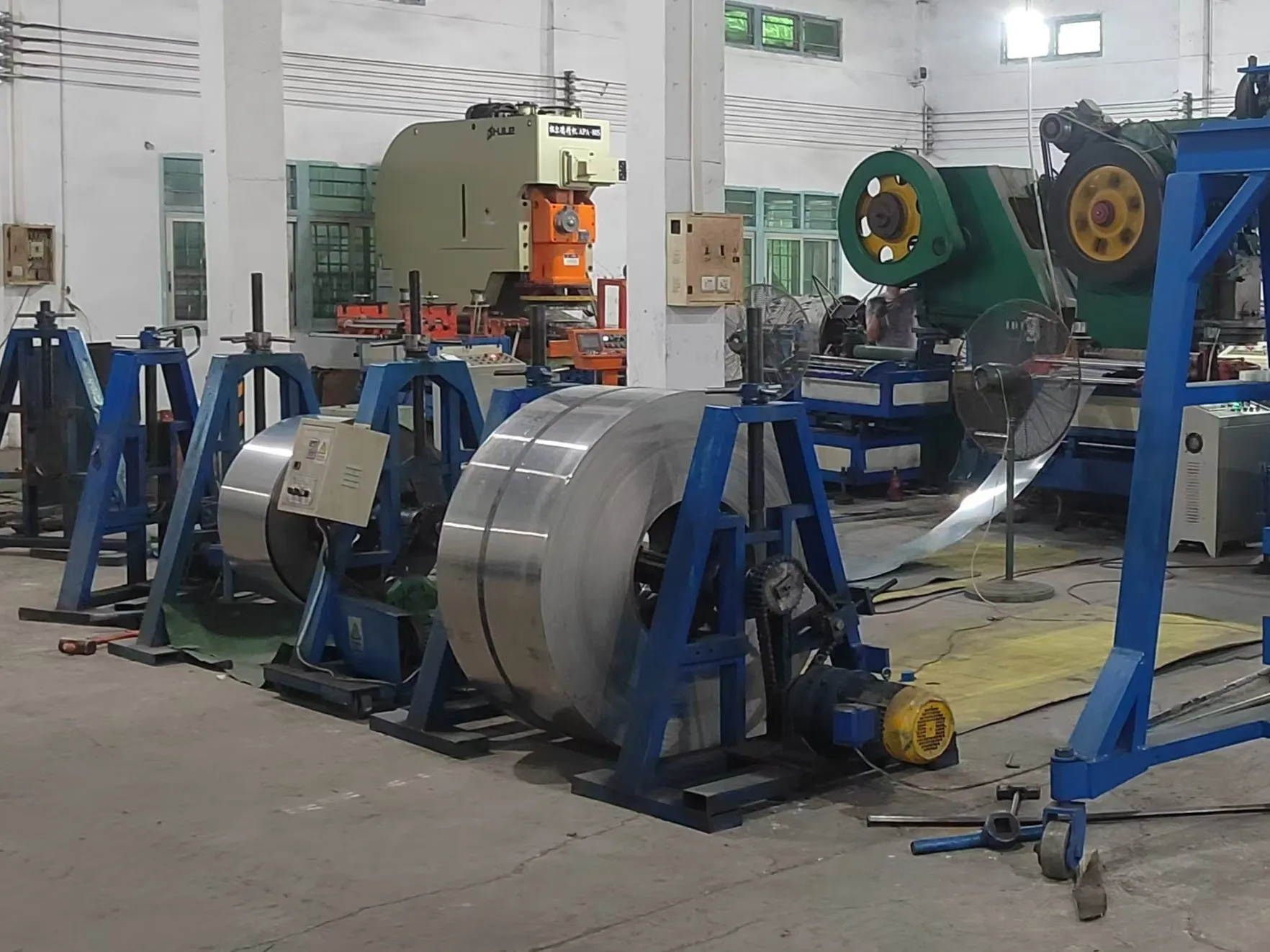
Contract & Production Control
Key contract elements:
- Full spec annex (steel grade, thickness tolerances, base construction).
- Golden sample clause: the factory must archive the sample and test future batches against it.
- Pilot acceptance criteria and mass production release gates.
- Tooling ownership and amortization terms (who owns dies after the order).
- Spare parts supply clause and lead times.
- Price escalation tied to raw-material index (transparent formula), not ad-hoc increases.
Production monitoring:
- Schedule mid-run inspections (20–30% progress).
- Require batch thickness records and bonding tests.
- Enforce immediate hold/rework on deviation triggers.
Pre-Shipment Inspection & Outbound Controls
Final inspection scope:
- AQL for appearance and critical functional tests.
- Random carton opening and packing verification.
- Barcode/label & instruction manual compliance.
- Full sample photographic record of cartons and pallets.
Shipping prep:
- Anti-rust protection (VCI paper) for long voyages.
- Container packing optimization and restraint specs.
- Mark is handling notes for fragile SKUs.
Include rejection remedies and rework windows in the contract.
Logistics, Inventory, and Continuous Supply
Design your replenishment system to absorb volatility:
- Plan safety stock: at least one reorder cycle + lead-time buffer.
- Use FCL for core SKUs to reduce per-unit freight and handling damage.
- Optimize SKU mixes in containers to hit economical MOQs without overstock.
- Maintain a spare-parts kit per SKU in your local warehouse.
Negotiate annual or quarterly volume commitments to stabilize price and capacity.
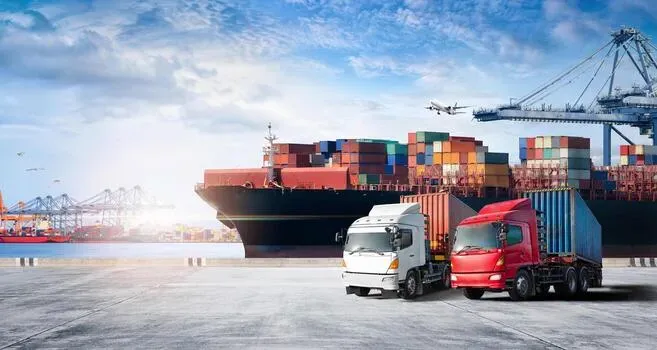
Build a Resilient Supplier Network
One supplier is fragile; two is a strategy:
- Primary + secondary factory approach for each critical SKU.
- Diversify materials and tooling vendors to avoid single-coil risk.
- Maintain a live performance dashboard: defect rate, OTIF, cost variance, and communication score.
Use supplier scorecards to trigger escalation and alternative sourcing.
Operationalize The System
Before you sign a purchase order of stainless steel cookware wholesale, verify:
- Specs annexed and signed.
- Golden sample archived and FAI template defined.
- Pilot run scheduled and accepted.
- Mid-run inspection provider booked.
- Spare parts & packaging tests confirmed.
- Logistics and buffer stock plan established.
Measure supplier performance monthly and adjust capacity commitments based on scorecard trends.
Conclusion
Sourcing stainless steel cookware wholesale in 2026 requires transforming procurement into an engineering discipline. The market rewards repeatability and punishes improvisation. If your current sourcing is still “find cheapest quote → order,” rebuild it: define specs, verify capability, validate with pilots, lock reproduction, and operationalize continuity. The cheapest supplier is rarely the most profitable one—control wins.
About Chances
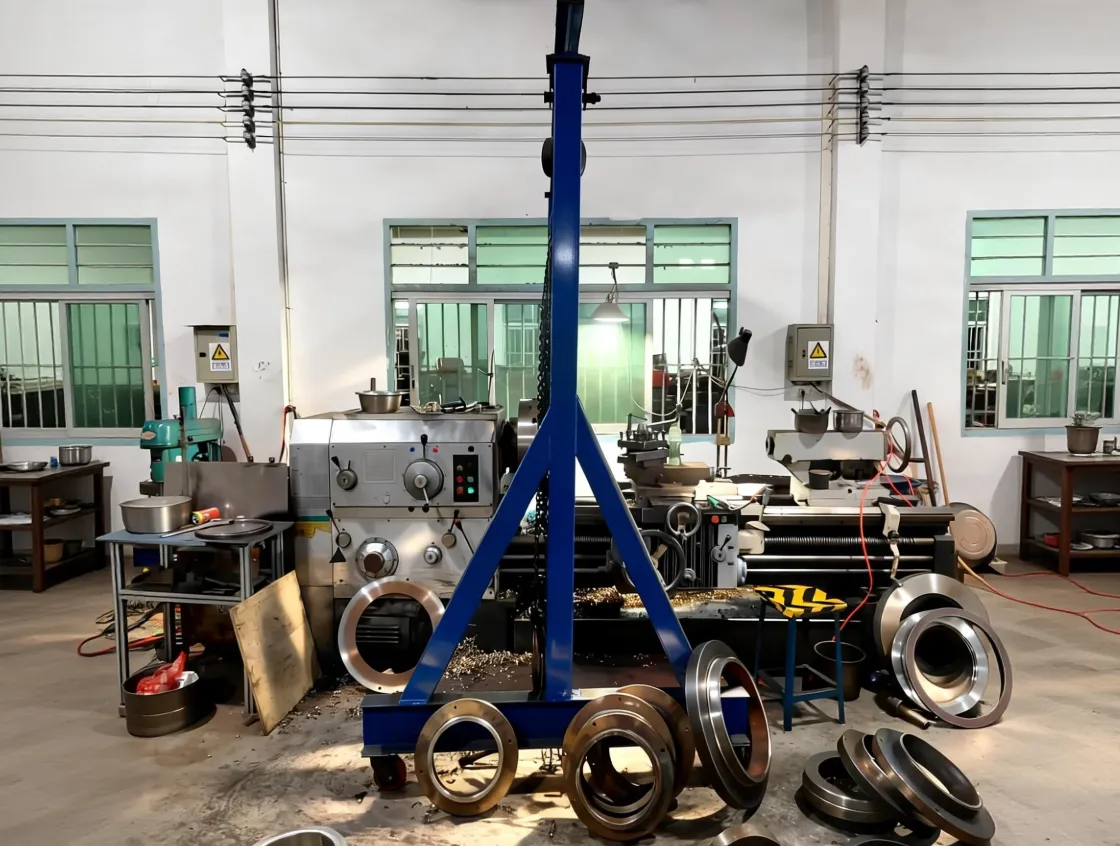
Chances is a stainless steel cookware manufacturer offering stainless steel cookware wholesale with vertically controlled production, covering deep drawing, impact-bonded, and tri-ply base construction, polishing, welding, and final assembly in-house. Core processes are managed under documented QC checkpoints to ensure stable thickness control, consistent bonding strength, and repeatable batch performance.
Serving distributors, retailers, and hospitality brands, Chances develops OEM/ODM stainless steel cookware wholesale programs, including structure specification, handle configuration, surface finish, packaging design, and private labeling. With archived golden samples, we deliver scalable, specification-driven supply for B2B procurement systems.