EN
EN  FR
FR  DE
DE  RU
RU  AR
AR  ES
ES  PT
PT  JA
JA  KO
KO 
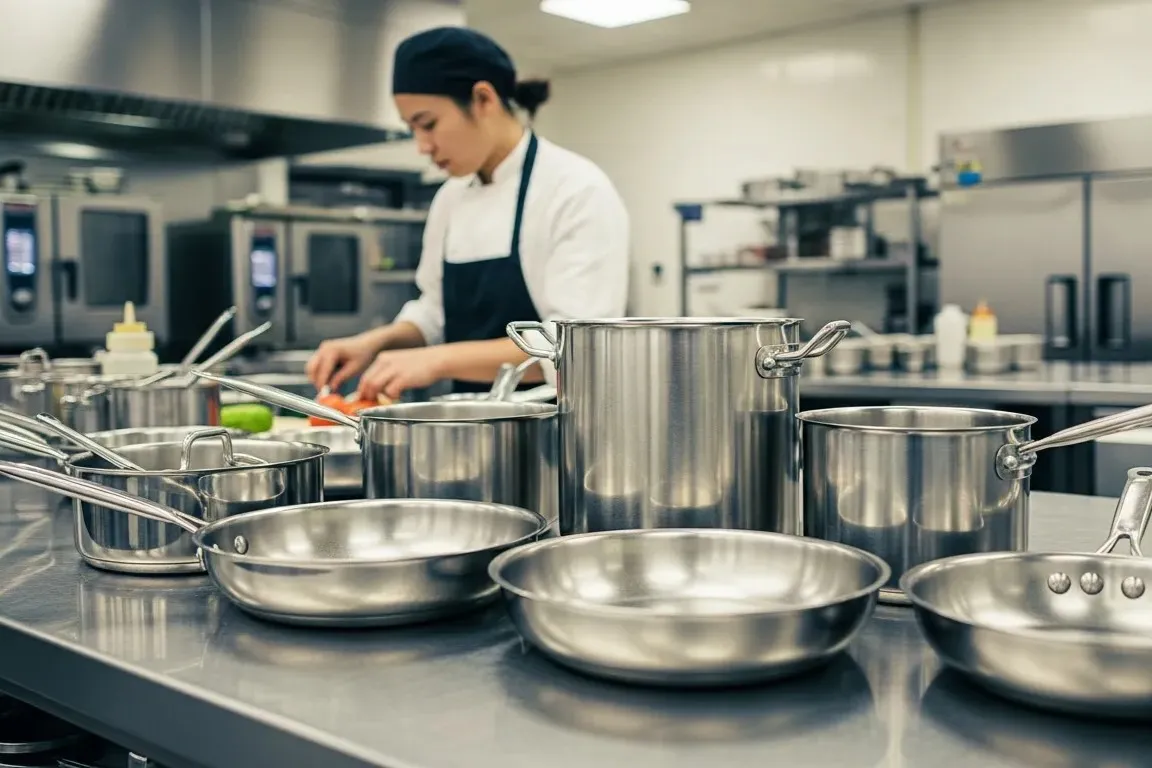
Commercial kitchens cannot buy restaurant cookware the same way home cooks do. As a professional stainless steel cookware manufacturer, Chances knows that restaurants require cookware that can survive constant heat, repeated cleaning, heavy loads, and fast service windows.
Increasing downtime, slowing output, and creating avoidable replacement costs are the results of choosing the unfit restaurant cookware. This guide helps restaurant owners and purchasing managers choose restaurant cookware by kitchen type, cooking system, and operational scale.
Restaurant Material Cookware Selection: Stainless Steel vs Aluminum vs Others
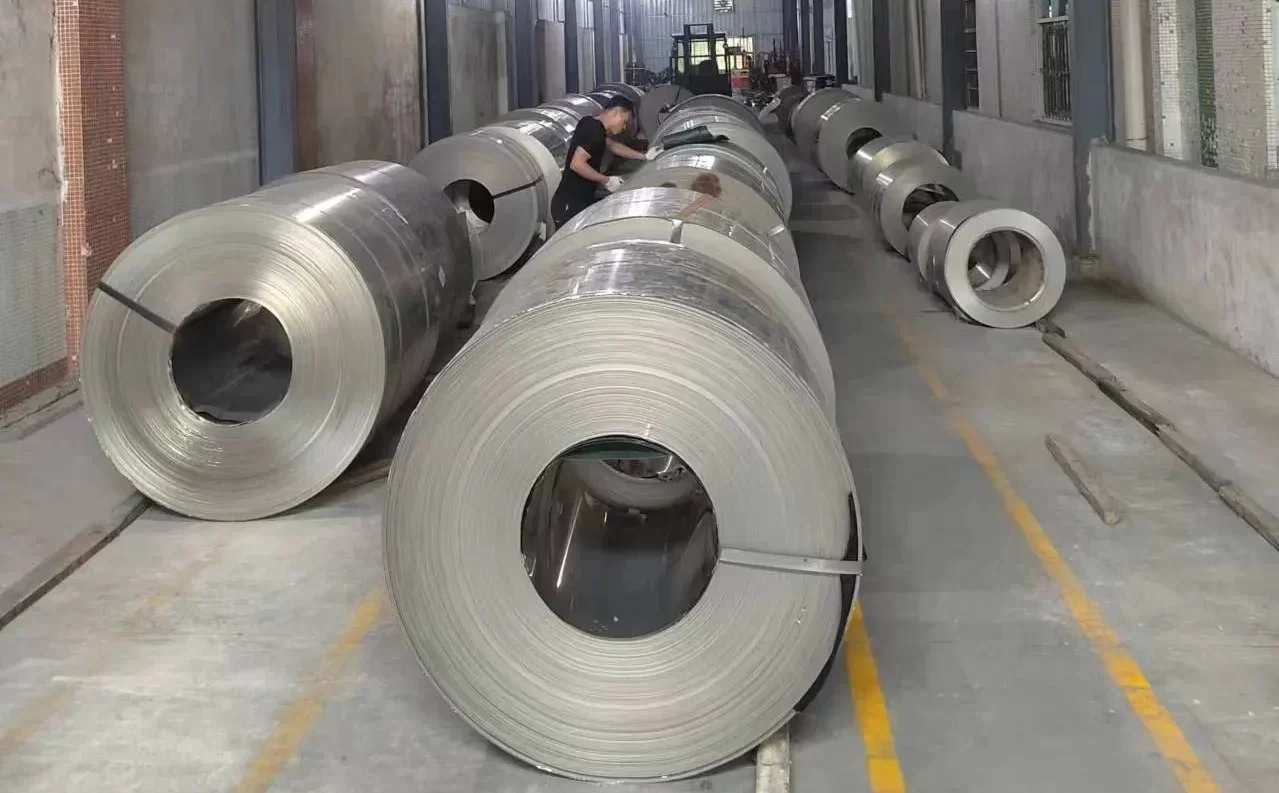
Material is the first decision because it affects heat behavior, durability, and maintenance.
Stainless steel is the default choice for most restaurant cookware because it resists corrosion, handles frequent washing, and performs well in high-heat environments. It is the most balanced option for commercial kitchens that need reliability over time.
Aluminum heats faster and is lighter, which makes it useful for kitchens that need quick response and easy handling. The tradeoff is lower surface durability and a greater risk of deformation if the build quality is poor.
Copper or hybrid constructions offer more precise heat control, but they usually sit in a higher price tier and are more common in premium or specialty kitchens.
For most buyers, the right question is not “which material is best” in isolation. It is “which material matches the menu, volume, and budget profile of the kitchen.”
| Material | Main Strength | Main Limitation | Best Fit |
|---|---|---|---|
| Stainless steel | Durable, corrosion-resistant | Slower heat response | Most commercial kitchens |
| Aluminum | Lightweight, quick heating | Easier to dent or warp | Fast-paced kitchens |
| Copper / hybrid | High heat control | Higher cost | Premium or specialty use |
Restaurant Pots and Pans Size and Capacity Selection
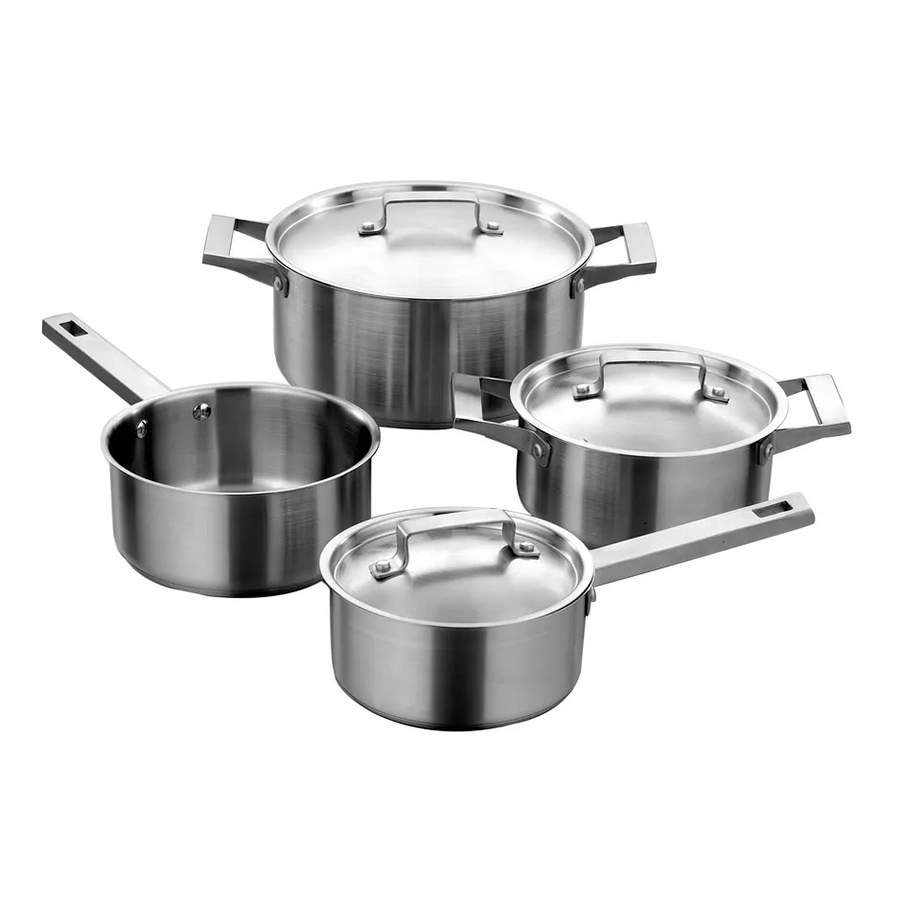
The second decision is size. For a commercial kitchen, Chances suggested that you decide first to check if the real output of the cookware fits your restaurant traffic, and do not base it on the kitchen space it might save.
Commercial kitchens need restaurant cookware that fits actual production volume. A small café does not need the same stock pot size as a hotel banquet kitchen. Oversized cookware wastes space and energy. Undersized cookware creates extra batch cycles and slows service.
Small kitchens often benefit from flexible, multipurpose pieces that can handle several menu items. Mid-size operations usually need a balanced mix of small, medium, and large pieces. Large kitchens and chain operations need standardized capacities that can be repeated across locations.
The right capacity also depends on the shift structure. If the kitchen works multiple services per day, cookware must support rapid turnover without forcing staff to use too many separate pieces.
Cookware Durability Vs Cookware Cost in Commercial Kitchen
Cheap cookware is expensive if it warps, scratches, or fails early. In the commercial world, the minimum total cost of ownership is the first priority.
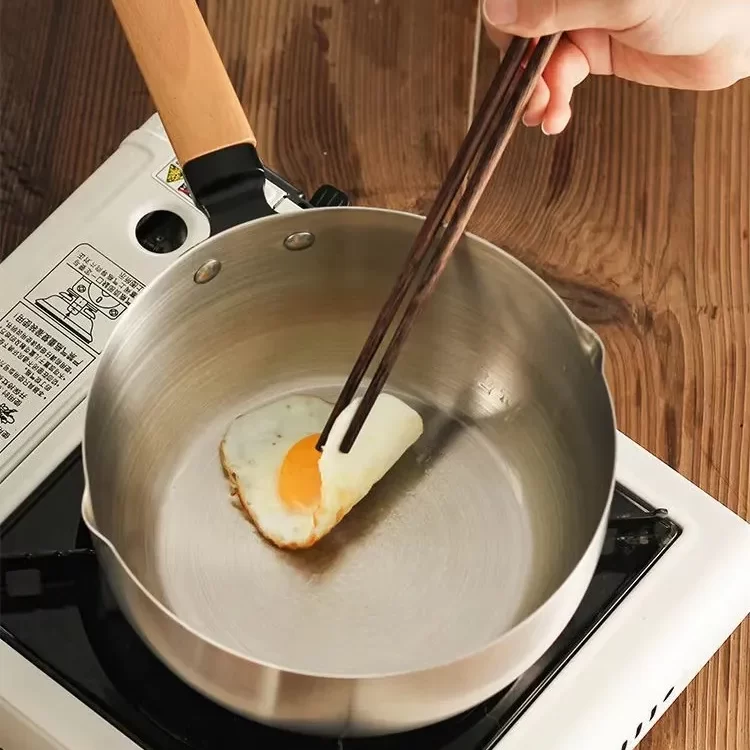
In commercial foodservice, restaurant cookware should be judged by the total cost of ownership, not only purchase price. A lower-cost item that must be replaced repeatedly becomes a liability.
Durability matters most in kitchens with frequent heat cycling, rough handling, or acidic ingredients. Resistance to warping, scratching, and thermal shock is critical. The thicker and more stable the construction, the longer the cookware usually lasts. That said, a heavier product is not always the right choice if the staff needs quick handling and frequent lifting.
The smartest buying decision is to balance upfront cost with service life. If a slightly higher-spec product reduces replacement frequency, it may save money over the year.
Restaurant Pots and Pans’ Compatibility With Heat Source
Certain restaurant cookware works on a specific heat source only. Induction, gas, and electric systems all have different requirements. If the cookware is not compatible with the kitchen’s equipment, performance drops immediately.
Recommendation Table of Restaurant Cookware Heat Source Compatibility
| Heat Source | Recommended Pots & Pans | Suitable Materials | Avoid | Key Considerations |
|---|---|---|---|---|
| Induction | Stock pots, saucepans, frying pans, cookware sets (flat-bottom) | Stainless steel (magnetic), multi-layer (SS + aluminum core), encapsulated base | Pure aluminum (no magnetic base), warped bottoms | Must be magnetic; flat base for full contact; stable heat distribution |
| Gas | Stock pots, frying pans, woks, saucepans | Stainless steel, aluminum, carbon steel | Thin, low-quality cookware prone to warping | Open flame flexibility; choose thicker base for durability |
| Electric | Flat-bottom stock pots, saucepans, frying pans, cookware sets | Stainless steel, heavy-base cookware, non-stick (specific use) | Round-bottom cookware (e.g., wok), uneven bases | Open flame flexibility: choose a thicker base for durability |
The procurement team should confirm every heat source before placing an order. Otherwise, the kitchen may receive cookware that looks correct but performs poorly in practice.
Commercial Kitchen Cookware Cleaning and Maintenance
Cleaning is part of the operating cost. The right restaurant cookware helps you reduce labor and downtime.
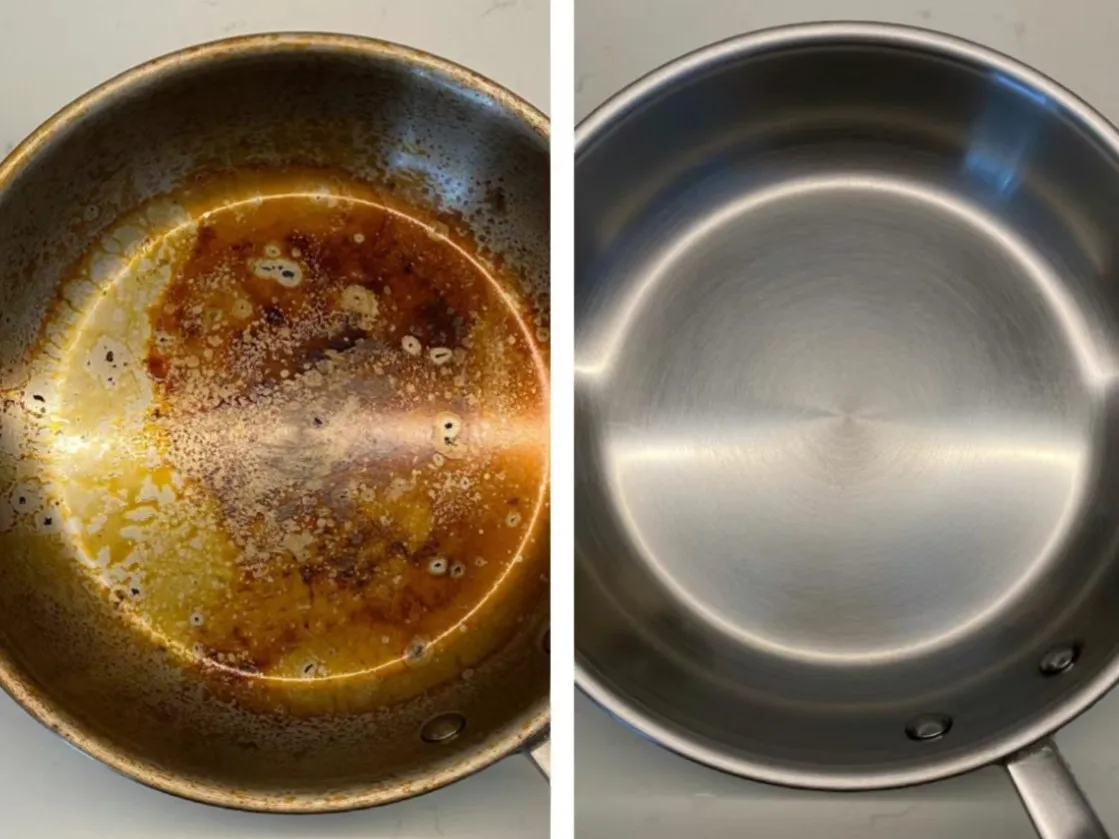
Good restaurant cookware should be easy to clean, resistant to corrosion, and simple to maintain. Dishwashing compatibility matters because it might affect employee safety and restaurant profits.
Stainless steel is strong in this category because it handles repeated washing and is less likely to react with acidic foods. Non-stick cookware can reduce cleaning time in some applications, but it may not be ideal for every commercial kitchen because coating wear becomes a concern under heavy use. For many operators, stainless steel remains the safer long-term option.
Maintenance also affects replacement cycles. Cookware that holds up under daily cleaning reduces friction for the entire kitchen team.
Choose Restaurant Pots and Pans By Kitchen Type and Volume
Different kitchens need different restaurant cookware strategies.
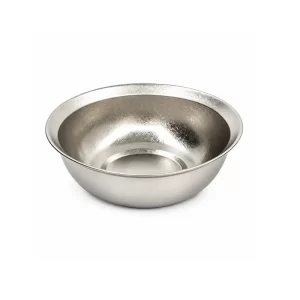
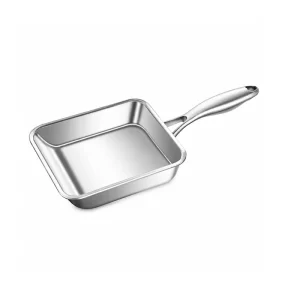
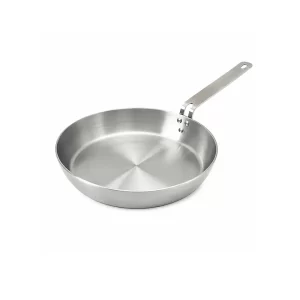
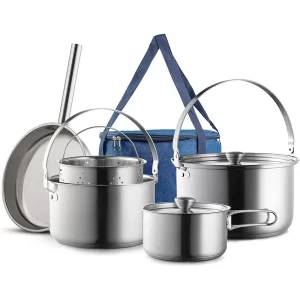
Small kitchens should focus on flexible, multipurpose pieces: smaller stock pots, practical frying pans, and compact saucepan sets. Mid-size kitchens need a balanced mix that supports daily output without overbuying. Large kitchens and chain restaurants should prioritize standardized cookware sets, high-capacity stock pots, pasta pots with strainers, and modular steamer systems.
Standardization matters because it simplifies replacement, training, and inventory control. A chain restaurant cannot afford inconsistency between locations.
| Kitchen Type | Best Priority | Recommended Cookware |
|---|---|---|
| Small kitchen | Flexibility | Small stock pots, frying pans |
| Mid-size kitchen | Balance | Mid-size pots, saucepans, sets |
| Large / chain kitchen | Standardization | Stock pots, pasta pots, steamers |
Restaurant Cookware Supplier Considerations
The best restaurant cookware is not only about the product itself. It is also about the supplier behind it. Buying from a factory can support your operation largely.
Buyers should look for OEM and private-label support, stable production capacity, quality control, and reliable lead times. A factory that can provide one-stop solutions is easier to work with because it reduces sourcing complexity.
For restaurant buyers, this means fewer gaps in the supply chain and better control over replacement and expansion orders.
Conclusion
Choosing restaurant cookware for commercial kitchens is a decision about workflow, durability, and scale. The right material, capacity, compatibility, and supplier support can reduce cost and improve service performance. Restaurant owners and purchasing managers should buy for the kitchen they run today, but also for the growth they expect tomorrow. The best cookware is the one that keeps pace with the operation without becoming a recurring problem.
About Chances
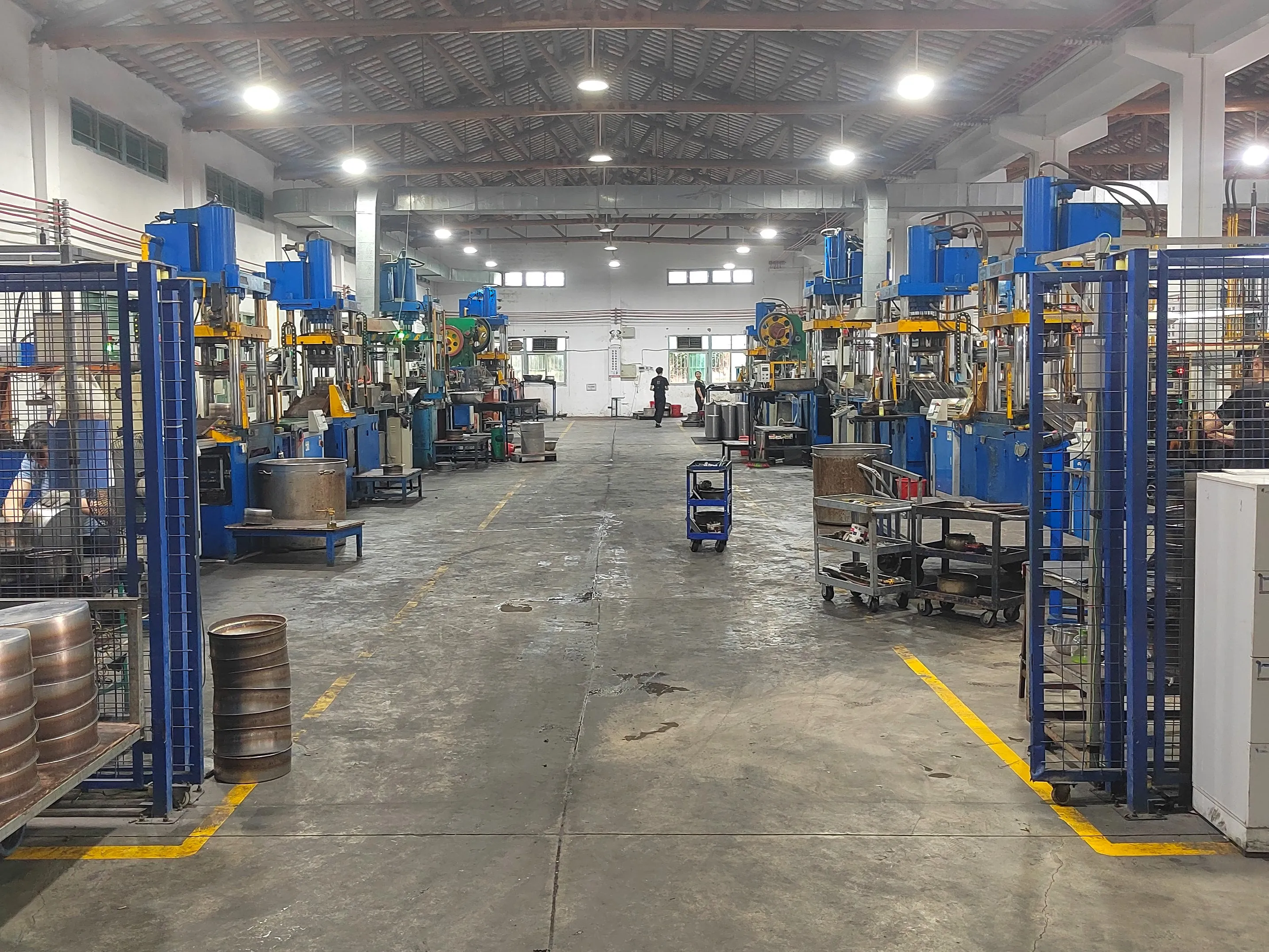
Chances is a professional restaurant cookware manufacturer dedicated to serving B2B clients with reliable, high-performance solutions. Our wholesale restaurant cookware is produced under strict quality control systems and complies with relevant international certifications, ensuring durability and safety for commercial kitchens.
With strong manufacturing capabilities, Chances supports OEM stainless steel cookware and private-label cookware customization, including materials, structures, and specifications tailored to different kitchen needs. Backed by responsive service and technical expertise, the company helps distributors, restaurant groups, and brands optimize cookware selection, reduce operating costs, and maintain consistent performance.