EN
EN  FR
FR  DE
DE  RU
RU  AR
AR  ES
ES  PT
PT  JA
JA  KO
KO 
In 2026, cookware sourcing is no longer driven purely by price or performance. Regulatory pressure, environmental concerns, and consumer awareness have pushed “PFAS-free” and “PTFE-free” cookware closer to the center of procurement decisions.
However, most buyers misunderstand these terms. Many treat them as interchangeable or assume they automatically indicate safer or higher-quality products.
The truth is that they do not.
For wholesalers, distributors, and brand owners, the real issue is understanding what these terms actually mean, how they affect product performance, and how to verify supplier claims.
In this article, together with Chances, a wholesale cookware manufacturer, breaks down the technical differences, performance trade-offs, and sourcing strategies buyers need to make the correct procurement decisions in 2026.
Quick Glance at the Terminology: PFAS and PTFE
What Is PFAS?
PFAS (Per- and Polyfluoroalkyl Substances) refers to a large group of fluorinated chemicals used for their resistance to heat, oil, and water. In cookware, PFAS are primarily associated with non-stick coatings.
These substances are often called “forever chemicals” because they do not easily break down in the environment. This persistence has triggered increasing regulatory scrutiny, especially in the EU and North America.
What Is PTFE?
PTFE (Polytetrafluoroethylene) is a specific type of fluoropolymer within the PFAS family. It is widely used in traditional non-stick cookware due to its excellent food-release properties.
In practical terms:
- All PTFE coatings are PFAS-based
- But not all PFAS are PTFE
This distinction is critical for procurement decisions.
Key Difference: PFAS-Free vs PTFE-Free
- PFAS-free cookware: No intentionally added fluorinated chemicals
- PTFE-free cookware: Does not use PTFE, but may still use other fluorinated substances
This means PTFE-free does not necessarily eliminate all PFAS-related concerns. Buyers who rely only on “PTFE-free” labeling may still be sourcing fluoropolymer-based products.
Where PFAS and PTFE Appear in Cookware
PFAS-based materials are most commonly found in:
- Traditional non-stick frying pans
- Fluoropolymer-coated aluminum cookware
- Some “easy-clean” or stain-resistant coatings
In contrast, cookware categories typically free from PFAS include:
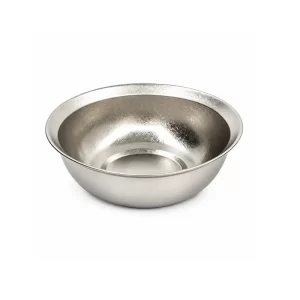
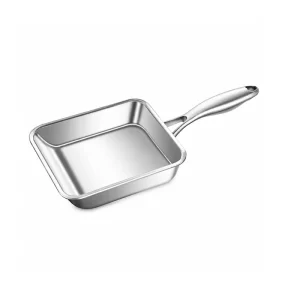
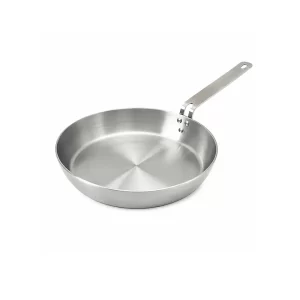
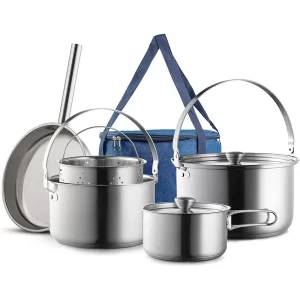
- Stainless steel cookware
- Cast iron and carbon steel
- Glass cookware
- Fully clad metal cookware without coatings
For buyers working with a non-stick cookware manufacturer, it is essential to clarify the exact coating chemistry rather than relying on generic “non-stick” claims.
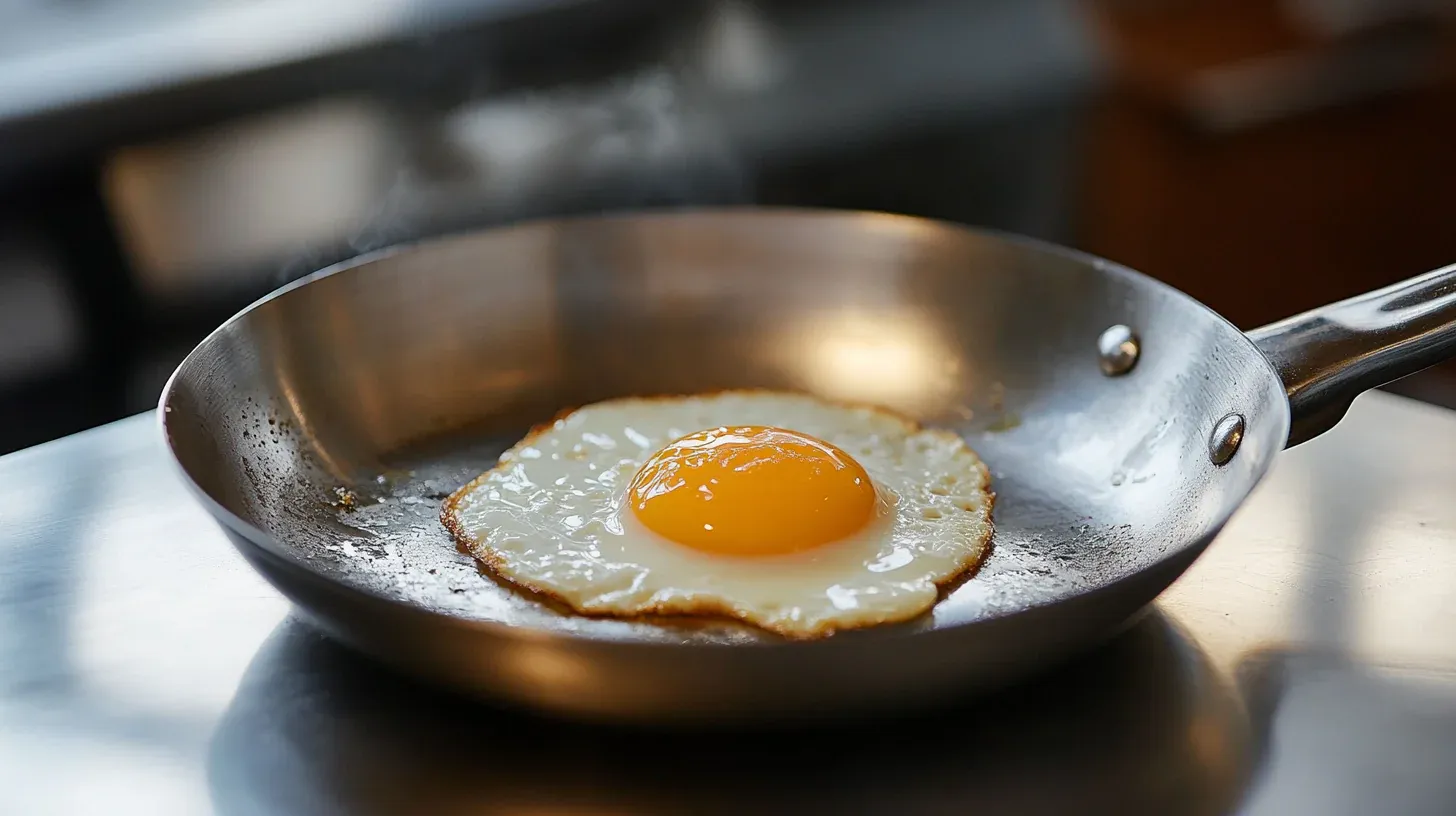
Performance Comparison: PFAS-Free vs PTFE-Free Cookware
Non-Stick Performance
PTFE-based coatings remain the benchmark for non-stick performance. They provide extremely low surface friction, allowing food to release easily with minimal oil.
PFAS-free cookware, by definition, does not use fluorinated chemistry. This includes stainless steel, cast iron, and ceramic coatings.
- Stainless steel: no non-stick properties, requires technique
- Ceramic coatings: moderate non-stick, but less stable over time
Key reality: PFAS-free cookware generally cannot match PTFE-level non-stick performance.
Heat Resistance
PTFE-free does not automatically mean high heat resistance. It depends on what replaces PTFE.
- Some PTFE-free coatings (e.g., ceramic) tolerate higher temperatures than PTFE
- Uncoated PFAS-free materials (stainless steel, cast iron) offer the highest heat tolerance
PFAS-free cookware, especially metal-based, is more suitable for:
- searing
- high-temperature cooking
- commercial kitchen environments
Durability & Lifespan
PTFE-free cookware performance varies significantly by material:
- Ceramic coatings: prone to wear and performance degradation over time
- Hybrid coatings: improved durability but still coating-dependent
- Stainless steel / cast iron (PFAS-free): long lifespan with proper use
PFAS-free cookware without coatings generally offers the highest durability because there is no surface layer to degrade.
Maintenance Requirements
PTFE-free cookware often requires more user involvement:
- Stainless steel: needs proper preheating and oil control
- Cast iron: requires seasoning and maintenance
- Ceramic: needs careful handling to preserve coating life
In contrast, PTFE coatings are easier to use but require careful handling to avoid damage
Comparison Summary Table
| Factor | PTFE-Free Cookware | PFAS-Free Cookware |
|---|---|---|
| Non-stick performance | Moderate (ceramic) to low (metal) | Moderate to low |
| Heat tolerance | Medium to high (depends on material) | High (material-dependent) |
| Durability | Medium (coating-dependent) | High (especially uncoated) |
| Maintenance | Moderate | Moderate to high |
| Coating dependency | Reduced or none | None or reduced |
Procurement insight:
PTFE-free is not a performance category—it is a chemical exclusion category. Buyers must evaluate what replaces PTFE, not just what is removed.
Health and Regulatory Considerations
What Buyers Need to Know
At normal cooking temperatures, PTFE coatings are generally considered stable. However, risks increase under:
- Overheating
- Surface damage
- Long-term wear
PFAS-related concerns are more significant at the environmental and lifecycle level than during standard use.
Regulatory Trends
- The EU is tightening PFAS restrictions across multiple industries
- The US is increasing monitoring and disclosure requirements
- Global brands are shifting toward PFAS-free product lines
This creates long-term sourcing implications for importers and distributors.
Real Risk Scenarios
The most common failure points are not chemical—they are operational:
- Overheated non-stick pans
- Scratched coatings
- Low-quality manufacturing processes
This reinforces a key principle: material choice alone does not guarantee safety.

Common Misconceptions Buyers Still Have
Misconception 1: PFAS-free means completely safe
Reality: It only removes fluorinated chemistry, not all material risks.
Misconception 2: PTFE-free is always better
Reality: It may still include alternative coatings with unknown durability.
Misconception 3: Non-stick is necessary for all products
Reality: Many commercial kitchens prefer stainless steel for durability and cost efficiency.
Procurement Strategy: How B2B Buyers Should Decide
Define Usage Scenarios
- Retail consumer products → prioritize convenience
- Commercial kitchens → prioritize durability and heat resistance
Match Material to Market Positioning
- Entry-level: PTFE non-stick
- Mid-range: ceramic coatings
- Premium: stainless steel or hybrid cookware
Evaluate Total Lifecycle Cost
Short-term savings from low-cost coatings often result in:
- Higher return rates
- Replacement costs
- Brand damage
Avoid Specification Gaps
Work with a custom cookware manufacturer to define:
- Coating composition
- Thickness specifications
- Performance standards
Without this, supplier comparisons are meaningless.
Verification Checklist for Buyers
If a supplier claims PFAS-free cookware, require:
- Material declaration
- Coating composition statement
- Third-party lab testing (GC-MS / LC-MS)
- Production process transparency
When sourcing from a wholesale cookware supplier, documentation should be treated as mandatory, not optional.
Additional verification steps:
- Sample testing under real cooking conditions
- Coating durability tests
- Batch consistency checks
Alternative Materials: What Functionally Replaces PFAS?
Stainless Steel
- No coating
- High durability
- Preferred for commercial kitchens
Ceramic Coating
- PFAS-free
- Eco-positioned
- Shorter lifespan
Cast Iron / Carbon Steel
- Naturally non-stick after seasoning
- Long-lasting
- Requires maintenance
Hybrid (Honeycomb)
- Combines stainless steel with non-stick coating
- Improved scratch resistance
- Premium positioning
Each material represents a different balance of performance, cost, and durability.
FAQ — Buyer-Focused Answers
Q1: Is PFAS-free the same as PTFE-free?
No. PFAS-free removes all fluorinated chemicals, while PTFE-free may still include other PFAS.
Q2: Is PTFE cookware still safe?
Yes, under normal use. Risks arise mainly from overheating or damage.
Q3: What is the safest cookware material?
Cookware made of stainless steel is considered the most stable and durable.
Q4: How can I verify PFAS-free claims?
Request material declarations and third-party lab test reports.
Q5: Which cookware is best for long-term use?
Stainless steel and cast iron offer the longest lifespan in most applications.
Conclusion
There is no universal “best” option between PFAS-free and PTFE-based cookware.
The correct decision depends on:
- target market expectations
- usage scenarios
- durability requirements
- cost structure
For most B2B buyers, the priority should not be labeling—it should be verification, performance, and supply consistency.
If your goal is to reduce chemical exposure risk, PFAS-free cookware is the clear direction. But if your market demands convenience and low-stick performance, PTFE-based products still have a place.
The winning strategy in 2026 is not choosing a label. It is choosing the right product for the right application—supported by verified specifications and a reliable cookware manufacturer.
About Chances
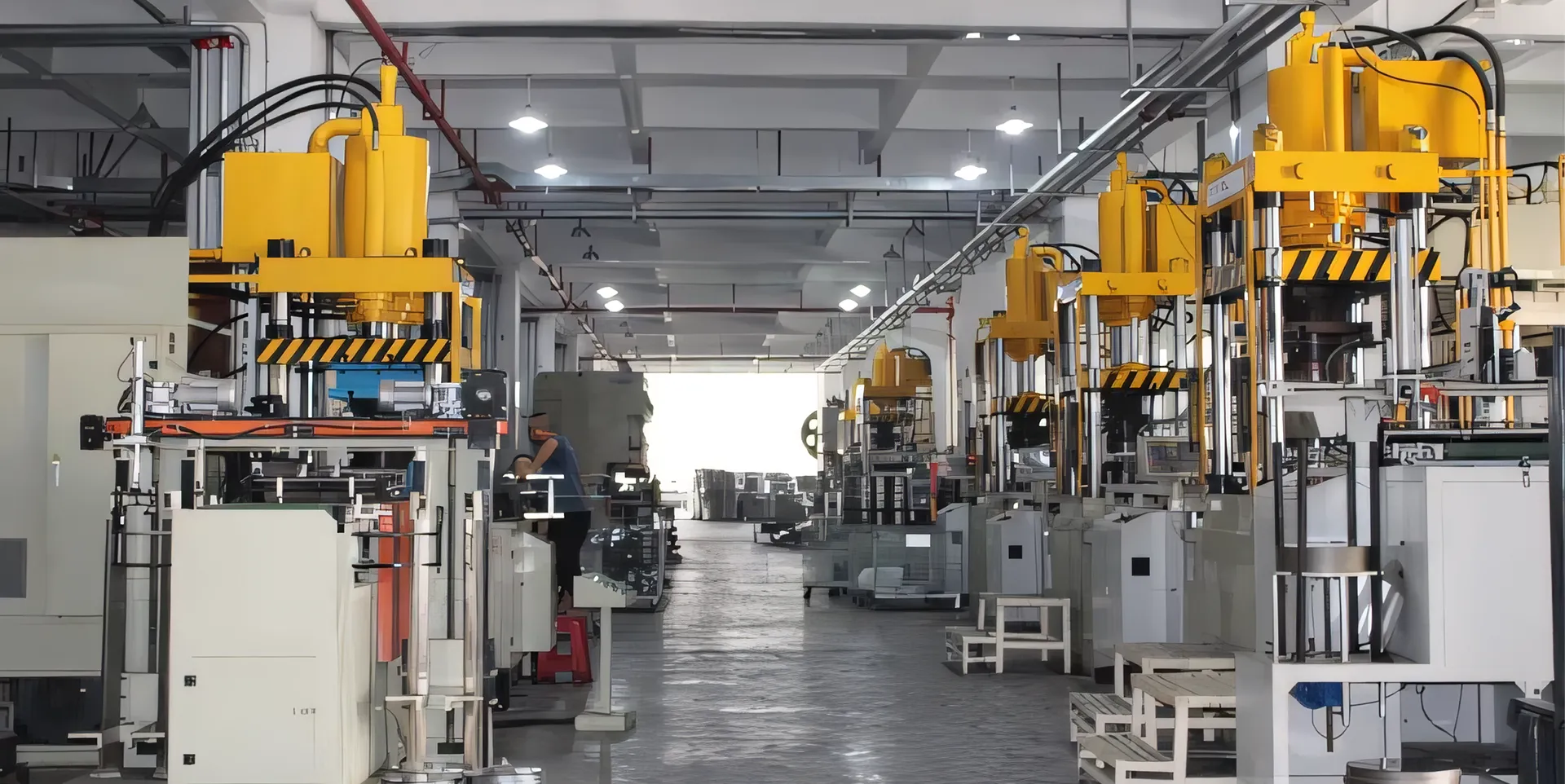
Chances is a professional B2B cookware manufacturer committed to delivering a reliable and consistent supply for global clients. With a strong customer-focused approach, we ensure stable production quality through strict quality control systems and verified manufacturing standards.
At Chances, we support OEM cookware and private-label cookware customization, offering flexible solutions tailored to different market needs and product positioning. Backed by dependable lead times and responsive service, Chances helps distributors, retailers, and brands maintain supply chain stability, reduce sourcing risks, and build long-term, scalable cookware product lines.