AR
AR  EN
EN  FR
FR  DE
DE  RU
RU  ES
ES  PT
PT  JA
JA  KO
KO 

عندما يتحدث المهندسون والطهاة والمشترون عن أداء المقلاة، فإنهم غالبًا ما يتحدثون حقًا عن شيء واحد: كيف تتحرك الحرارة عبر المعدن. يكمن السر في البناء - خاصةً القاعدة.
في هذه المدونة، فرص، أ مُصنِّع أواني طهي محترف بالجملة, يشرح النهجين الأكثر شيوعًا في أواني الطهي المعدنية الحديثة: تأثير المستعبدين القيعان و مكسو بالكامل الأجسام. على طول الطريق، سنركز على المفاضلات العملية حتى تتمكن فرق المشتريات ومديرو المنتجات والطهاة المنزليون الجادون من اتخاذ خيارات مستنيرة حول تقنية قاع أواني الطهي.
لماذا تعتبر تقنية قاع أواني الطهي مهمة
يجب أن تنتشر الحرارة المطبقة على المقلاة بشكل متساوٍ ومتوقع. فالقاعدة سيئة التصميم تنتج عنها بقع ساخنة وتحمير غير متساوٍ وتقلبات محبطة في درجات الحرارة. المصطلح تقنية قاع أواني الطهي يصف كيفية ربط الشركات المصنعة لطبقات المعدن (الفولاذ المقاوم للصدأ والألومنيوم والنحاس) في القاعدة، وفي حالة أواني الطهي المكسوة بالكامل، في الجدران الجانبية أيضًا. الفرق ليس أكاديميًا فقط - فهو يغير سرعة التسخين واستخدام الطاقة والمتانة والتكلفة.
ما هي تقنية القاع السفلي لأواني الطهي ذات الروابط الصدمية؟
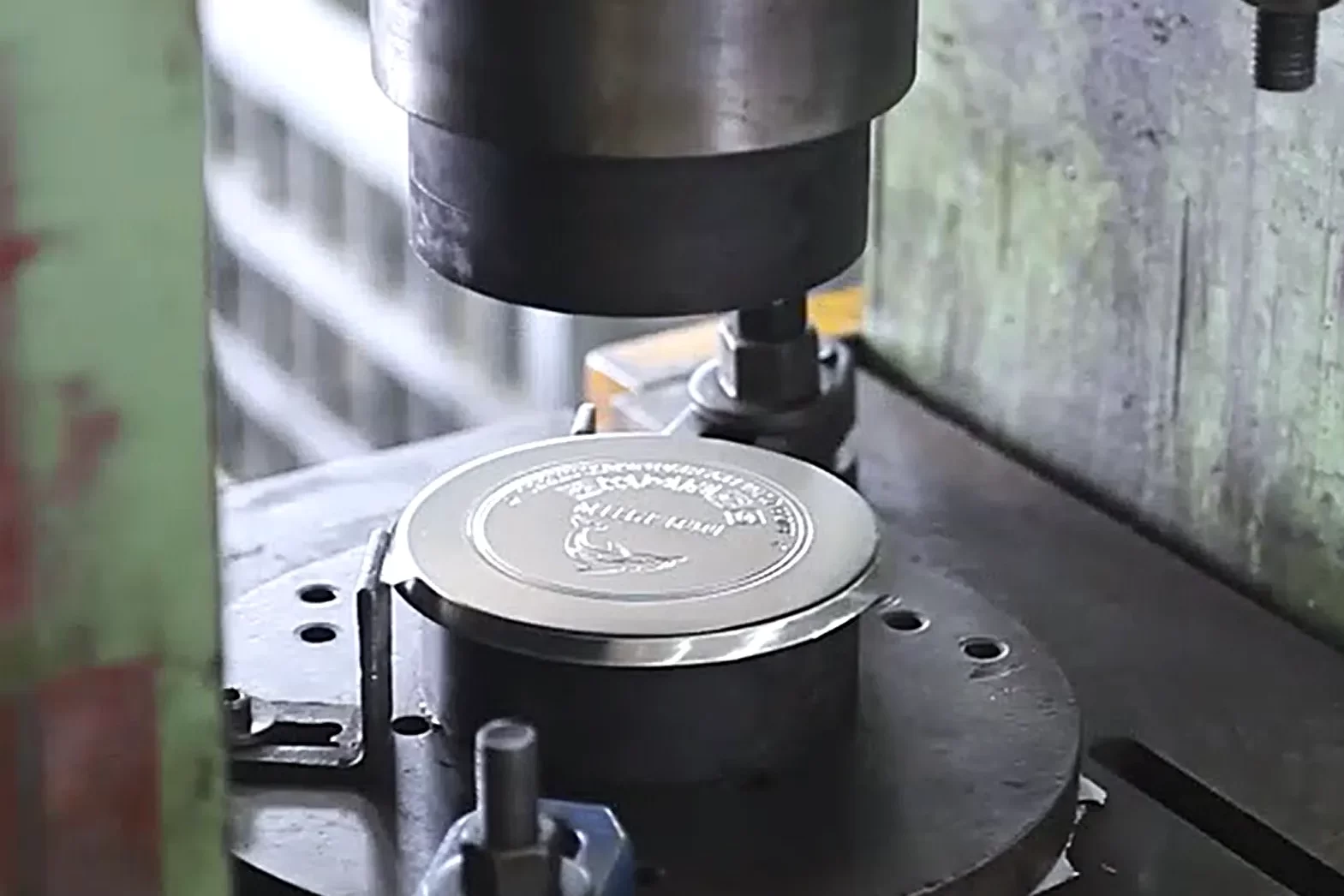
تستخدم تقنية الربط بالصدمة قرصاً أو صفيحة ذات طبقات من معدن موصل حرارياً (عادةً من الألومنيوم) يتم ربطها ميكانيكياً بأسفل غلاف من الفولاذ المقاوم للصدأ. وتتضمن العملية عادةً ضغط أو لحام قرص معدني بقاعدة الوعاء - ومن هنا تأتي عبارة “ملتصقة بالصدم”. السمة الرئيسية هي أن المادة الموصلة تتركز في الجزء السفلي فقط؛ وتبقى الجدران الجانبية من طبقة واحدة من الفولاذ المقاوم للصدأ.

الإيجابيات
- انخفاض تكلفة المواد بسبب استخدام كمية أقل من الألومنيوم.
- سرعة تسخين جيدة على سطح الطهي في المقلاة.
- عملية تصنيع أبسط للعديد من المصانع.
السلبيات
- تنتشر الحرارة بشكل رئيسي عبر الجزء السفلي - يتأخر التسخين الجانبي.
- خطر أكبر من البقع الساخنة بالقرب من المركز إذا كانت الطبقة الموصلة رقيقة.
- احتمالية التفكك تحت الضغط الحراري الشديد على مدى فترات طويلة.
الاستخدام التجاري الشائع: أواني الطهي ذات الميزانية المحدودة إلى المتوسطة وأواني الطهي التي يكون فيها التسخين على الحائط أقل أهمية (مثل أواني القلي).
ما هي تقنية قاع أواني الطهي المكسوة بالكامل؟
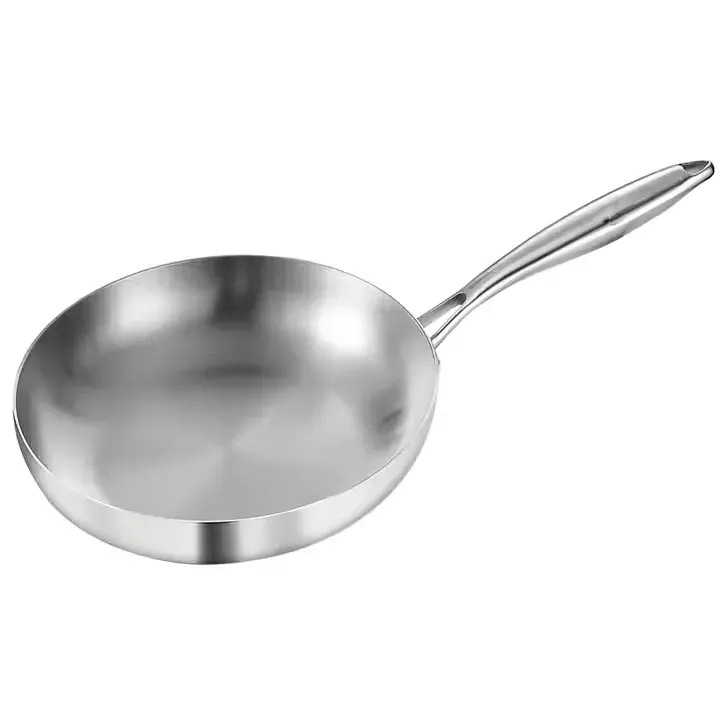
تعمل تقنية المكسوة بالكامل (أو المكسوة بالكامل) على وضع نوى موصلة (ألومنيوم أو نحاس) بين طبقات الفولاذ المقاوم للصدأ عبر الهيكل بالكامل: القاع والجدران الجانبية. وتتكون التركيبات النموذجية من 3 طبقات (ألومنيوم-مقاوم للصدأ-غير قابل للصدأ-ألومنيوم-مقاوم للصدأ) و5 طبقات (ألومنيوم-مقاوم للصدأ-ألومنيوم-مقاوم للصدأ-غير قابل للصدأ-ألومنيوم-مقاوم للصدأ)، مع إضافة خطوط متميزة من النحاس أو نوى أكثر سمكًا. تمتد النواة الموصلة بشكل مستمر من القاعدة إلى الحافة، مما يسمح للحرارة بالانتقال عبر الجدران الجانبية وكذلك القاع.
الإيجابيات
- توزيع أكثر توازناً للحرارة على سطح المقلاة بالكامل.
- تحكّم أفضل في درجة الحرارة وتقليل النقاط الساخنة.
- احتفاظ فائق بالحرارة ونتائج أكثر اتساقًا في الطهو على نار هادئة والتحمير وعمل الصلصة.
السلبيات
- ارتفاع تكاليف المواد والإنتاج.
- أحواض أثقل (حسب الرقائق وسُمك اللب).
- يلزم وجود أدوات أكثر تعقيدًا ومراقبة جودة أكثر تعقيدًا.
المكسوة بالكامل هي الخيار المفضل لأدوات الطهي المتوسطة إلى الراقية وأدوات المطبخ الاحترافية حيث الدقة مهمة.
تعقيد التصنيع والتكلفة
ومن وجهة نظر التصنيع، يتطلب إنتاج الكسوة الكاملة عمليات ربط أو تصفيح دقيقة بالدلفنة أو التصفيح وتفاوتات أكثر دقة للحفاظ على اتساق الطبقات عبر الأشكال المعقدة. أما الربط بالتأثير فهو أبسط وأسرع في كثير من الأحيان للإنتاج على نطاق واسع. يُترجم هذا الاختلاف مباشرةً إلى أسعار التجزئة: تُباع خطوط الإنتاج المكسوة بالكامل كمنتجات متميزة، بينما تهيمن النماذج المرتبطة بالصدمات على فئات القيمة.
المتانة والالتواء
تعتمد مقاومة الالتواء على سُمك المادة وجودة البناء والمعالجة الحرارية. عادةً ما تقاوم أواني الطهي المكسوة بالكامل الالتواء بشكل أفضل لأن الهيكل متعدد الطبقات يوازن التمدد الحراري عبر المقلاة. أما المقالي المكسوة بالصدمة فتتعرض لخطر انفصال القاعدة أو الالتواء إذا كانت الواجهة المكسوة بالصدمة سيئة التنفيذ أو تعرضت للضغط المتكرر بسبب التقلبات الشديدة في درجات الحرارة (على سبيل المثال، الحرارة العالية جدًا يليها الماء البارد).
التوافق الحثي
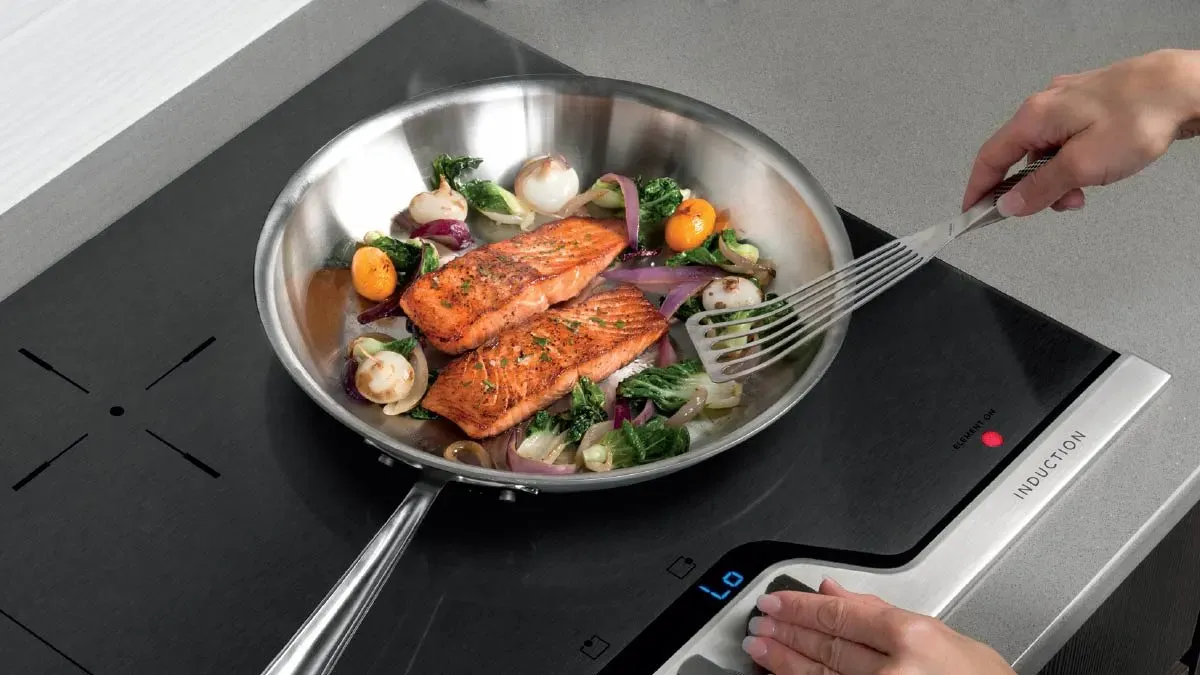
يمكن جعل كلا النوعين متوافقين مع الحث الكهرومغناطيسي من خلال تضمين طبقة مغناطيسية من الفولاذ المقاوم للصدأ. بالنسبة لـ تقنية قاع أواني الطهي, ، يجب على المصممين التأكد من أن الطبقة المغناطيسية مستمرة وسميكة بما يكفي للتفاعل مع مجالات الحث بكفاءة. وغالبًا ما تحقق التصميمات المكسوة بالكامل كفاءة تحريض أعلى لأنه يمكن تصميم البناء هندسيًا لتحقيق نفاذية مغناطيسية عبر منطقة التلامس بأكملها.
جدول ملخص
| عامل المقارنة | أواني طهي مترابطة التأثير | أواني طهي مكسوة بالكامل |
|---|---|---|
| تعقيدات التصنيع | عملية أبسط؛ وإنتاج أسرع؛ وقابلية أسهل للتطوير | يتطلب ربطاً/تصفيحاً دقيقاً باللفائف؛ تفاوتات أكثر دقة |
| تكلفة الإنتاج | تكلفة تصنيع أقل؛ مثالية لتصنيع المعدات الأصلية بكميات كبيرة | تكلفة إنتاج أعلى؛ مصنّفة كخطوط إنتاج متميزة |
| مقاومة الاعوجاج | ارتفاع خطر الالتواء إذا كان الترابط ضعيفًا أو تحت الصدمة الحرارية | مقاومة أفضل للالتواء بسبب التمدد المتوازن متعدد الطبقات |
| مخاطر التصفيح | انفصال القاعدة المحتمل في ظل الحرارة الشديدة المتكررة | مخاطر منخفضة للغاية بسبب الهيكل المتكامل متعدد الطبقات |
| التوافق الحثي | تحتاج إلى قاعدة مغناطيسية إضافية من الفولاذ المقاوم للصدأ | يمكن هندسة الطبقات المغناطيسية في جميع أنحاء منطقة التلامس |
| كفاءة الاستقراء | جيد، ولكنه متمركز بشكل رئيسي في القاعدة | أعلى عادةً بسبب سطح التلامس المغناطيسي المستمر |
| توزيع الحرارة | مركزة في القاعدة | حرارة متساوية عبر القاعدة والجدران الجانبية |
| وقت الاستجابة | تسخين سريع للقاع | استجابة حرارية أكثر استقراراً وتوقعاً |
| مخاطر البقع الساخنة | أعلى، خاصة في الأقطار الأكبر حجماً | الحد الأدنى من تكوين البقع الساخنة |
| الوزن | أخف وزناً وأسهل في التعامل معها | أثقل وزناً وأكثر صلابة في اليد |
| كفاءة الطاقة | معتدلة؛ خسارة أكبر من التوزيع غير المتكافئ | أعلى؛ طاقة مهدرة أقل |
| السوق الاستهلاكية متوسطة المدى | الأداء الأساسي المقبول | أفضل توازن بين السعر والأداء (3 طبقات) |
| مطابخ احترافية | غير مفضل بشكل عام | الخيار المفضل (5 طبقات أو أكثر سمكاً) |
اختيار الأسواق وحالات الاستخدام المختلفة
- أسواق المبتدئين/أسواق المبتدئين/أسواق التكلفة: توفر القيعان المترابطة الصدمية أداءً مقبولاً بتكلفة أقل. وهي مثالية لعمليات تصنيع المعدات الأصلية على نطاق واسع حيث تهيمن حساسية السعر.
- يريد المستهلكون كل يوم نتائج أفضل: توفر الفئة المتوسطة المكسوة بالكامل (3 طبقات) خطوة مهمة في موثوقية الطهي دون الحصول على أعلى قسط من المال.
- مطابخ المحترفين والمتحمسين: 5 طبقات أو أعلى مكسوة بالكامل بـ 5 طبقات أو أعلى مع نوى أكثر سمكًا (أو نوى نحاسية) توفر التحكم والاتساق الذي يحتاجه الطهاة.
عند تقديم المشورة للمشترين بشأن تقنية قاع أواني الطهي، أعط الأولوية لطرق الطهي التي يقدرها السوق. إذا كان التحمير وصنع الصلصة وحتى الطهي على نار هادئة هي نقاط البيع، استثمر في أواني الطهي المكسوة بالكامل. أما بالنسبة لخطوط القلي البسيطة أو خطوط أواني الطهي ذات الميزانية المحدودة، يبقى خياراً عملياً.
الخاتمة
يعد فهم تقنية قاع أواني الطهي - وتحديدًا الاختلافات بين البناء المرتبط بالصدمات والكسوة الكاملة - أمرًا ضروريًا لاتخاذ قرارات شراء وتصنيع أكثر ذكاءً. توفر التصاميم المترابطة الصدمية مزايا من حيث التكلفة والوزن، بينما توفر أواني الطهي المكسوة بالكامل توزيعًا حراريًا فائقًا وثباتًا وأداءً على مستوى الطهاة. اختر التقنية التي تتوافق مع أساليب الطهي الخاصة بمستخدميك، وحساسية الأسعار، ووعد العلامة التجارية التي تريد تقديمها.
نبذة عن الفرص
لقد مرت 3 عقود منذ تأسيس شركة Chances، ولدينا القدرة على توفير تكنولوجيا قاع أواني الطهي المحددة والناضجة لعملائنا في حلول مخصصة. والآن، نحن من أفضل تجار الجملة والمصنعين المحترفين لأواني الطهي الفولاذ المقاوم للصدأ. الفرص قادرة على تقديم توريد أواني الطهي المصنوعة من الفولاذ المقاوم للصدأ بالجملة و حل أواني الطهي المخصصة لتلبية احتياجاتك.
في توريد أواني الطهي بالجملة وحلول أواني الطهي المخصصة، نقدم لك Chances:
✅استجابة فرق الخبراء السريعة
✅الإنتاج الفعال
✅مراقبة الجودة الصارمة
✅توصيل سريع
الأسئلة الشائعة
س: هل الكسوة الكاملة أفضل دائماً؟
A: ليس دائمًا. فهي تعطي حرارة أكثر تساويًا، ولكن يعتمد ذلك على حالة الاستخدام والميزانية.
سؤال: هل أواني الطهي السميكة دائمًا ما تكون أفضل أداءً؟
A: لا، السُمك يساعد، ولكن جودة المواد وقوة الترابط أكثر أهمية.
س: هل يعني المزيد من الطيات دائمًا أداء حراري أفضل؟
A: لا. بعد الطبقات الثلاث، تكون المكاسب في الأداء محدودة ما لم تتحسن المواد الأساسية أو السماكة بشكل كبير.
س: ما هي القاعدة البسيطة؟
A: البناء الجيد مهم أكثر من الأرقام الكبيرة.