JA
JA  EN
EN  FR
FR  DE
DE  RU
RU  AR
AR  ES
ES  PT
PT  KO
KO 
台所用品業界での競争が激化する中、各企業は製品の差別化を図り、ブランド力を強化し、利益率を向上させるためのより効果的な方法を模索しています。Amazonセラー、卸売業者、輸入業者、あるいは小売ブランドを問わず、調達において下すべき最も重要な決定の一つは、OEM製造とODM製造のどちらを選ぶかということです。.
多くのバイヤーは、あるモデルがもう一方よりも常に優れていると決めつけてしまいがちです。実際には、OEMとODMはそれぞれ異なるビジネス目標を果たすものです。どちらを選ぶべきかは、予算、市場での位置づけ、製品戦略、そして成長段階によって異なります。.
ここで、, チャンスクック OEMとODMによるキッチン用品の製造を比較し、お客様のビジネスに最適なモデルを見極めるお手伝いをします。.
OEMとODM:基本を理解する
調達に関する決定を下す前に、OEMとODMの根本的な違いを理解しておくことが重要です。.
OEMとは何ですか?
OEM(Original Equipment Manufacturing)とは、製造業者が買い手の仕様に基づいて製品を製造することを指します。通常、設計、材料、寸法、機能、ブランド、およびパッケージングについては、買い手が決定権を持ちます。.
OEMは、独自の製品と長期的な差別化を求めるブランドによって広く利用されています。.
ODMとは何ですか?
ODM(オリジナル・デザイン・マニュファクチャリング)とは、製造業者が製品を開発し、購入者が独自のブランド名を付けたり、若干の修正を加えたりすることを指します。.
ODMを利用すれば、企業は製品開発に多額の投資をすることなく、迅速に製品を市場に投入することができます。.
最大の違い
簡単に言えば:
- OEM = 独自の製品を開発する
- ODM = 既存製品のカスタマイズ
| ファクター | OEM | ODM |
|---|---|---|
| プロダクトデザイン | 購入者 | メーカー |
| 初期投資 | より高い | 下へ |
| MOQ | より高い | 下へ |
| 製品の独占販売権 | 高い | 数量限定 |
| 発射速度 | 遅い | もっと速く |
| 長期的なブランド価値 | より高い | 中程度 |
どちらのモデルが、より優れた長期的なビジネス価値を生み出すのか?
その答えは、貴社の事業目標によって異なります。.
OEMがなぜより強力な競争優位性をもたらすのか
OEM製品により、ブランドは競合他社が容易に真似できないものを提供できるようになります。.
主な特典は以下の通りです:
- 独自の製品デザイン
- ブランドアイデンティティの強化
- 価格決定力の強化
- 直接的な競合の減少
- 顧客ロイヤリティの向上
その製品は独自性が高いため、企業は多くの場合、より高い利益率と、より強固な長期的な市場での地位を確立することができます。.
ODMがビジネスリスクを低減する理由
ODMは、新規市場に参入する企業にとって、いくつかのメリットをもたらします。.
主な特典は以下の通りです:
- 初期費用の削減
- より迅速な立ち上げスケジュール
- 開発リスクの低減
- 実績のある製品コンセプト
新製品の開発に何ヶ月も費やす代わりに、バイヤーは販売やマーケティングに注力することができます。.
どちらのモデルの方が利益率が高いか?
短期的には、ODMは必要な投資額が少なくて済むため、多くの場合、より早く利益が得られる。.
長期的には、OEMは一般的により高い利益創出の可能性をもたらします。なぜなら、製品の差別化がプレミアム価格設定とブランド価値の向上を支えるからです。.
OEMとODM、それぞれどのビジネスモデルを選ぶべきか?
買い手によって、適した製造手法は異なります。.
Amazonの出品者
アマゾンの販売者の多くは、ODM製品から事業をスタートさせます。.
これにより、彼らは以下のことが可能になります:
- 需要を迅速に検証する
- 在庫リスクを低減する
- 初期投資を最小限に抑える
売上が伸びるにつれ、多くの企業が差別化を図り、直接的な競争を避けるためにOEM製品へと移行している。.
輸入業者および販売業者
輸入業者は、ODM製品とOEM製品を組み合わせて使用することがよくあります。.
ODMは製品ラインナップの迅速な拡充に寄与する一方、OEM製品は特定の市場において独占的な地位をもたらします。.
小売チェーン
小売業者は、競合他社が入手できない自社ブランド製品ラインを展開できるため、OEMを好むことがよくあります。.
定評のあるキッチン用品ブランド
長期的な成長を目指すブランドにとって、OEM生産はブランドアイデンティティを強化し、市場でのポジショニングを守るため、一般的に最も大きなメリットをもたらします。.
.webp)
ビジネスの段階が意思決定に与える影響
適切なモデルを選ぶには、多くの場合、現在のビジネスの状況次第となります。.
| ビジネスステージ | おすすめの戦略 |
| スタートアップ | ODM |
| 初期の成長 | ODM + カスタマイズ |
| 拡張 | ハイブリッド |
| 定評のあるブランド | OEM |
スタートアップ段階
現段階では、スピードとキャッシュフローが極めて重要だ。.
ODMは通常、最も安全な選択肢です。.
成長段階
各企業は次のような取り組みを導入し始めています:
- オーダーメイドのパッケージ
- ブランディングの強化
- 商品のバリエーション
拡大段階
多くの企業がハイブリッド戦略を採用している。.
同社は、OEM開発への投資を続けながら、ヒットしているODM製品の販売も継続している。.
成熟期にあるブランド
確立されたブランドは、通常、OEMを優先します。なぜなら、独占的な製品が大きな競争優位性となるからです。.
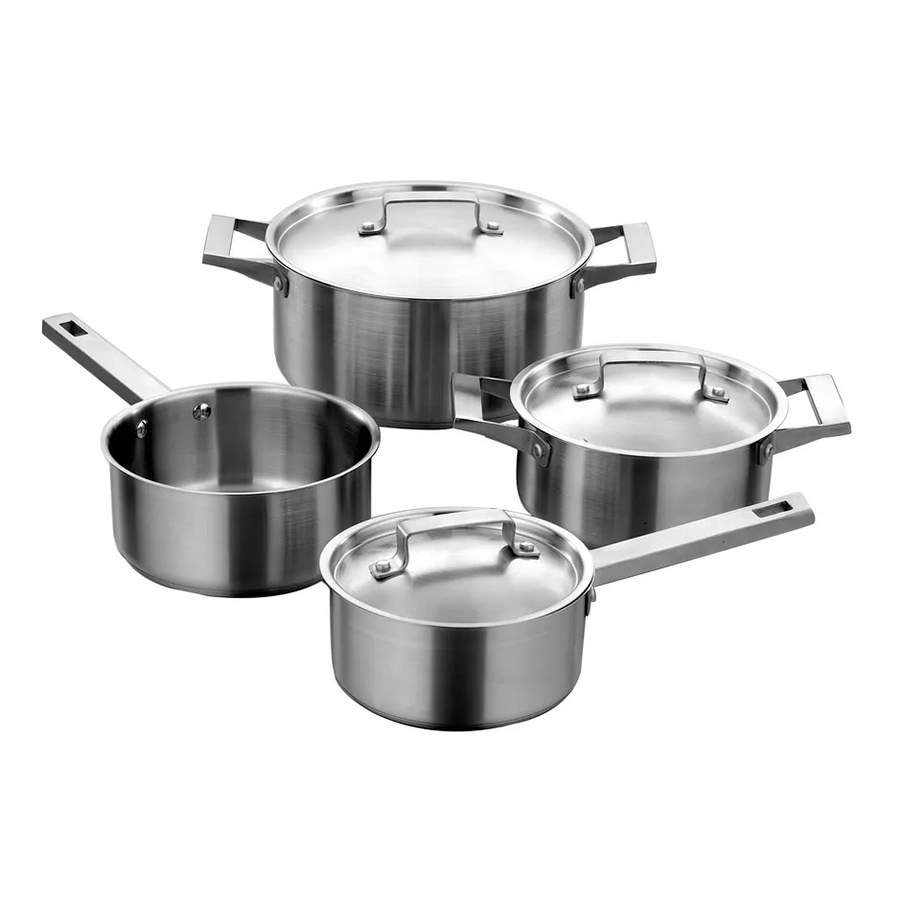
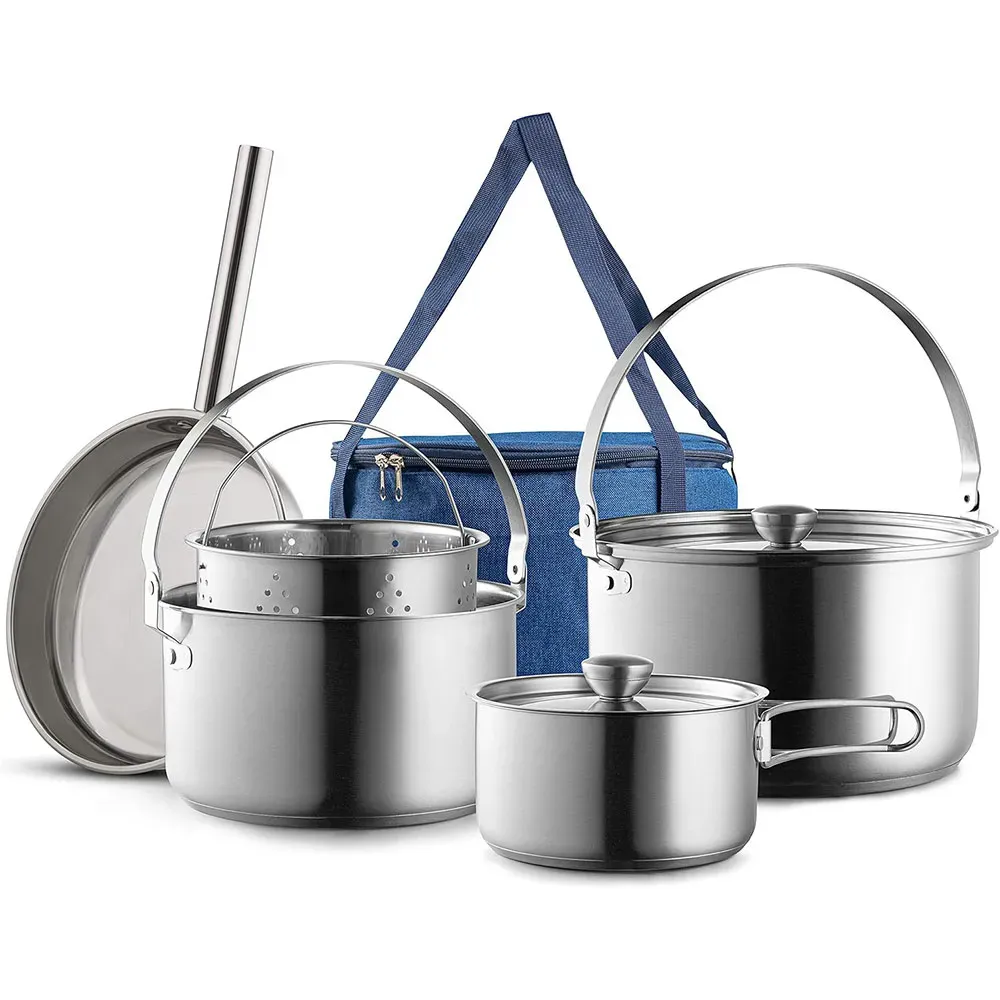
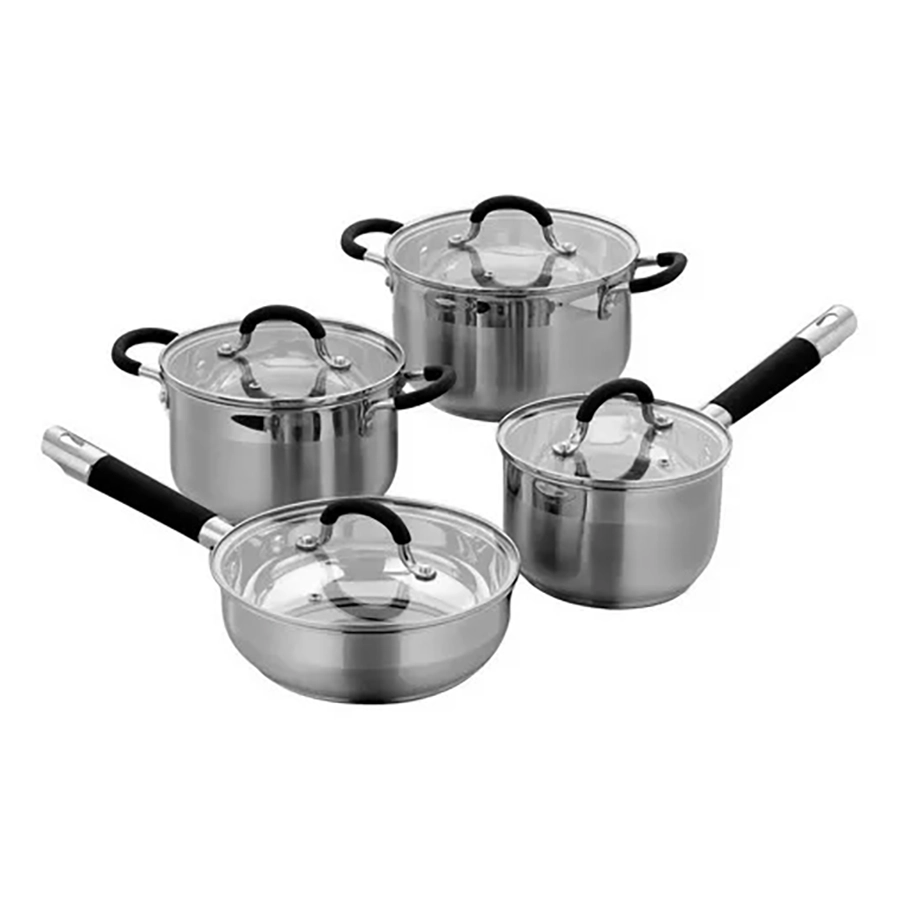
OEMのキッチン用品では、具体的にどのような部分をカスタマイズできるのでしょうか?
よくある誤解の一つは、OEMといえば単にロゴを付けることだけを指すというものです。.
実際には、OEMのキッチン用品プロジェクトでは、大規模なカスタマイズが行われることもあります。.
経験豊富な オーダーメイドのキッチン用品メーカー 製品のほぼあらゆる側面における変更に対応可能です。.
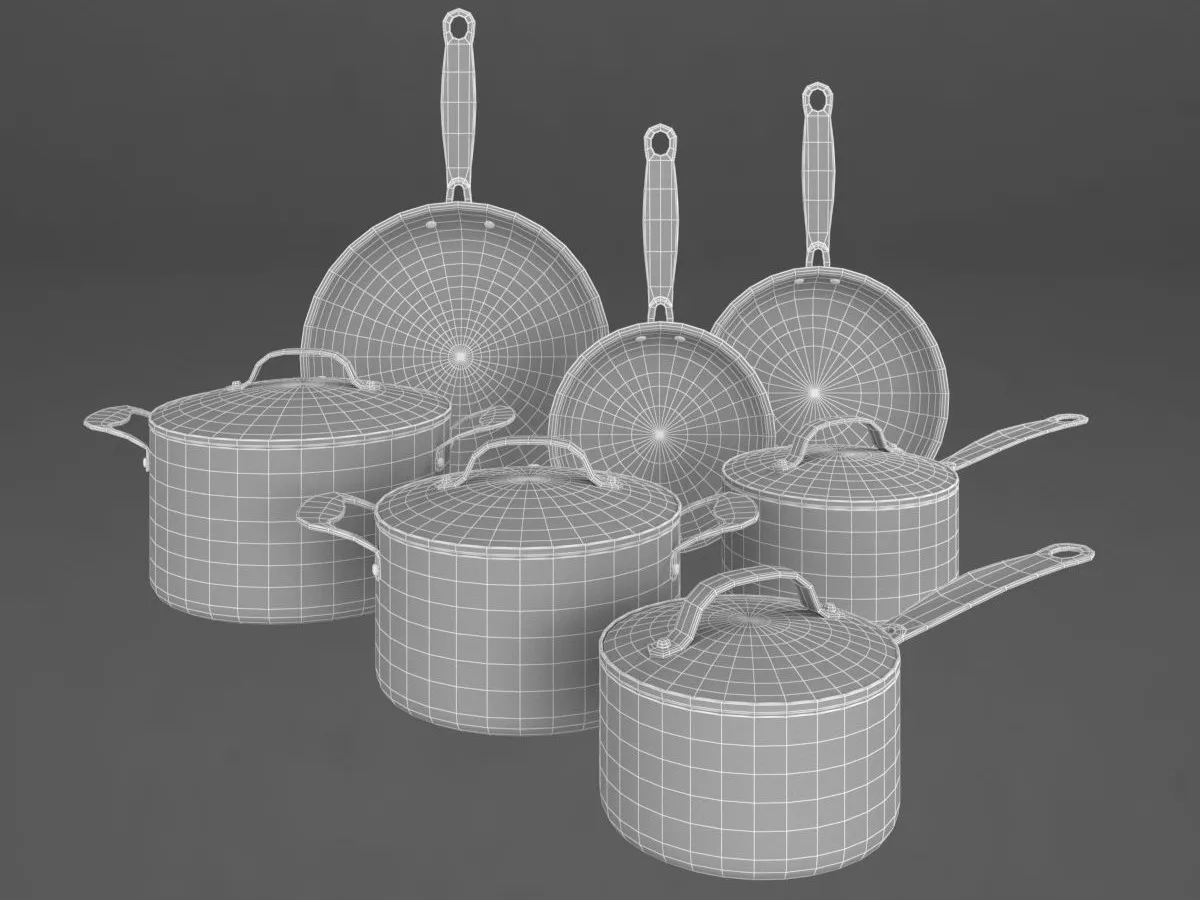
製品の構造のカスタマイズ
企業は以下をカスタマイズできます:
- 形状
- 定員
- 寸法
- 製品の機能
これにより、特定の顧客層に合わせた製品の開発が可能になります。.
素材の選択
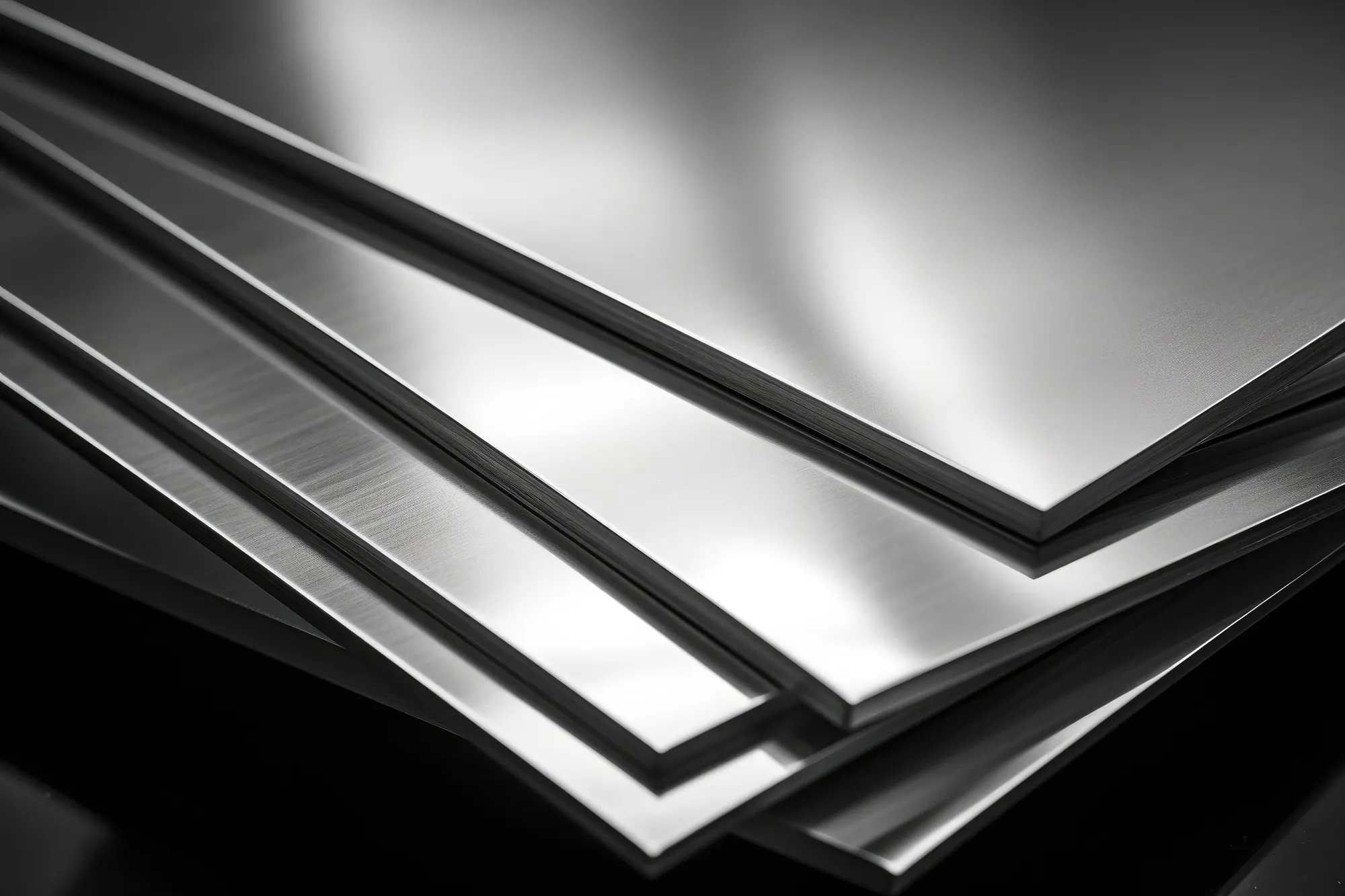
素材の選択は、製品の性能やポジショニングに直接影響を与えます。.
一般的なオプションには次のようなものがあります:
- 201 ステンレス鋼
- 304ステンレス鋼
- 316ステンレス鋼
素材ごとに、耐久性、耐食性、およびコスト効率の程度が異なります。.
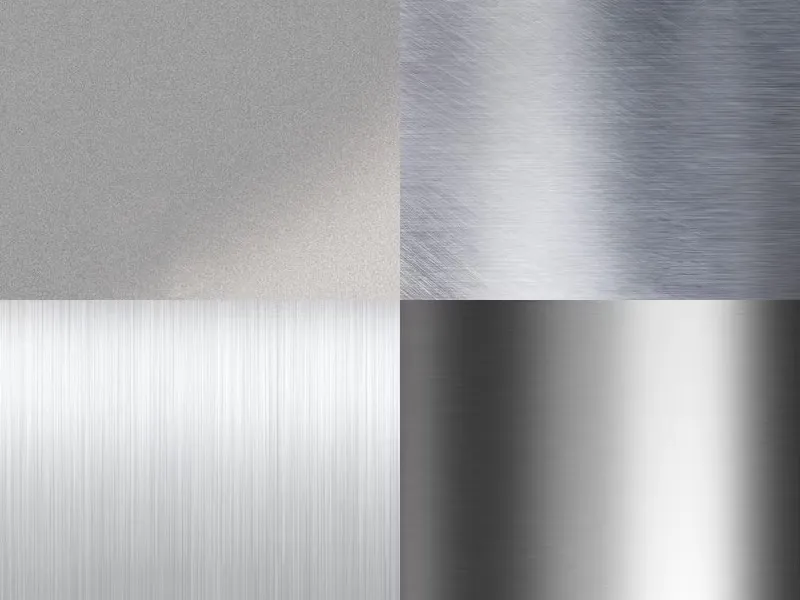
表面仕上げの選択肢
人気のある仕上げには、次のようなものがあります:
- 鏡面仕上げ
- サテン仕上げ
- ブラッシュ仕上げ
これらの仕上げは、外観と市場での位置づけの両方に影響を与えます。.
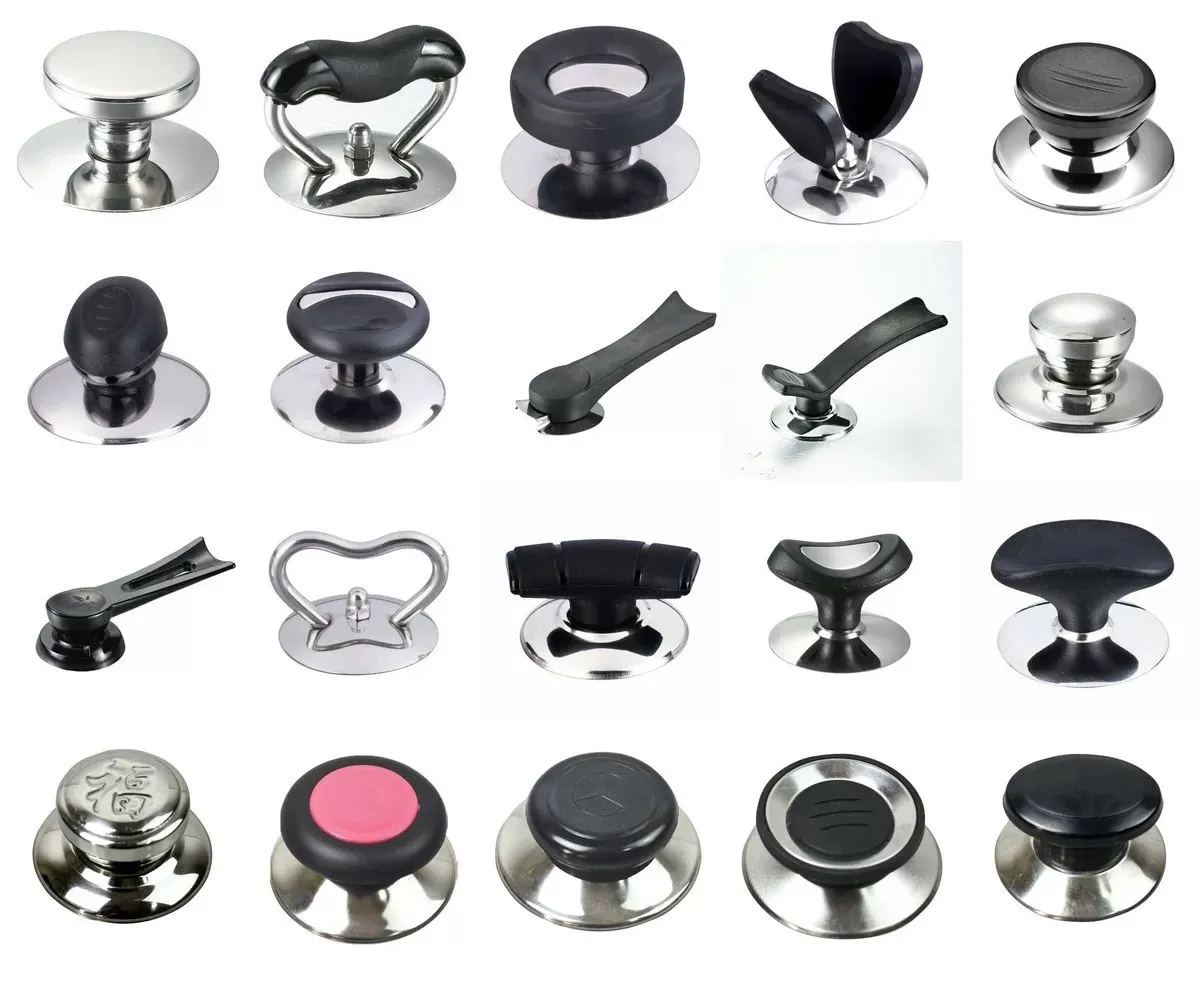
ハンドルと蓋のカスタマイズ
カスタマイズオプションには、次のようなものがあります:
- ステンレス製の取っ手
- シリコン製のハンドル
- ベークライト製の取っ手
- ガラス製の蓋
- ステンレス製の蓋
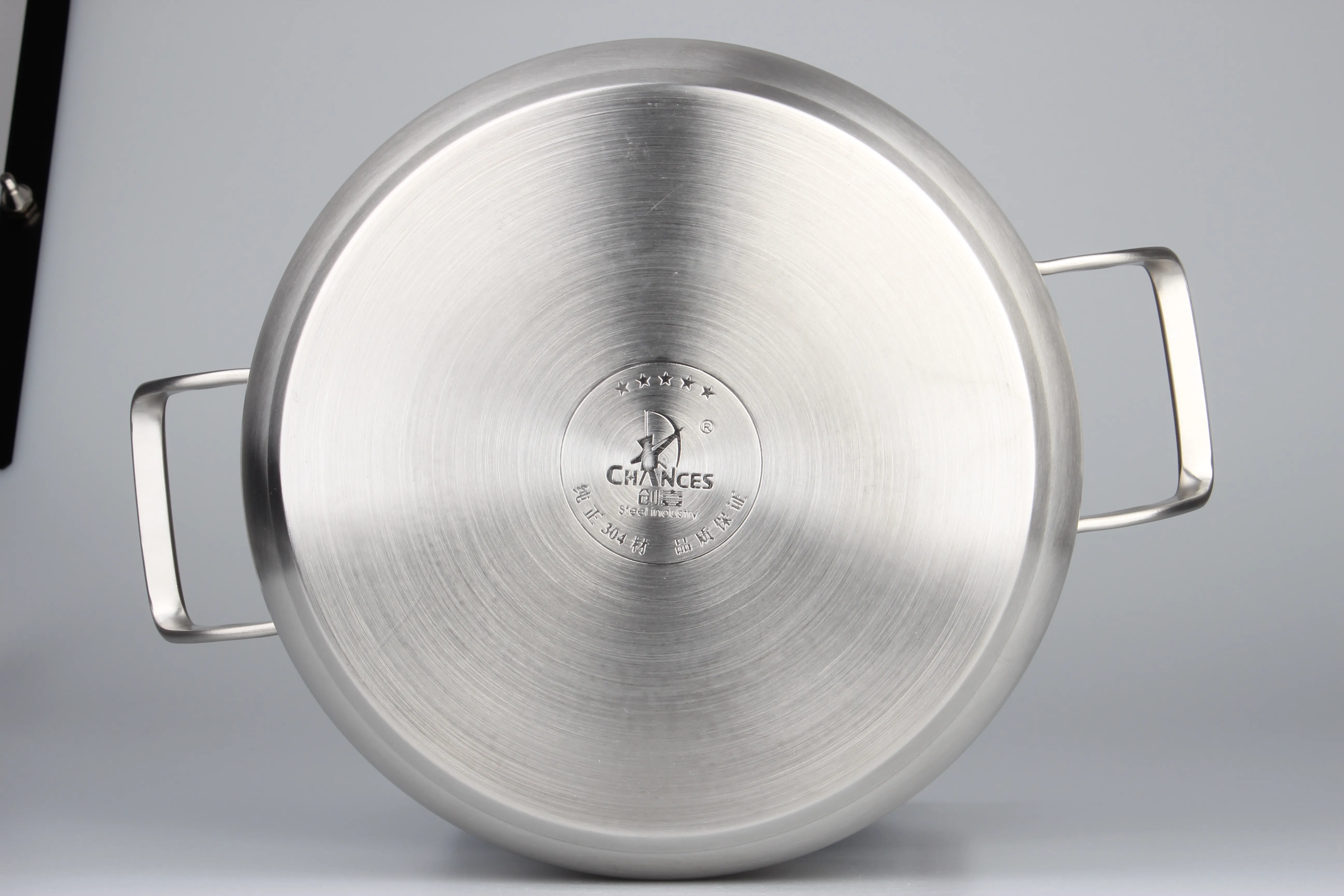
ロゴのブランディングオプション
ブランドアイデンティティは、以下の方法を通じて取り入れることができます:
- レーザー彫刻
- シルクスクリーン印刷
- エンボス加工されたロゴ
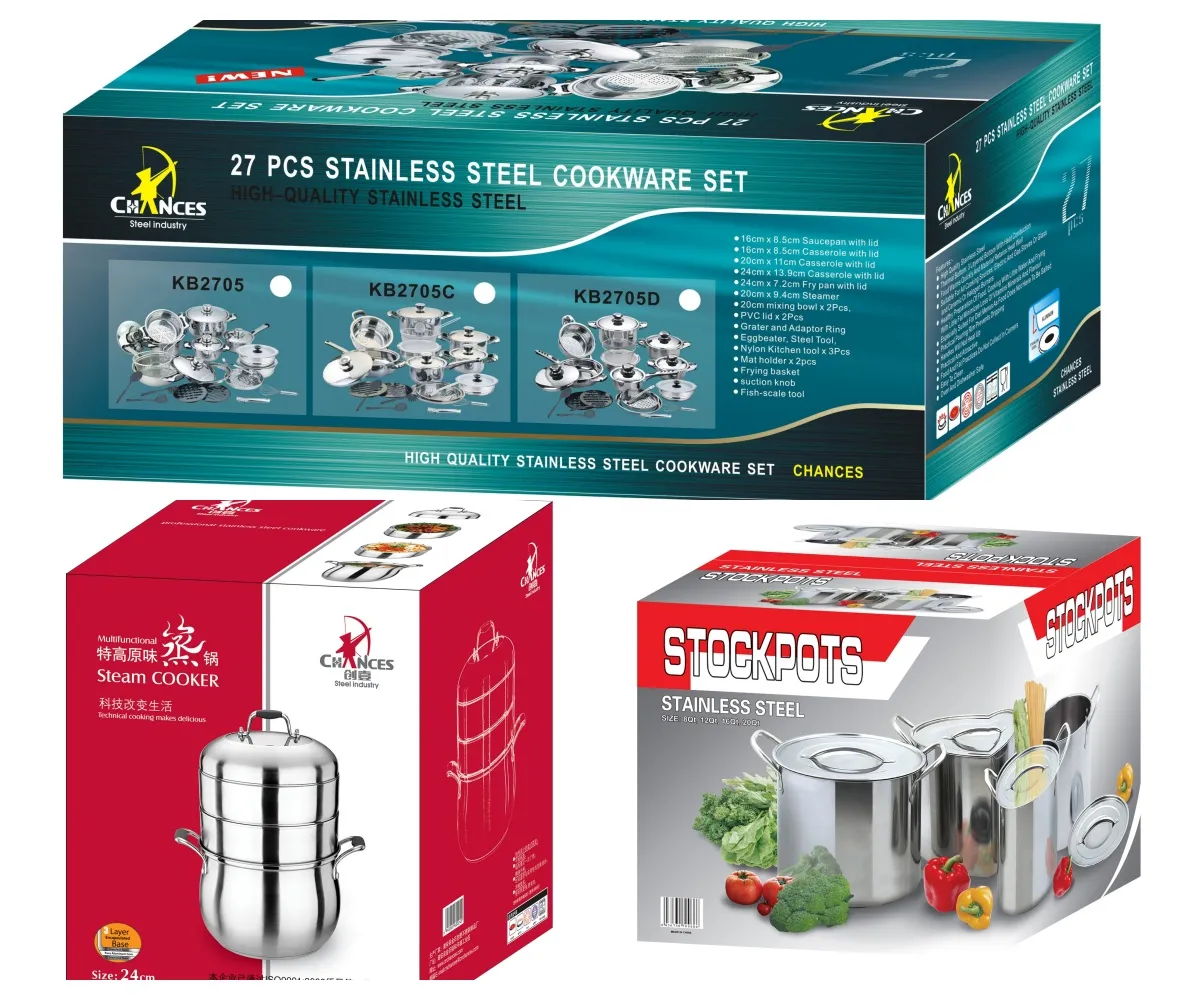
パッケージのカスタマイズ
プロフェッショナル カスタム調理器具メーカー 以下の機能もサポートしています:
- 小売用パッケージ
- カラーボックス
- ギフトボックス
- Amazon対応の梱包
カビの所有権がなぜ重要なのか
Chancescookなどのメーカーは、独自の製品を求めるブランド向けに、カスタム金型の開発を支援しています。.
特注金型を所有することには、次のようなメリットがあります:
- 製品の独占販売権
- より強固な参入障壁
- ブランド保護の強化
- 長期的な差別化
プレミアムブランドを構築する企業にとって、金型の所有は、単なる経費ではなく、多くの場合、戦略的な投資となります。.
OEMとODMの両方を提供しているメーカーと提携するメリットとは?
両方の製造モデルに対応しているサプライヤーと提携することには、大きなメリットがあります。.
柔軟性の向上
企業はODMから始め、成長に合わせてOEMへと移行することができます。.
製品開発の迅速化
既存の製品に関する専門知識を持つメーカーは、開発サイクルを短縮することができます。.
製品イノベーションの強化
経験豊富なサプライヤーは、長年にわたる製造ノウハウに基づいて改善策を提案することができます。.
ワンストップ製造ソリューション
プロフェッショナル [キッチン用品の卸売業者] 以下を提供できるはずです:
- 製品設計のサポート
- カビの発生
- 試作
- 量産
- 品質検査
- パッケージのカスタマイズ
- 輸出物流支援
例えば、Chancescookはステンレス製調理器具向けに包括的なOEMおよびODMソリューションを提供しており、素材のカスタマイズ、構造設計、金型開発、ブランディング、パッケージング、そして大規模生産までをサポートしています。これにより、バイヤーは単一の製造パートナーを通じて製品開発プロセス全体を管理することが可能になります。.
結論
OEMとODMは競合するソリューションではなく、それぞれ異なるビジネス目標に合わせて設計されたツールです。.
リスクの低減、市場参入の迅速化、初期投資の削減を目指す企業にとって、ODMは多くの場合、最良の選択肢となります。一方、企業が差別化、ブランド構築、長期的な成長に注力するにつれて、OEMの価値はますます高まっています。.
多くの成功を収めているキッチン用品ブランドは、ODM製品からスタートし、徐々にカスタマイズを取り入れ、最終的には完全オーダーメイドのOEM製品ラインへと移行しています。.
経験豊富な企業と提携することで [オーダーメイドのキッチン用品メーカー] OEMとODMの両方のサービスを提供することで、企業はブランドの進化や市場機会の拡大に合わせて、調達戦略を柔軟に調整できるようになります。.
チャンスについて
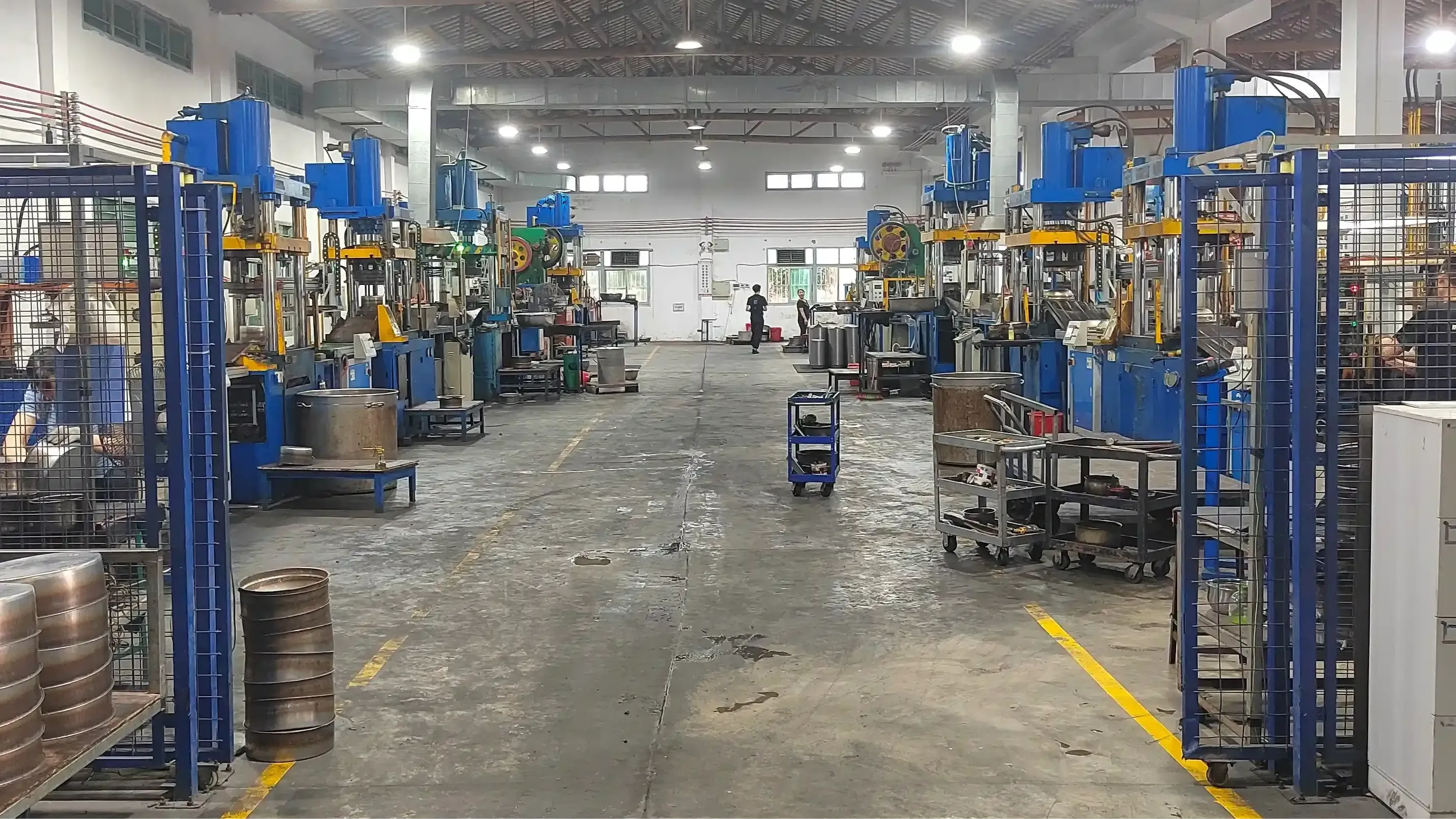
プロフェッショナルとして ステンレス台所用品メーカー, Chancesは柔軟な OEMおよびODMのキッチン用品ソリューション 世界中の輸入業者、販売業者、卸売業者、およびプライベートブランド向けに。.
製品設計やカスタム金型の開発から、素材選定、ロゴデザイン、パッケージング、量産に至るまで、当社は企業が差別化された製品と拡張性のあるサプライチェーンを構築できるよう支援します。経験豊富なエンジニアリングチーム、厳格な品質管理、そして安定した生産能力により、信頼性の高い製品性能と安定した納品を保証します。.
必要なのが 市場投入までの時間を短縮できるODMソリューションであれ、完全にカスタマイズされたOEM調理器具プロジェクトであれ、, 当社は、開発プロセス全体を通じてワンストップのサポートを提供しています。工場直営の生産体制と世界的な輸出実績を活かし、ChancesはB2Bのお客様に対し、高品質なオーダーメイドのキッチンウェアソリューションを通じて、調達リスクの低減、ブランド競争力の強化、そして持続可能な成長の実現を支援します。.